Lightweight PV Supports: Faster Flat-Roof
Installations Without Roof Penetrations
In Italy’s commercial and industrial solar market, speed and
reliability on site matter as much as energy yield. That’s why many professionals are switching
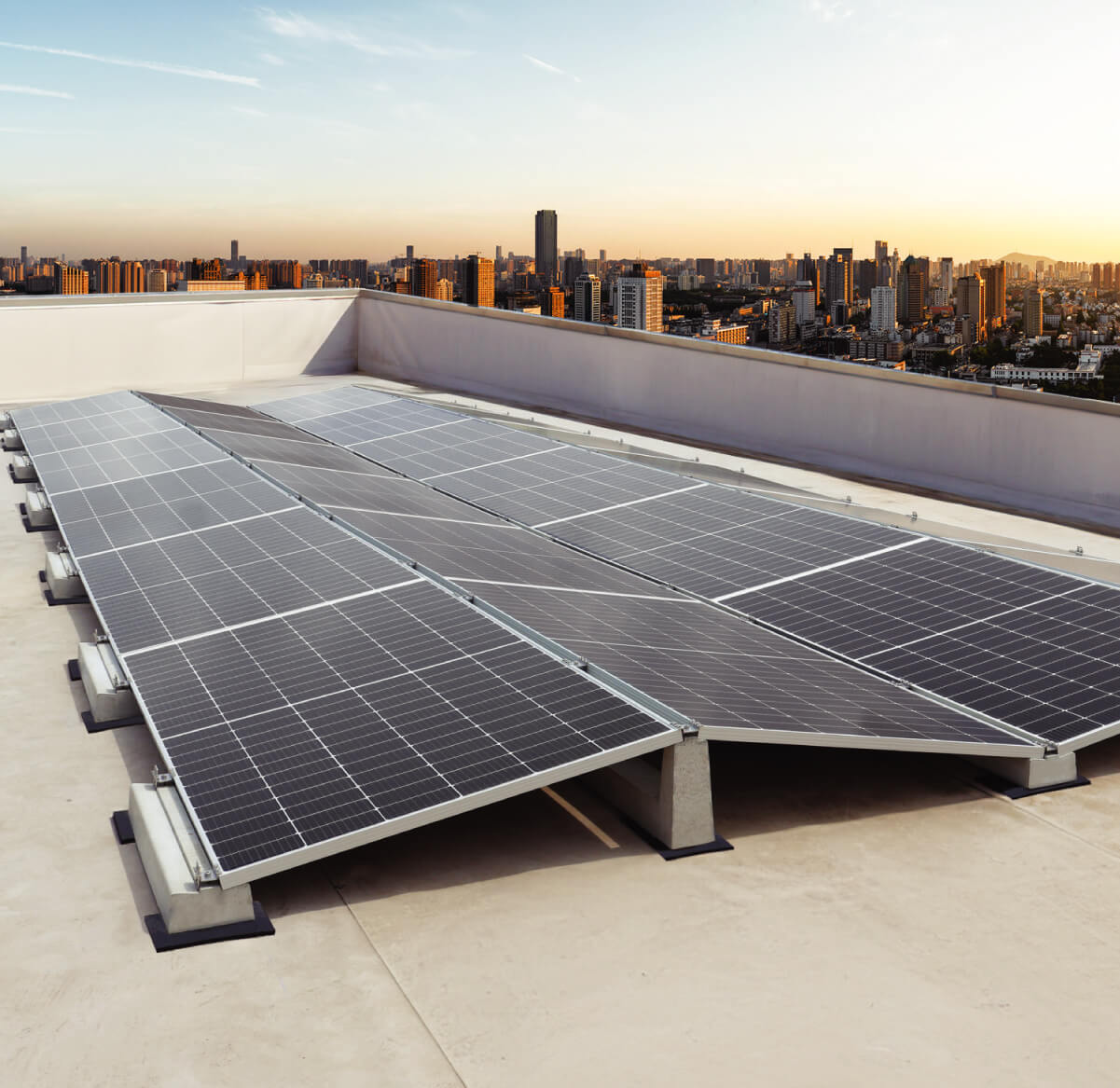
to lightweight pv supports designed specifically for flat roofs. The goal is simple: secure
photovoltaic modules without drilling the waterproofing layer, reducing risk of leaks and
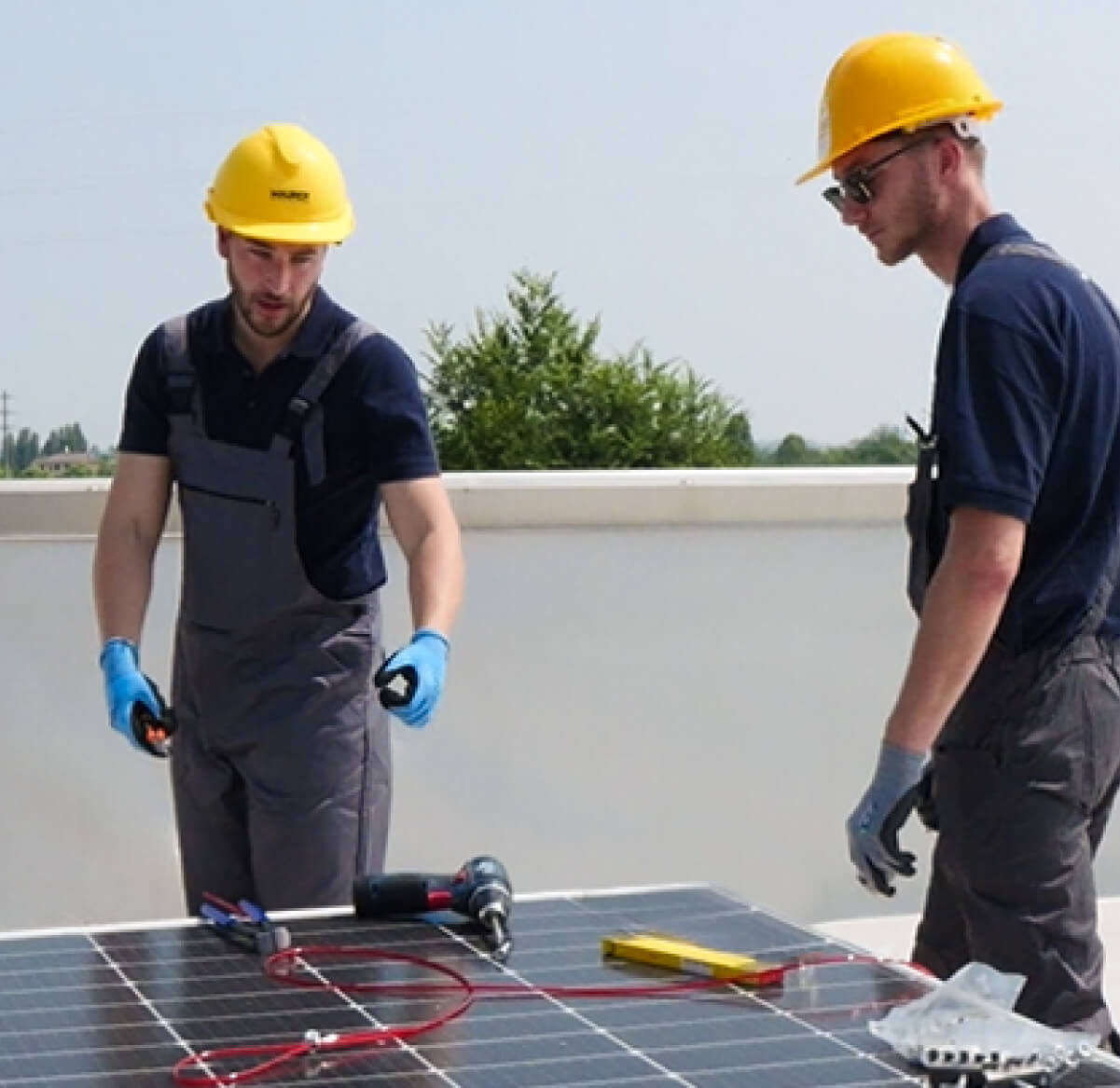
avoiding time-consuming roof repairs. For installers, this translates into fewer steps, fewer
components to manage, and cleaner logistics on the roof. For designers and engineers, it means
predictable load distribution and a mounting approach that can be evaluated with clear technical
data.
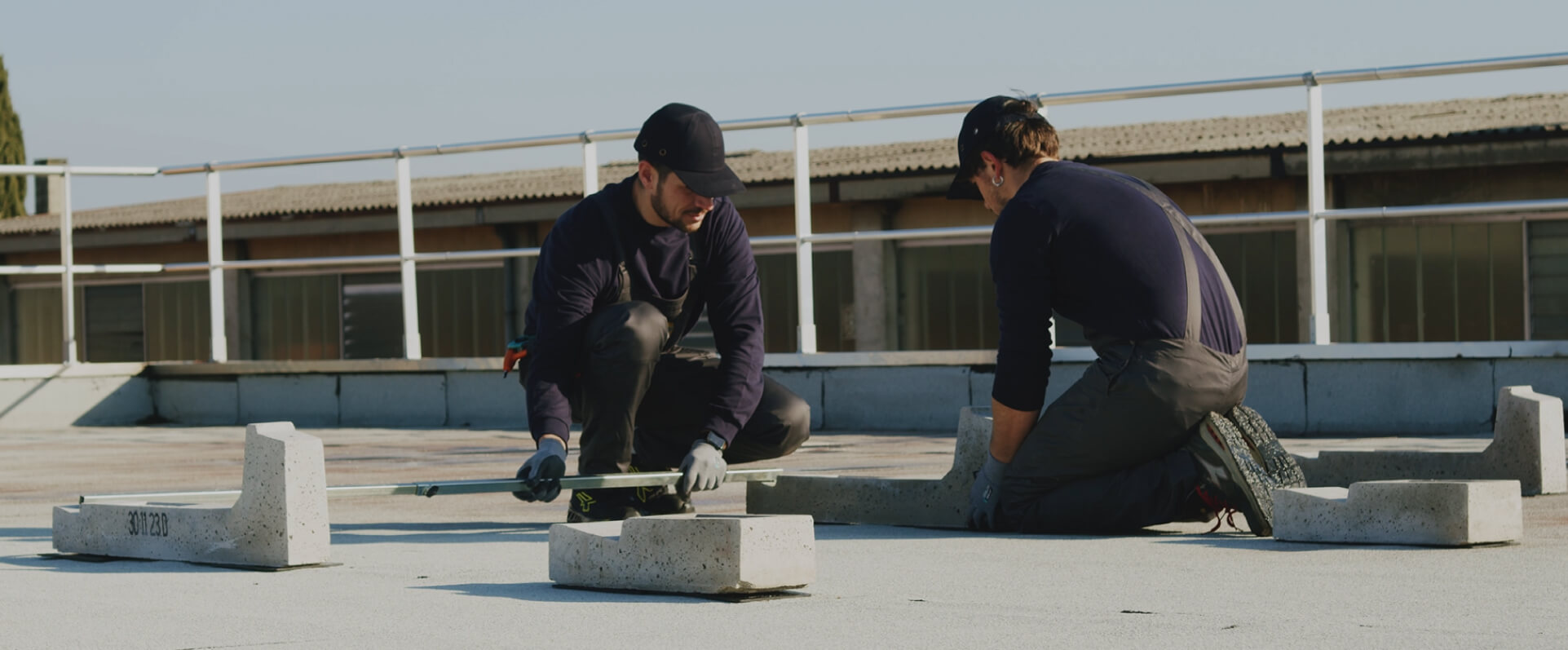
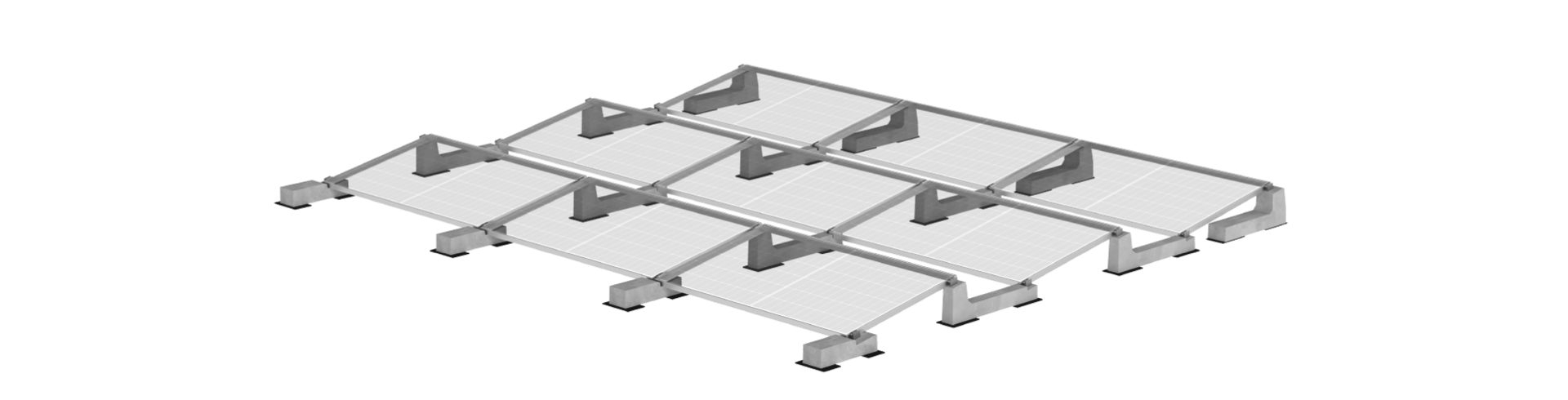
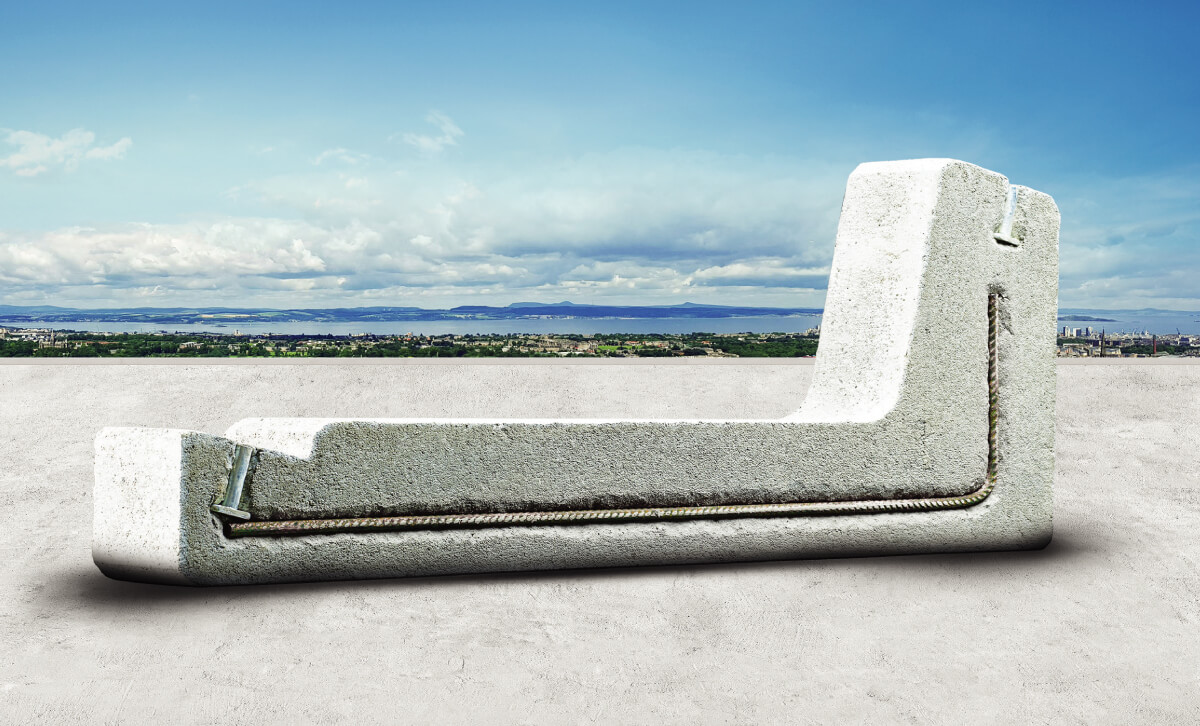
Modern ballasted mounting systems use precast concrete weights to keep the array stable against
wind actions while maintaining roof integrity. This approach is especially valuable on existing
buildings where owners want minimal disruption and maximum safety. In practice, lightweight pv
supports help streamline positioning and alignment of panels, enabling crews to complete more
kilowatts per day with less complexity. The result is a smoother installation process, fewer
surprises during commissioning, and a more dependable outcome for everyone involved—installer,
technician, and distributor. If your priority is to reduce installation time while keeping the
roof untouched, choosing a proven flat-roof support system is a practical step toward safer,
more efficient PV projects in Italy.
Why Professionals Choose Ballasted Solutions:
Stability, Simplicity, and Verified Performance
The strongest argument for lightweight pv supports on flat roofs
is risk reduction. Penetrating a roof membrane introduces potential water ingress points and
often requires additional sealing, inspections, and long-term maintenance. A ballasted PV
mounting system avoids these critical issues by relying on weight and optimized geometry to
achieve stability.
For photovoltaic installers, simplicity is not a buzzword—it’s productivity. A system with fewer
parts and intuitive assembly reduces errors, shortens training time for crews, and speeds up
repetitive tasks like setting rows, aligning modules, and managing cable routes. For engineers
and technical offices, certified and tested solutions support accurate calculations for wind,
loads, and roof bearing capacity. This makes documentation easier and helps limit design
responsibility by using components with validated performance.
Distributors also benefit from reliable, recognizable products that are easier to explain and
specify. When a mounting solution is well-known for durability and quick installation, demand
tends to be steadier across projects and regions. In short, ballasted lightweight pv supports
combine on-site efficiency with technical confidence—two essentials for flat-roof solar success
in the Italian market.
A Complete Technical Partner for Flat-Roof PV:
From Design Support to Execution
Choosing lightweight pv supports is only part of the equation.
What truly accelerates projects is having a technical partner that supports professionals from
early design through installation. Installers often need fast answers on layouts, module
orientation, row spacing, and practical details that affect time on site. Designers need
dependable sizing support, including guidance on loads and wind exposure, so they can approve
solutions with confidence.
A complete approach typically includes technical assistance during planning, help with system
dimensioning, and commercial support that keeps deliveries and specifications aligned with the
project schedule. This is especially important for flat roofs, where constraints like parapets,
skylights, HVAC units, and drainage paths can complicate the array design. With the right
support, you can optimise panel positioning, keep roof access safe, and reduce rework.
If you are looking to deliver more flat-roof installations with fewer complications, lightweight
pv supports paired with expert pre-sales engineering can make the difference. The outcome is a
quicker workflow, fewer on-site uncertainties, and a mounting solution built for long-term
reliability—without ever compromising the roof covering.