Why lightweight PV solutions matter on Italian
flat roofs
Choosing lightweight pv solutions is often the difference between
a smooth installation and a job full of delays—especially on Italy’s many industrial flat roofs.
Installers need systems that go down fast, keep workflows simple, and avoid surprises on site.
The biggest headache is usually the roof itself: drilling and mechanical fixings can add risk,
extra waterproofing steps, and long checks, while complex structures mean more components to
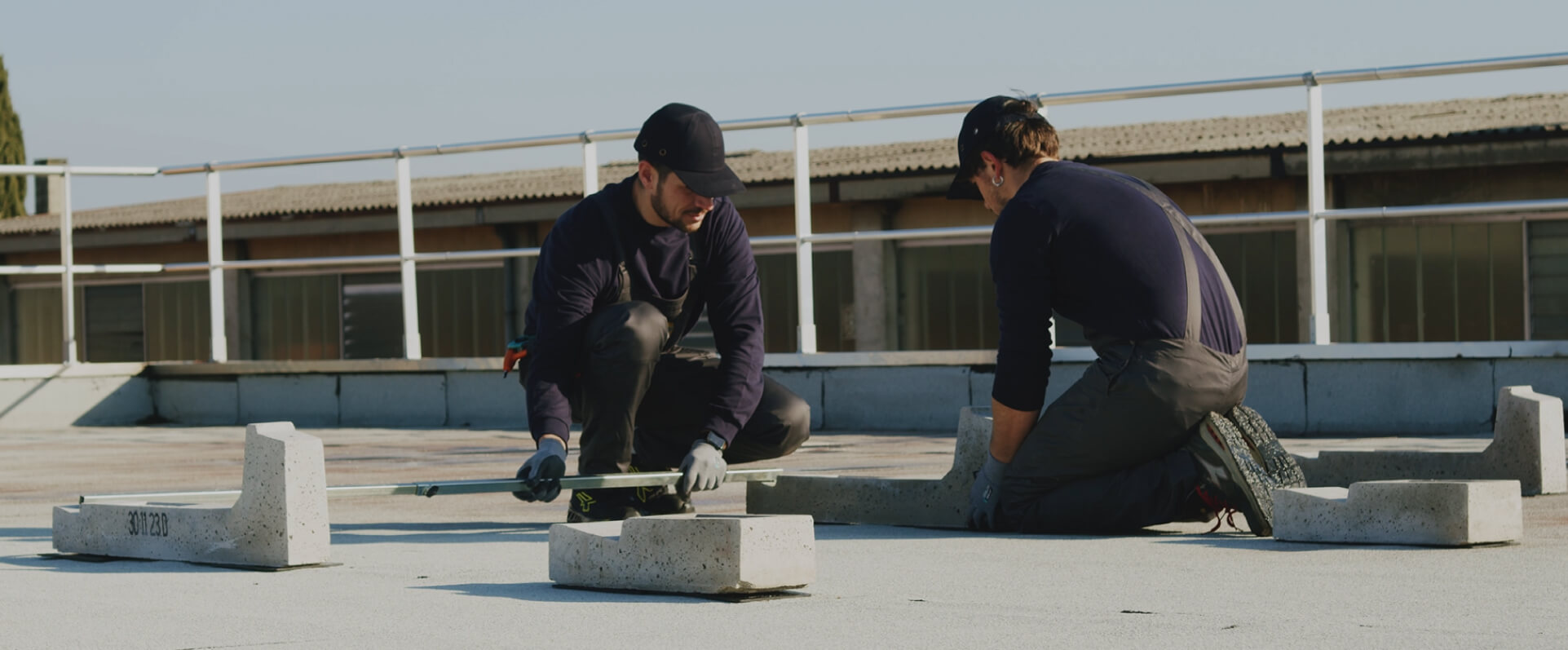
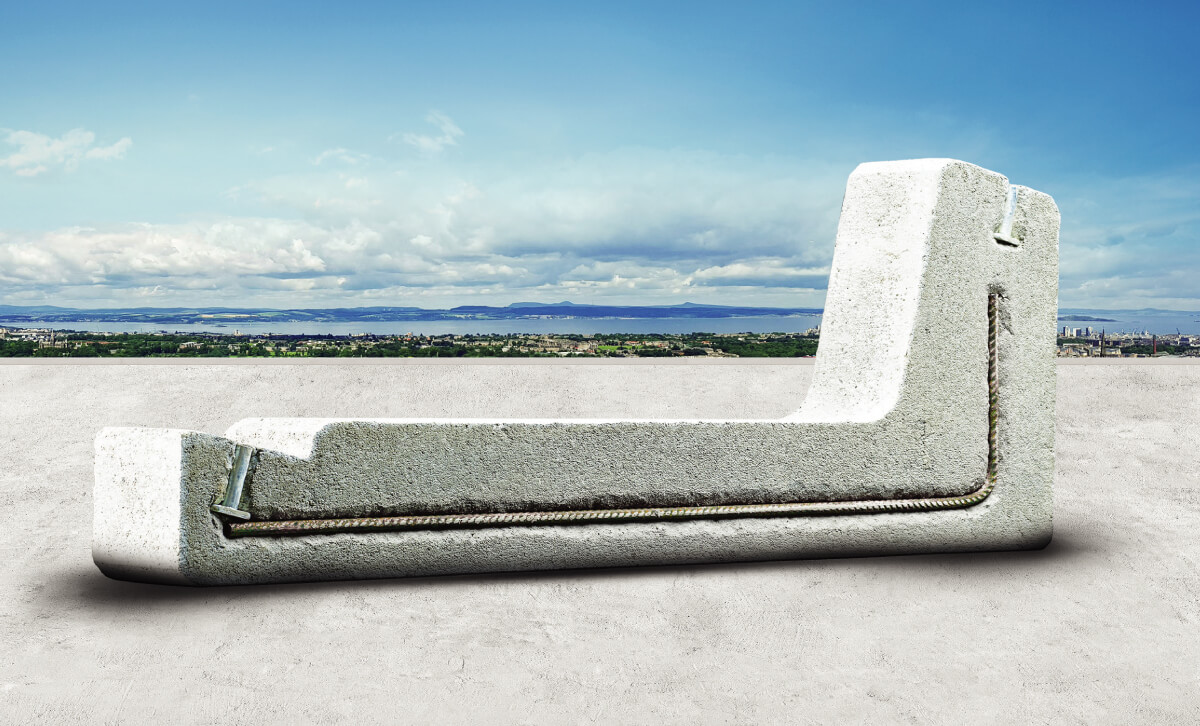
handle and more time spent aligning everything. A ballast-based approach changes the game. By
using concrete weights designed for photovoltaic mounting, panels can be secured without
penetrating the roof membrane, reducing the likelihood of leaks and cutting installation time.
For B2B professionals, that translates into clearer planning, fewer variables, and easier site
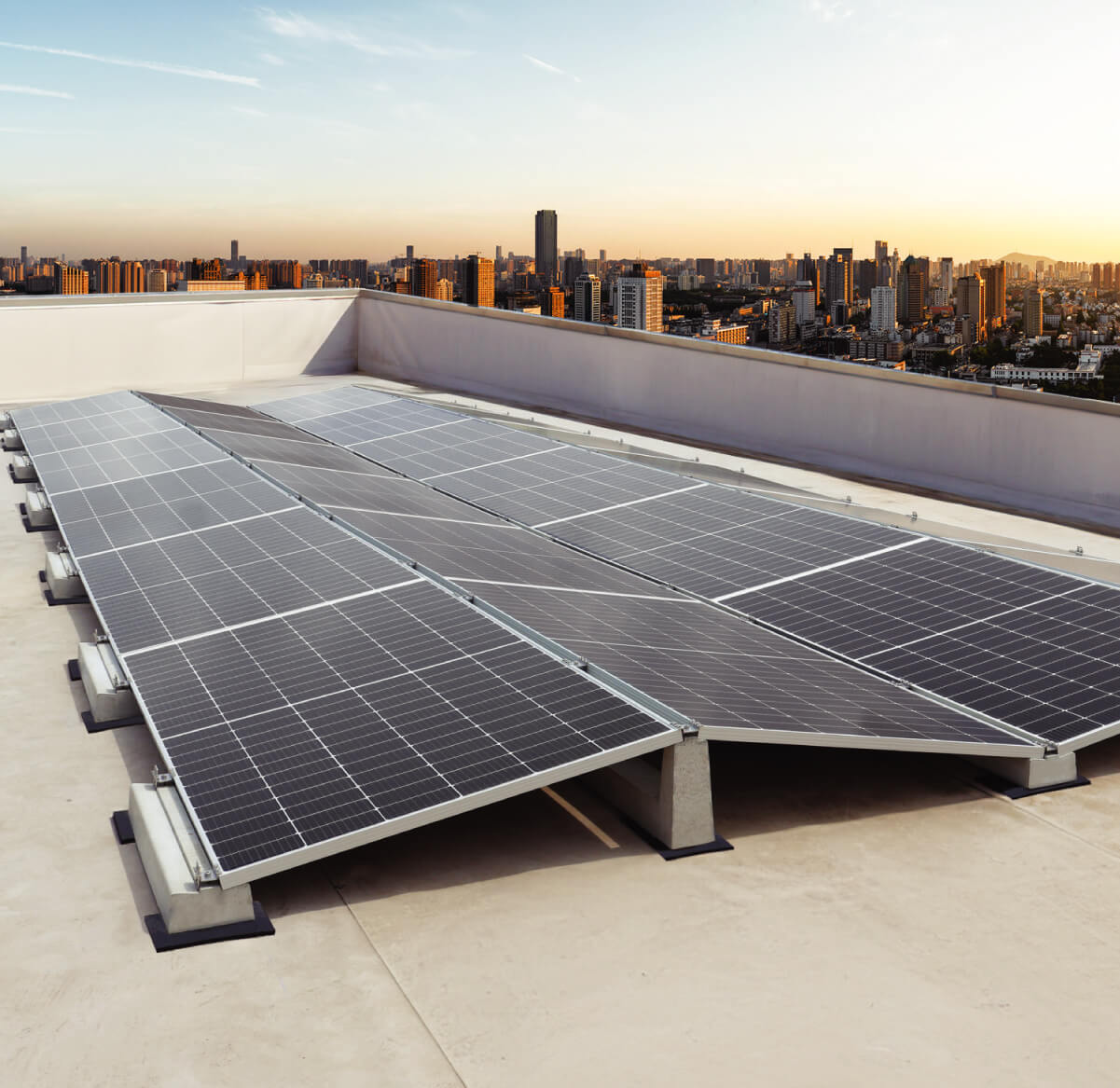
logistics. And it’s not just about speed: well-engineered flat-roof PV mounting must address
wind loads, system geometry, and roof load distribution. That’s why the best lightweight pv
solutions are the ones backed by reliable data, tested configurations, and practical guidance
that installers can trust when deadlines are tight and crews are small.
Faster installs with fewer components and no
roof penetrations
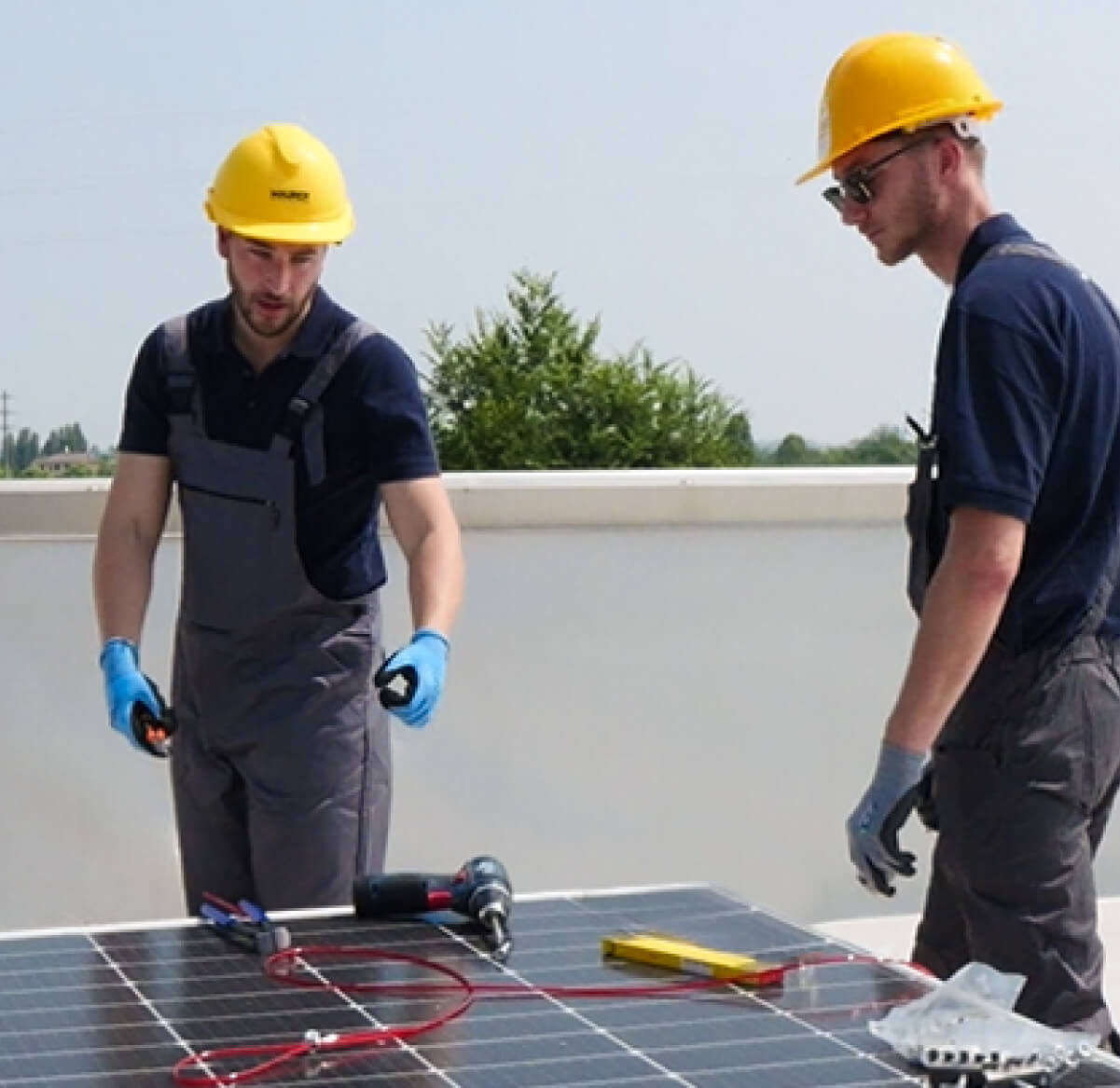
On a busy construction schedule, every extra bracket and fastener
costs money. High-performing lightweight pv solutions are designed to reduce parts count and
simplify assembly, so teams can move from layout to commissioning with minimal friction. A
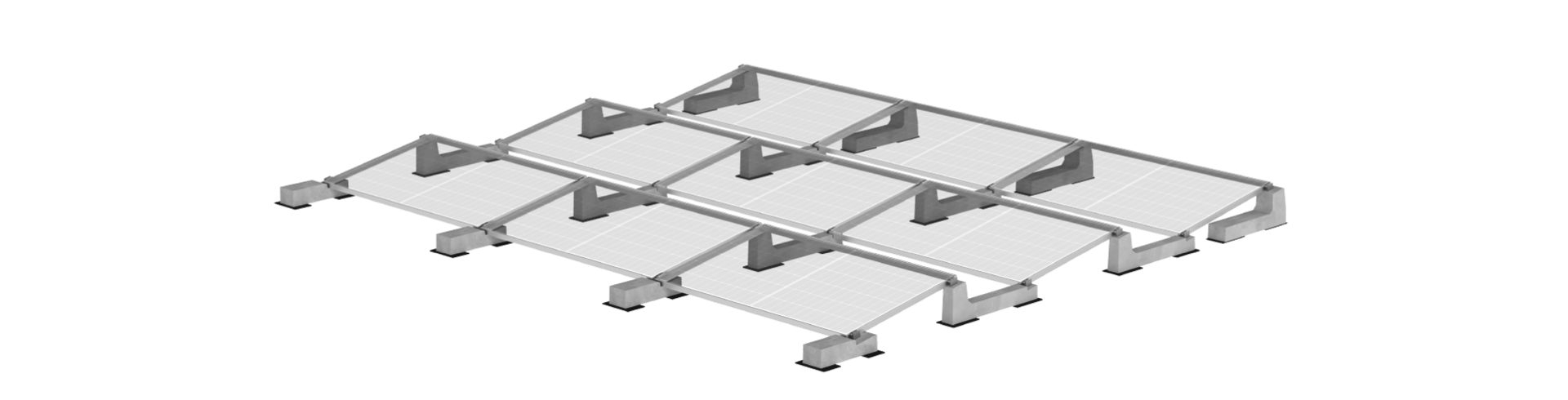
modular ballast system supports common panel orientations on flat roofs and helps keep cable
management and row spacing straightforward. The key benefit is “no-drill” installation: no
penetrations means no additional sealing steps, fewer tools, and less dependency on specialist
waterproofing work. For installers, this is practical: quicker positioning, quicker checks, and
a cleaner handover. For distributors, it’s easier to stock and explain: a recognizable solution
that solves a frequent market pain point—flat-roof PV mounting—without complicating the quote.
And for end customers with warehouses and commercial buildings, the value is obvious: a
photovoltaic system added with less disruption to daily operations.
Technical confidence: sizing, wind checks, and
project support
Engineers and designers in Italy often carry the heaviest
responsibility: ensuring the PV system meets load requirements and performs safely over time.
The strongest lightweight pv solutions don’t stop at the product—they come with technical
support that helps with preliminary design, plant sizing, and configuration choices based on
site conditions. That includes guidance for wind exposure, ballast distribution, and verified
layouts that reduce uncertainty in calculations. When support continues through to execution,
projects become easier to coordinate between the technical office, the installer, and the supply
chain. This partner-style approach lowers risk, speeds approvals, and helps avoid last-minute
changes on site. If your goal is to make flat-roof photovoltaics simpler, safer, and more
efficient, choose lightweight pv solutions built around tested ballast technology,
straightforward installation, and dependable engineering input—so every project can move forward
with confidence.