A smarter way to build flat-roof PV in Italy
In the Italian commercial and industrial solar market, speed and
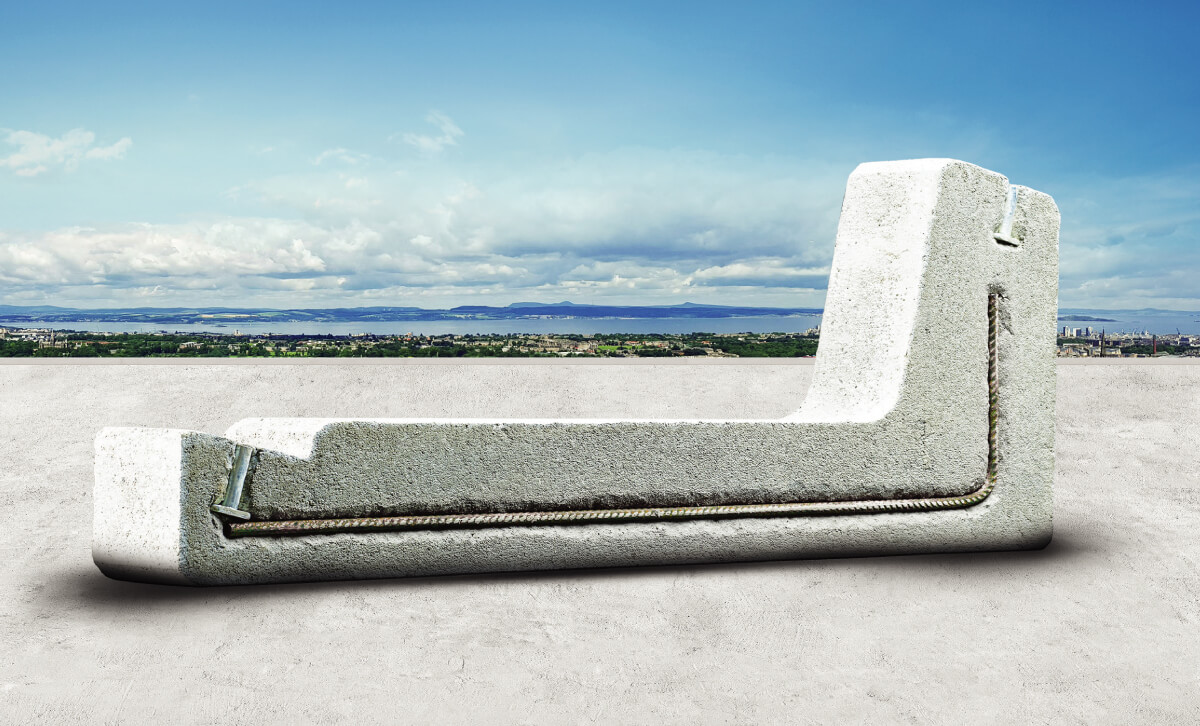
certainty on site matter as much as energy yield. Choosing a light weight pv mounting system can
make the difference between a smooth installation and days lost to complex structures, roof
constraints, and unexpected waterproofing issues. On flat roofs especially, the best approach is
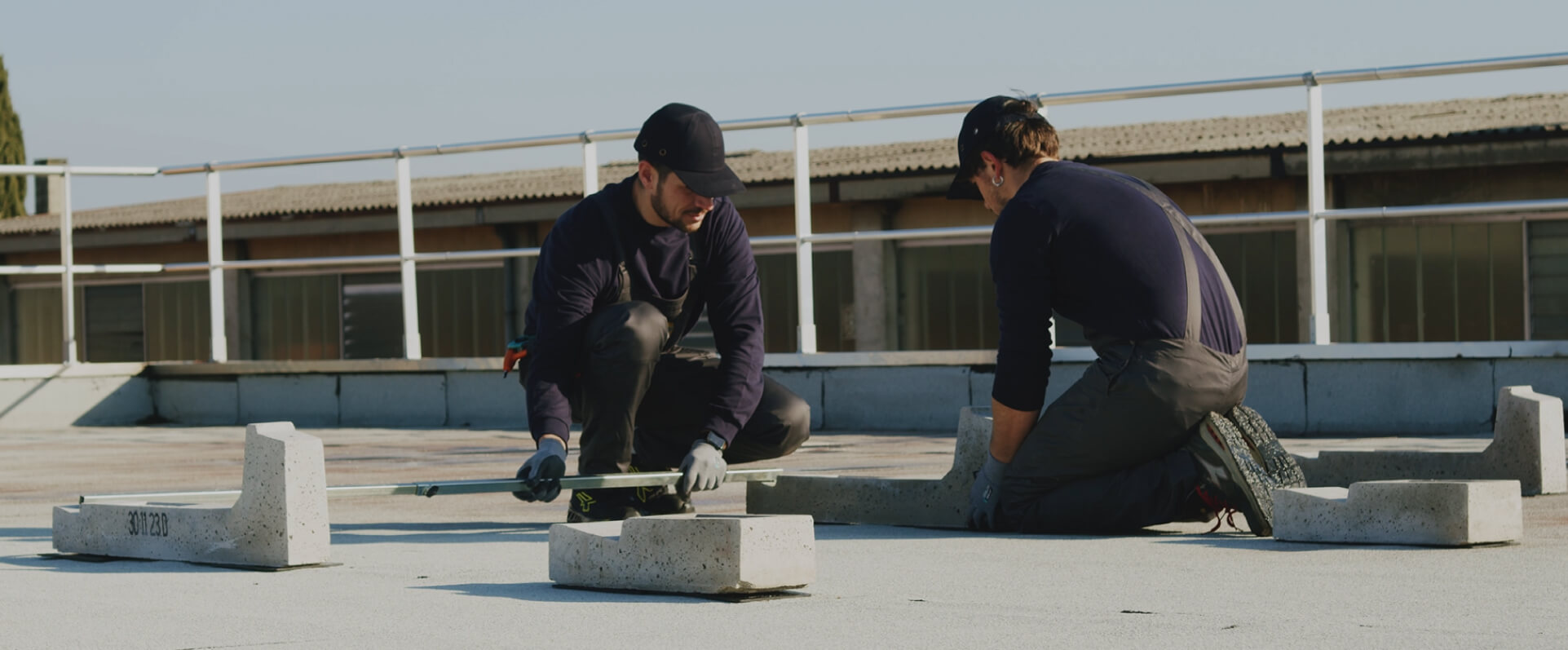
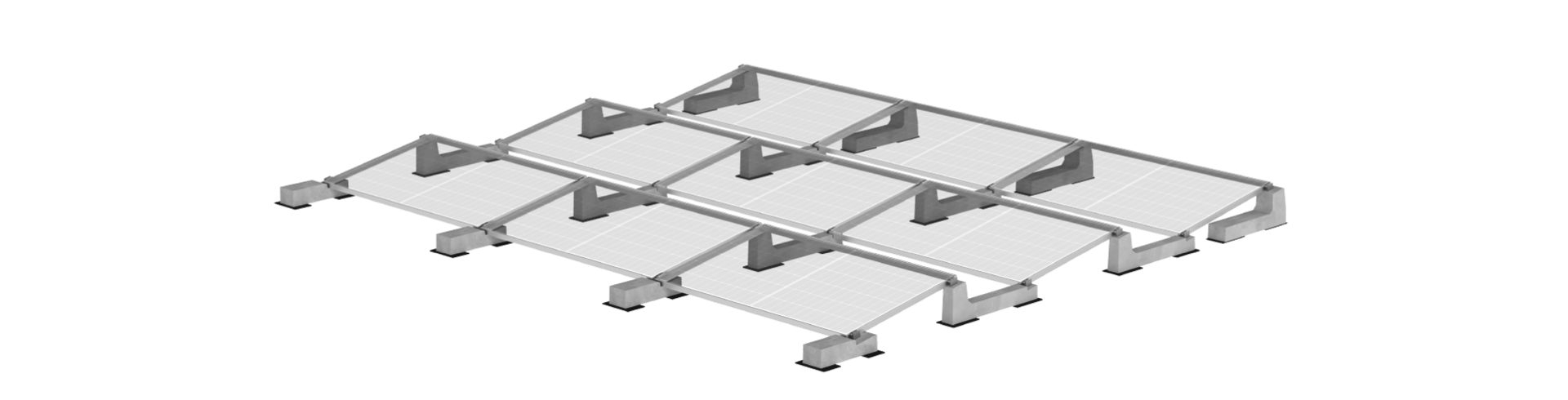
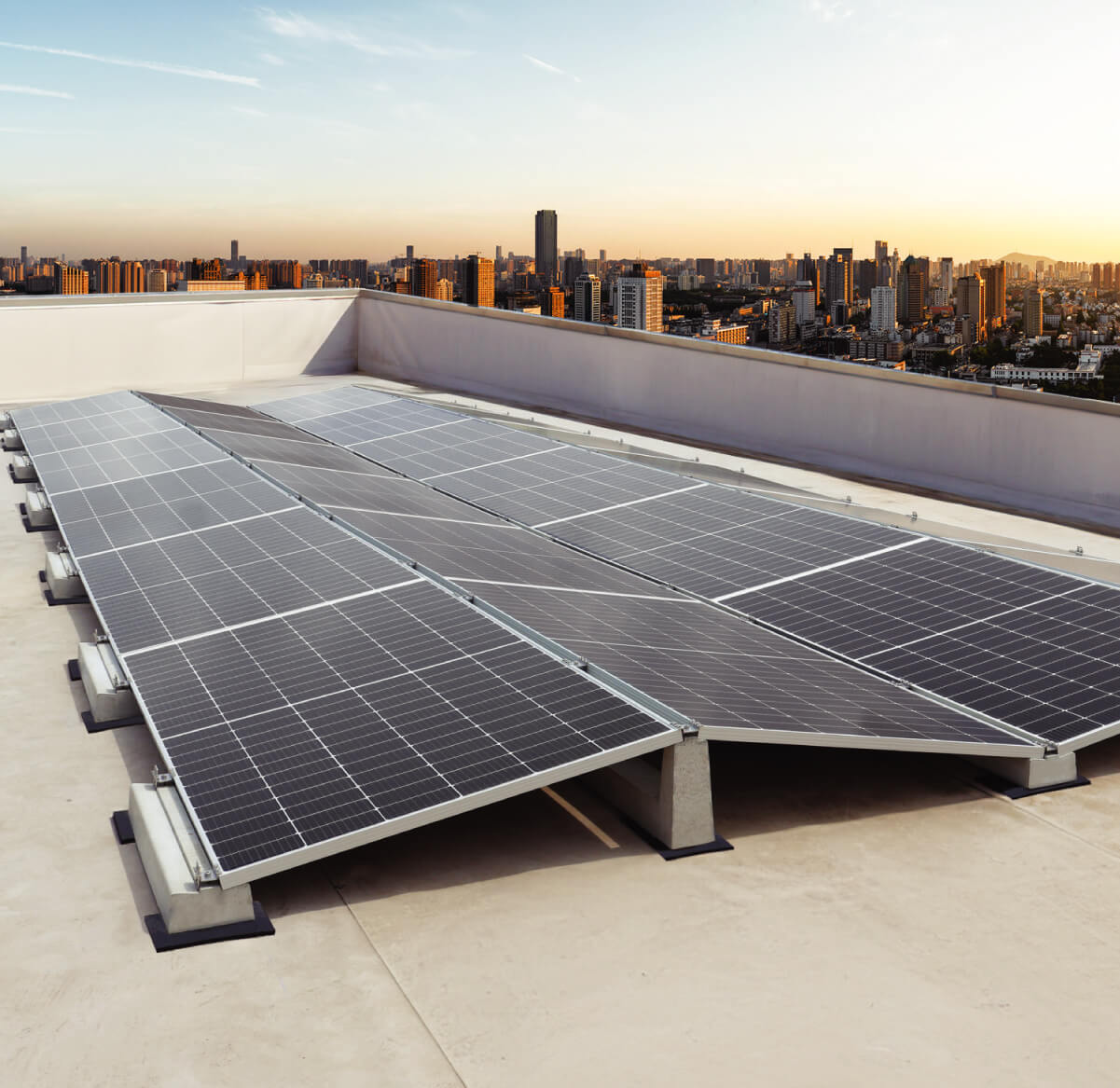
often a ballasted PV mounting solution designed to avoid roof penetrations. That means fewer
risks for the membrane, less coordination with roof contractors, and a cleaner workflow for
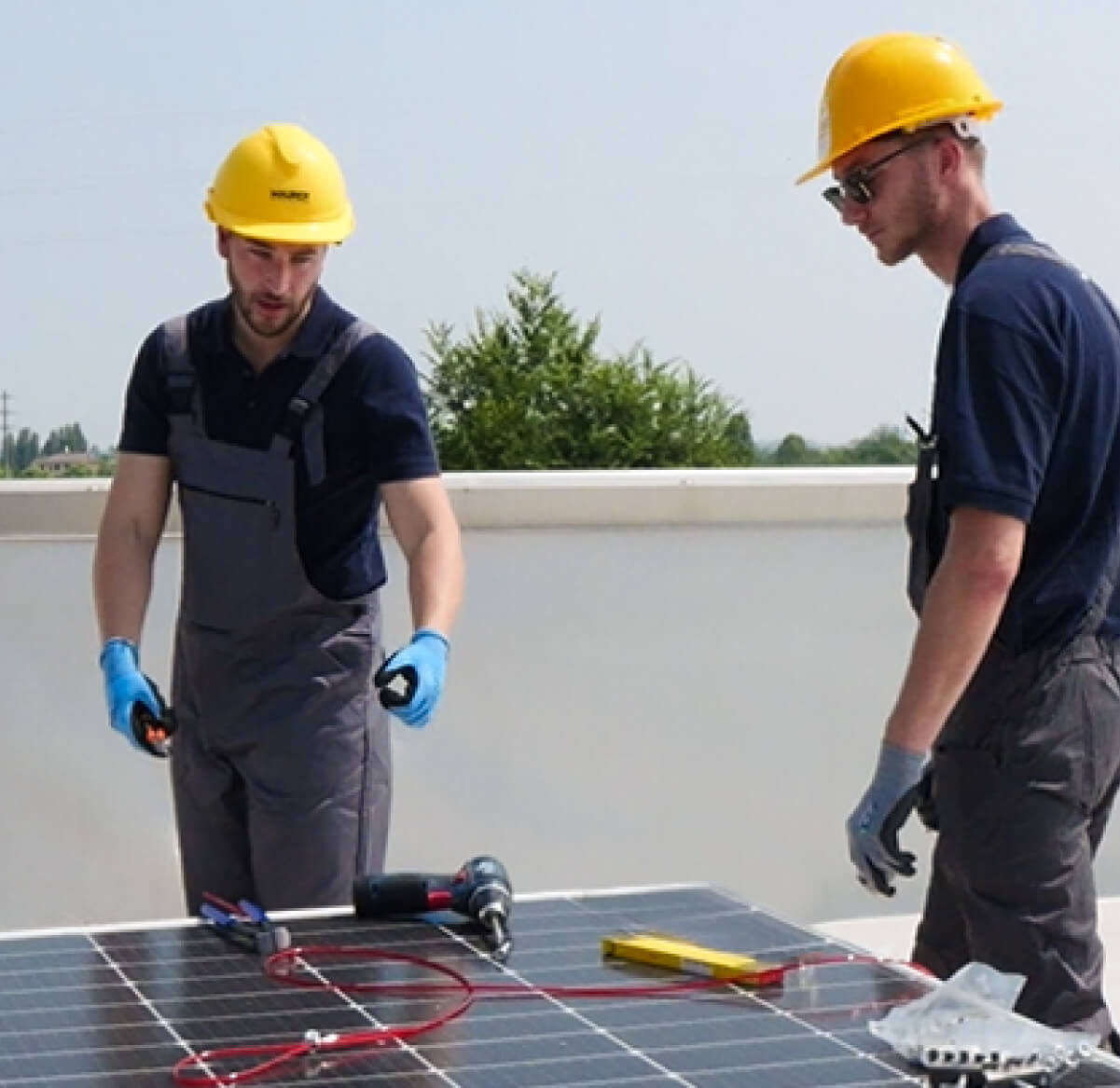
crews. For installers, a lightweight mounting structure with fewer components helps reduce
handling time and keeps logistics simple, even on large rooftops. For designers and engineers,
the real value is predictability: tested configurations, clear load paths, and reliable data for
wind and roof load calculations. When the system is purpose-built for flat roof solar mounting,
you gain practical advantages: quick layout, repeatable assembly, and easy integration with
different module sizes and orientations. In short, a light weight pv mounting system is not only
about kilograms—it is about minimizing complexity and maximizing control from design to
commissioning. If your goal is to deliver more projects per month without sacrificing safety, it
is the kind of choice that pays back immediately.
Why no-drill, ballasted mounting reduces risk
and time
Every penetration on a roof adds responsibility. A no-drill PV
mounting system based on concrete ballast helps eliminate one of the most common causes of
delays: approvals, waterproofing checks, and the fear of future leaks. For flat roof
installations in Italy, ballasted solar racking is a proven method to keep the roof intact while
still meeting structural requirements. It also streamlines the jobsite process: fewer anchors,
fewer tools, and fewer steps. That directly supports what installers want most—fast installation
and less troubleshooting. A well-designed light weight pv mounting system can be engineered to
optimize distribution of loads, improve stability, and support wind uplift requirements using
validated solutions. This is where technical support becomes crucial: accurate project sizing,
clear documentation, and guidance through the design phase reduce the burden on engineering
teams and lower project risk. For distributors, systems that are easy to explain and easy to
stock—standardized components, clear use-cases, and consistent demand—are naturally easier to
sell. The result is a solution that serves the entire B2B chain: simpler procurement, safer
design choices, and faster rooftop execution.
What to look for in a professional flat-roof
mounting solution
Not all solar mounting is the same, and a “light weight” claim
alone is not enough. For professional flat-roof PV in Italy, look for a light weight pv mounting
system that combines speed, durability, and engineering reliability. Key criteria include:
configurations tested for wind loads, clear installation instructions, compatibility with common
PV modules, and a design that minimizes parts while keeping alignment precise. A concrete
ballasted system should also support practical site realities—irregular roof surfaces, parapets,
and the need for clean cable management. Just as important is the service layer behind the
product: technical consulting during design, project optimization, and commercial assistance
that helps you move from concept to execution without friction. When you can rely on verified
solutions and responsive support, you reduce uncertainty for the engineer, shorten installation
time for the crew, and deliver a more bankable result for the client. If you are evaluating
options for your next flat-roof project, prioritize a no-penetration, ballasted approach
designed specifically to simplify installation and reduce operational complexity—because the
easiest systems to install are usually the easiest to scale.