Innovative solar roof attachments: faster,
safer PV on flat roofs
Choosing innovative solar roof attachments is no longer just a
detail—it’s a decisive factor for speed, safety, and long-term performance on flat roofs across
Italy. Installers and designers face the same recurring issues: complex structures, too many
components, uncertain roof waterproofing, and tight project timelines. A non-penetrating
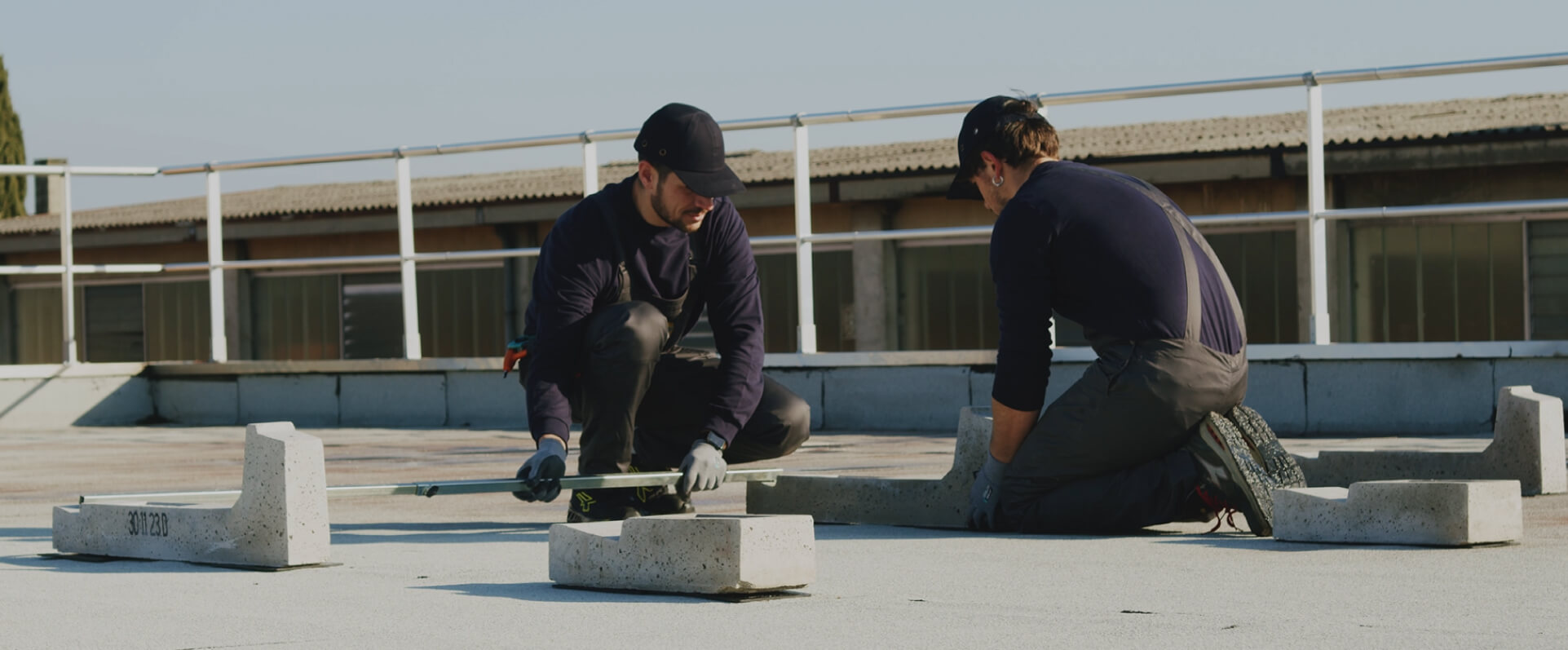
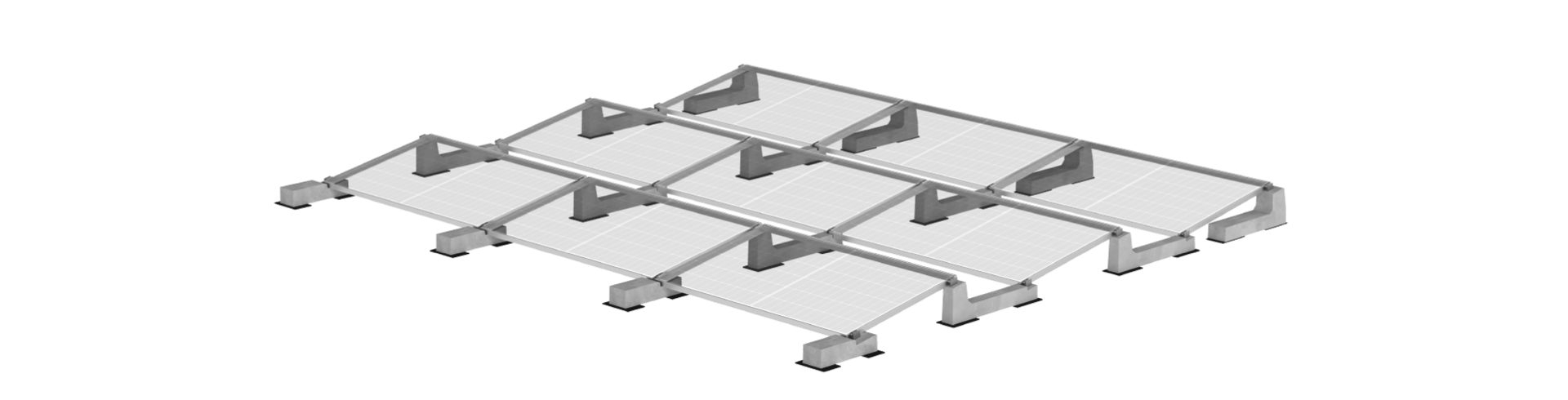
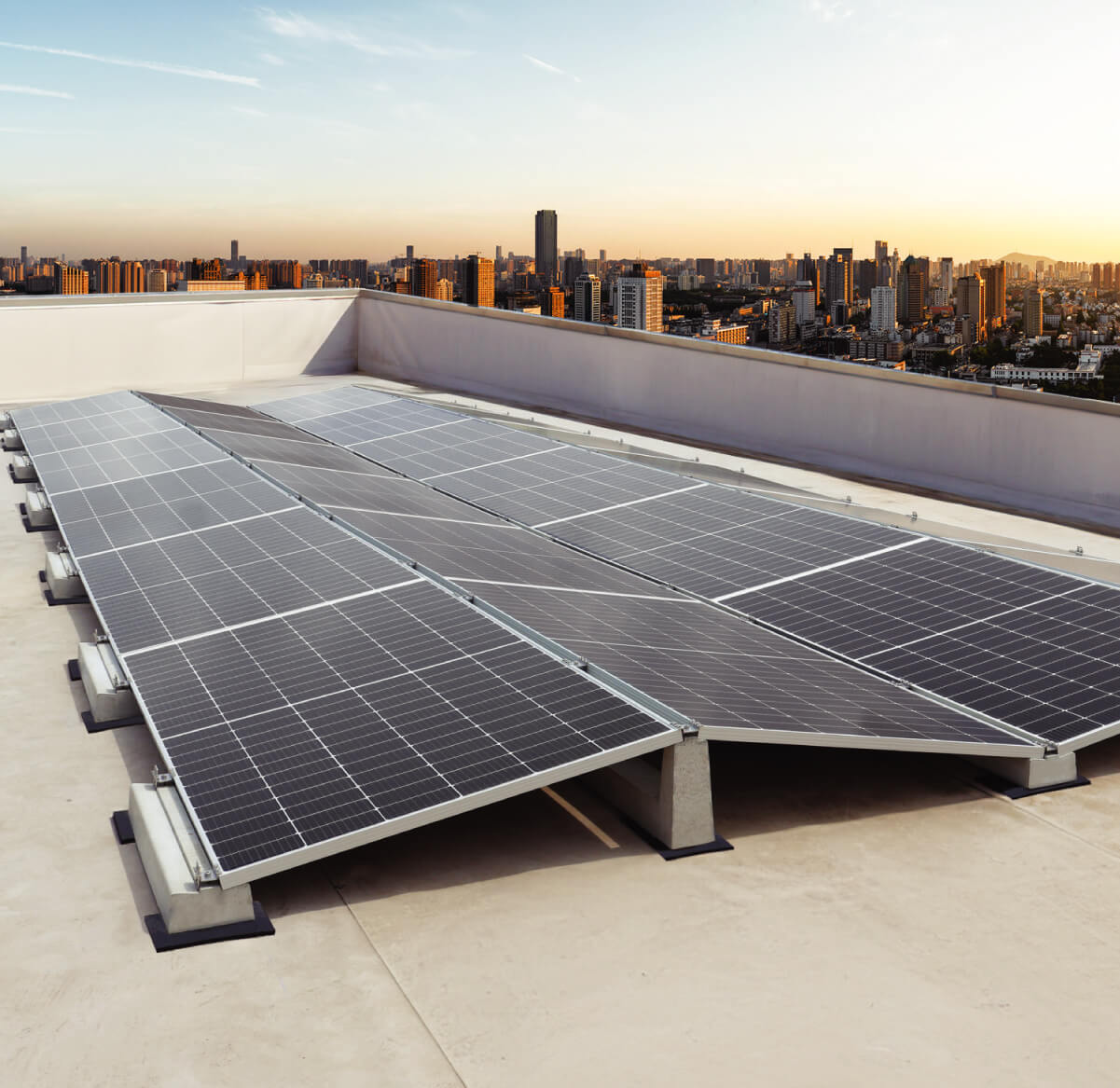
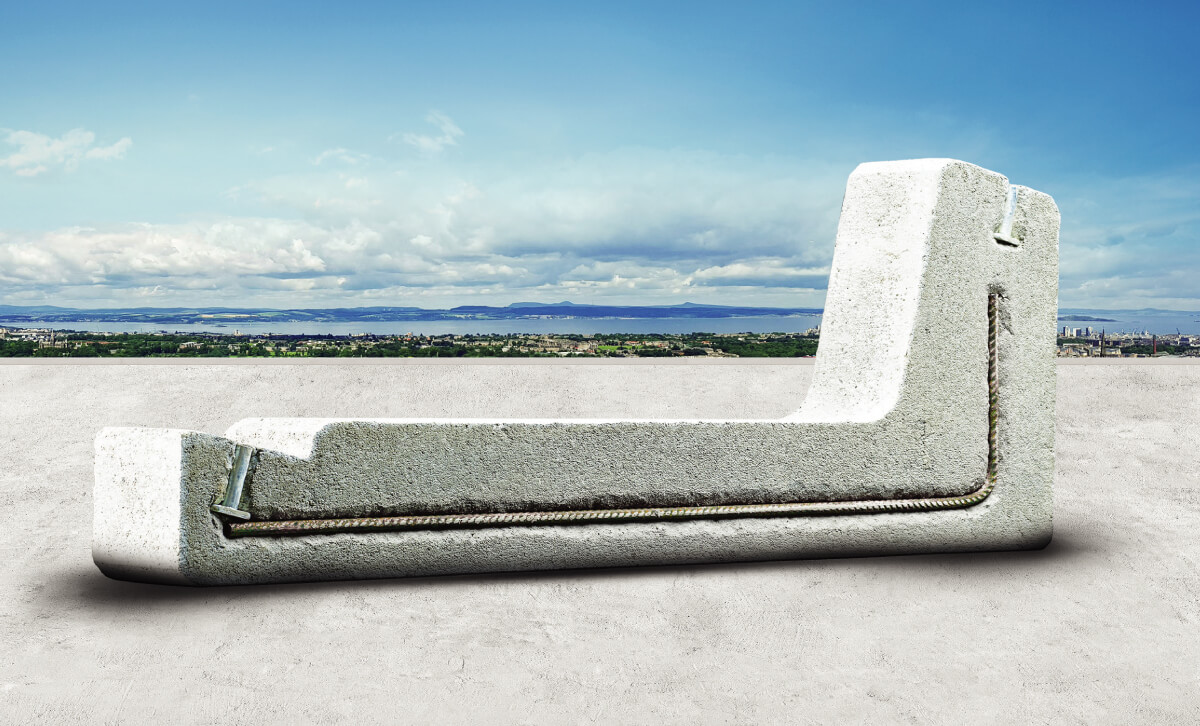
approach changes the game. By using concrete ballast supports designed specifically for
photovoltaic arrays, panels can be installed without drilling the roof membrane, reducing
leakage risk and eliminating many on-site complications. The result is a cleaner workflow: fewer
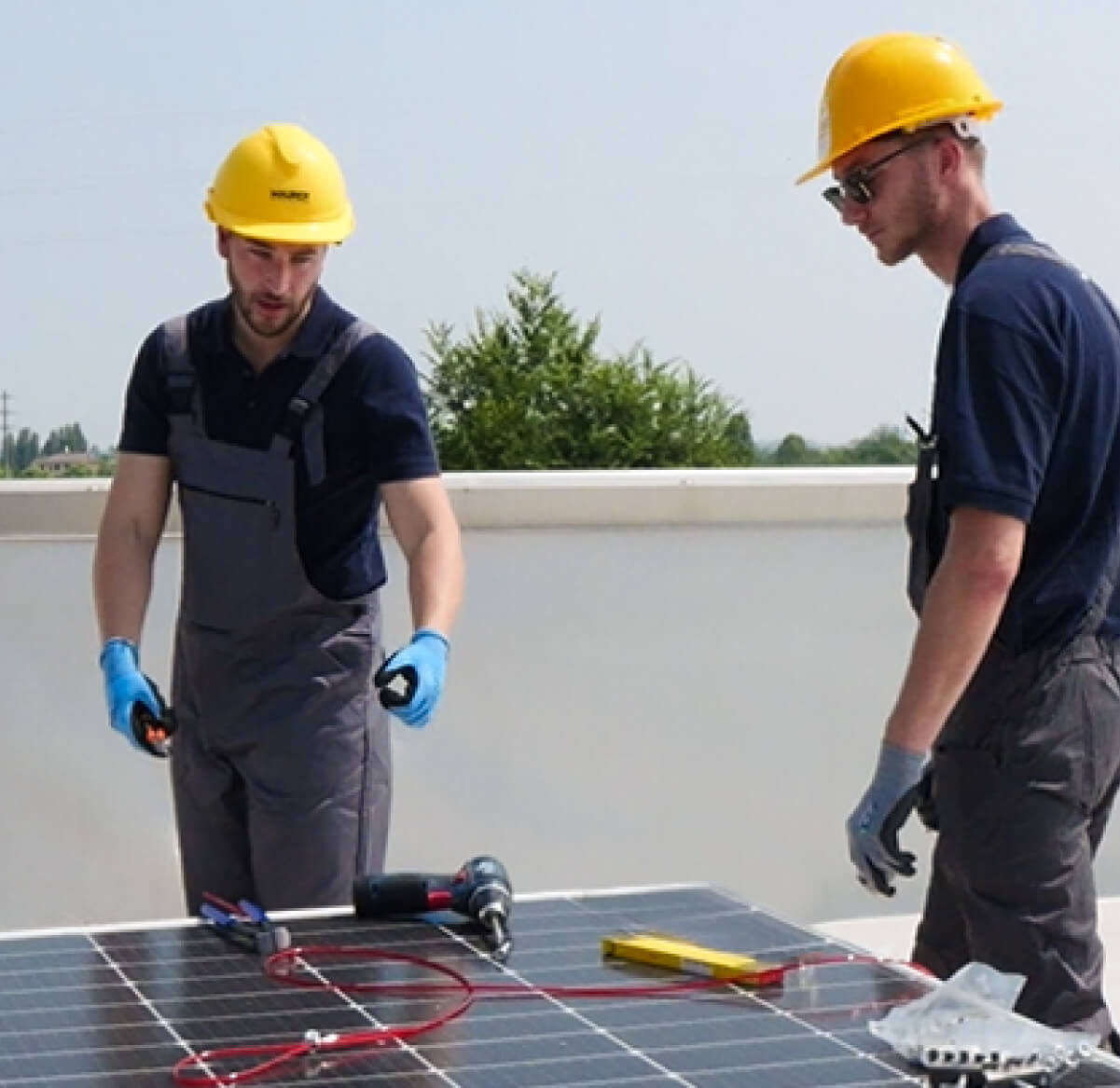
parts to handle, fewer tools needed, and a more predictable installation sequence. For crews,
that means quicker mounting and fewer surprises on the roof. For technical offices, it means a
solution that can be sized with reliable data for loads, wind exposure, and layout optimization.
And for distributors, it’s a product category that’s easy to explain and consistently requested.
If your goal is to deliver flat-roof solar that’s efficient and repeatable, innovative solar
roof attachments built around ballast-based fixing offer a practical route to better project
outcomes—without compromising roof integrity.
Designed for professionals: engineering
support and reliable sizing
For engineering firms and technical designers, the real value of
innovative solar roof attachments lies in predictability. Flat-roof PV must account for wind
loads, ballast weight distribution, and the constraints of each roof surface. A well-developed
ballast system supports accurate dimensioning and clearer documentation for permitting and
project responsibility. Just as important, professional support during the design phase helps
reduce calculation time and de-risk decisions. Instead of improvising with generic mounting, you
can work with a roof-specific solution that has been tested and optimized for flat roofs,
improving confidence in structural checks and site planning. This also streamlines collaboration
between designers and installers: the layout is clearer, the bill of materials is tighter, and
on-site changes are minimized.
Why non-penetrating ballast systems win on
Italian flat roofs
On many Italian commercial buildings, flat roofs demand speed and
care: waterproofing must stay intact, access can be limited, and downtime is costly. Innovative
solar roof attachments that rely on concrete ballast blocks provide stability without roof
perforations, helping teams avoid common installation risks. With fewer components and an
intuitive setup, installers can reduce labor hours while maintaining a solid, durable support
for PV modules. For B2B projects, this translates into smoother execution, easier logistics, and
a more scalable method for repeating successful installations across multiple sites.