Installation Photovoltaic on Flat Roofs: Speed
Without Roof Penetrations
For many Italian installers and designers, the real challenge in
an installation photovoltaic project on flat roofs is not the module itself—it’s the mounting
strategy. Traditional fixing methods can mean drilling the waterproof membrane, adding extra
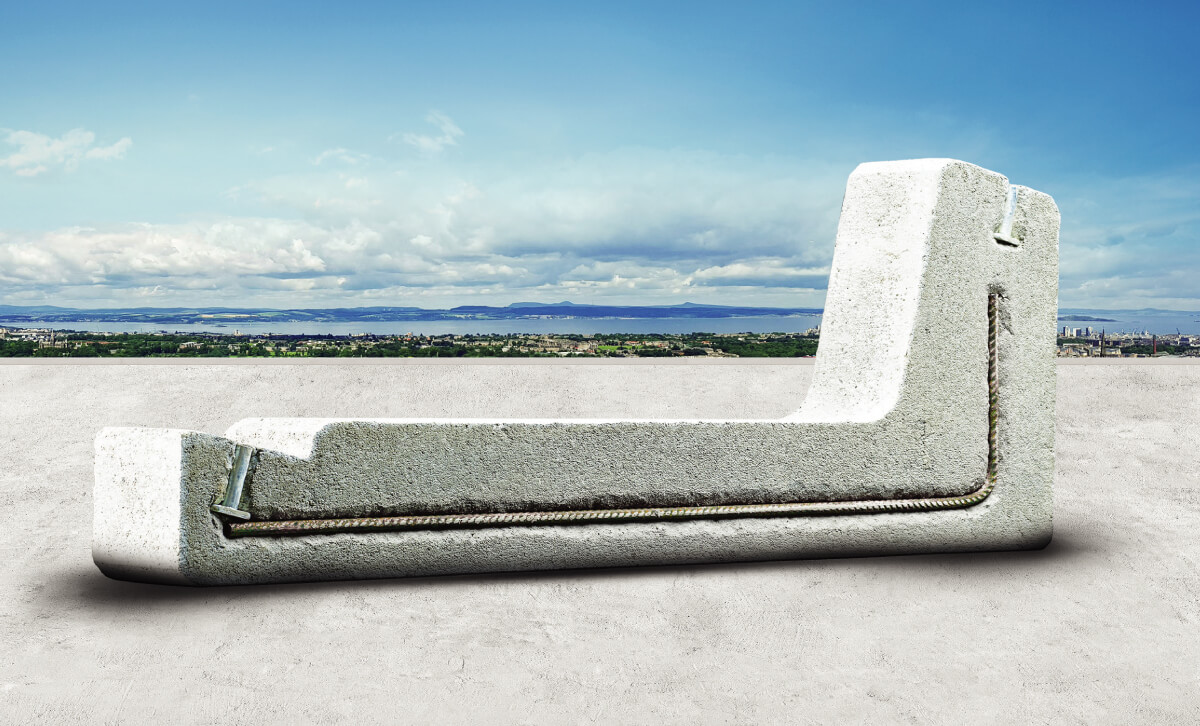
hardware, extending on-site time, and increasing the risk of leaks. A ballasted photovoltaic
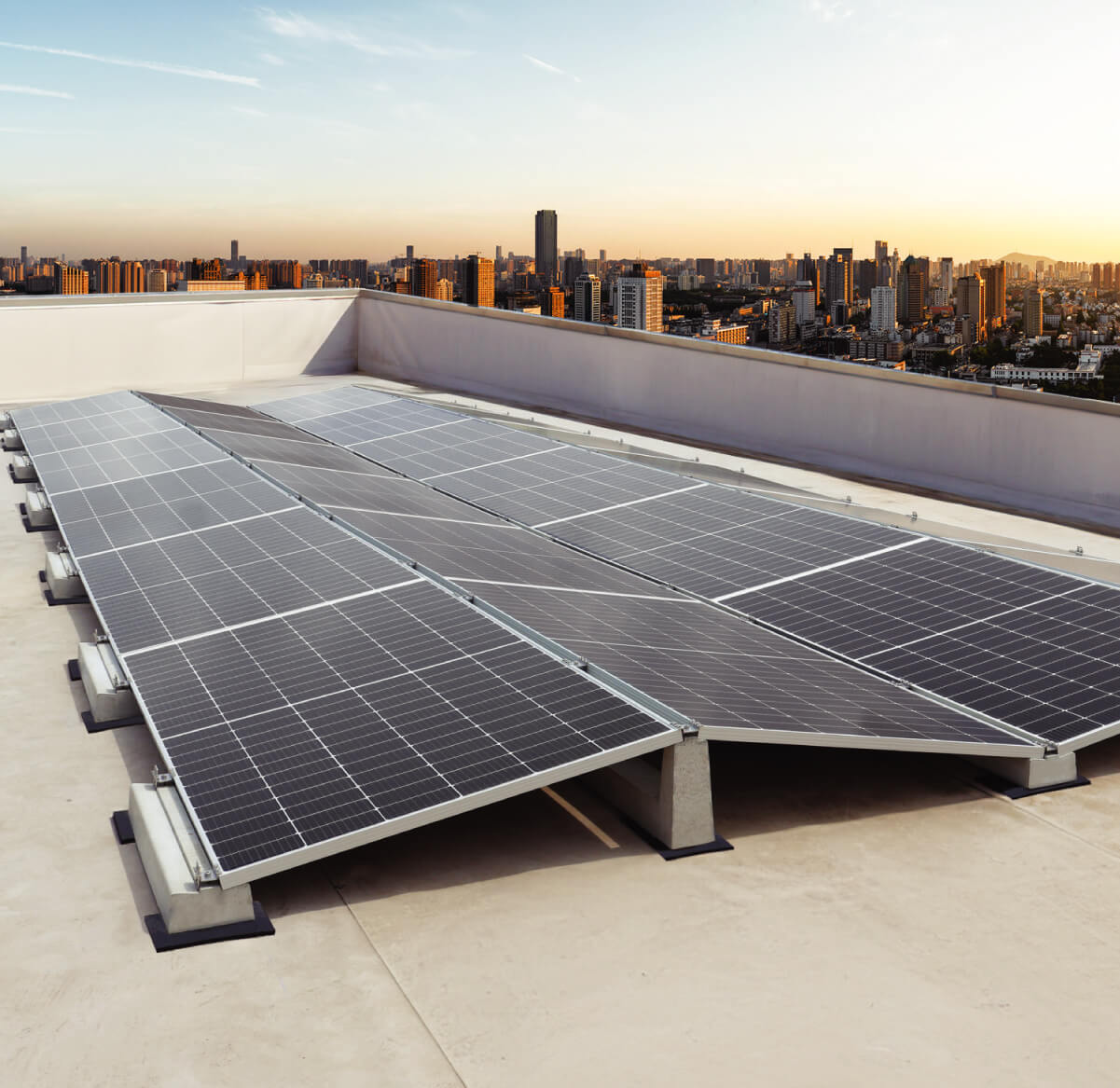
mounting system changes the game by keeping the roof intact while delivering a stable, durable
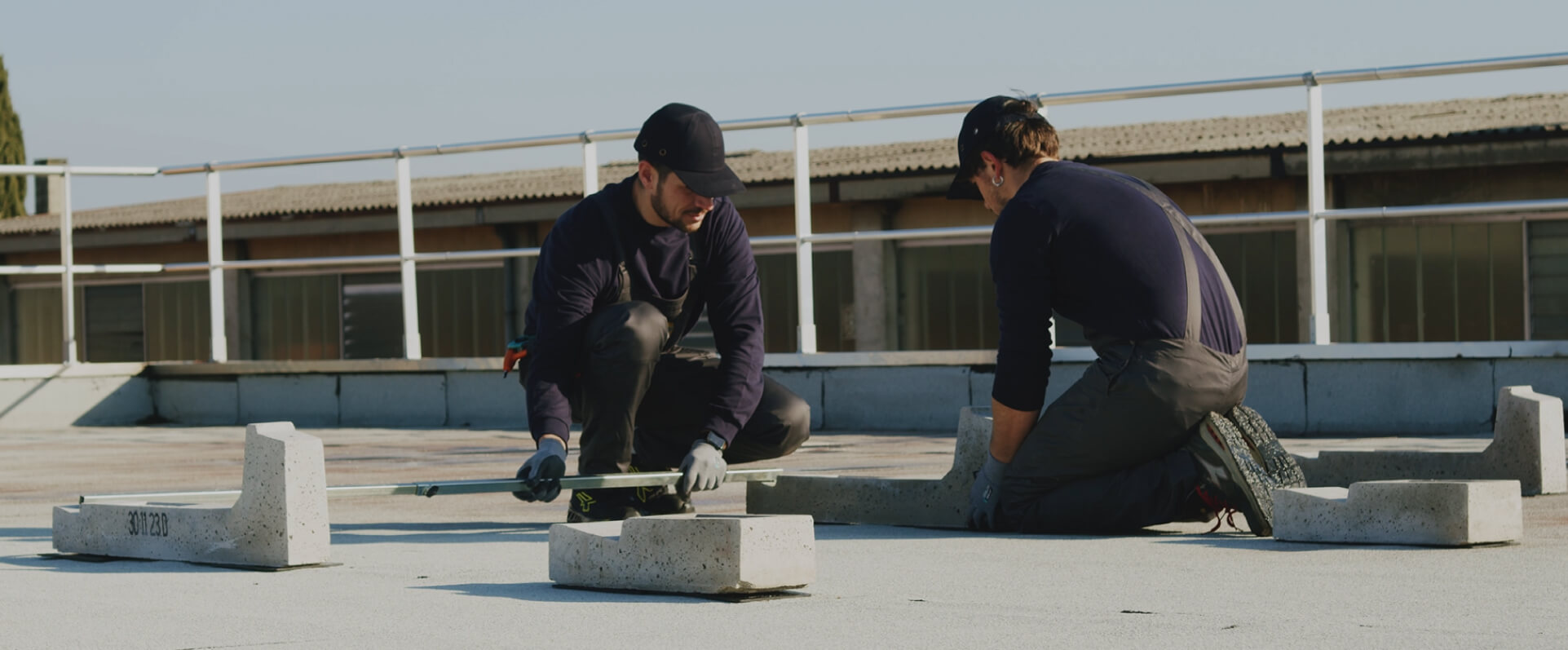
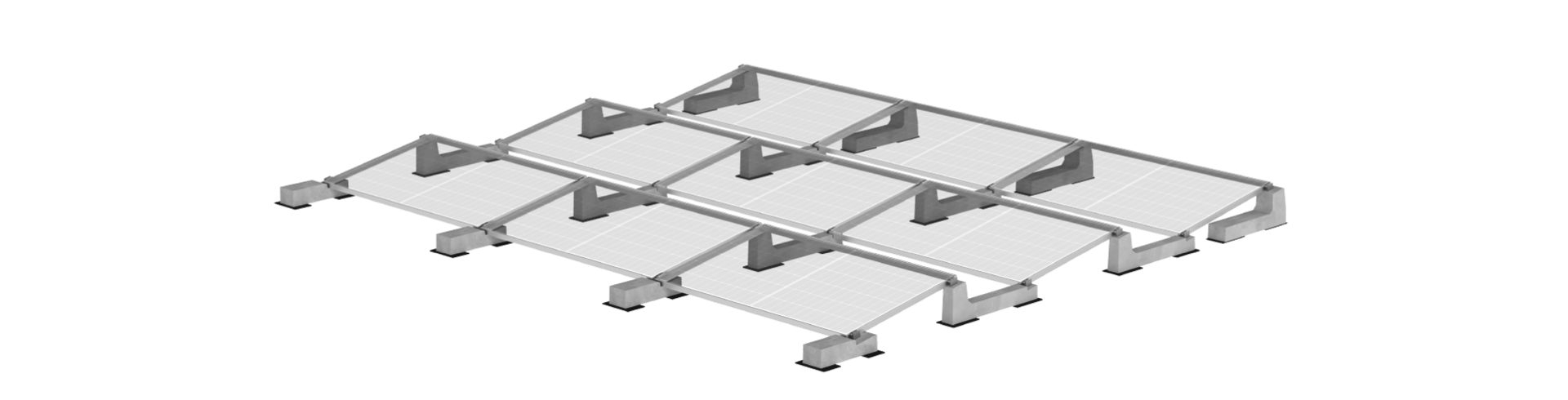
structure. Concrete ballast solutions are engineered to hold PV panels in place using weight and
optimized geometry, reducing the number of parts and simplifying the workflow. That means
quicker rooftop logistics, easier alignment, and fewer surprises during commissioning. For
installers, this translates into faster installation, smoother scheduling, and more predictable
labor costs. For engineers and technical offices, it means a system designed around wind load,
roof load distribution, and reliable calculations—critical for compliance and long-term
performance. When you choose a solution built specifically for flat roofs, you also gain
flexibility: different tilt angles, orientations, and configurations to optimize yield while
respecting structural constraints. In a B2B market where margins depend on efficiency, a
no-penetration approach helps you deliver quality and speed at the same time. If your goal is to
complete more projects with less complexity, focusing on the right support structure is one of
the smartest upgrades you can make.
Technical Support and Sizing: Reduce Risk,
Increase Confidence
Every installation photovoltaic job involves responsibilities:
verifying loads, assessing wind exposure, and ensuring the PV mounting system matches the roof’s
characteristics. That’s why technical support in the design phase matters as much as the
product. With an engineered ballasted system, professionals can access dependable data for
system sizing, including guidance on layout, ballast distribution, and installation details.
This reduces design uncertainty and supports safer decision-making—especially on large
commercial rooftops where variables multiply. A complete solution approach typically includes
pre-installation consultation, documentation, and project development up to execution, helping
installers coordinate faster and helping engineers defend their calculations with tested,
repeatable configurations. The result is a smoother approval process, fewer on-site changes, and
reduced project risk.
Why Installers Prefer Ballasted Systems for
Flat-Roof PV
Installers in Italy prioritize three things: speed, reliability,
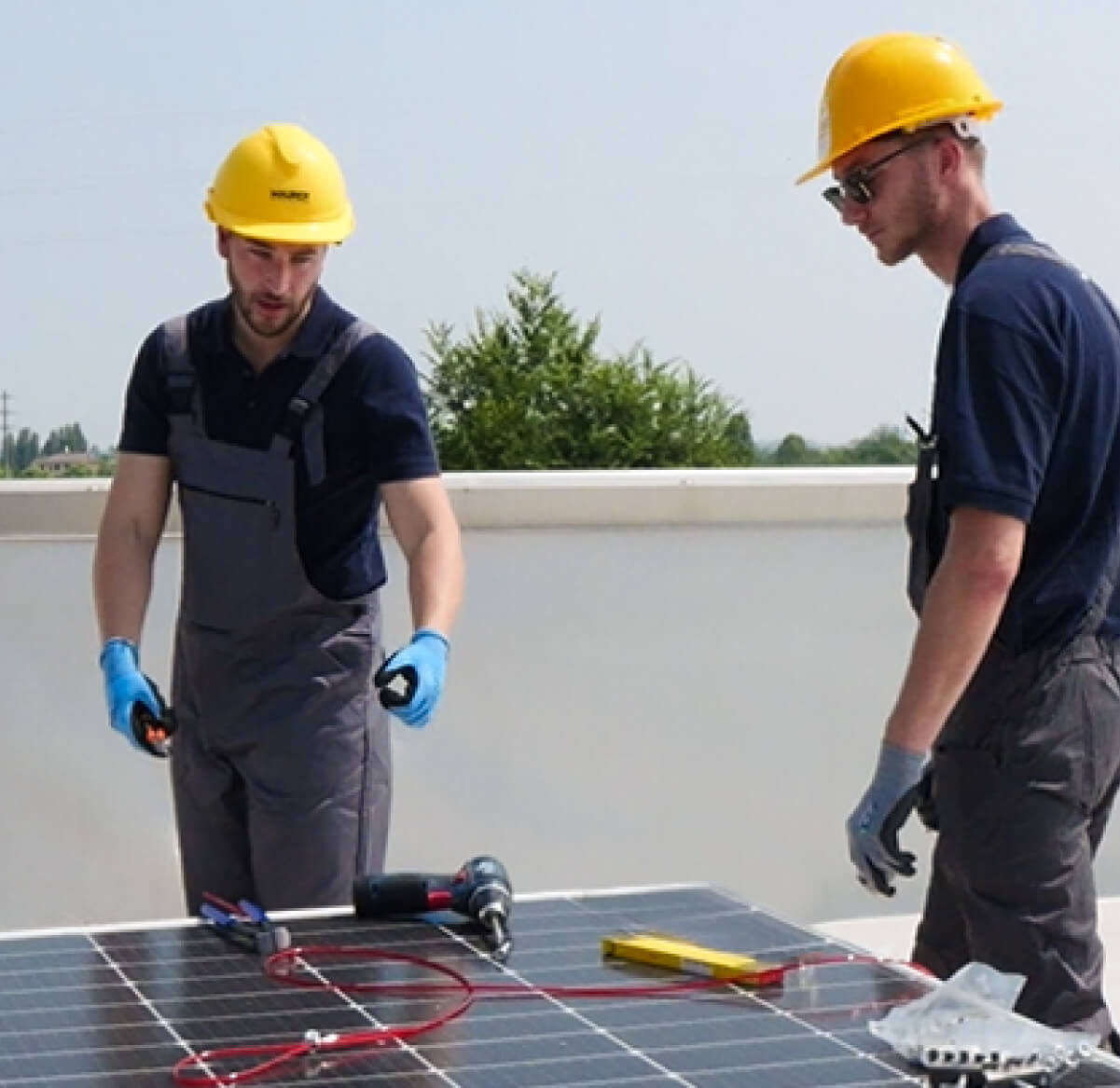
and simplicity. A ballasted mounting approach supports all three by minimizing components,
avoiding roof drilling, and enabling rapid, intuitive assembly. Fewer parts mean fewer errors
and quicker training for crews. No roof penetrations mean fewer waterproofing concerns and less
time spent on remediation. Solid, tested concrete supports provide long-term durability and
predictable performance in demanding conditions. For distributors, these systems are also easier
to position: a recognizable solution with steady demand, backed by technical know-how. If you
want your next installation photovoltaic project to run faster and cleaner on a flat roof,
adopting a purpose-built ballasted support strategy is a practical, high-impact choice.