A Smarter Way to Build Flat-Roof PV in Italy
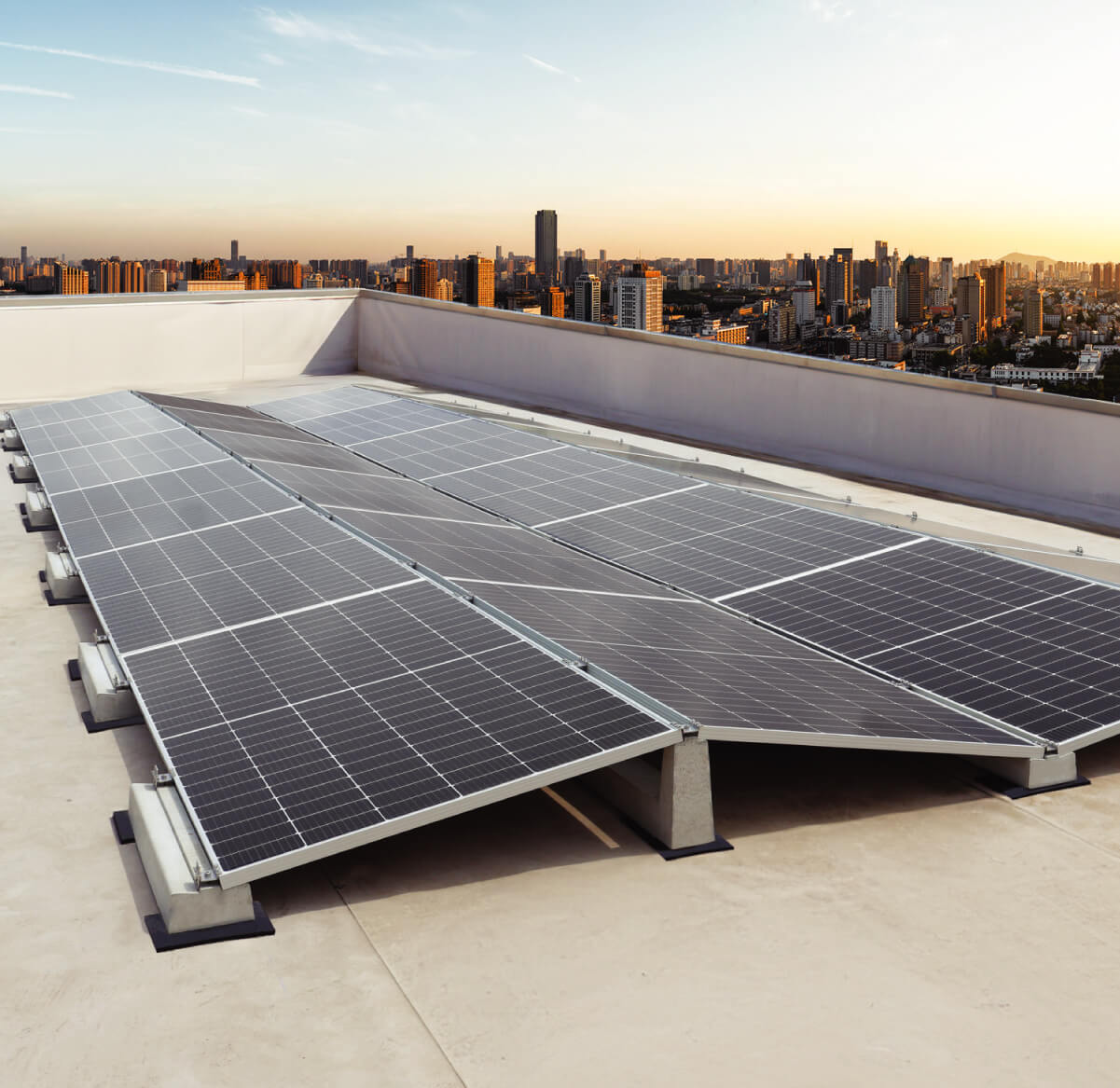
In Italy’s booming PV market, flat roofs are a huge
opportunity—until mounting hardware slows the job down. An innovative solar mounting system
changes the game by simplifying design choices and cutting site time. Instead of relying on roof
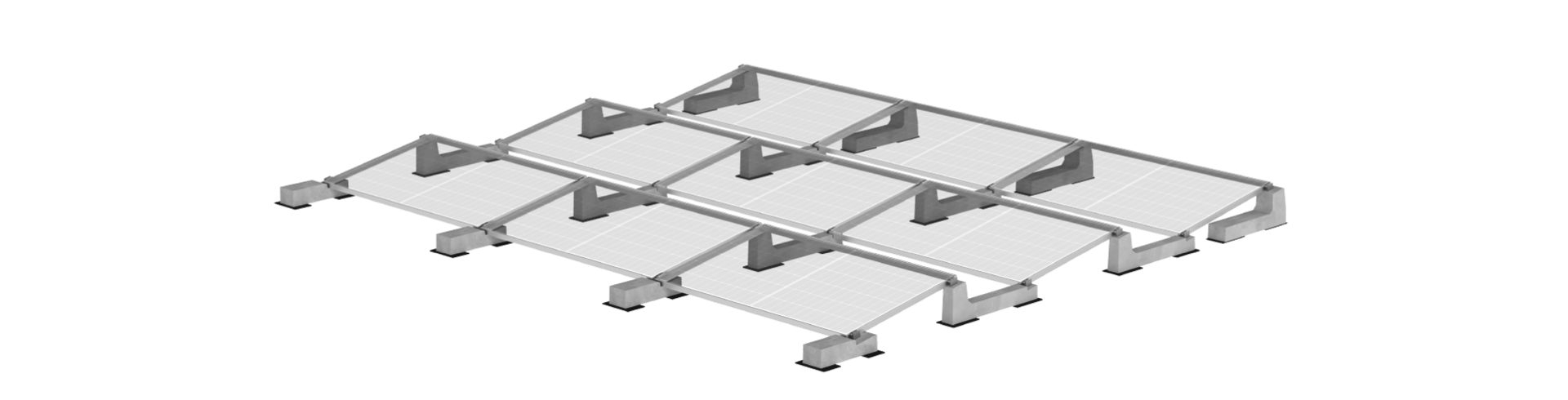
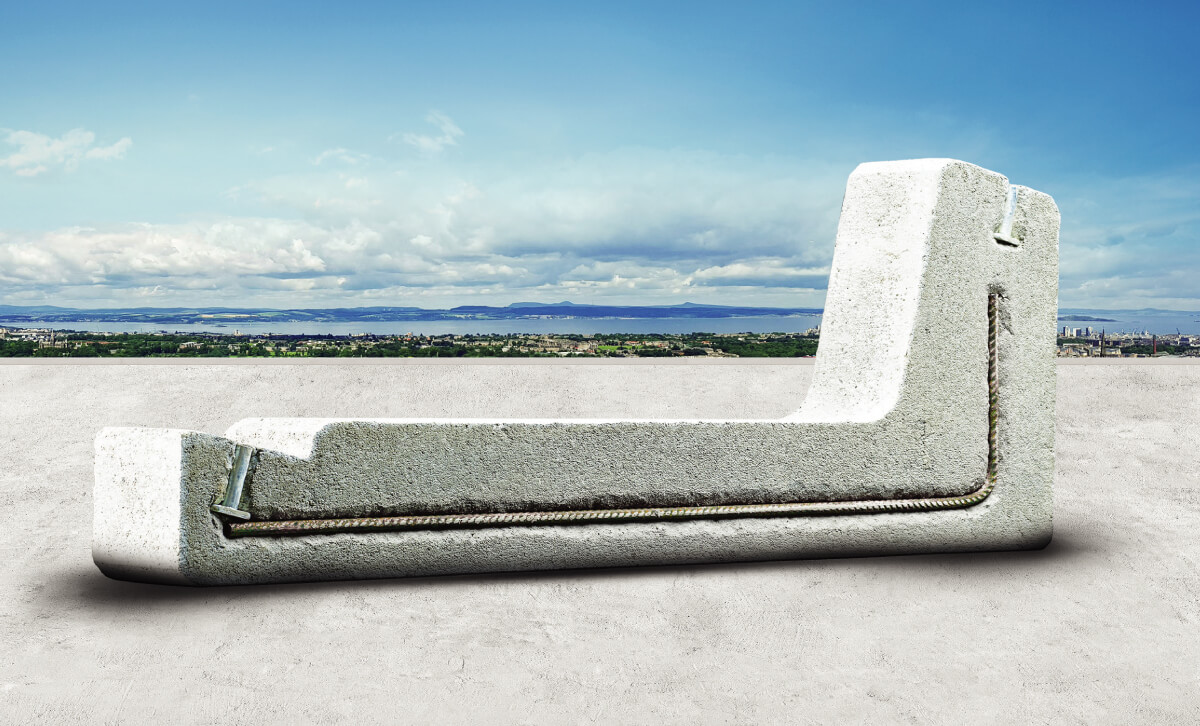
penetrations, it uses pre-engineered, ballast-based supports designed to keep modules stable
without drilling the waterproof layer. For installers, that means fewer components to manage,
fewer surprises on the roof, and cleaner logistics from pallet to final row. For designers and
engineers, it means a solution built around predictable load distribution, reliable wind-uplift
behavior, and straightforward configuration options for different module layouts. The result is
a PV mounting approach that feels practical in the real world: faster crews, less rework, and a
reduced risk of leaks. In a country where many commercial and industrial buildings rely on flat
membranes, avoiding roof perforations is not just a convenience—it’s a major risk-reduction
strategy. By choosing an innovative solar mounting system tailored to flat roofs, professionals
can deliver projects that are easier to approve, simpler to install, and more reassuring for end
clients. It’s the kind of upgrade that improves every phase of the job: planning, procurement,
installation, and long-term operation.
Why Installers Prefer Ballasted,
No-Penetration Mounting
Installers don’t want complexity—they want a system that goes down
fast and performs for decades. A ballasted innovative solar mounting system supports that goal
with an intuitive build: place the supports, align the modules, and complete the array with
minimal tools and fewer mounting parts. No drilling means no time lost locating structural
points, no disruption to roof membranes, and a smoother handover to building owners who worry
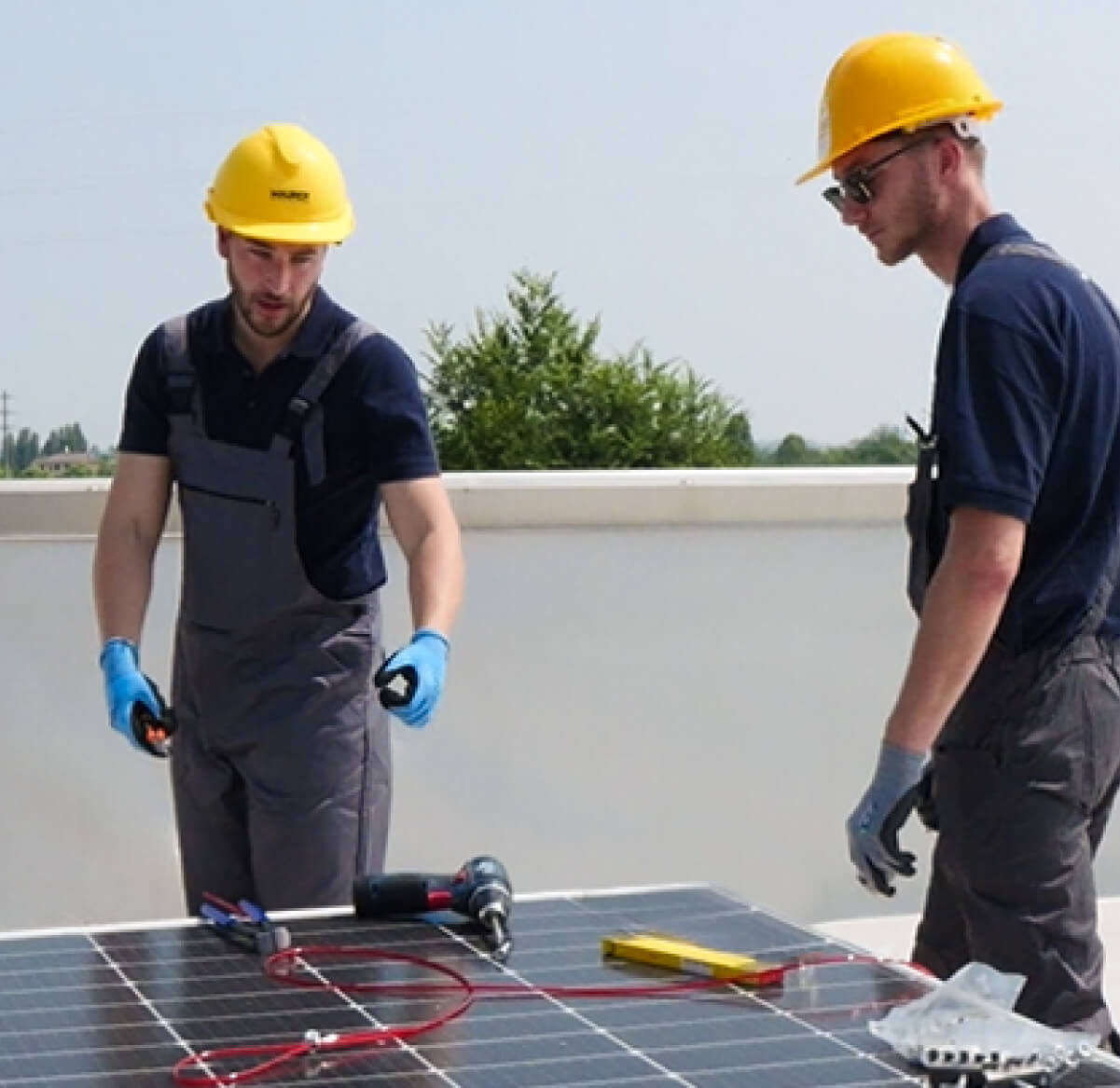
about water ingress. On site, simplicity becomes productivity: cleaner cable runs, repeatable
assembly steps, and less dependence on specialized crews. For projects on warehouses, logistics
hubs, and commercial rooftops, speed matters because access windows can be tight and safety
requirements are strict. Ballasted solutions also help streamline stock management for
distributors: a recognizable, high-demand product family that’s easy to explain and quick to
move. When the mounting structure is designed to be solid, tested, and durable, it reduces
call-backs and protects margins. In short, the right innovative solar mounting system turns
“mounting” from a bottleneck into a competitive advantage—helping you complete more
installations per month with fewer headaches.
Technical Confidence: From Sizing to Execution
Every flat-roof PV project comes with engineering questions: wind
loads, roof load limits, array spacing, and the best tilt for yield versus ballast weight. An
innovative solar mounting system should make those decisions easier, not harder. The most
effective solutions combine proven, tested components with practical technical support—so
designers can size arrays with confidence and installers can execute without improvisation.
Having access to reliable data and configuration guidance helps reduce design responsibility
pressure, while standardized elements make outcomes more predictable across different roofs.
This is especially valuable in Italy, where building typologies vary widely and many roofs
require a careful approach to waterproofing and load distribution. A well-designed ballasted
structure can support multiple layouts, enable efficient row planning, and keep the installation
process consistent from the first module to the last. If your goal is to deliver flat-roof PV
that’s safe, fast, and straightforward, choose an innovative solar mounting system that behaves
like a complete solution—engineering-friendly, installer-proof, and ready for real construction
sites.