Industrial PV Roofing for Flat Roofs: Built
for Real Job Sites
Choosing industrial photovoltaic roofing made in Italy means
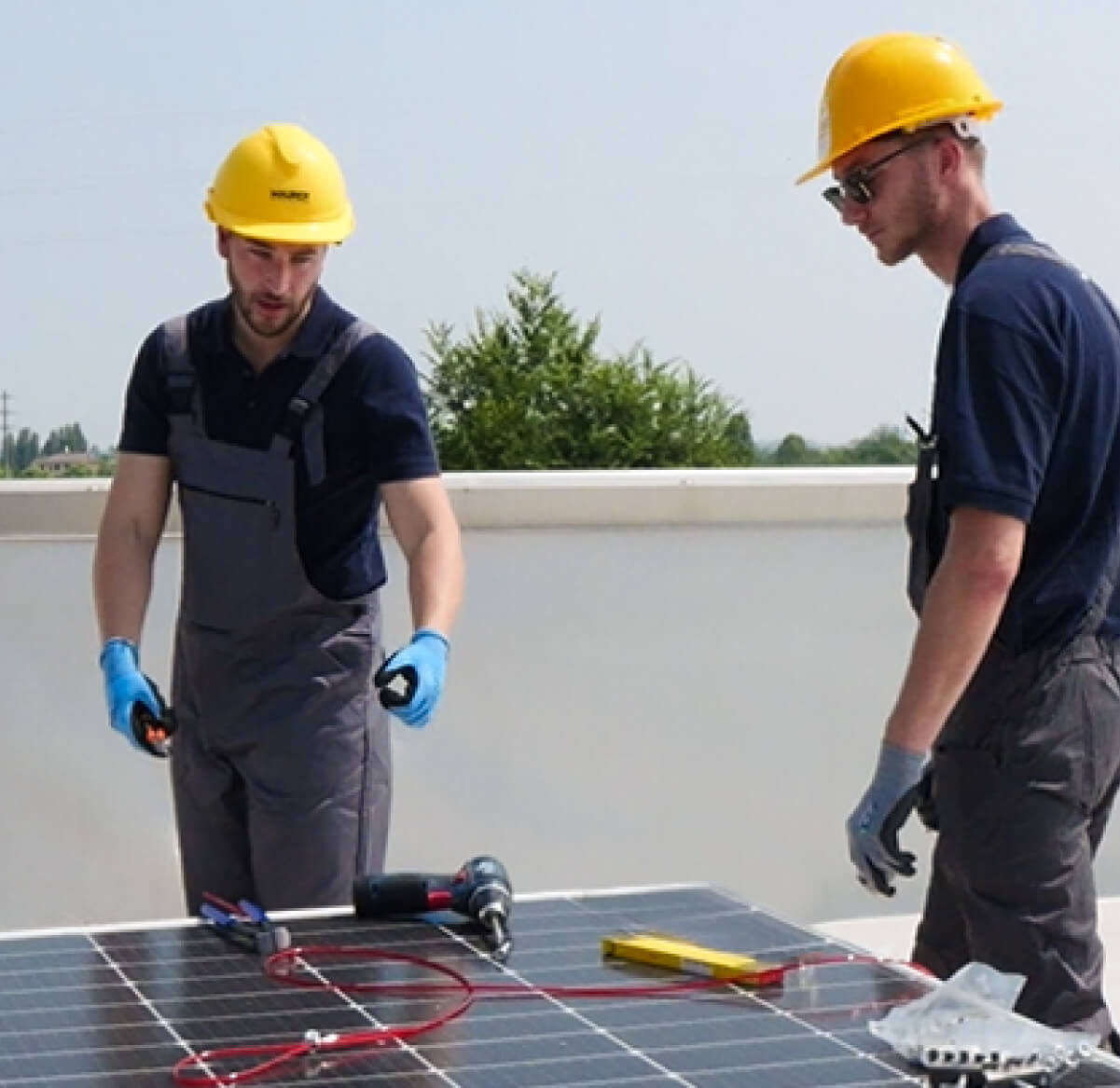
expecting durability, predictable performance, and a system that installers can trust on busy
commercial rooftops. On flat roofs, the biggest challenges are usually the same: tight
schedules, complex mounting structures, and the risk of waterproofing issues caused by roof
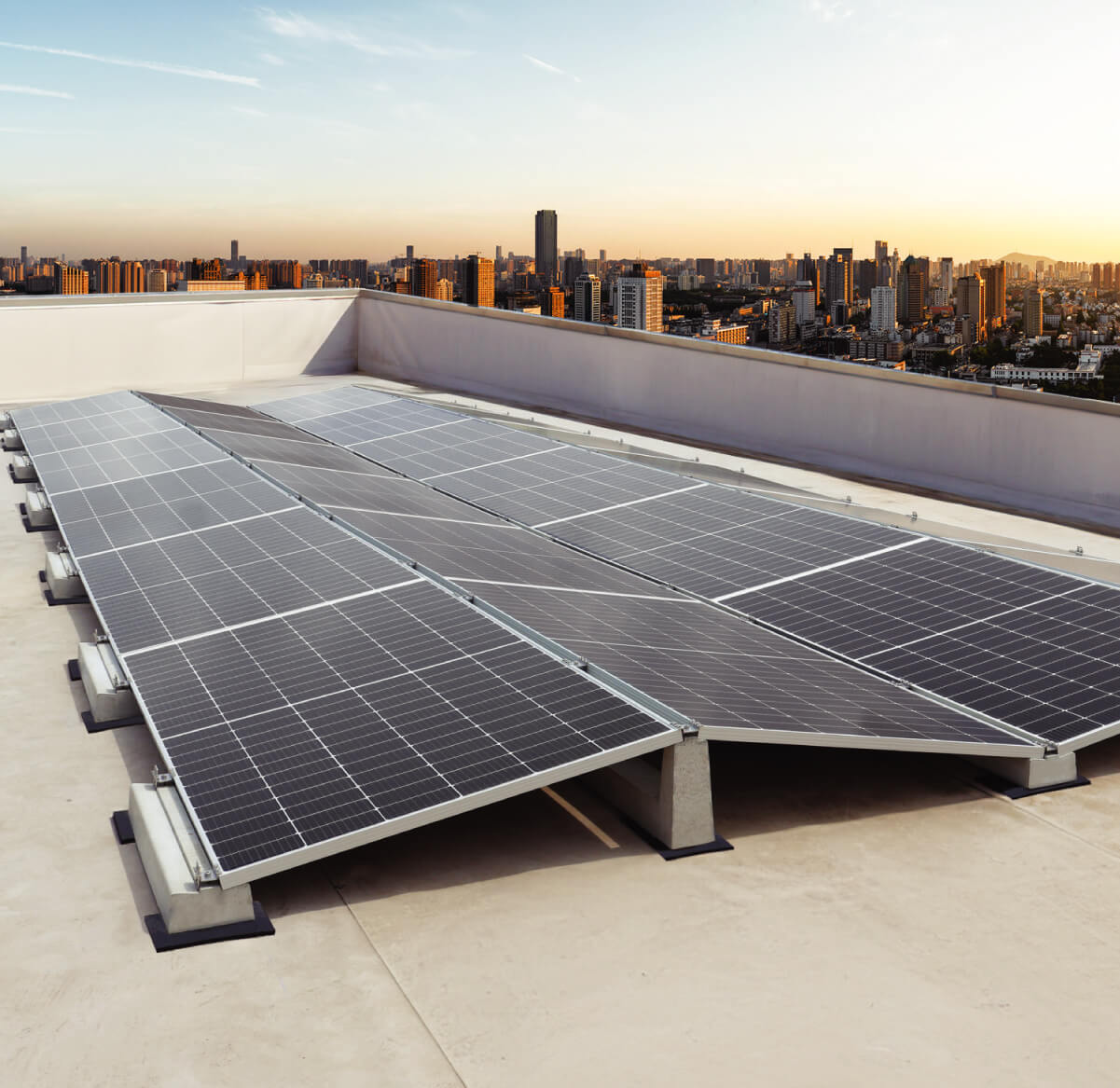
penetrations. That’s why ballasted photovoltaic mounting is becoming a preferred approach for
industrial buildings, logistics hubs, and large warehouses.
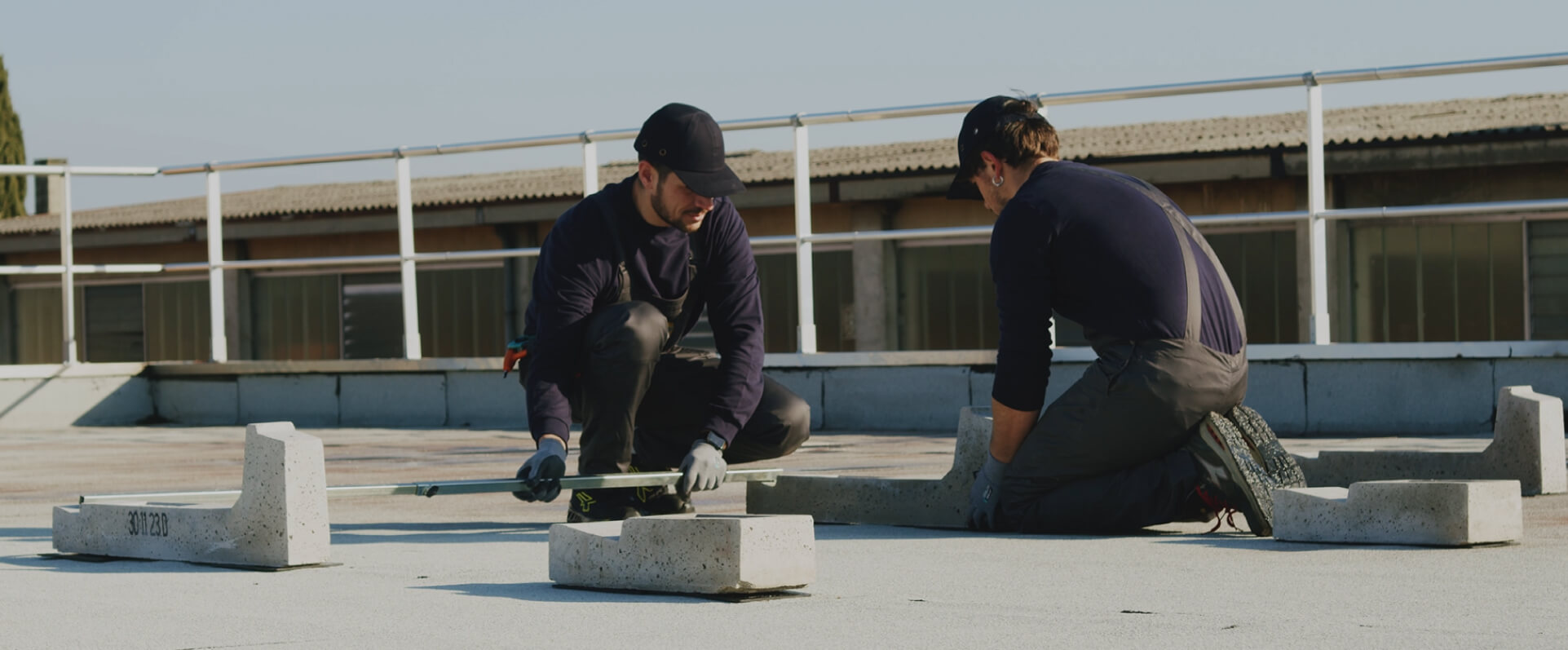
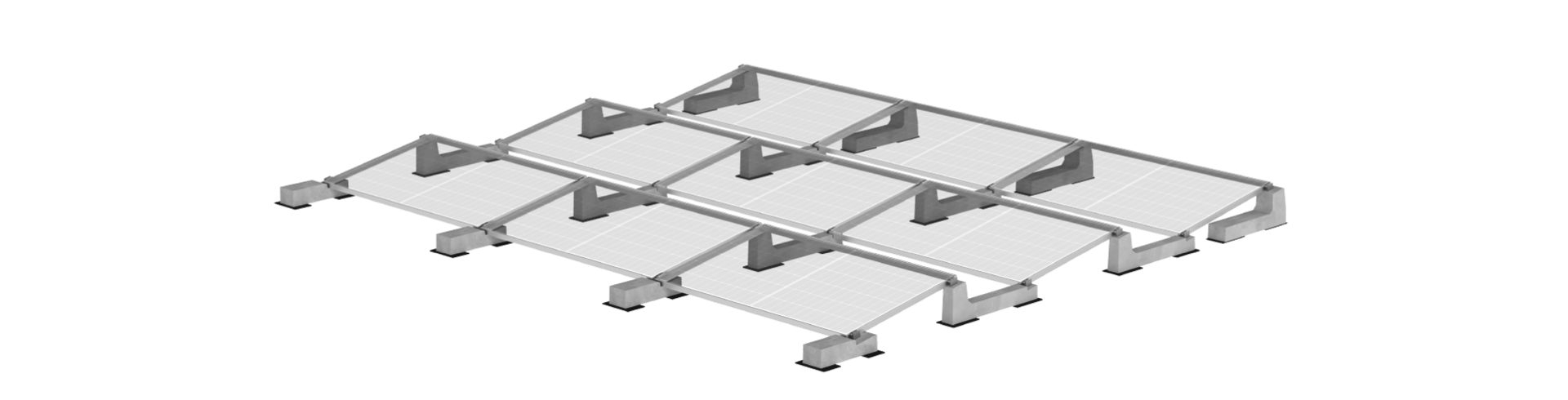
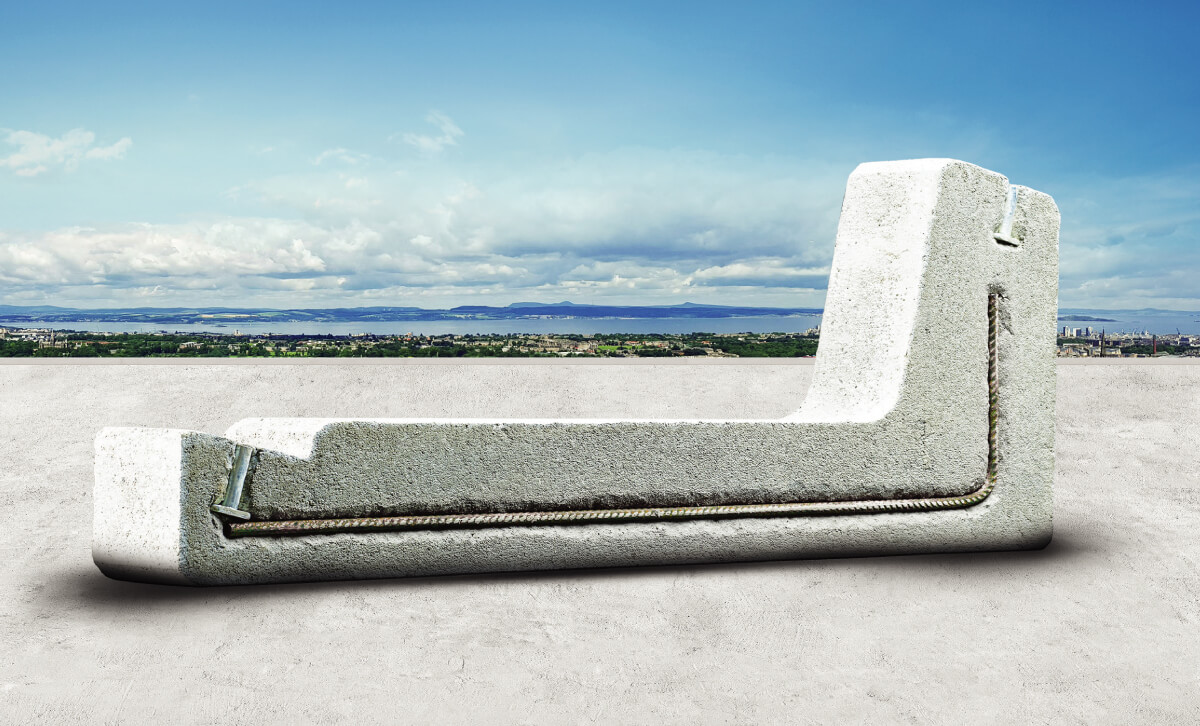
A concrete-ballast system helps secure PV modules without drilling into the membrane, reducing
the chance of leaks and simplifying site management. Fewer components and intuitive assembly can
translate into quicker crew workflows, cleaner installations, and easier material handling on
the roof. For EPCs and installers, that speed is not just convenience—it directly impacts
margins and the ability to complete more projects per season.
For designers and engineers, the value is also technical: reliable data for load calculations,
support in the sizing phase, and tested solutions that help mitigate responsibility and
uncertainty. With proper wind-load assessment, tilt selection, and layout optimization, an
industrial PV roof can be engineered to meet safety requirements while maximizing energy yield.
If you work in Italy’s B2B solar market—installation, design, or distribution—industrial
photovoltaic roofing made in Italy can be a strategic advantage: local supply, consistent
quality, and solutions created specifically for flat-roof photovoltaic systems. The result is a
project that is faster to build, safer for the roof, and easier to deliver from design to
execution.
Why No-Drill Concrete Ballasts Reduce Risk and
Complexity
Roof penetrations are often the hidden cost of industrial PV
projects. Every fixing point introduces waterproofing risk, extra labor, and potential
callbacks. A ballasted PV structure uses weight and engineered geometry to keep modules stable,
helping protect the roof membrane while streamlining installation. With fewer parts to assemble,
crews can work faster and more consistently across large surfaces.
This approach also supports cleaner logistics: standardized elements, repeatable positioning,
and simplified on-site decisions. Combined with technical assistance for wind exposure, ballast
configuration, and module orientation, it becomes a practical answer to flat-roof constraints in
industrial environments.
A Technical Partner for Installers, Designers,
and Distributors
Industrial photovoltaic roofing made in Italy is not only about
the hardware—it’s about delivering a complete, dependable process. Professionals benefit most
when the solution includes design-phase support, system sizing, and project development through
execution. That means fewer unknowns, faster approvals, and installations that match the
original calculations.
For installers, the priority is speed and simplicity on the roof. For engineers, it’s certified,
tested performance and reliable inputs for structural checks. For distributors, it’s a product
that’s easy to explain and in steady demand. When these needs are aligned, flat-roof solar
becomes easier to sell, easier to design, and easier to build—project after project.