Why installers in Italy look beyond industrial
photovoltaic adhesive suppliers
Many EPC teams and PV installers searching for industrial
photovoltaic adhesive suppliers are trying to solve a very specific pain point: how to secure
modules on industrial flat roofs without slowing down the crew or risking leaks. Adhesive
bonding can appear attractive on paper, but real job sites bring variables—membrane
compatibility, surface preparation, curing times, humidity, and long-term aging under UV and
thermal cycles. When deadlines are tight, every extra step adds uncertainty.
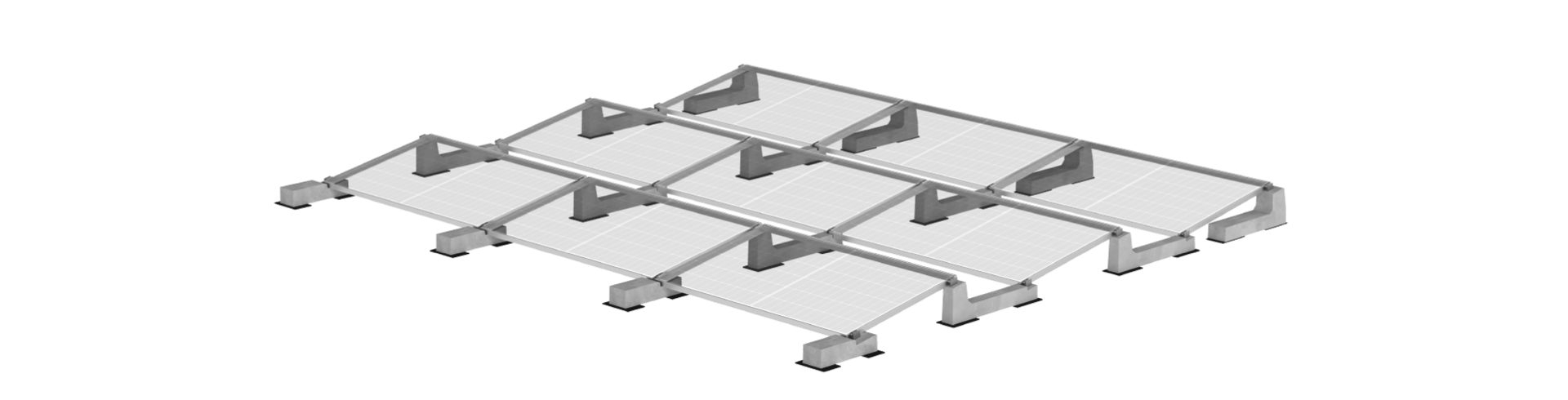
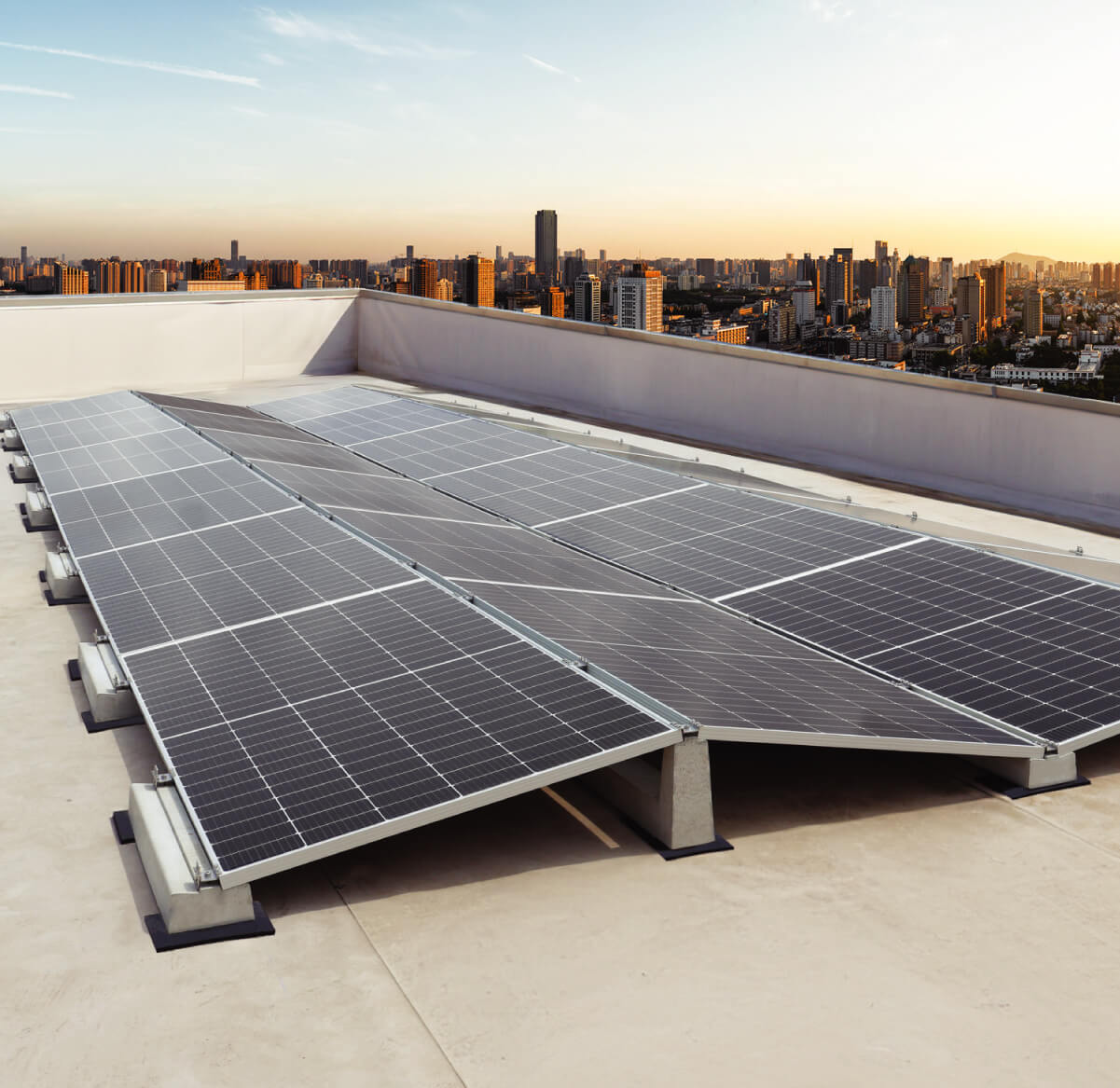
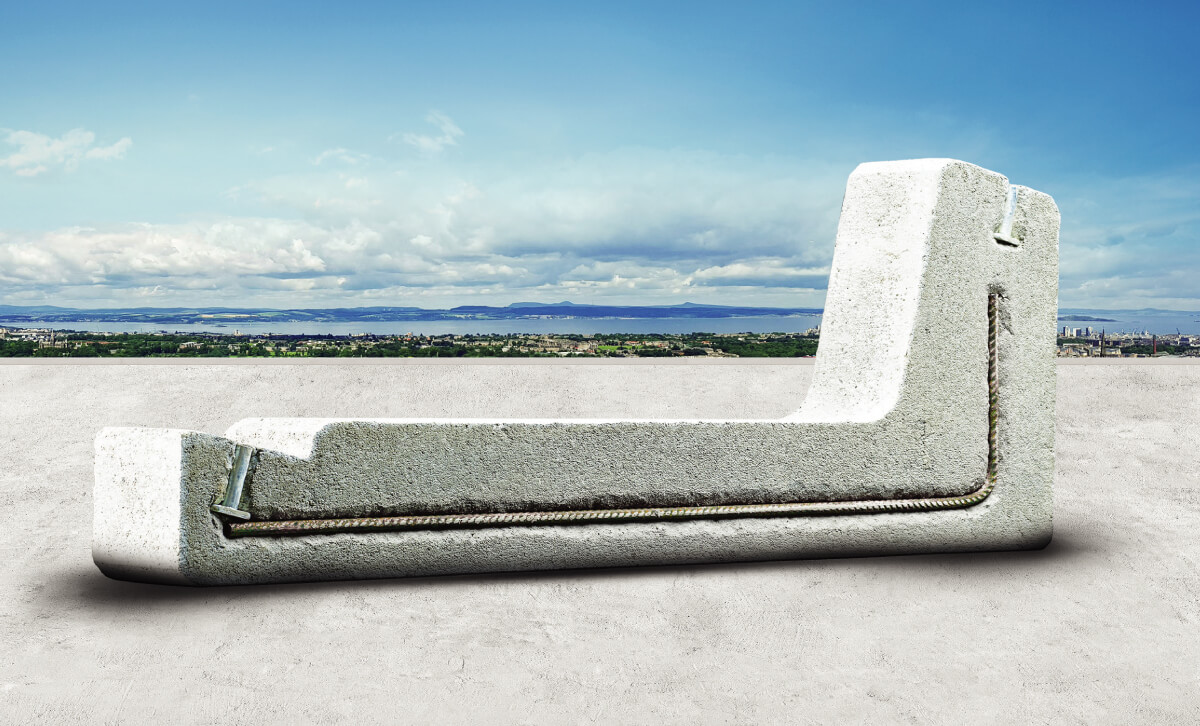
A practical alternative for Italian flat-roof plants is a non-penetrating, ballasted mounting
concept that keeps the waterproofing intact and reduces installation complexity. Instead of
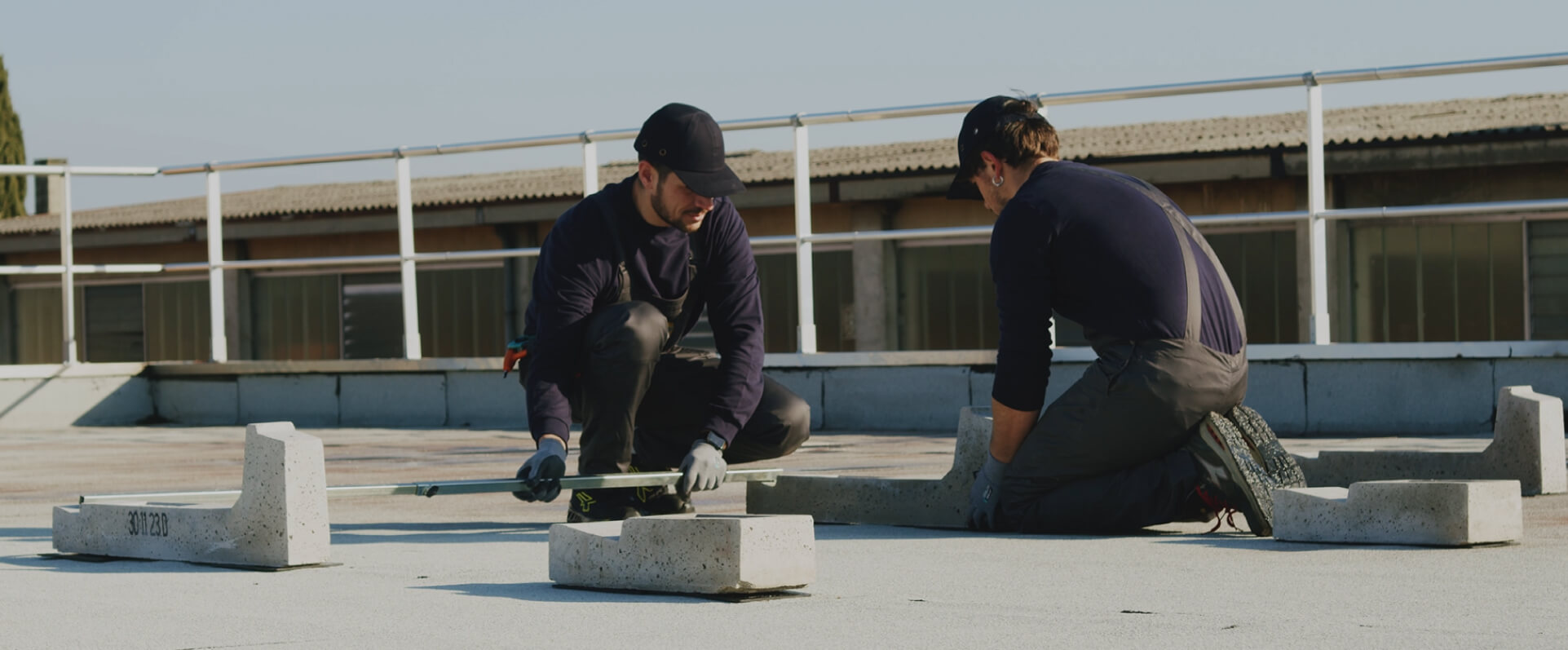
relying on chemical bonding, the system uses pre-engineered concrete ballast supports designed
for photovoltaic arrays, helping crews place, align, and secure panels quickly with fewer
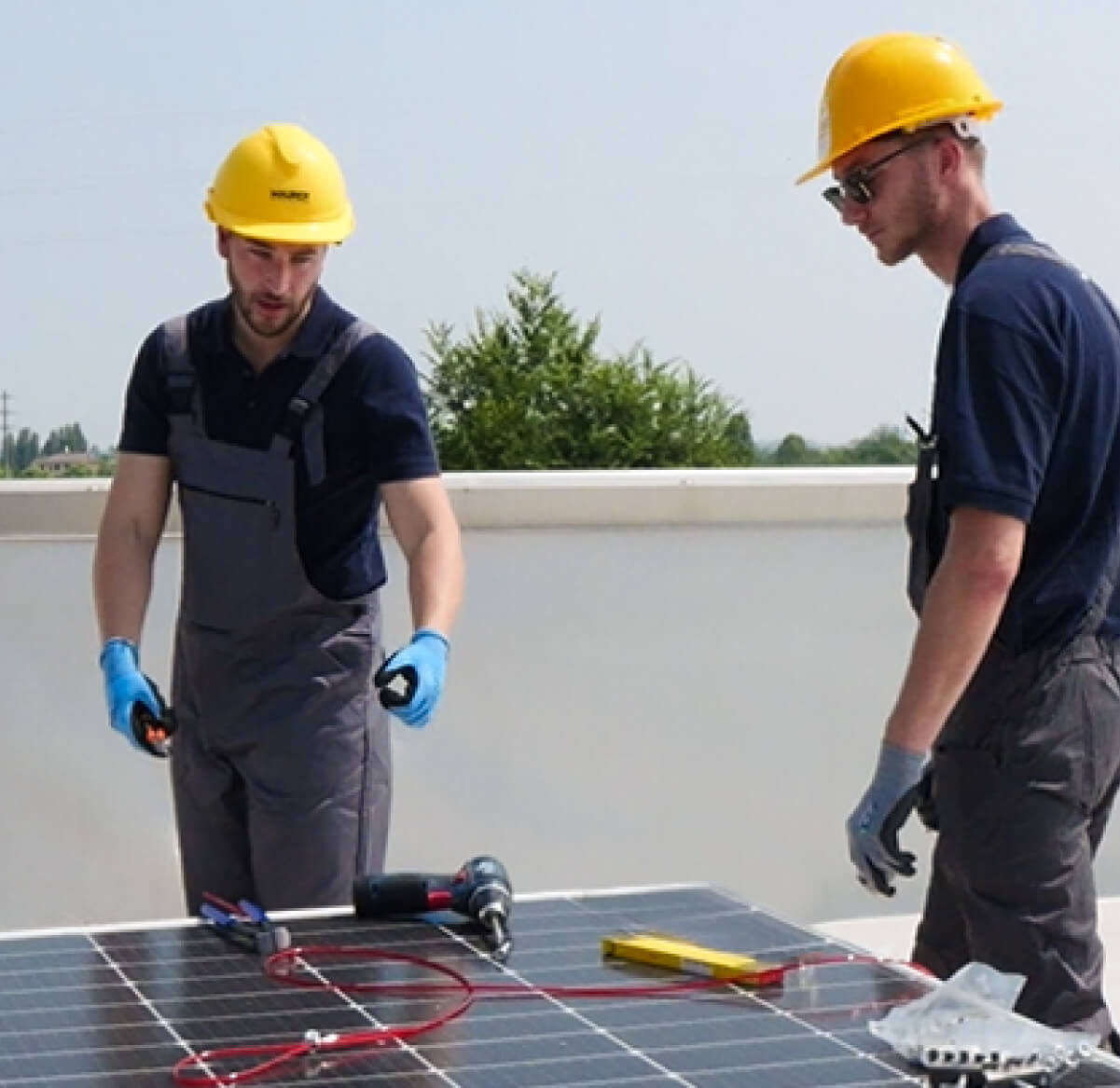
components. The result is a smoother workflow: fewer tools, less roof preparation, and minimized
roof-access risks.
For installers, the real value is speed and predictability. For designers, it is having a
solution that is already tested and supported with reliable data. If your current comparison
includes industrial photovoltaic adhesive suppliers, it is worth evaluating whether a
mechanical, ballasted solution can deliver the same stability while simplifying the entire
construction process.
A complete flat-roof PV solution: support,
sizing, and reduced risk
Choosing between industrial photovoltaic adhesive suppliers and
other fixing methods is not only about materials—it is about responsibility. Designers and
engineering firms in Italy must account for wind loads, roof loads, and array geometry while
protecting the membrane. That is why many professionals prefer a partner approach: technical
support during design, system sizing, and project development all the way to execution.
With ballasted concrete supports for photovoltaic installations, the roof is not drilled, which
directly reduces the risk of water ingress and post-installation claims. The configuration can
be tailored to common flat-roof layouts found on warehouses and industrial buildings, improving
safety and repeatability across multiple sites.
Distributors also benefit from solutions that are easier to explain and stock: recognizable
components, stable demand, and fewer compatibility questions compared with adhesive-based
approaches. When a mounting system is reliable, durable, and straightforward, it becomes easier
to sell and easier to install—two advantages that matter in a competitive B2B energy market.
How to evaluate industrial photovoltaic
adhesive suppliers vs. ballasted mounting
If your team is assessing industrial photovoltaic adhesive
suppliers, use a checklist that reflects real site conditions in Italy. Start with
waterproofing: does the method avoid penetrations and preserve warranties? Then consider
time-on-roof: how many steps are needed, and how sensitive is the process to weather, dust, and
surface preparation? Next, look at long-term performance: resistance to UV, thermal expansion,
vibration, and maintenance traffic.
Ballasted flat-roof systems answer these questions with a simple premise—stability through
engineered weight and geometry, not chemical bonding. Fewer components can mean fewer mistakes.
Fast placement can mean lower labor cost per kWp. And integrated technical assistance can mean
less design stress around wind and load calculations.
For installers, the payoff is completing more rooftops per month with fewer call-backs. For
engineers, it is reducing project risk with tested solutions and dependable sizing data. For
wholesalers, it is offering a product that customers trust.
If you are comparing industrial photovoltaic adhesive suppliers, consider adding a
non-penetrating ballasted option to your shortlist to achieve faster installs, safer flat roofs,
and more predictable results.