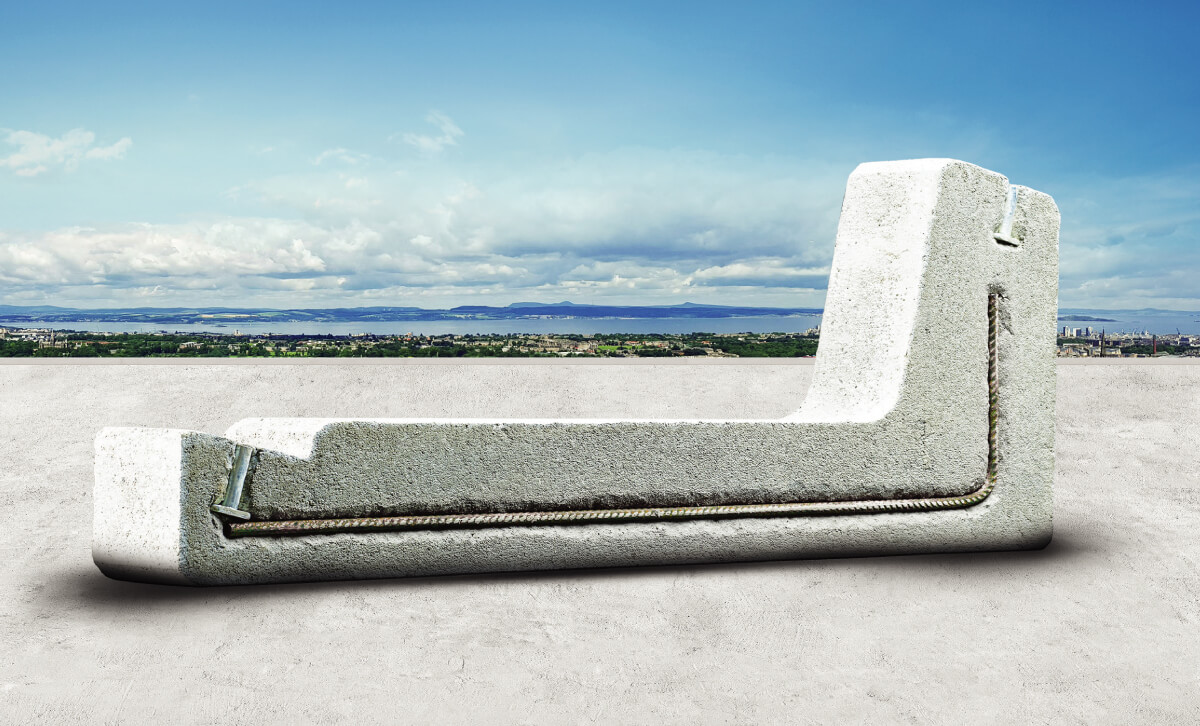
Industrial flat roof solar mounting in Italy:
speed, safety, and fewer headaches
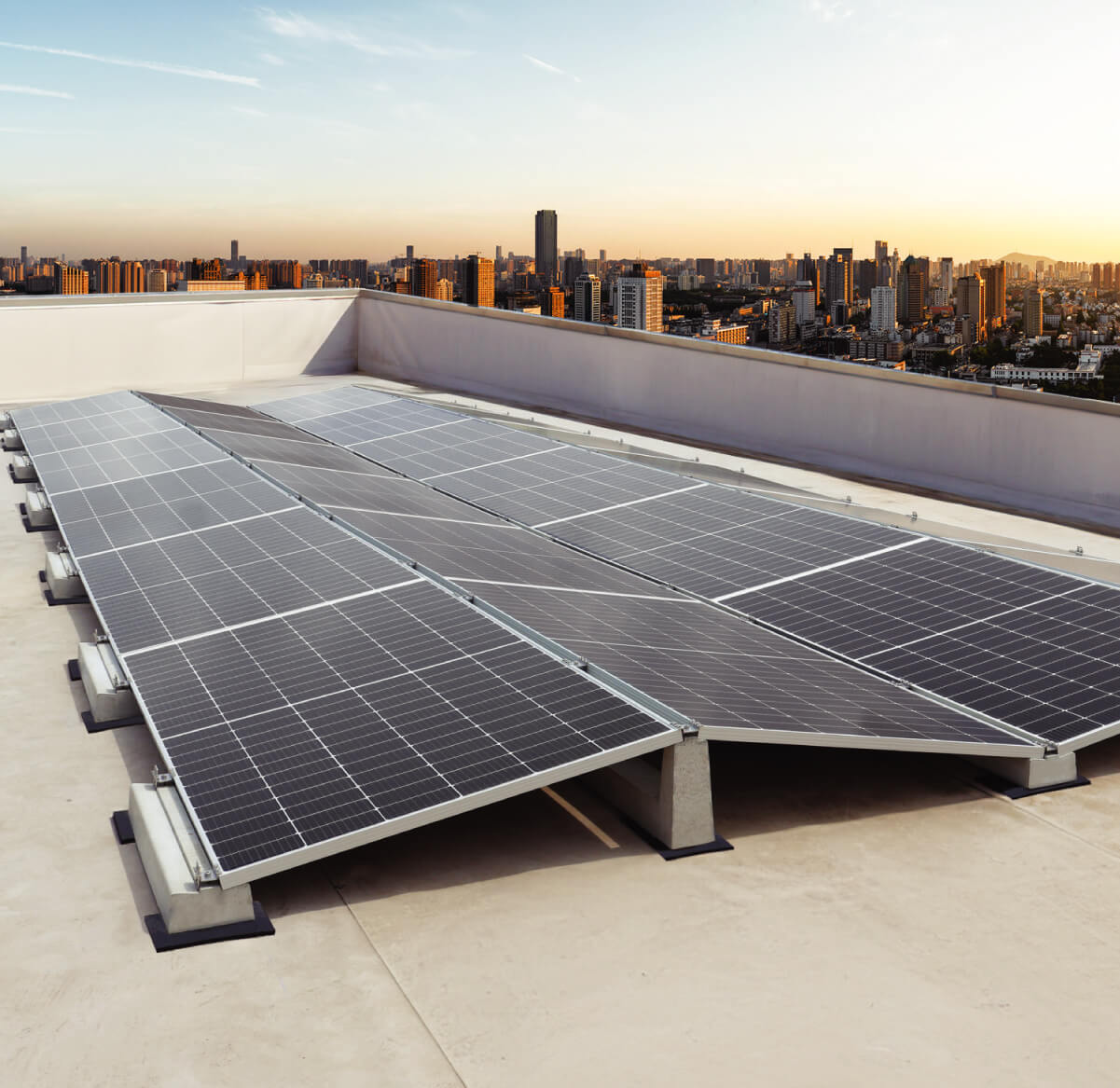
Industrial flat roof solar mounting is a smart choice for Italian
warehouses, logistics hubs, and production buildings where downtime, roof integrity, and fast
project delivery matter. Traditional racking often requires roof penetrations, waterproofing
checks, and extra hardware—steps that can slow down installers and increase the risk of future
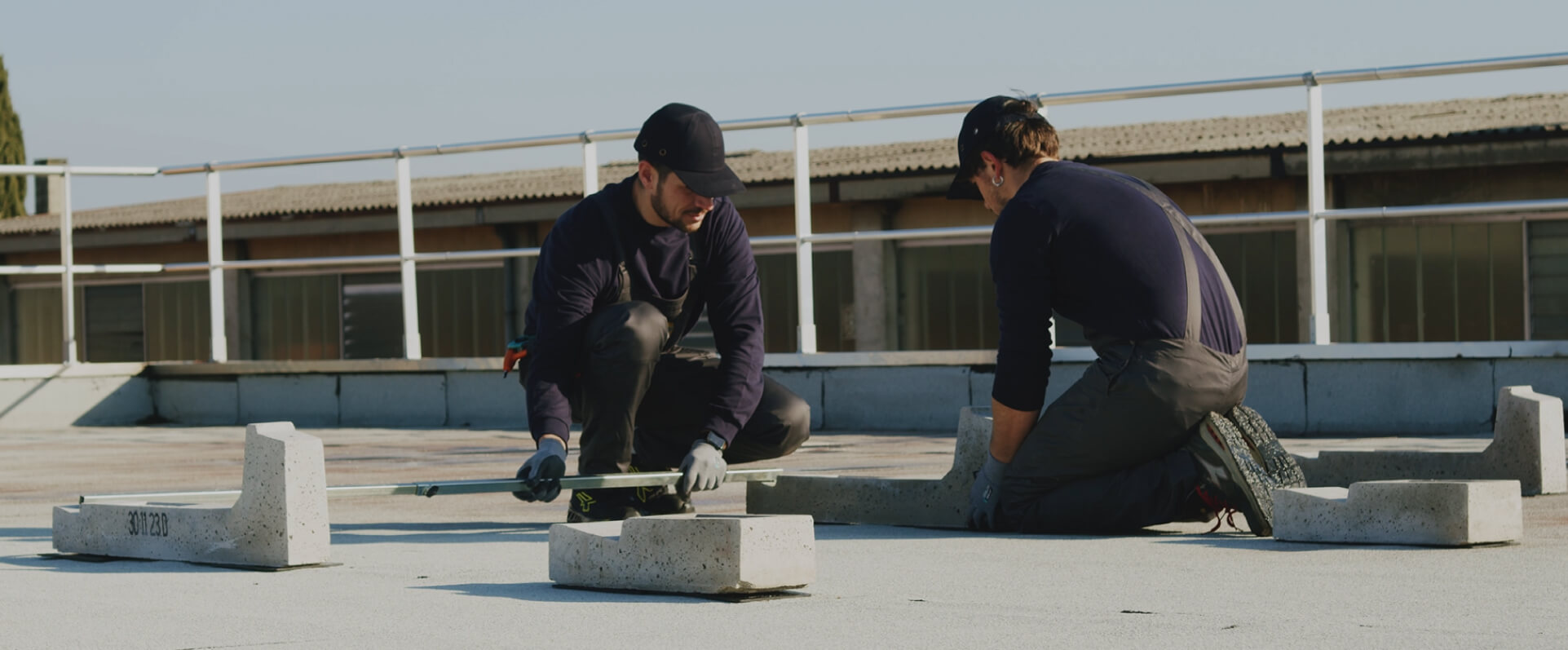
leaks. A ballast-based approach changes the workflow: panels are supported by engineered
concrete weights that keep the system stable without drilling through the membrane. For
installers, this usually means fewer components to handle, clearer on-site operations, and
quicker positioning and alignment. For engineers and designers, it means working with
predictable loads, verified configurations, and a solution designed specifically for flat roofs.
The result is a mounting strategy that helps reduce installation time, simplifies site
coordination, and supports consistent quality across multiple rooftops. In the Italian B2B
market—where projects often involve tight schedules and high responsibility—choosing an
industrial flat roof solar mounting solution that prioritizes simplicity and reliability can
make the difference between a smooth handover and weeks of rework. If you’re aiming to scale
installations across similar industrial sites, a standardized, non-penetrating PV mounting
method helps keep teams efficient and outcomes repeatable.
Why no-penetration ballasted systems
outperform complex structures on flat roofs
The biggest advantage of industrial flat roof solar mounting with
ballasts is straightforward: no holes in the roof covering. That single detail can reduce common
on-site risks, from waterproofing errors to delays caused by approvals and inspections.
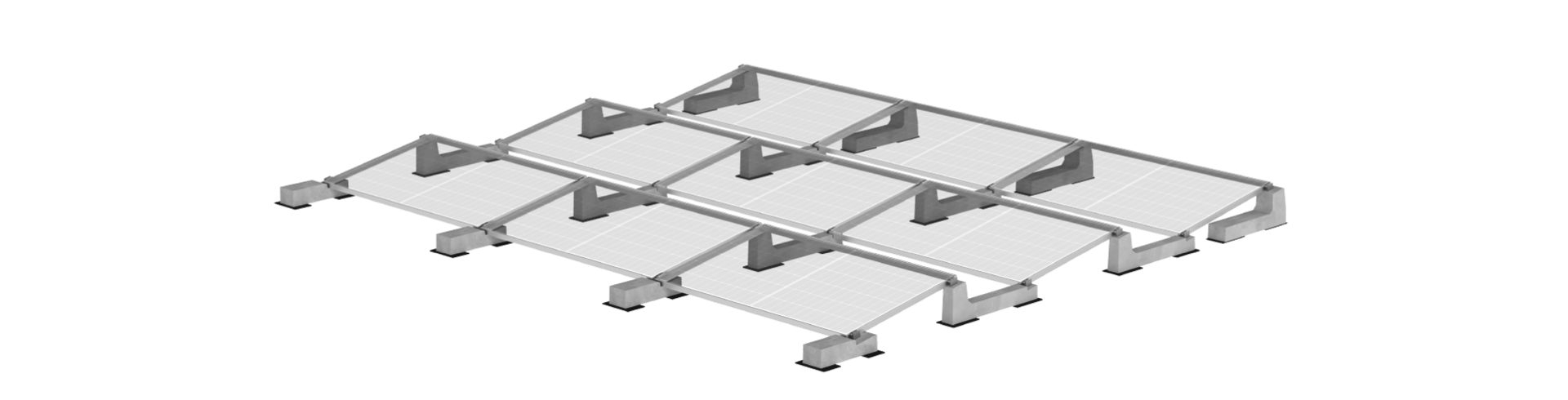
Ballasted mounting systems are designed to manage wind uplift and mechanical stability through
weight distribution and proven geometries, often with options for different tilt angles,
orientations, and row layouts. This flexibility helps designers optimize energy yield while
respecting structural constraints and safety margins. Installers benefit too: a modular system
with fewer loose parts can speed up staging, reduce tool changes, and simplify crew training.
Related considerations—wind calculations, roof load limits, drainage paths, maintenance
walkways, and cable management—are easier to address when the mounting system is purpose-built
for flat industrial rooftops. In practical terms, industrial flat roof solar mounting becomes
less about fighting the roof and more about following a repeatable method. For distributors,
that repeatability translates into a product that’s easier to specify, stock, and support. When
every project demands reliability and traceable performance, a tested ballasted solution gives
professionals the confidence to deliver on time without compromising the roof.
Technical support that helps installers and
designers deliver faster
Industrial flat roof solar mounting isn’t only about the
hardware—it’s also about how quickly you can move from concept to commissioning. Professionals
in Italy often need dependable technical guidance for layout planning, system sizing, and
documentation that supports responsible design choices. A partner-style approach can include
assistance during the design phase, preliminary configurations, verification of loads and wind
exposure assumptions, and practical recommendations that match real installation conditions.
This kind of support reduces back-and-forth, helps prevent costly changes on site, and makes it
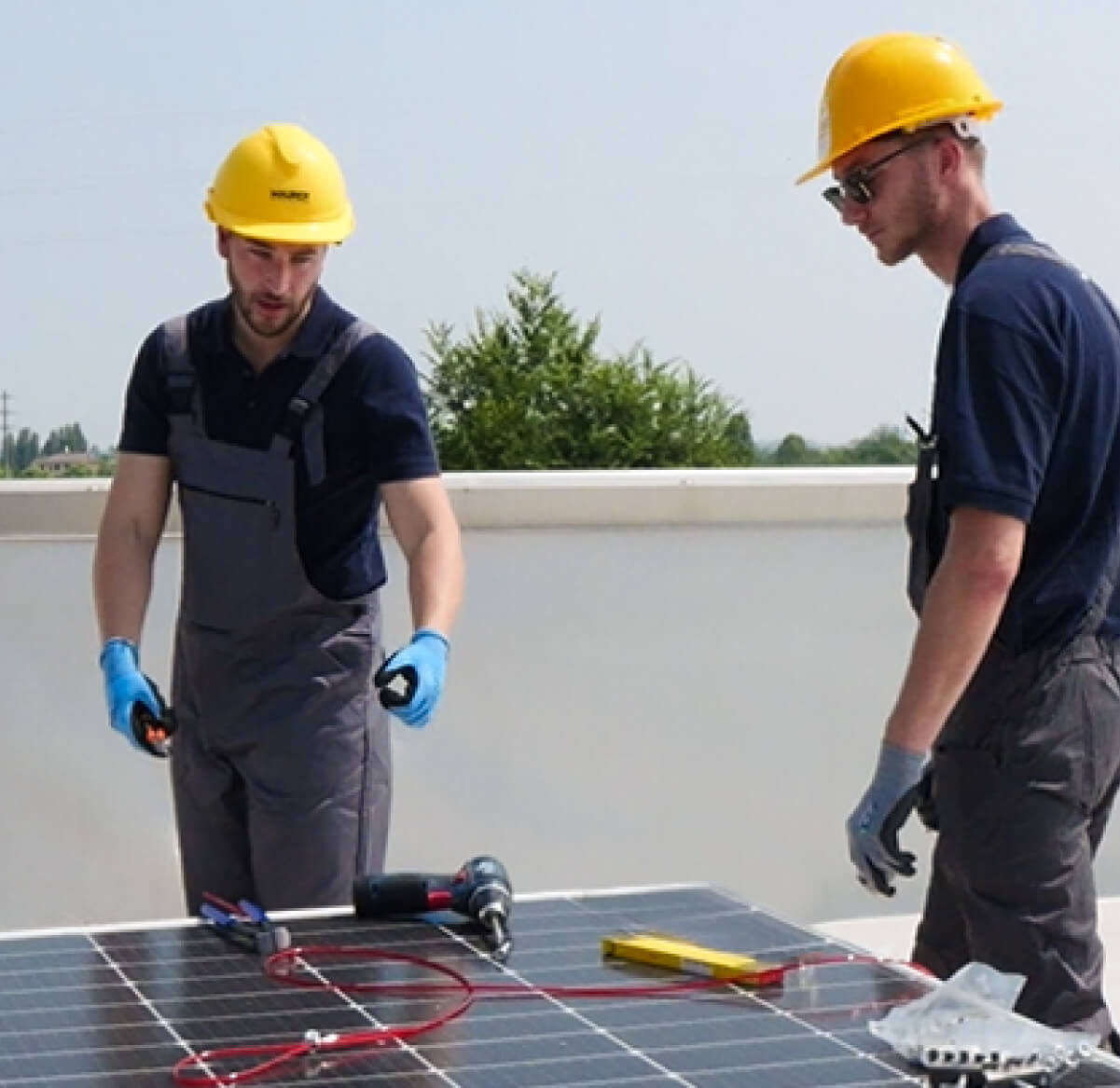
easier to standardize across multiple buildings. For installers, it means arriving on the roof
with a clear plan, a simplified bill of materials, and a mounting solution engineered to be
intuitive. For engineers and technical offices, it means working with reliable data and tested
configurations that reduce project risk. And for commercial teams and distributors, it provides
a stronger value proposition: a complete industrial flat roof solar mounting solution that’s
easier to sell because it’s easier to implement. If your goal is to install PV on flat
industrial roofs with fewer delays, fewer components, and no roof penetrations, choosing a
ballasted mounting system backed by solid technical support can help you deliver cleaner
projects—faster.