Why a High Wind PV Mounting System Matters on
Italian Flat Roofs
In many Italian industrial areas, wind exposure can turn a
standard rooftop PV layout into a serious design challenge. Choosing a high wind pv mounting
system is not just a box to tick—it is the foundation for long-term safety, stable performance,
and faster approvals. For installers, the biggest pain points are clear: too many components,
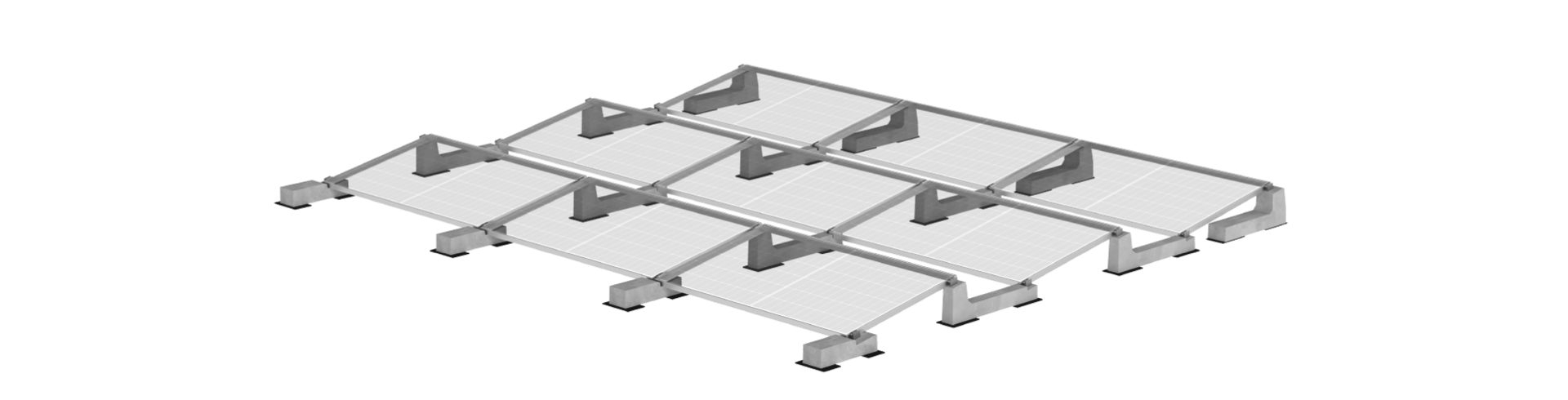
long assembly times, and the risk of leaks caused by roof penetrations. A ballasted approach
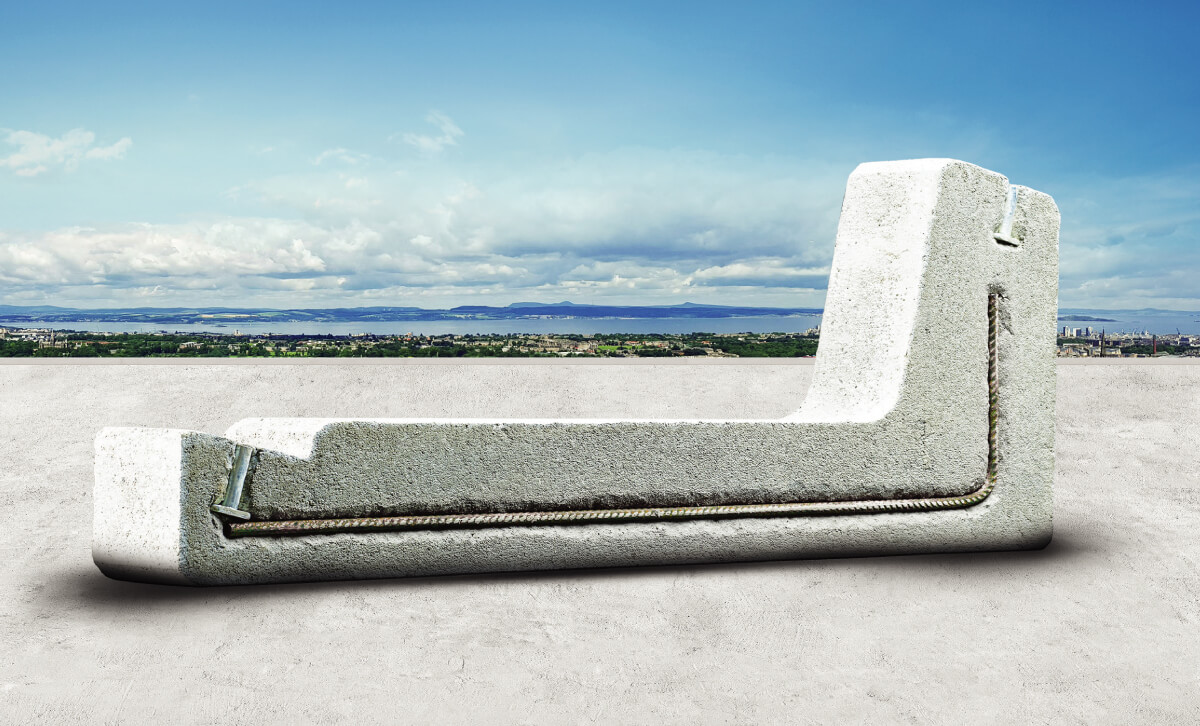
answers these issues by using precast concrete weights that keep modules in place without
drilling through the waterproof membrane. That means fewer on-site surprises, cleaner logistics,
and a smoother handover.
For designers and engineers, wind load verification, roof load limits, and compliance
documentation can quickly become time-consuming. A proven flat-roof solution with tested
configurations helps reduce uncertainty and simplifies sizing. When wind pressures increase,
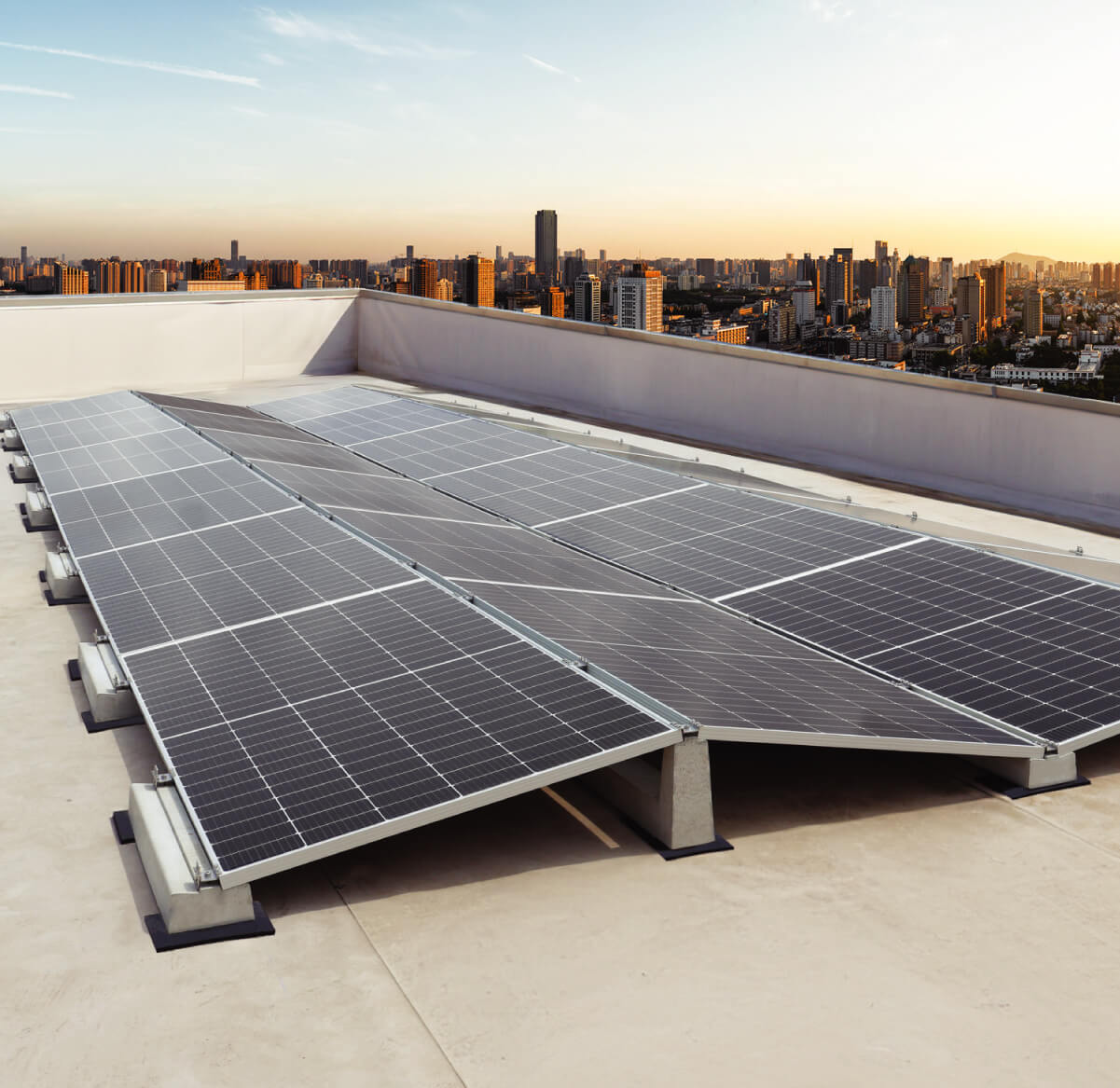
reliability becomes the deciding factor: the structure must remain stable, protect the roof
surface, and maintain alignment over time. With a practical, field-friendly system, you can
install faster, reduce installation errors, and deliver a PV array that performs confidently in
demanding conditions typical of coastal zones, open plains, and elevated sites across Italy.
Key Features Installers Look For: Speed,
Simplicity, and No Drilling
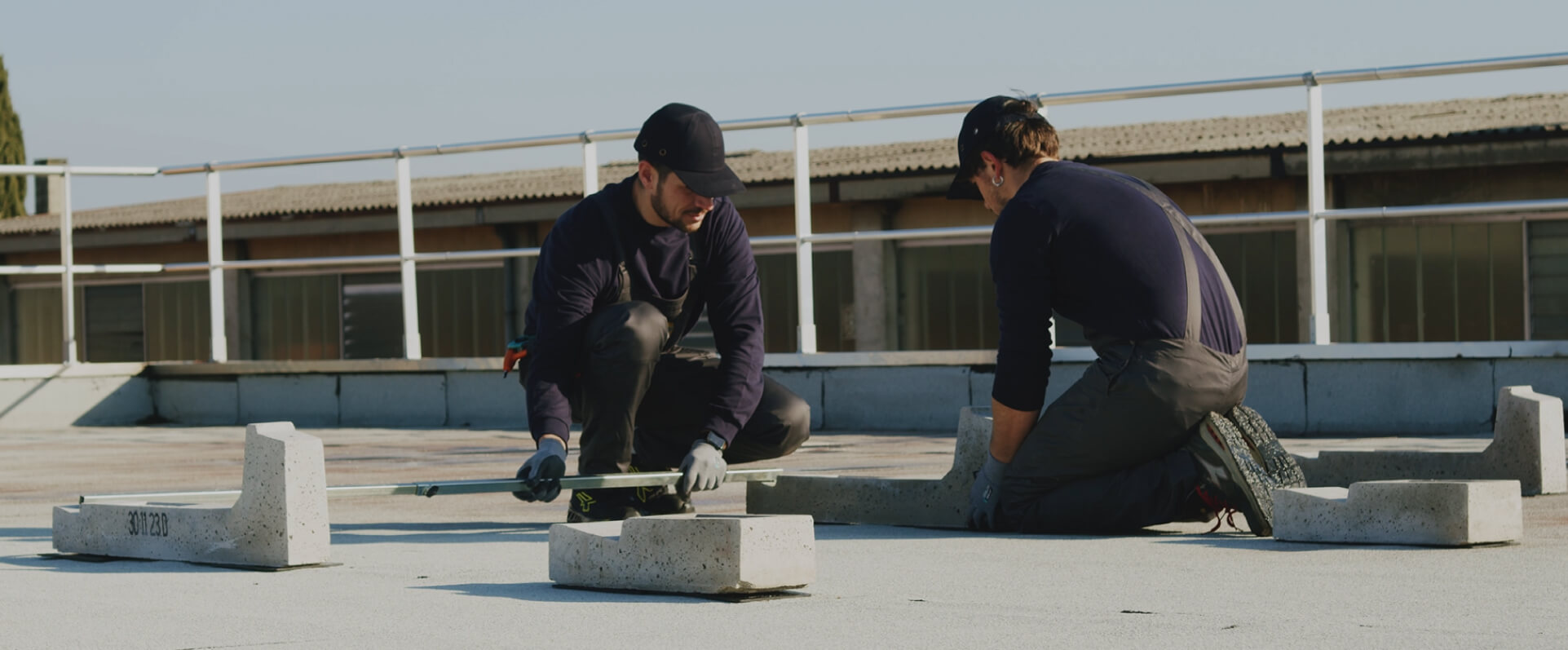
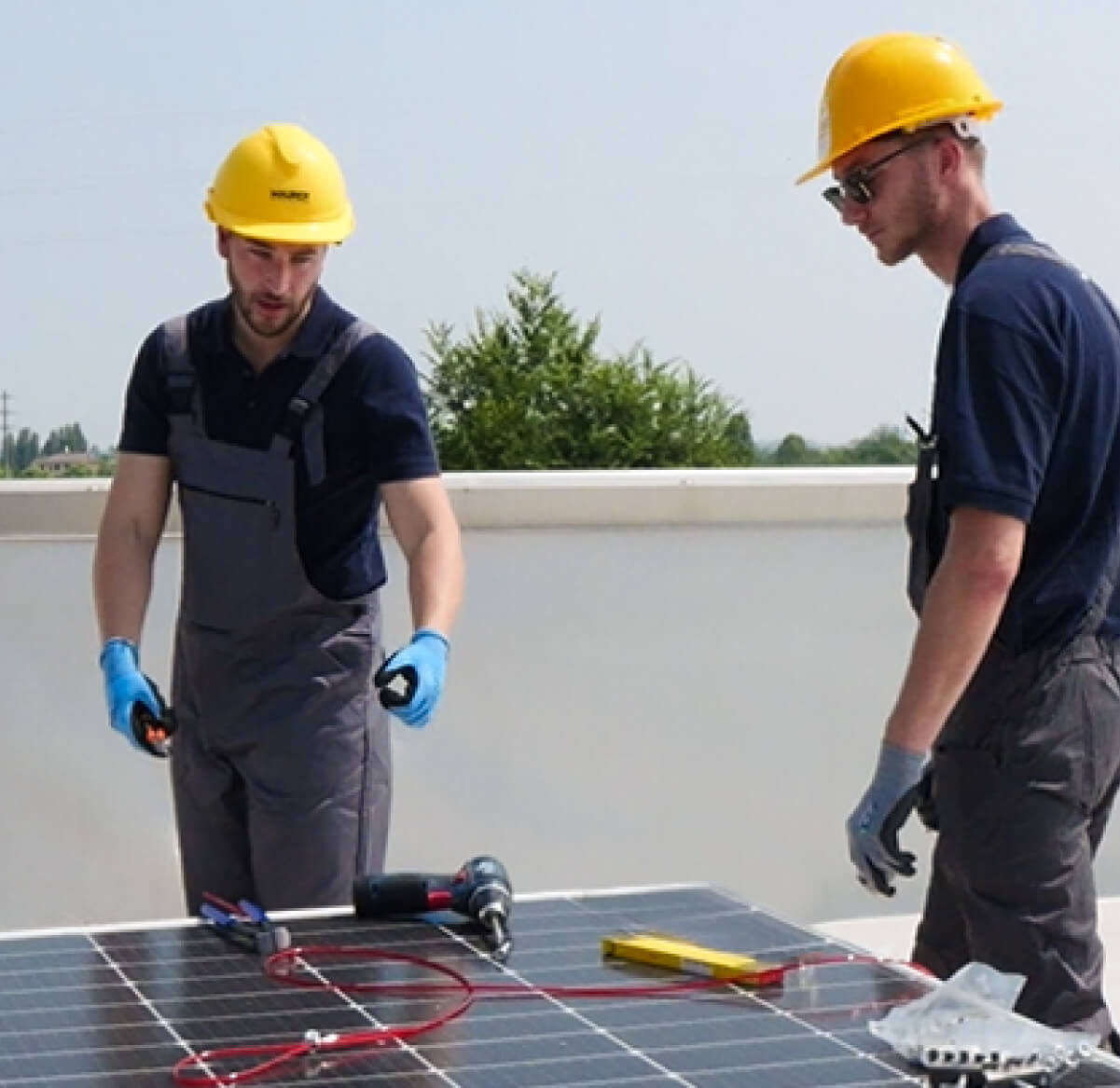
A high wind pv mounting system should be engineered to make work
easier on the roof—not harder. Installers value solutions that reduce part counts, eliminate
complex substructures, and keep crews productive. Ballasted mounting with concrete supports is
especially attractive on flat roofs because it avoids penetrations, lowering the chance of water
ingress and cutting the time spent on sealing details.
Just as important is predictability: components that arrive ready to place, intuitive module
positioning, and repeatable installation steps help teams maintain consistent quality across
multiple sites. For B2B projects, time is money—every hour saved on the roof improves margins
and allows you to complete more installations per month. A well-designed ballasted structure can
also support common PV orientations and tilt options, enabling you to balance energy yield,
spacing, and wind resistance. When the system is backed by responsive technical guidance,
installers can resolve layout questions quickly and keep the project moving from planning to
commissioning.
Engineering Support and Tested Configurations
for Wind Load Confidence
Beyond hardware, what makes a high wind pv mounting system truly
valuable is the engineering framework behind it. Professionals need reliable data for wind
calculations, load distribution, and project documentation—especially when responsibilities and
warranties are on the line. A technical partner that supports design choices, assists with
system sizing, and follows the project through execution can significantly reduce risk.
For distributors and wholesalers, a recognizable, in-demand flat-roof solution is easier to
stock and sell when it is known for durability, simplicity, and consistent results. For
installers and engineers, the benefits are tangible: fewer uncertainties, quicker
decision-making, and a PV mounting strategy that is aligned with real Italian jobsite
conditions. If your next project involves exposed roofs, strict timelines, or demanding wind
zones, selecting a ballasted flat-roof solution with concrete weights, proven stability, and
professional support can help you deliver a safer installation—without compromising speed or the
roof’s integrity.