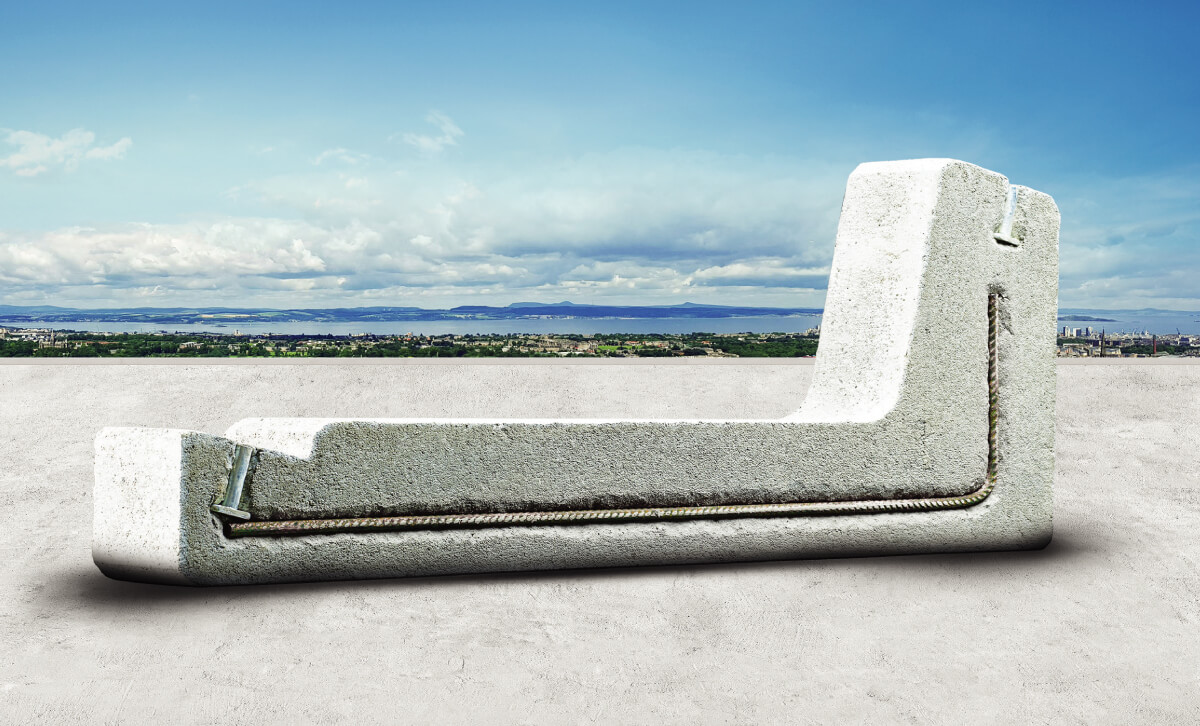
A high wind load solar mounting system built
for Italy’s flat roofs
Choosing a high wind load solar mounting system is not just a
technical detail—it’s what protects your flat-roof PV project from delays, callbacks, and
long-term risk. In many Italian industrial and commercial areas, wind exposure can be
significant, especially on large, open rooftops where gusts can create strong uplift forces.
Installers and designers need a solution that is stable, predictable, and quick to deploy on
site.
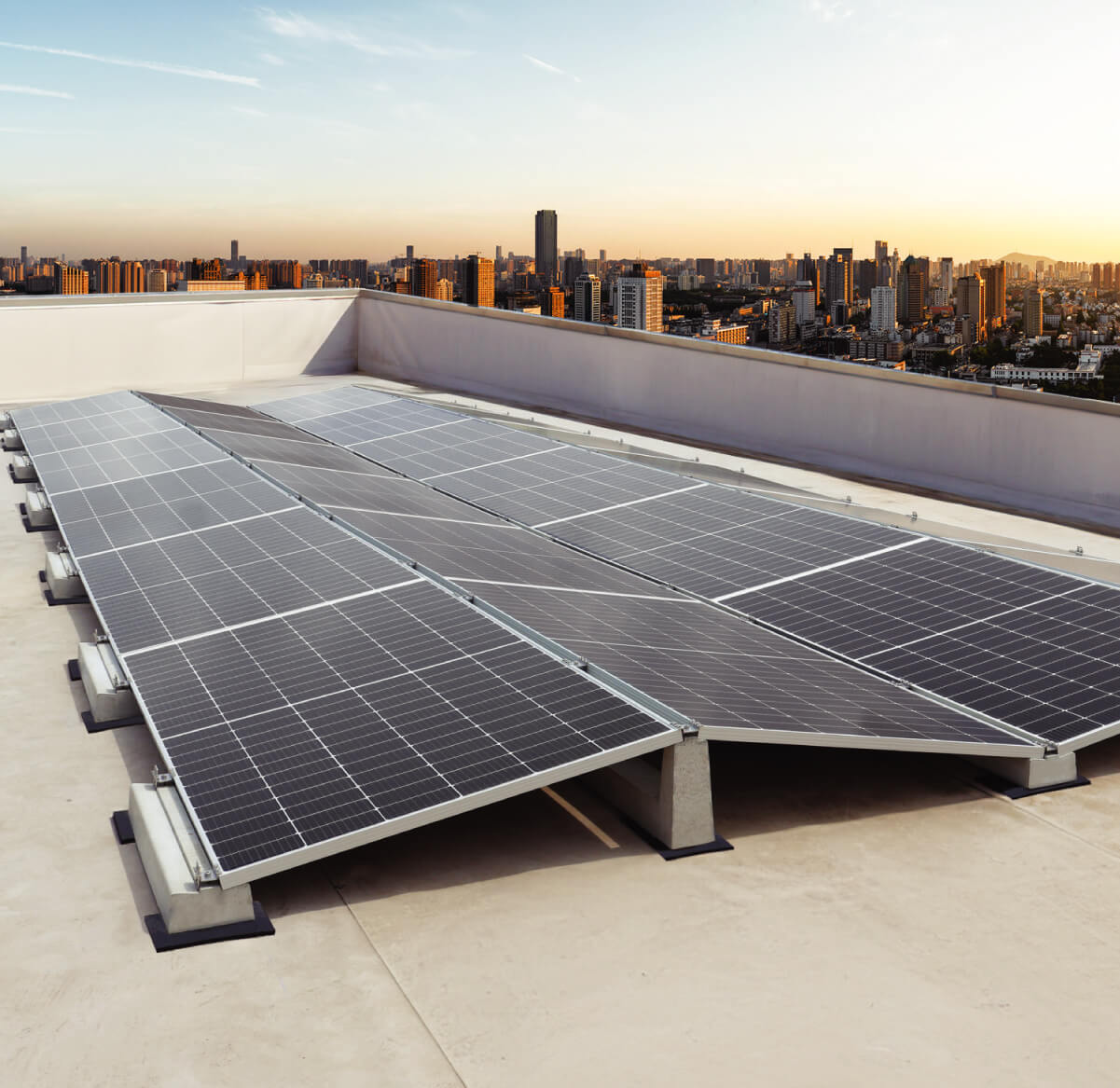
A ballasted approach helps answer a key concern: how to achieve wind resistance without
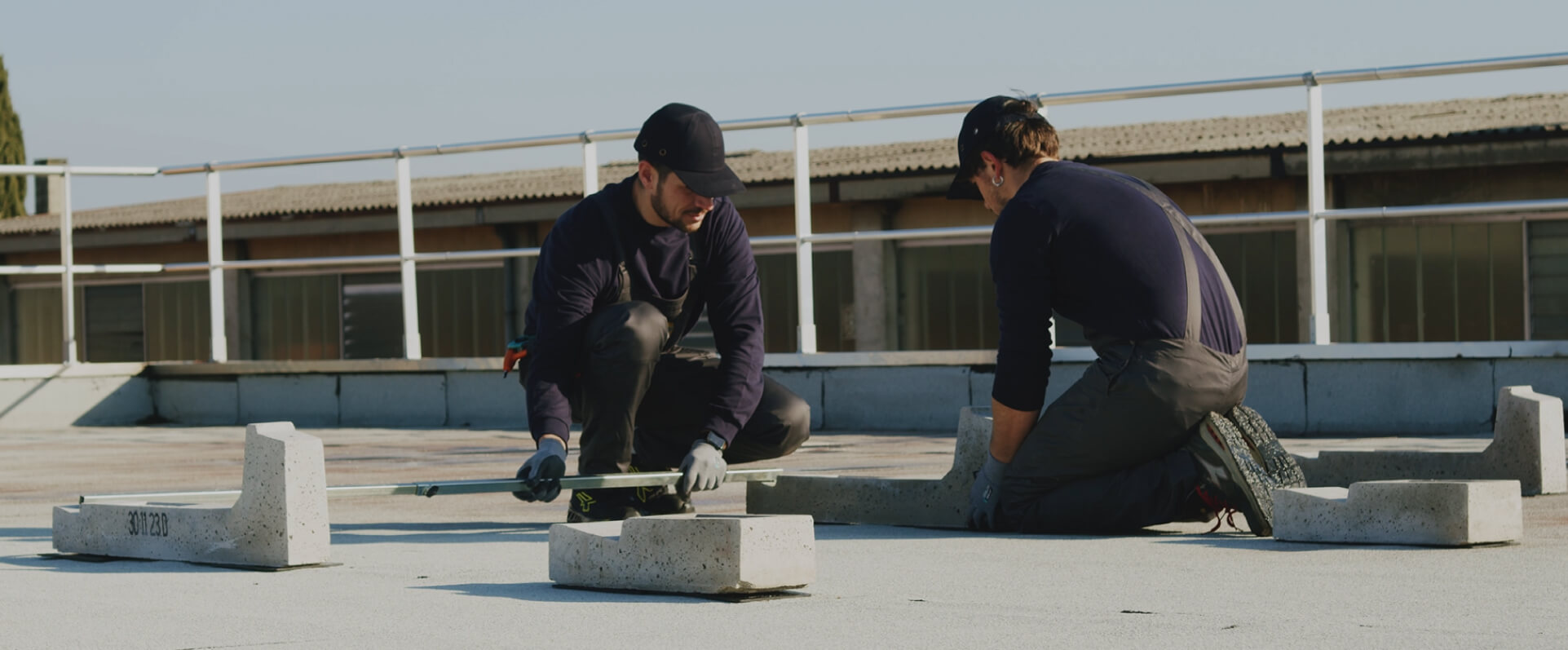
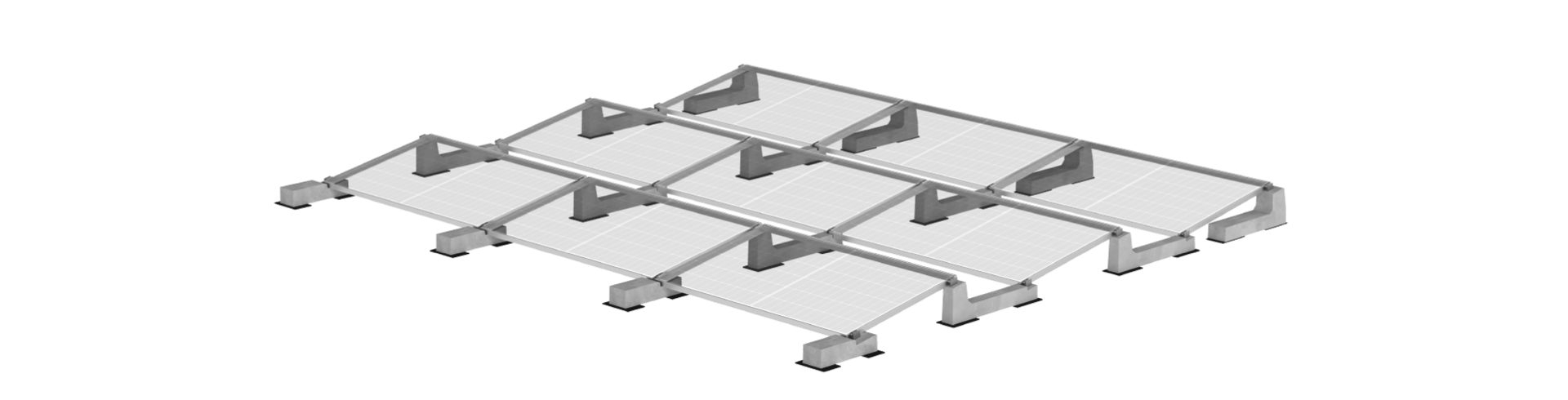
penetrating the roof membrane. By using engineered concrete ballast supports, the PV array can
be secured through weight and aerodynamics rather than anchors and drills. That means fewer
waterproofing worries, fewer components to manage, and cleaner installation workflows.
For EPCs, installers, and technical offices, the real value is consistency: repeatable layouts,
standardized tilt options, and clear data for wind-load verification. When the mounting system
is designed specifically for flat roofs, it reduces on-site improvisation and helps teams keep
schedules tight—especially when installing on logistics hubs, warehouses, and production
facilities across Italy.
If your priority is to install faster while keeping safety margins high, a dedicated high wind
load solar mounting system can become the difference between “it works” and “it’s engineered to
last.”
Why ballasted structures simplify installation
and reduce risk
A high wind load solar mounting system should make your job
easier, not more complex. Ballasted PV mounting is popular on flat roofs because it minimizes
roof interference: no drilling, no chemical anchors, and fewer approval headaches tied to
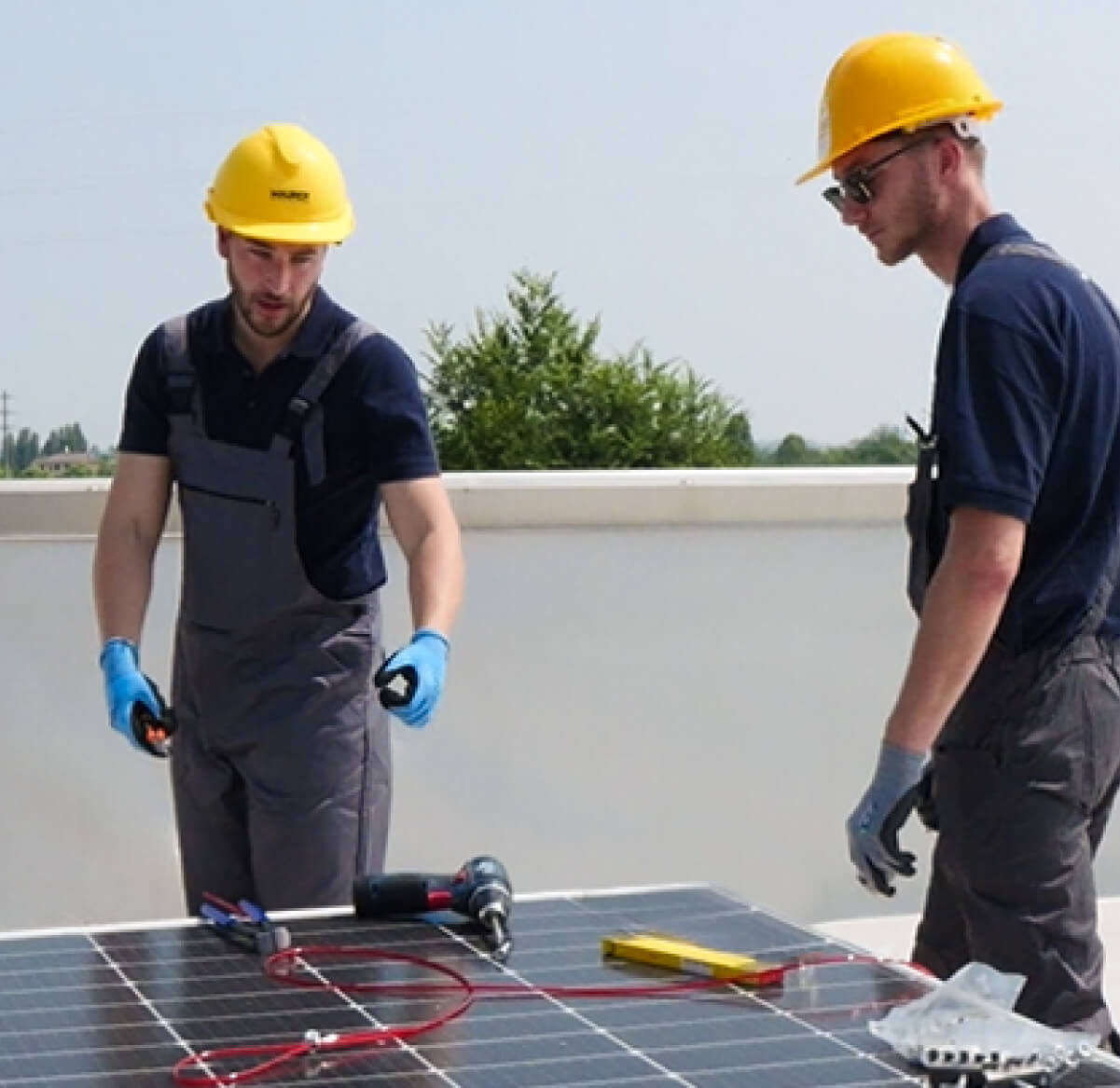
waterproofing. For installers, that translates into faster assembly, fewer tools, and less time
coordinating with other trades.
From an engineering perspective, wind load, uplift, and roof pressure distribution are the
critical variables. A well-designed ballasted system supports more reliable load spreading and
can be configured to match different exposure zones, parapet heights, and module layouts. This
is especially useful when you need to optimize both stability and the number of panels
installed.
Equally important is support during design: having technical guidance for system sizing, layout
choices, and project development reduces responsibility stress for engineers and designers. With
tested solutions and clear documentation, you can move from preliminary concept to execution
with more confidence and fewer revisions.
What to look for in a wind-resistant flat-roof
PV solution
When evaluating a high wind load solar mounting system for the
Italian market, focus on three essentials: proven reliability, installation simplicity, and
design support. Reliability means durable materials, stable concrete ballast, and solutions
developed to perform under strong gusts and changing roof conditions. Simplicity means fewer
parts, intuitive assembly, and a workflow that keeps crews productive.
Also consider flexibility: multiple tilt angles, compatibility with common PV modules, and
layouts that help manage shading and maintenance access. For distributors, these features make
the product easier to specify and sell. For installers, they reduce surprises on site.
Finally, prioritize a partner-style approach: technical assistance, accurate dimensioning, and
commercial support that follows the project from planning to installation. In flat-roof
photovoltaics, speed matters—but stability matters more. The right system helps you deliver
both, with a cleaner roof, fewer risks, and a PV plant designed to stay secure over time.