Why High Strength PV Panels Matter on Italian
Flat Roofs
Choosing high strength pv panels is only half the job—what really
determines long-term performance on Italian flat roofs is how those modules are supported.
Installers and designers face a familiar mix of challenges: wind uplift near coastlines,
variable roof membranes, strict safety requirements, and the pressure to deliver projects
quickly. High strength pv panels are built to handle demanding mechanical loads, but they still
need a mounting approach that protects the waterproofing layer and keeps the array stable over
time.
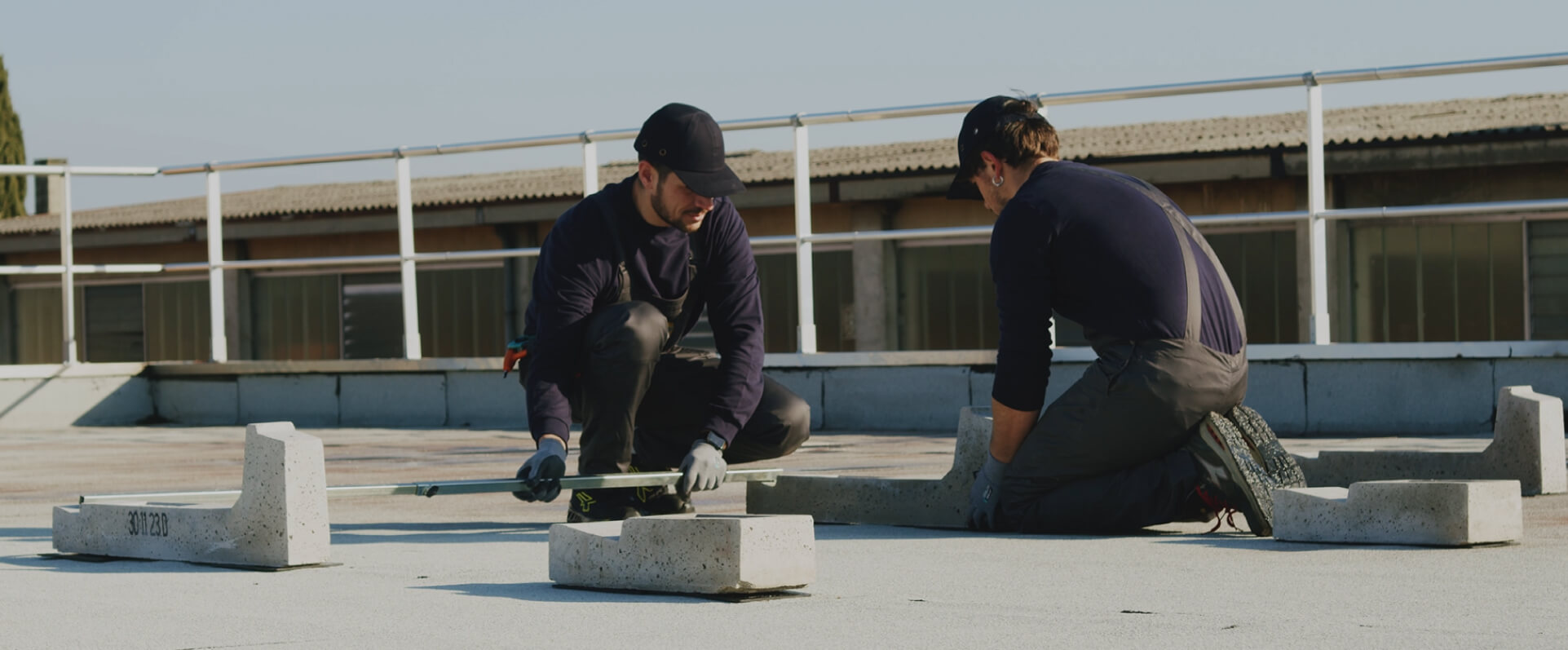
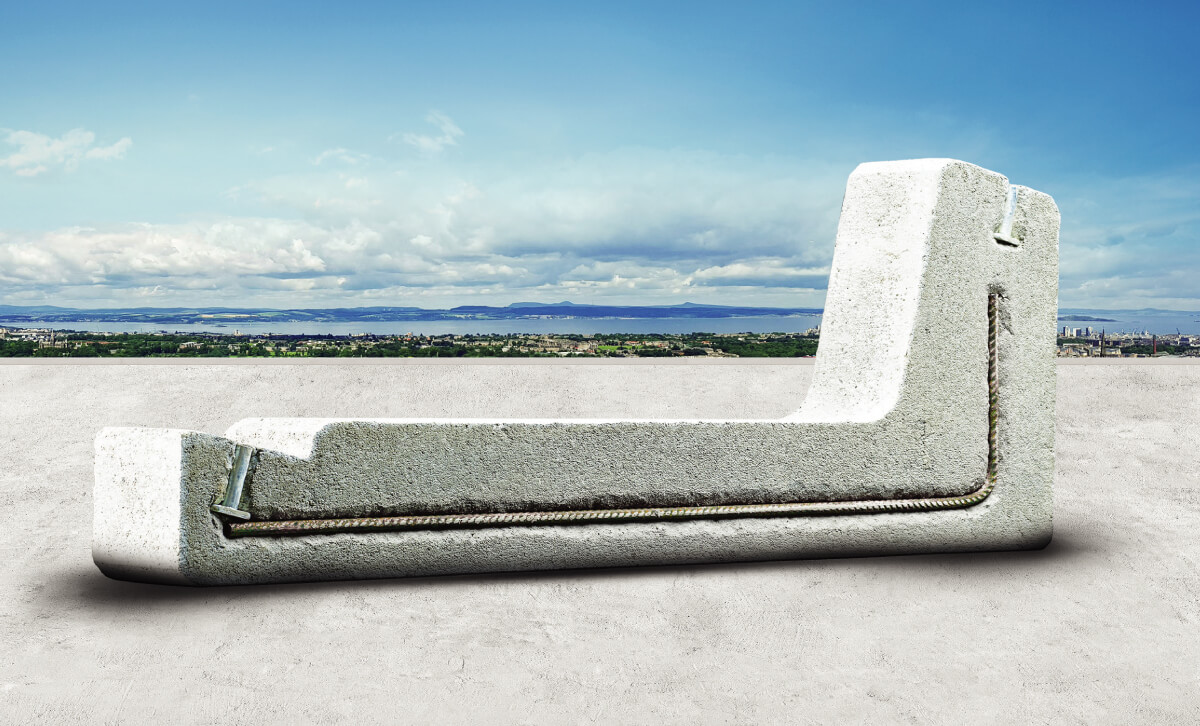
A no-penetration solution based on concrete ballast helps reduce risk on flat roofs because it
avoids drilling into the roof covering. That means fewer chances of leaks, less rework, and a
cleaner handover to the client. For installers, it translates into faster staging and simpler
assembly—fewer components, fewer tools, and fewer surprises on site. For engineers and technical
offices, it supports more predictable design choices, with reliable data for wind and load
calculations. When your goal is a durable, efficient PV plant, pairing high strength pv panels
with a robust flat-roof ballast structure is a practical way to improve installation speed,
safety, and overall system reliability.
Faster Installation, Less Complexity: What
Pros Look For
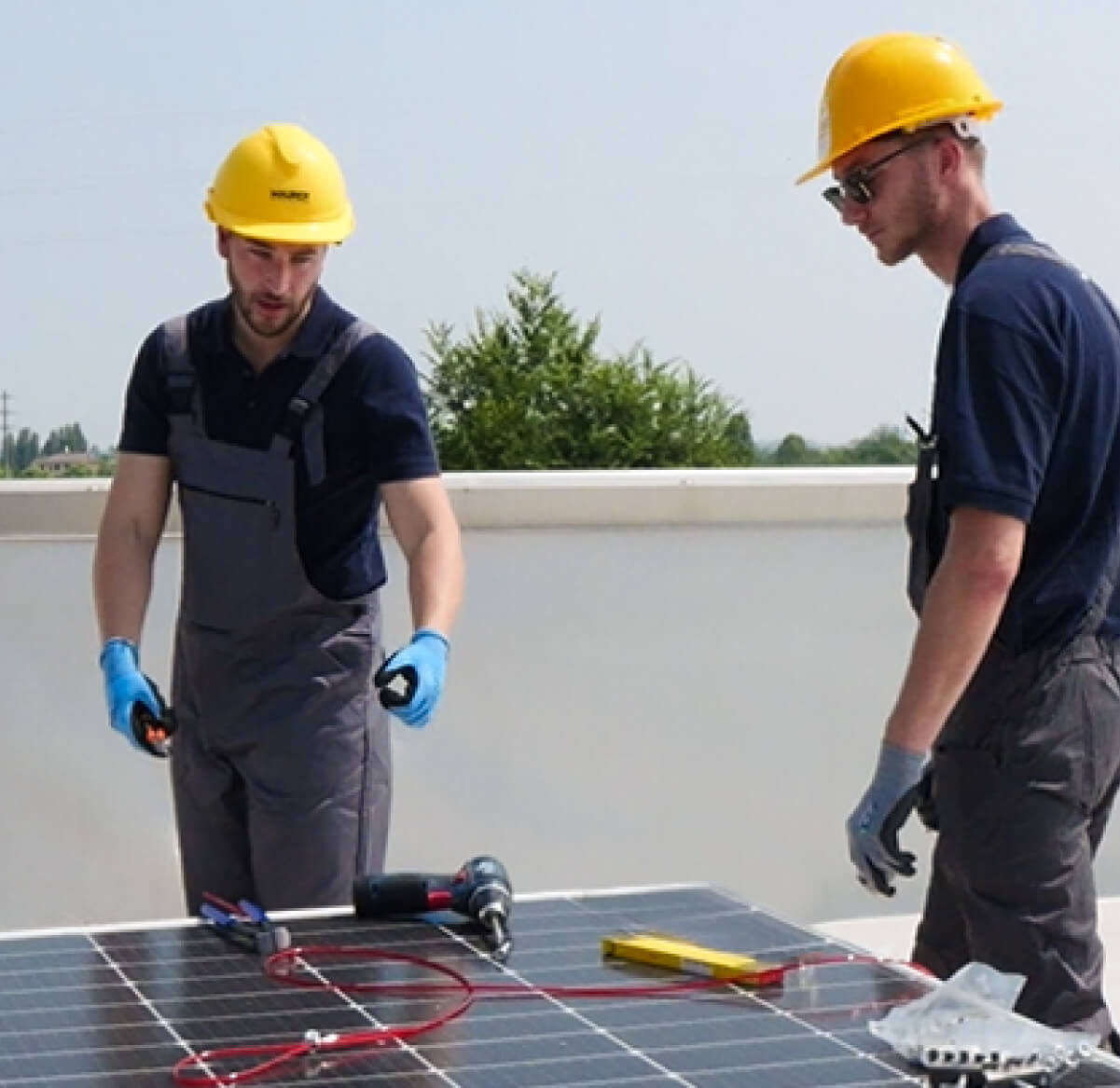
Professional PV installers in Italy are focused on one thing:
completing more jobs with fewer delays. A streamlined flat-roof system designed for high
strength pv panels can significantly cut installation time because it eliminates roof
penetrations and reduces the number of mounting parts to manage. Less time measuring, drilling,
sealing, and inspecting means more time commissioning the system—and fewer callbacks.
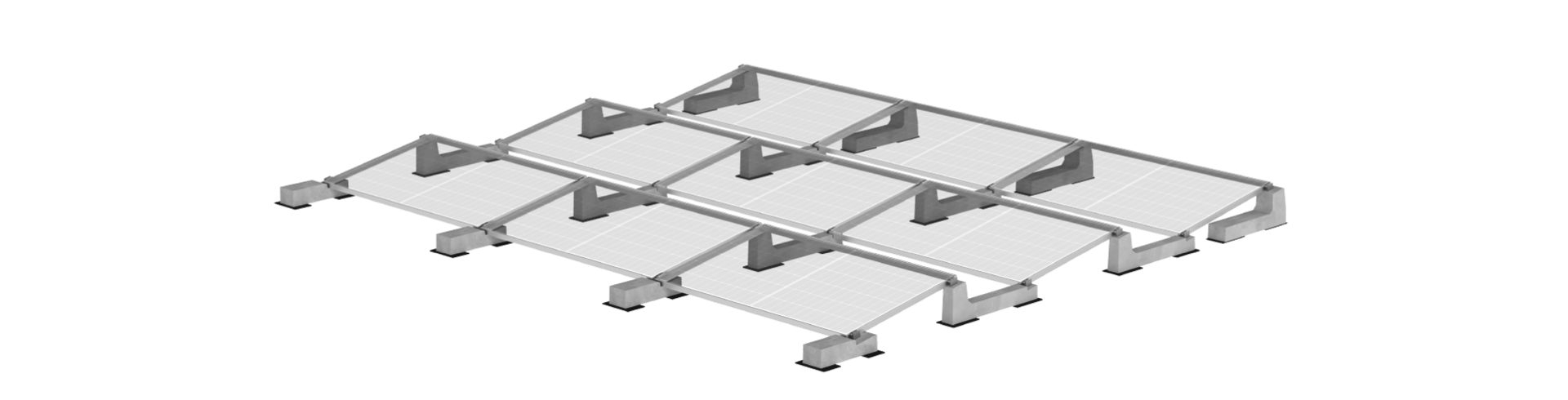
From a technical standpoint, the right ballast configuration also supports better array
stability. Concrete weights, optimized tilt options, and layouts engineered for flat roofs help
manage wind loads and distribute pressure correctly. This is especially relevant when working on
large commercial roofs, where consistent performance across the entire field matters.
For distributors and wholesalers, easy-to-sell solutions are those that reduce objections:
compatibility with common PV module formats, clear documentation, and dependable supply. When
high strength pv panels are combined with a mounting approach that is intuitive, tested, and
jobsite-friendly, the value proposition becomes simple: faster installs, reduced risk, and a
professional result that stands up to real-world conditions.
Design Support and Reliability for High
Strength PV Panels Projects
For engineering firms and project designers, high strength pv
panels are attractive because they can meet higher mechanical requirements—but compliance and
accountability still depend on the full system design. That’s why technical support during the
planning phase is critical: correct sizing, accurate load assumptions, and a layout that fits
the roof geometry without compromising safety.
A flat-roof ballast solution can be developed from concept to execution with dedicated
assistance: preliminary checks, system dimensioning, and practical guidance that helps
installers avoid on-site improvisation. With fewer unknowns, designers reduce
responsibility-related stress and gain confidence that the plant will behave as expected under
wind and operational loads.
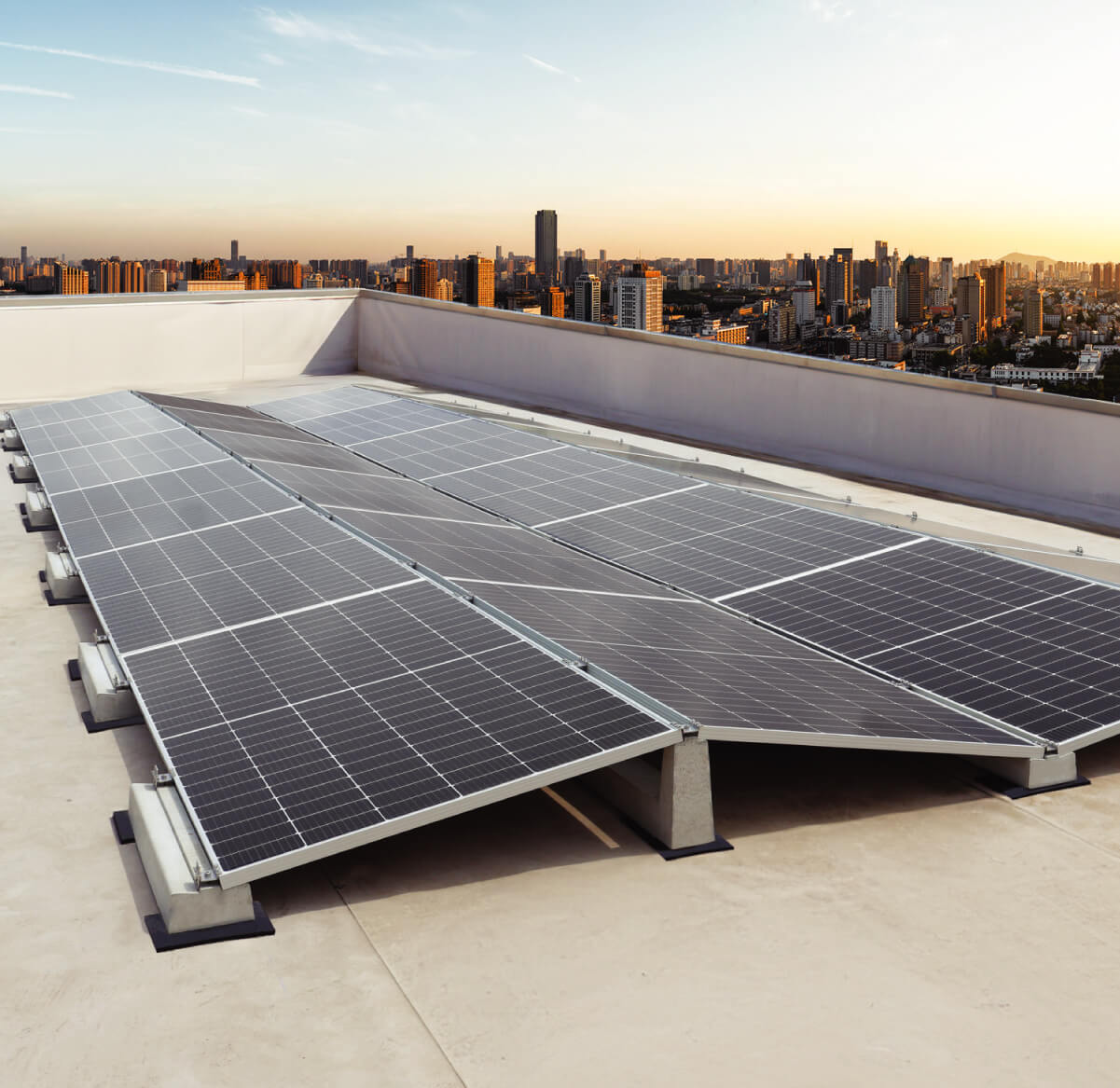
If your priority is a robust PV installation on a flat roof in Italy, consider an approach that
treats high strength pv panels as part of a complete solution—not just a component. By combining
durable modules with a no-drill, concrete-ballast mounting strategy, you get a build that is
faster to install, safer for the roof membrane, and engineered for long-term reliability.