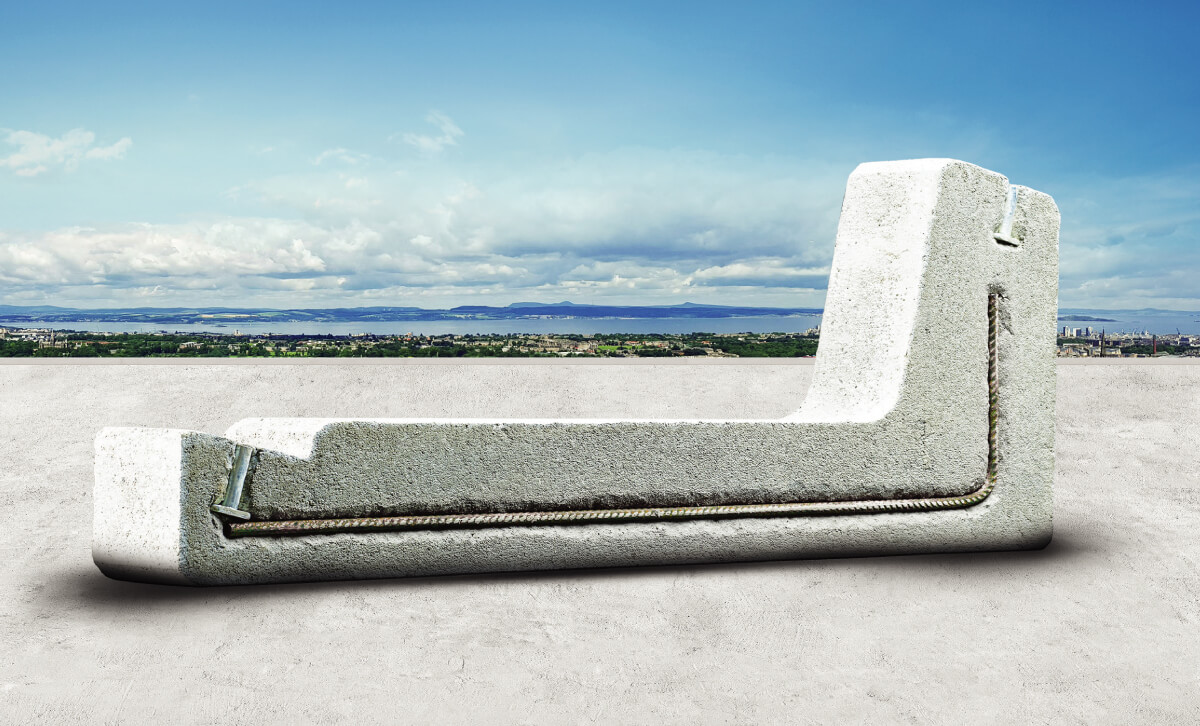
Flat Solar Panel on Flat Roofs: The Smarter
Way to Build PV in Italy
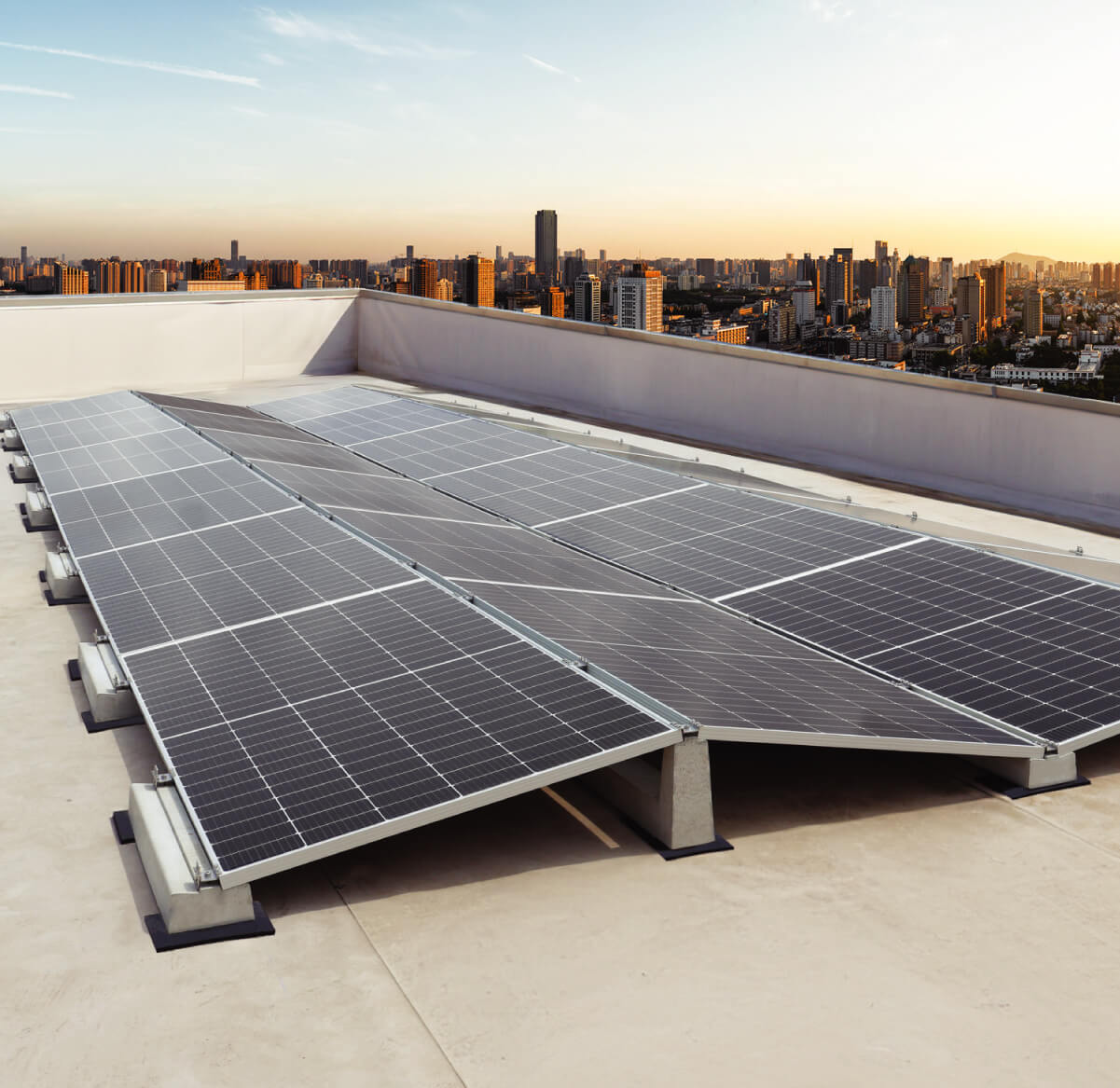
Installing a flat solar panel on a flat roof should be
straightforward, but in real Italian job sites it often turns into extra hours, extra
components, and extra risk. Traditional fixing systems can require roof penetrations, detailed
waterproofing checks, and time-consuming alignment—especially on large commercial rooftops. A
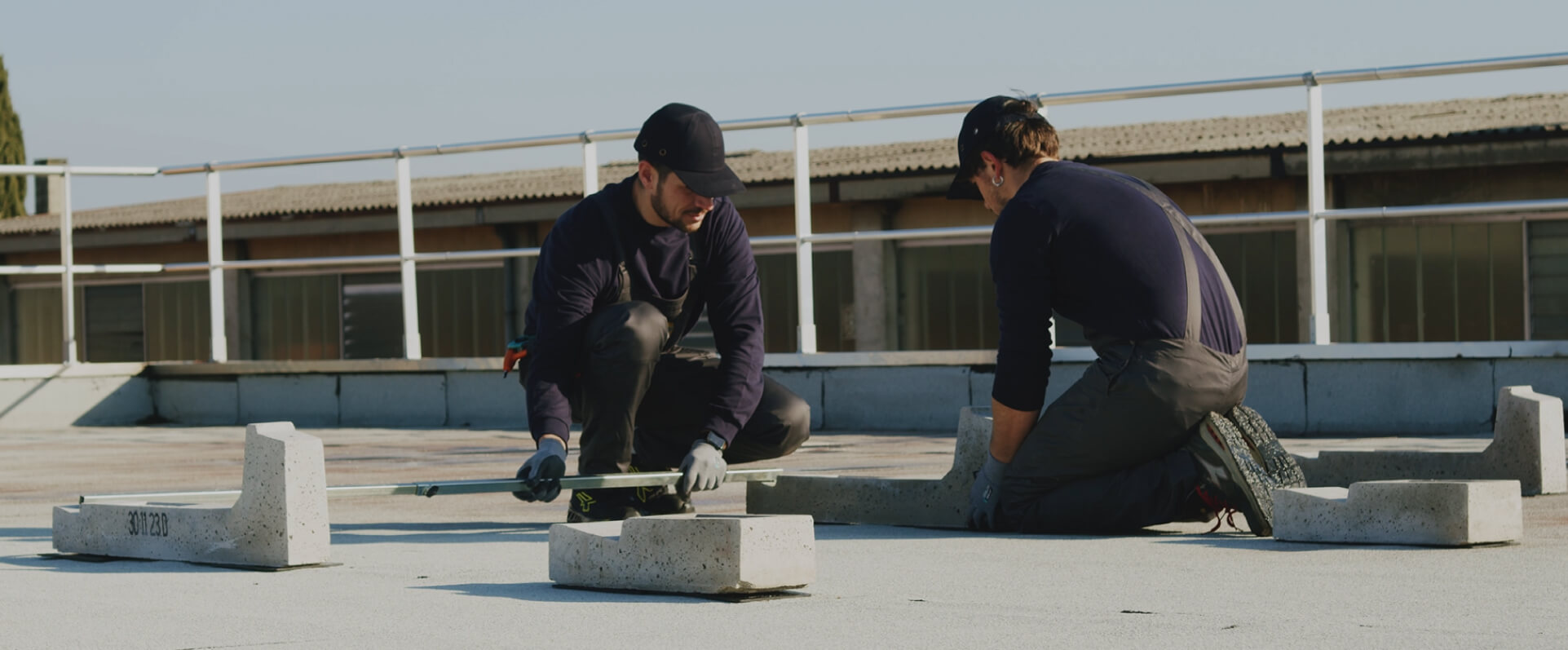
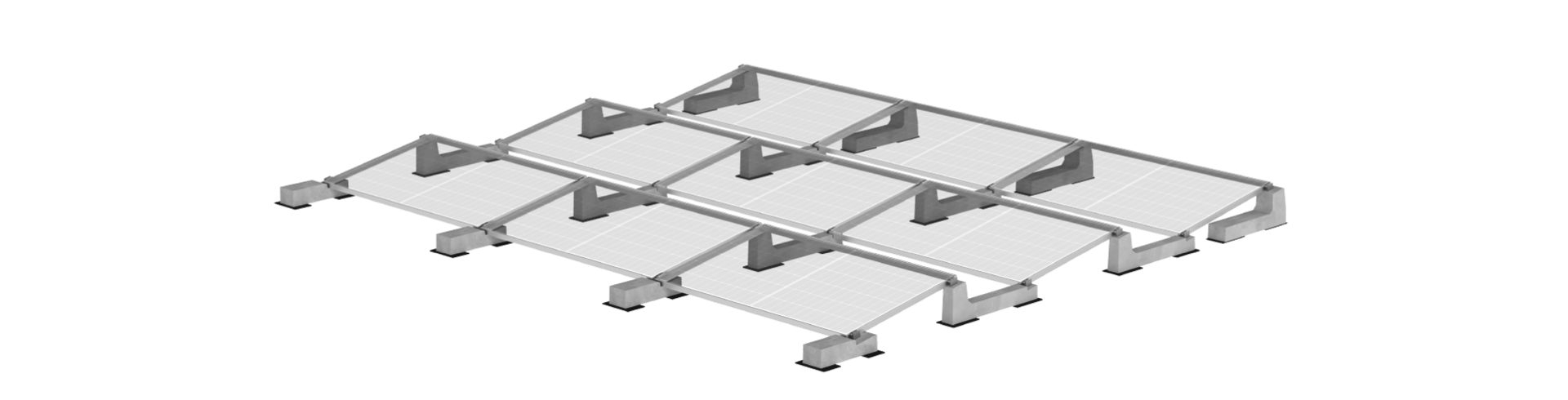
ballast-based mounting approach changes the game: the structure is held in place by engineered
concrete weights, so you can install photovoltaic panels without drilling the roof membrane. For
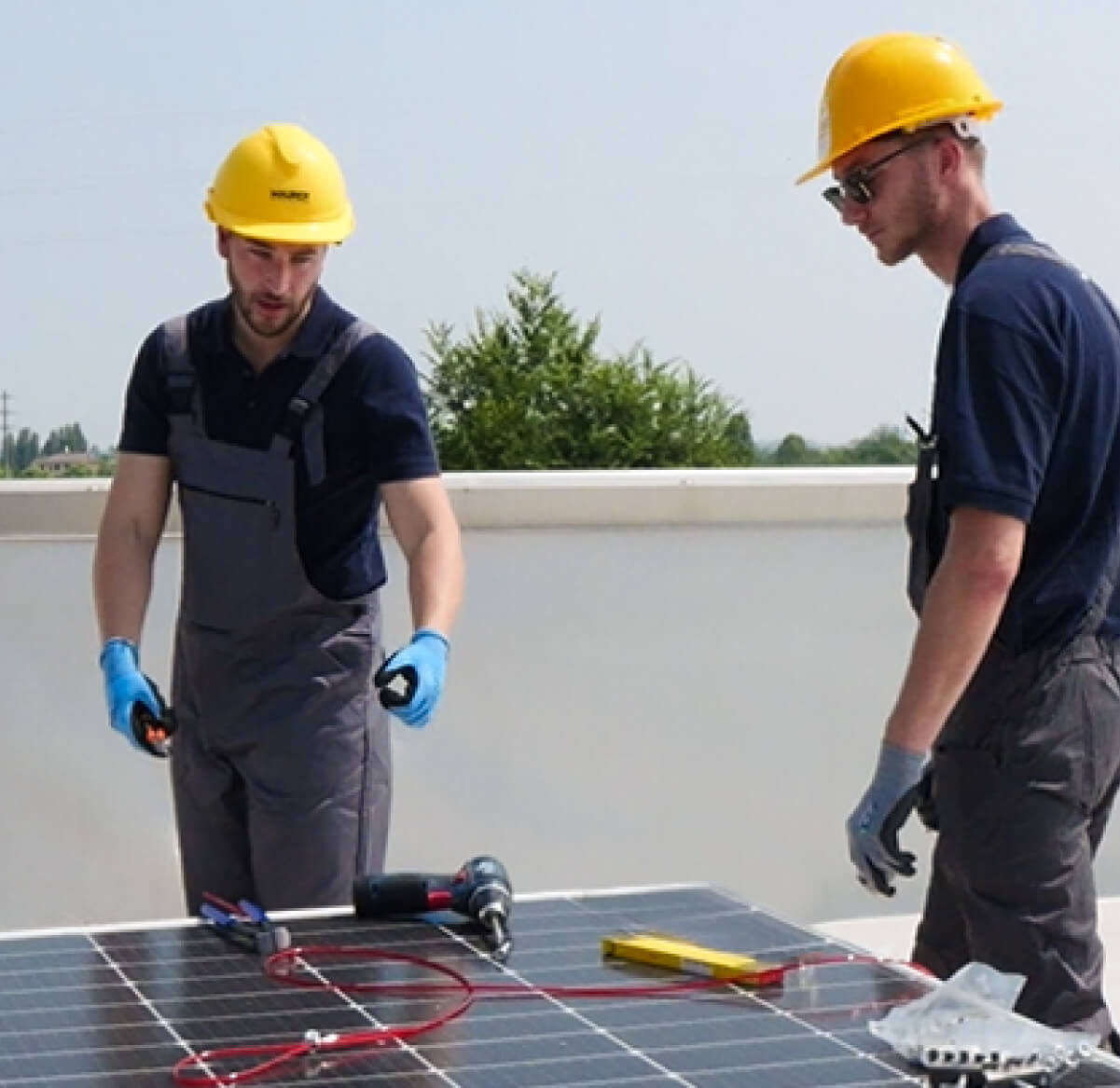
installers, that means fewer steps, faster positioning, and a cleaner workflow from pallet to
commissioning. For designers and engineers, it means predictable loads, tested configurations,
and a clearer path to compliance. Whether you’re working on industrial sheds, logistics hubs, or
office buildings, a flat solar panel system designed for flat roofs helps reduce complexity
while protecting the roof’s integrity. The result is a PV installation that is quicker to
deploy, easier to manage in the field, and better aligned with client expectations on safety and
durability—without sacrificing performance or reliability.
Why Ballasted Structures Make Flat Solar Panel
Installations Faster and Safer
The biggest advantage of a ballasted solution is simple: no
penetrations. By avoiding roof drilling, you reduce the chance of leaks, callbacks, and disputes
about waterproofing responsibilities. On site, fewer components and pre-engineered layouts
translate into faster assembly and fewer errors. For Italian installers aiming to increase daily
output, that speed matters. For technical teams, wind and load behaviour are central: a flat
solar panel array must handle uplift, friction, and distributed weight across the roof. Using
concrete ballast supports designed specifically for flat roofs helps you manage these variables
with proven data and standardized options. You also gain flexibility in tilt angles and row
spacing, supporting better energy yield while respecting rooftop constraints like parapets, HVAC
units, and maintenance paths. Add practical benefits—clean cable routes, orderly module
alignment, and easier access for inspection—and you get a system that feels engineered for
real-world construction, not just for the datasheet.
Technical Support for Installers, Designers,
and Distributors—Without Naming the Brand
In B2B solar, the product is only half the solution. What
professionals in Italy really need is a partner-like workflow: technical support during design,
accurate system sizing, and commercial assistance that keeps projects moving. A robust flat
solar panel mounting strategy for flat roofs should come with reliable documentation, certified
performance, and clear guidance for wind calculations and rooftop loads. That reduces design
responsibility pressure for engineers and gives installers confidence that what they’re building
will stand up over time. Distributors benefit too: a recognizable, easy-to-explain solution with
steady demand is simpler to stock and sell. If your goal is to deliver more flat-roof PV
projects with fewer headaches, choose a system built around reliability, simplicity, and ongoing
innovation. The payoff is tangible: faster installs, fewer site complications, and a safer
roof—helping you complete more jobs on schedule and with less operational friction.