Why Flat Solar Panels Are Ideal for Italy’s
Flat Roofs
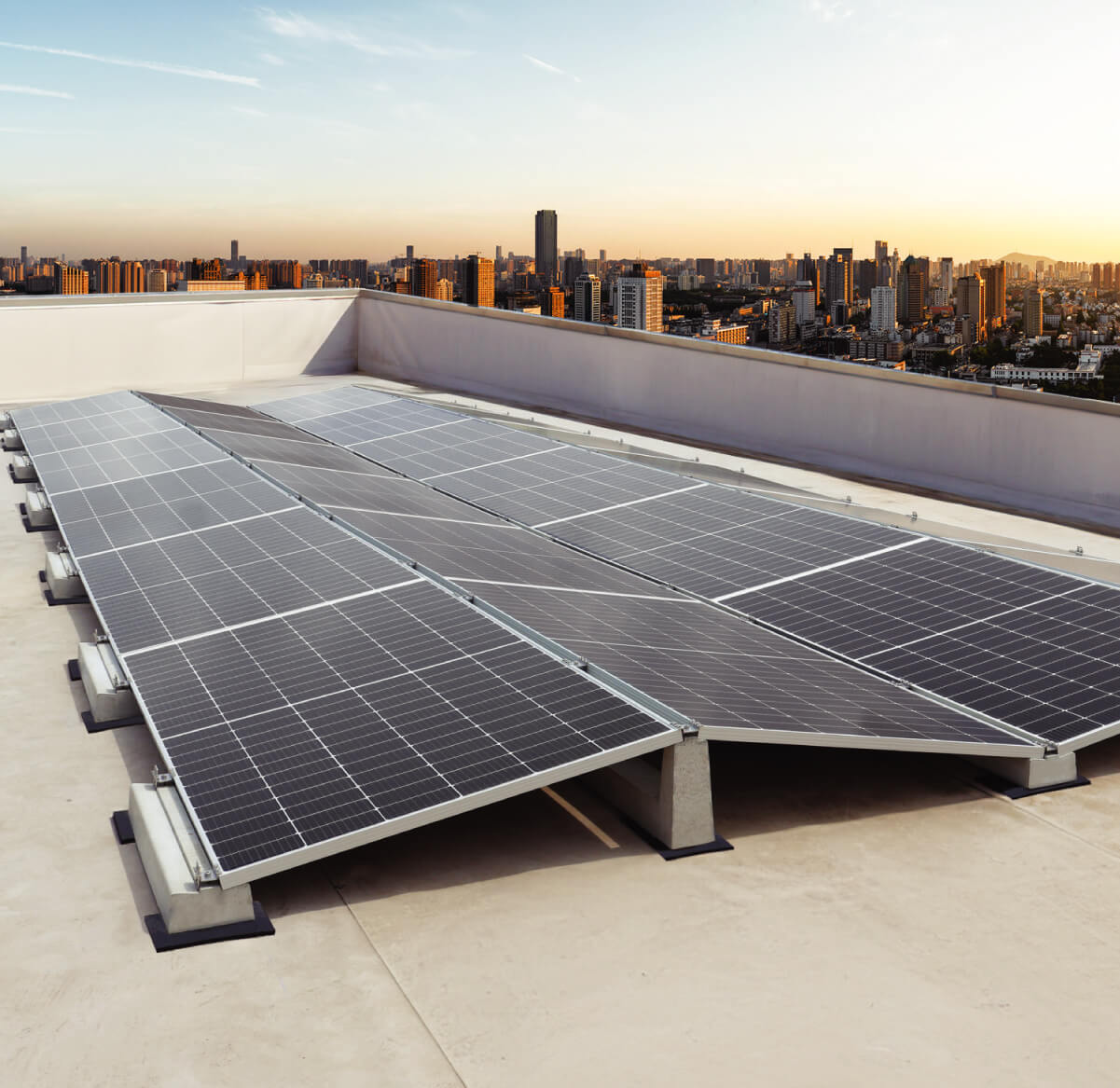
Flat solar panels are one of the smartest choices for industrial
buildings, warehouses, and commercial properties across Italy—especially where flat roofs are
common. They help turn unused roof space into clean energy while keeping maintenance access
simple and roof aesthetics tidy. For installers and designers, the real challenge is not the
panel itself, but the mounting strategy: wind uplift, roof loads, waterproofing integrity, and
installation time all impact project success. That’s why ballasted PV mounting solutions have
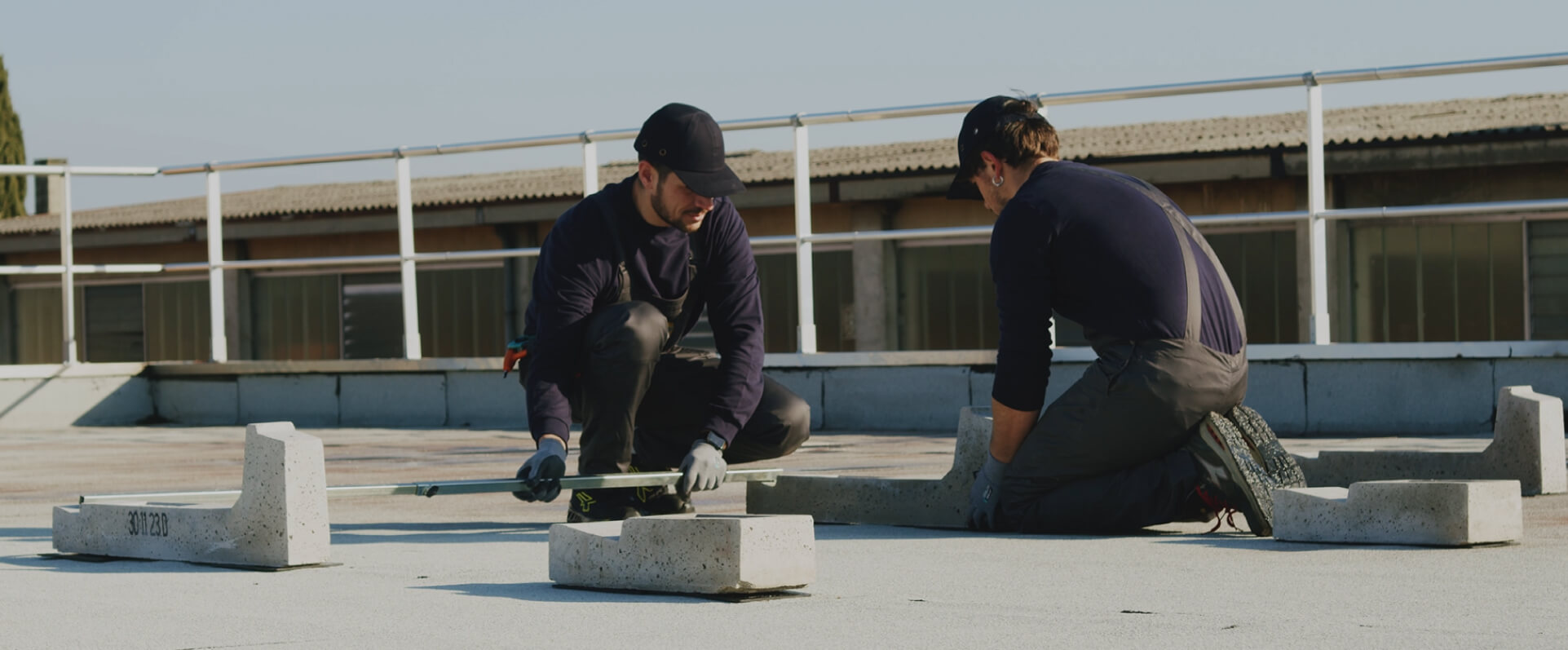
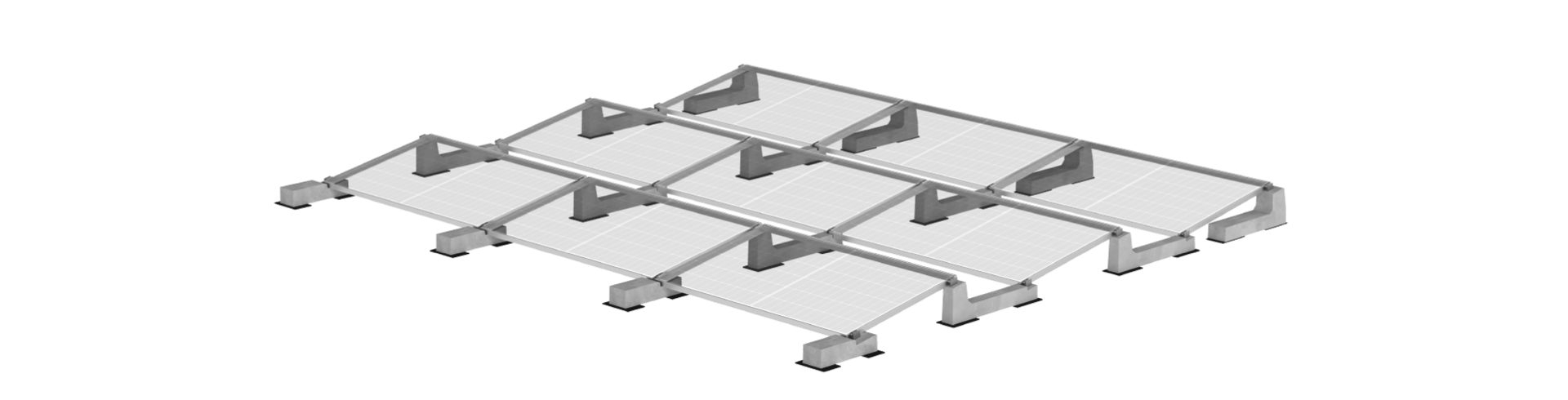
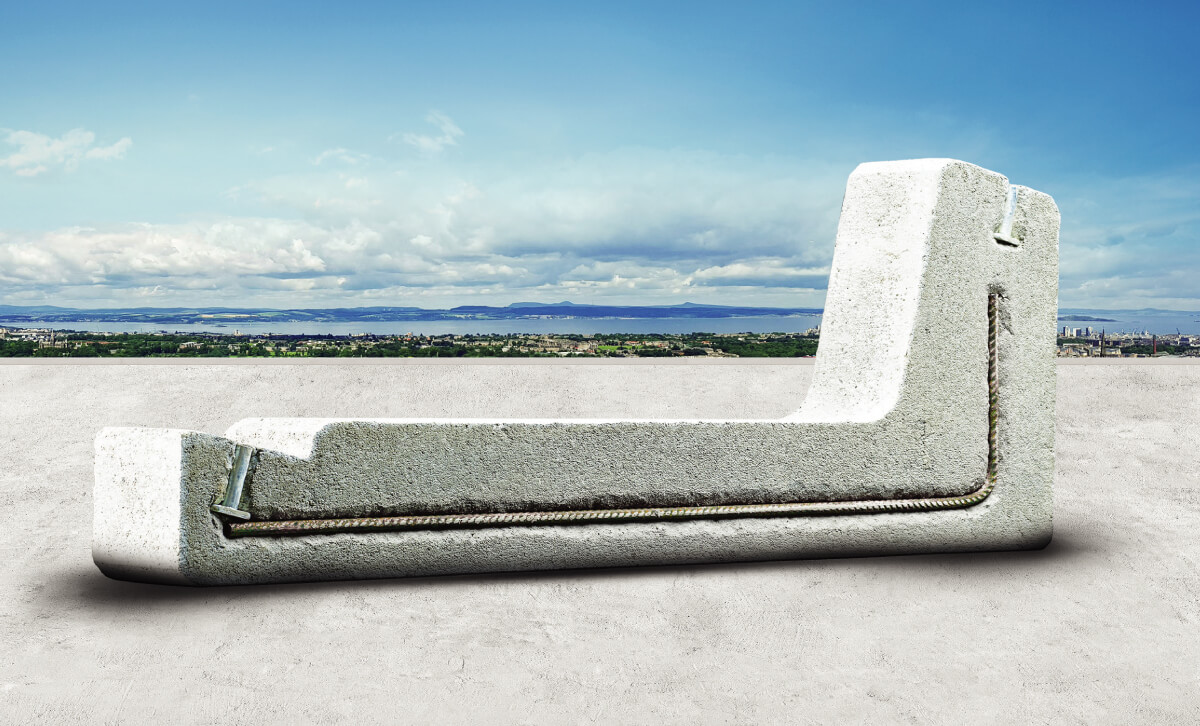
become a preferred option for flat-roof photovoltaics. By using concrete ballast blocks instead
of roof penetrations, you can avoid drilling and reduce the risk of leaks, membrane damage, and
long-term callbacks. The result is a more predictable site workflow, fewer components to manage,
and quicker commissioning—key advantages in competitive tenders. In addition, properly
engineered tilt angles can improve energy yield without complicating the structure, supporting
better performance in Italy’s varied climatic zones. When paired with reliable technical data
and tested configurations, flat solar panels can be deployed with confidence on many roof types,
from bituminous membranes to TPO and concrete decks. For B2B professionals, choosing a complete
mounting approach—technical support, system sizing, and project assistance—often makes the
difference between a smooth installation and a job that stalls. With the right solution, flat
solar panels become a fast, safe, and efficient route to scalable solar generation on flat
roofs.
Non-Penetrating Mounts: Less Risk, More Speed
on Site
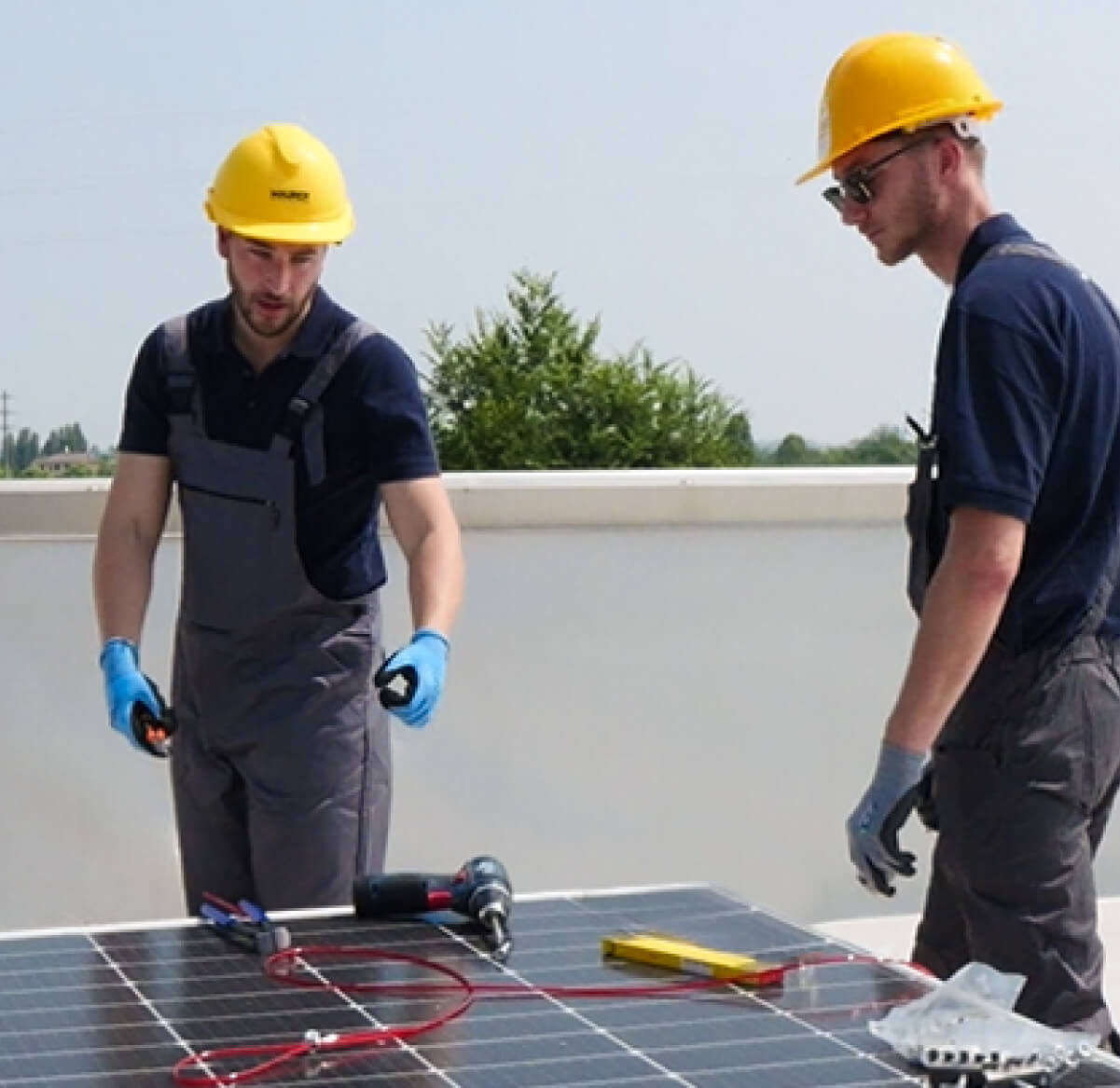
For photovoltaic installers, time on the roof is money—and flat
solar panels should not require complex substructures or risky fixings to be profitable. A
non-penetrating, ballasted mounting system is designed to streamline installation: no drilling,
fewer rooftop operations, and reduced dependence on roof condition. This approach is
particularly valuable on waterproofed surfaces where penetrations can introduce liability and
require additional sealing steps. Concrete ballast solutions also simplify logistics: components
are robust, intuitive to assemble, and engineered to keep panels stable under wind loads when
correctly sized. For engineering teams, having access to verified load data and tested
configurations supports safer design decisions and clearer documentation. For distributors, it’s
easier to recommend a product category that is in steady demand and solves common jobsite pain
points. In short, the mounting choice directly affects speed, safety, and repeatability. If your
goal is to install flat solar panels on flat roofs with fewer surprises, prioritizing a proven
ballasted structure can reduce installation complexity while improving overall project
reliability.
A Complete Partner Approach for Flat-Roof
Photovoltaics
Flat solar panels deliver their best value when the entire rooftop
system is designed as a complete solution, not a collection of parts. Professionals working on
flat-roof PV projects benefit from technical support during planning, accurate system sizing,
and assistance that carries the project through execution. This is especially important when
evaluating wind exposure, ballast requirements, and layout optimization—factors that impact both
compliance and long-term durability. A partner-led approach helps installers work faster with
fewer components, helps designers reduce calculation burden with dependable data, and helps
distributors offer a recognizable, easy-to-sell solution. The outcome is a smoother project
lifecycle: clearer planning, faster installation, and reduced operational risk. If you’re
specifying or installing flat solar panels in Italy, choose mounting strategies built for flat
roofs—non-penetrating, tested, and engineered for efficiency—so every project is easier to
deliver and simpler to maintain.