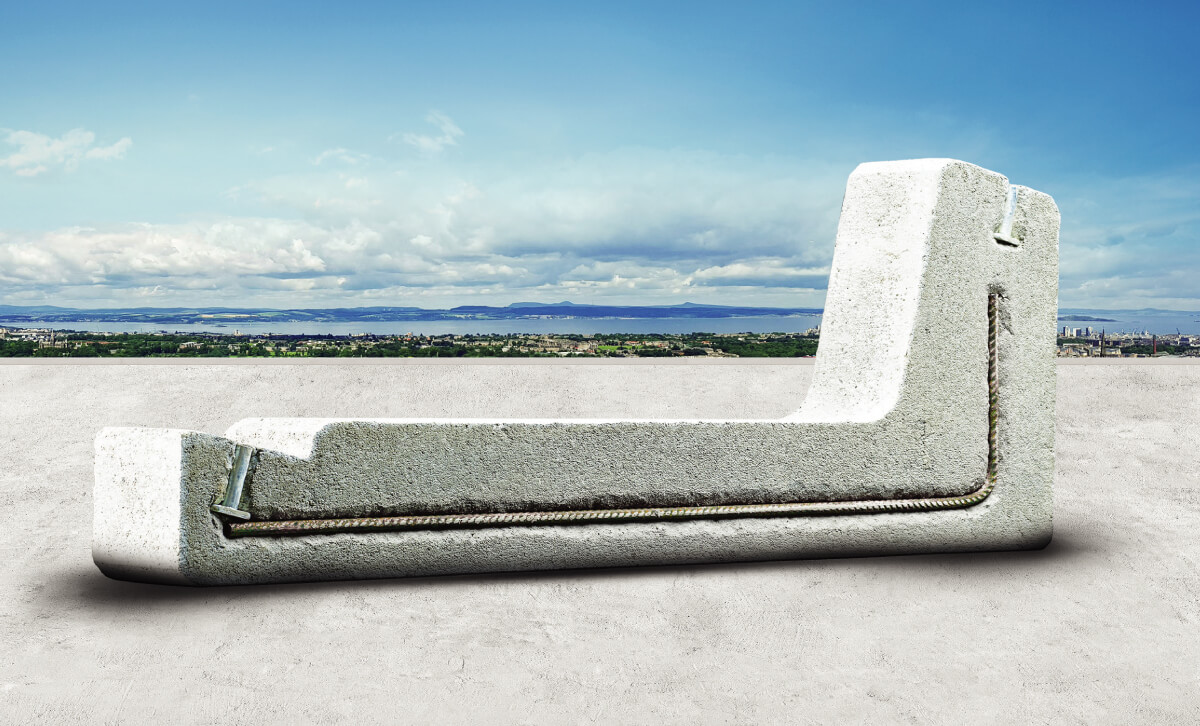
Why a Flat Rooftop Ballasted Solar Mount Makes
Sense in Italy
In the Italian PV market, speed on site and roof safety are
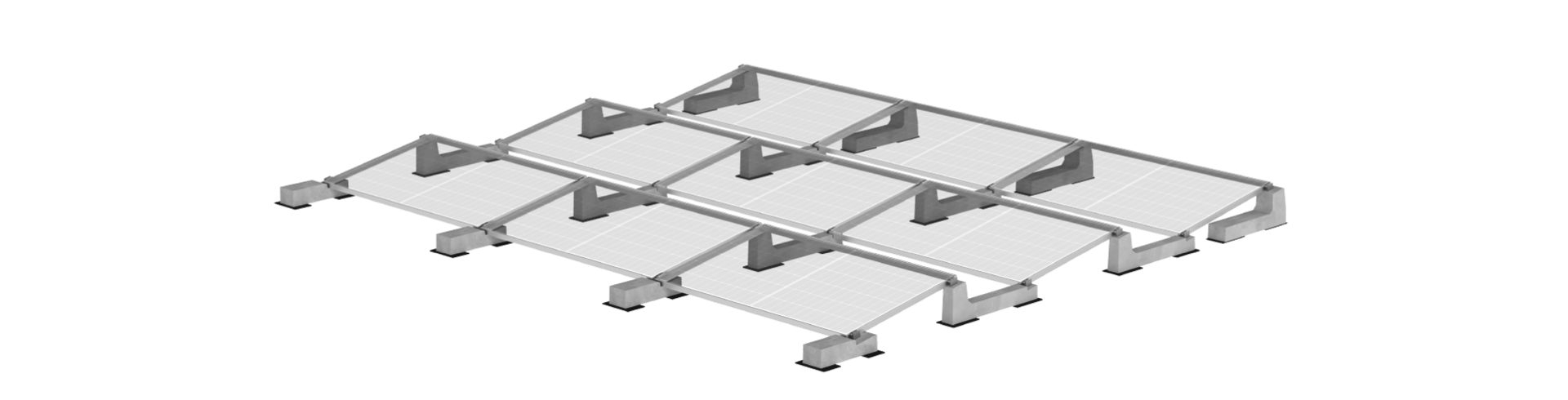
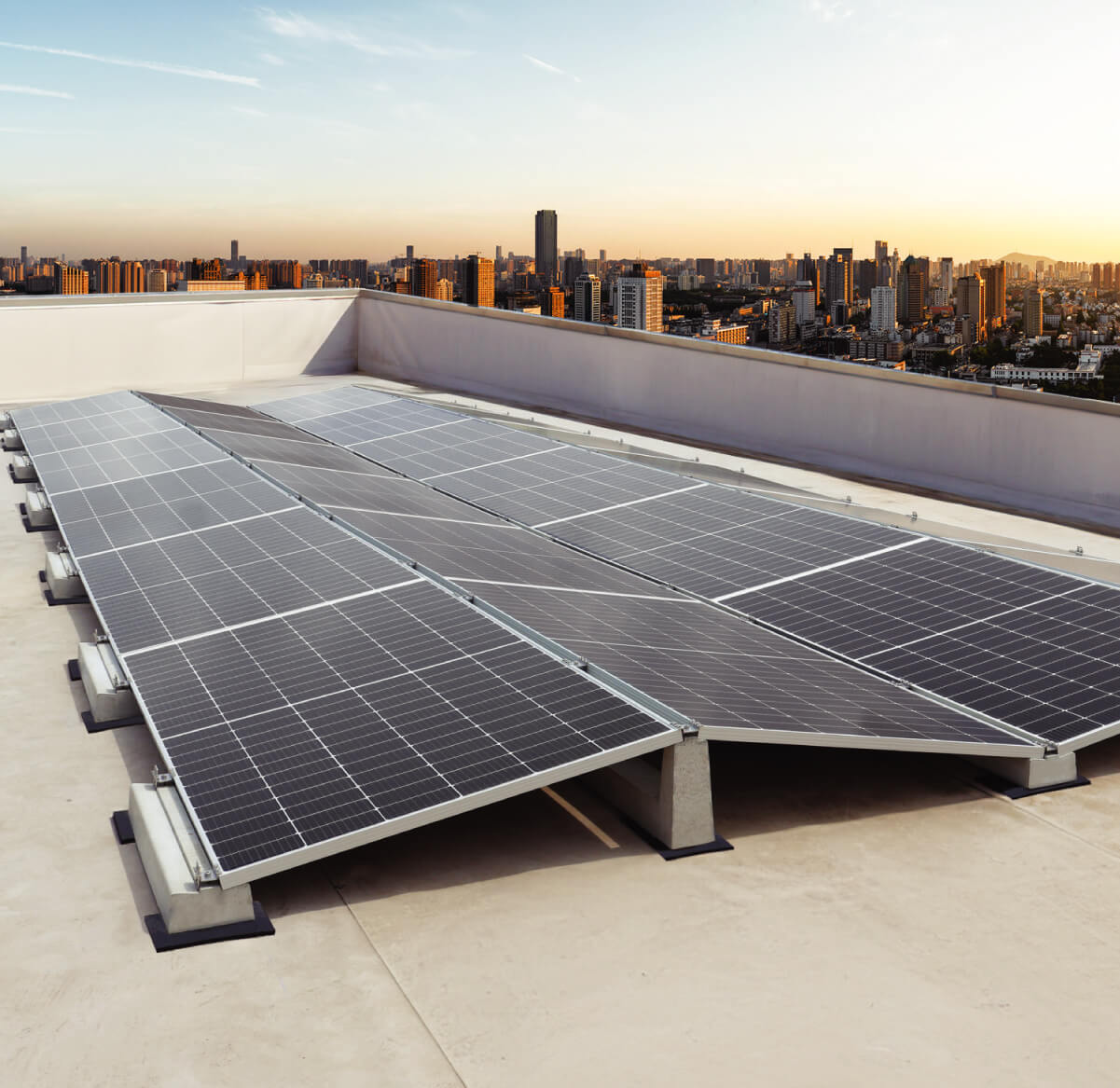
non-negotiable. A flat rooftop ballasted solar mount is designed precisely for that reality: it
supports photovoltaic modules using concrete ballast rather than roof penetrations. For
installers, this means fewer components to manage, cleaner logistics, and a faster workflow from
delivery to commissioning. For designers and engineers, it offers a predictable approach to
structural loads, wind uplift considerations, and layout planning—especially on industrial sheds
and commercial flat roofs. The key advantage is simple: no drilling into the waterproofing
layer, which helps reduce the risk of leaks and call-backs while protecting the integrity of the
roof membrane. Ballasted PV mounting systems are also ideal when the building owner requires
reversible solutions or when roof warranties must be preserved. With the right technical
support, you can move from preliminary design to final execution with fewer uncertainties,
clearer documentation, and a solution built around reliability, simplicity, and ongoing
innovation. If your goal is to deliver more projects per month without increasing headaches, a
flat rooftop ballasted solar mount can be the difference between a complicated structure and a
streamlined installation that works the first time.
Faster Installation, Fewer Risks: What
Installers Really Gain
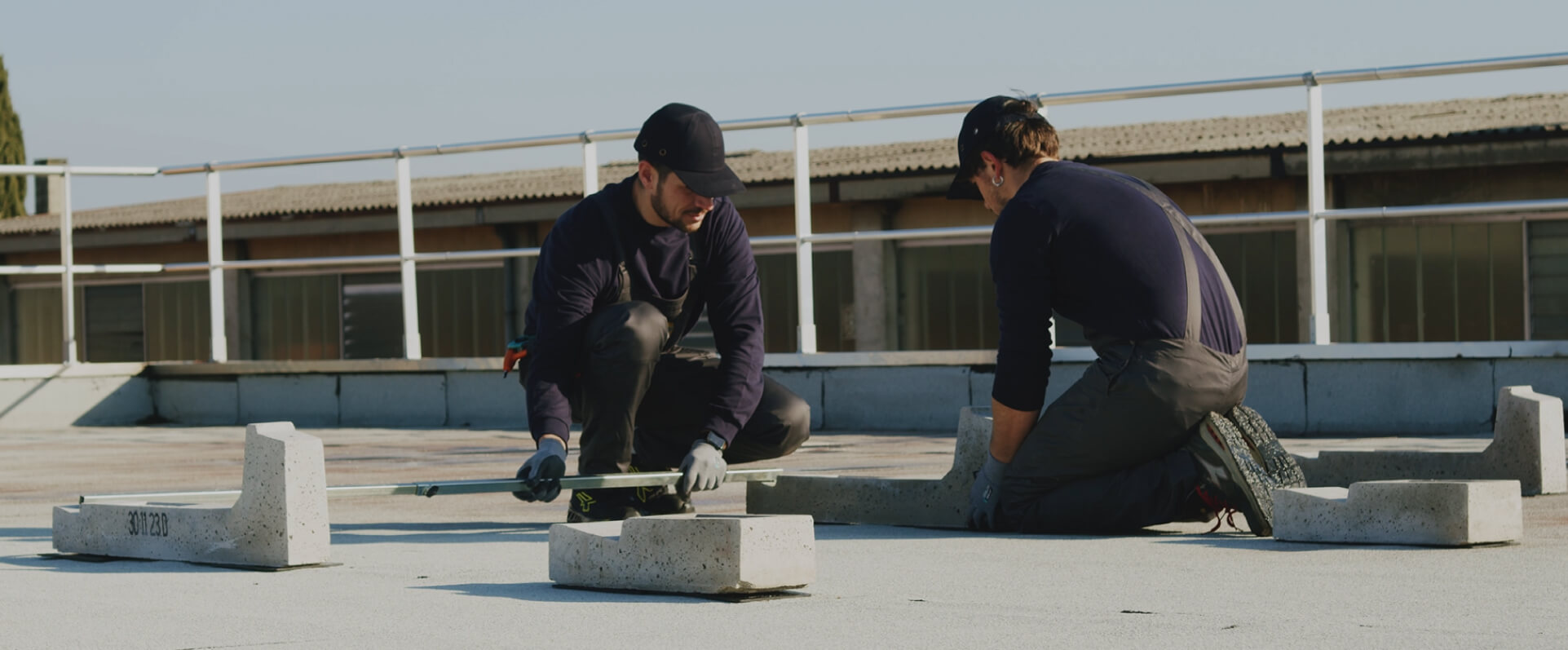
Installers choose ballasted mounting because it removes one of the
biggest site risks: making holes in a roof. A flat rooftop ballasted solar mount typically
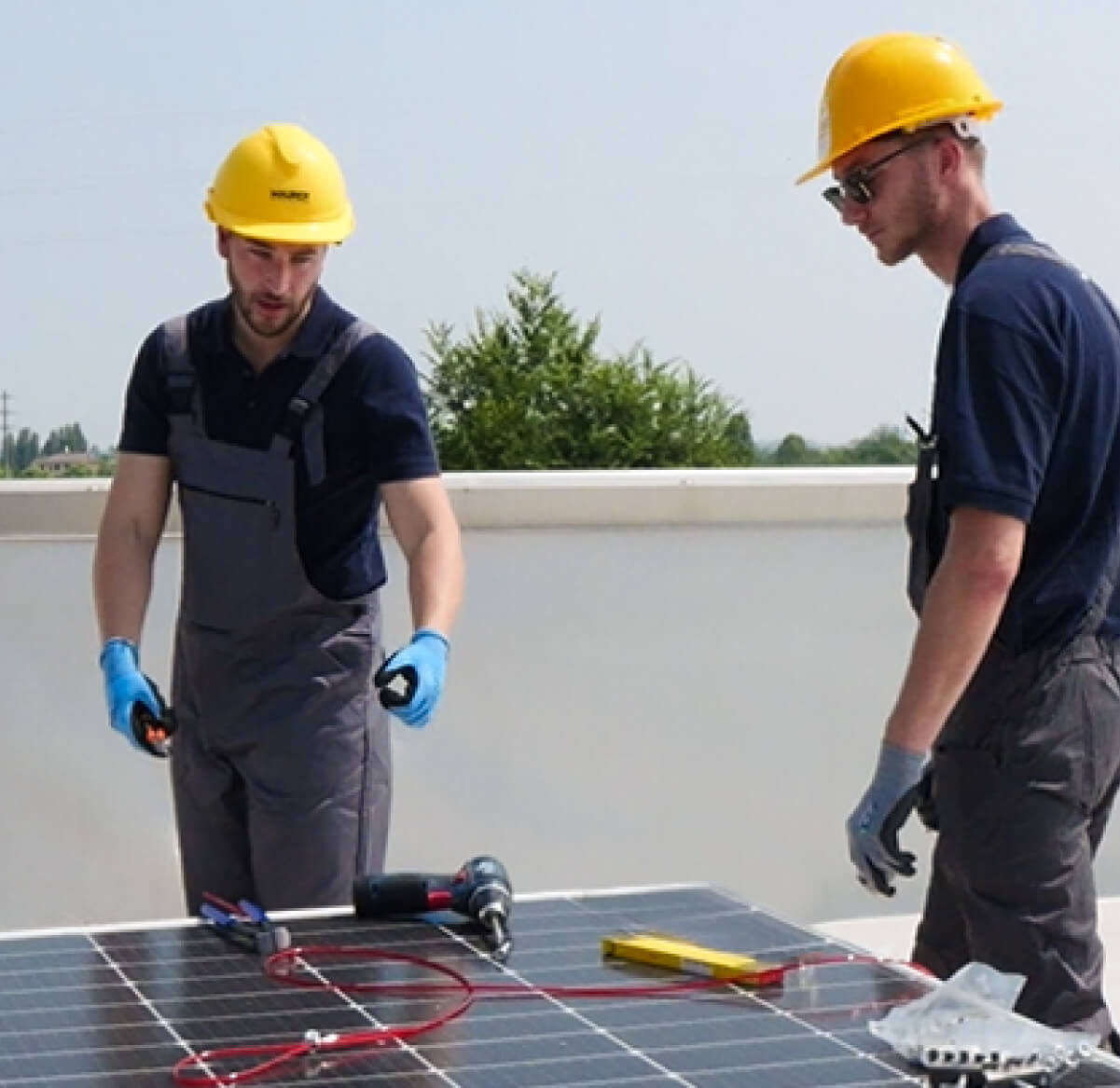
arrives as a straightforward system with reduced hardware, allowing teams to place, align, and
secure modules quickly. Less time spent measuring, drilling, sealing, and verifying fixings
translates into shorter installation times and more predictable scheduling—crucial when managing
multiple crews across Italy. Because the ballast provides stability, you can often simplify
on-roof operations and reduce the chance of mistakes that lead to rework. From a practical point
of view, this kind of non-penetrating solar racking can improve safety and site cleanliness,
while also supporting common flat-roof PV configurations such as south-facing tilt or optimized
layouts for spacing and shading control. The end result is a more efficient day on the roof,
fewer surprises, and a professional finish that helps protect your reputation with clients and
building owners.
Technical Support and Design Confidence for
Engineers and Distributors
For technical offices, the real value of a flat rooftop ballasted
solar mount is confidence in the project: reliable data, tested solutions, and support during
system sizing. Wind exposure, roof load limits, and array geometry can make flat-roof design
feel complex; having a partner-like approach helps reduce responsibility pressure and speeds up
decision-making. Distributors also benefit from a product that is easy to explain—concrete
ballast PV mounting, no roof penetrations, faster installation—and that meets steady demand
across commercial and industrial segments. When you combine dependable components with design
assistance and execution-ready documentation, the system becomes more than “a mount”: it becomes
a repeatable method to deliver PV on flat roofs efficiently. If you want to standardize your
workflow, lower operational complexity, and offer customers a solution that respects roof
integrity, a flat rooftop ballasted solar mount is a strategic choice for the Italian market.