Flat roofs in Italy: the fastest way to add
solar without roof penetrations
Flat roofs are one of the best surfaces for commercial and
industrial solar in Italy, but they can quickly become a headache when the mounting system
requires drilling, waterproofing work, and long installation times. Installers and designers
know the real risks: leaks, callbacks, extra labour, and complicated site logistics. A
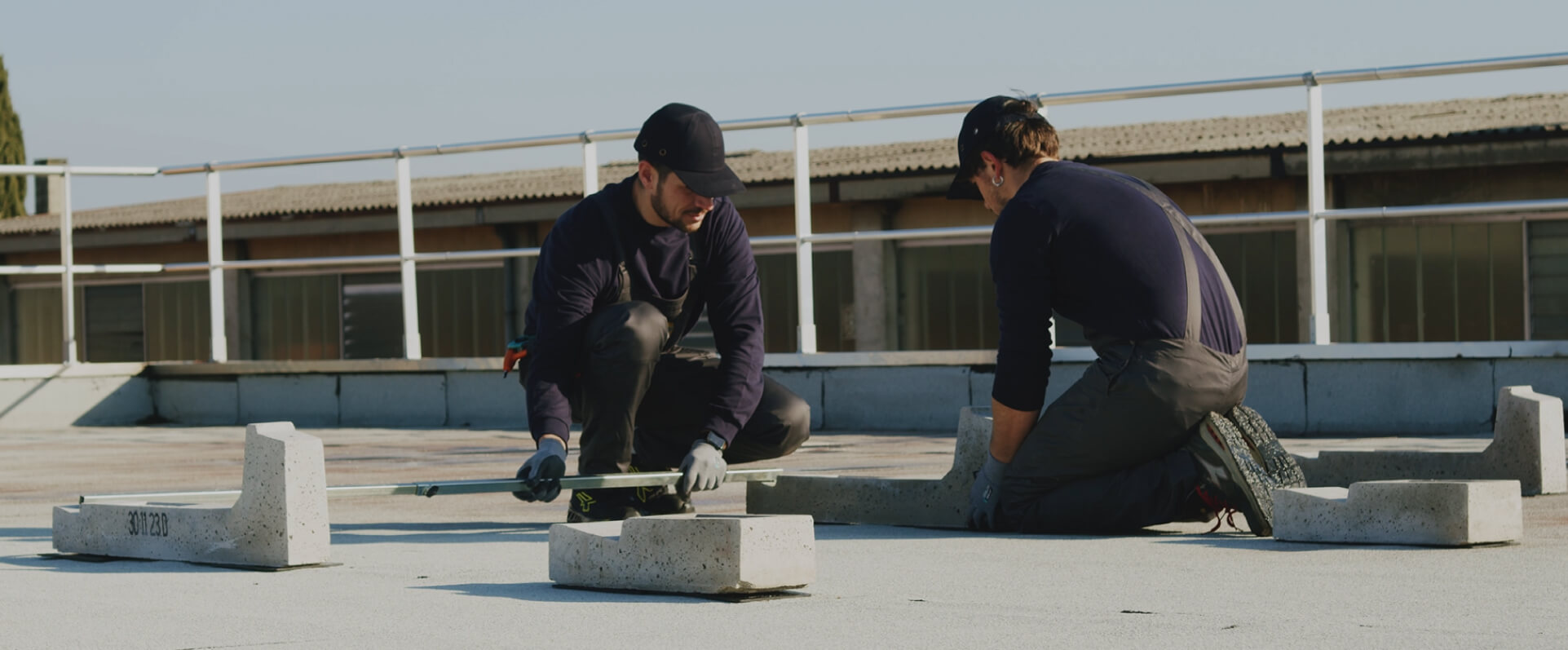
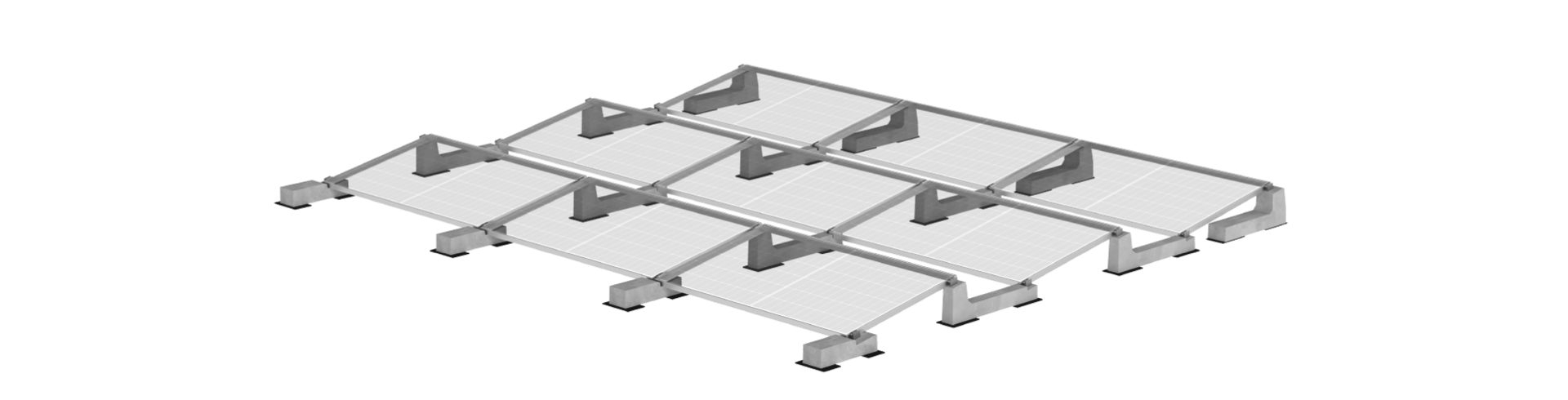
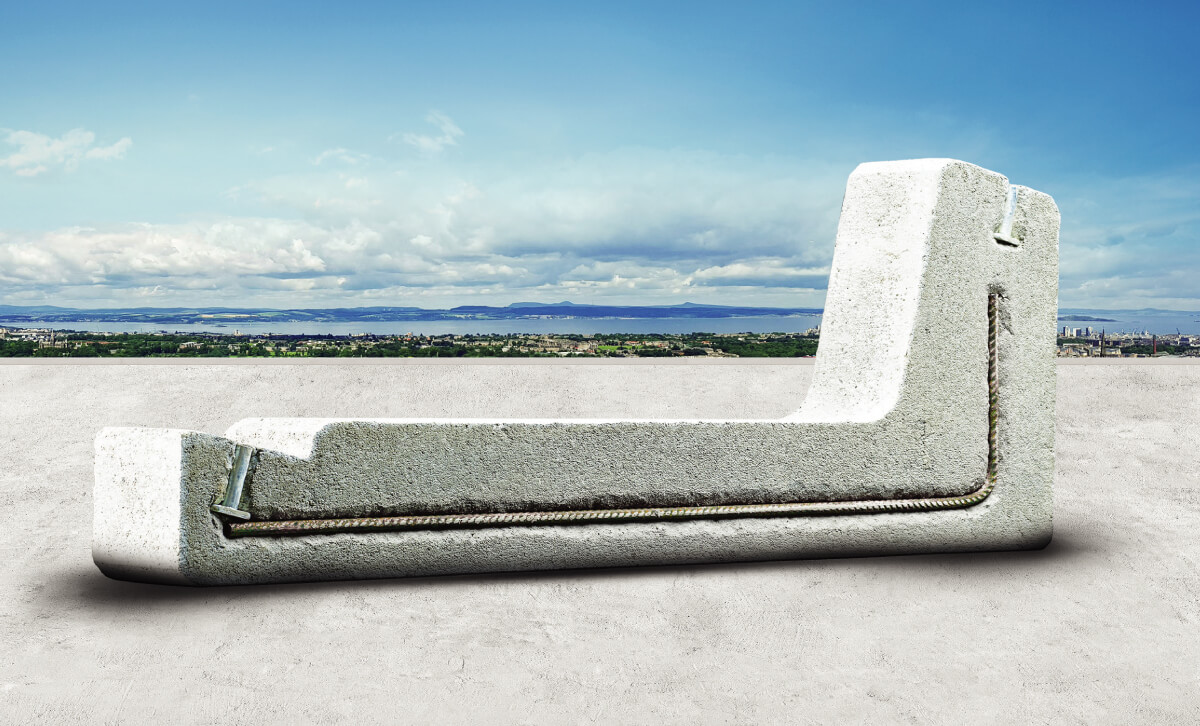
non-penetrating approach can change the whole job. Concrete ballast PV supports are engineered
to keep modules stable using weight and aerodynamics, so the roof membrane stays intact. That
means fewer components to manage on site, faster assembly, and a cleaner, more predictable
workflow. For EPCs and installers, this translates into better margins and fewer surprises; for
engineers and technical offices, it means a more straightforward path to compliant design with
reliable data for wind and load checks. When flat roofs are covered with bitumen, PVC, TPO, or
other membranes, avoiding penetrations is often the simplest way to protect the building and
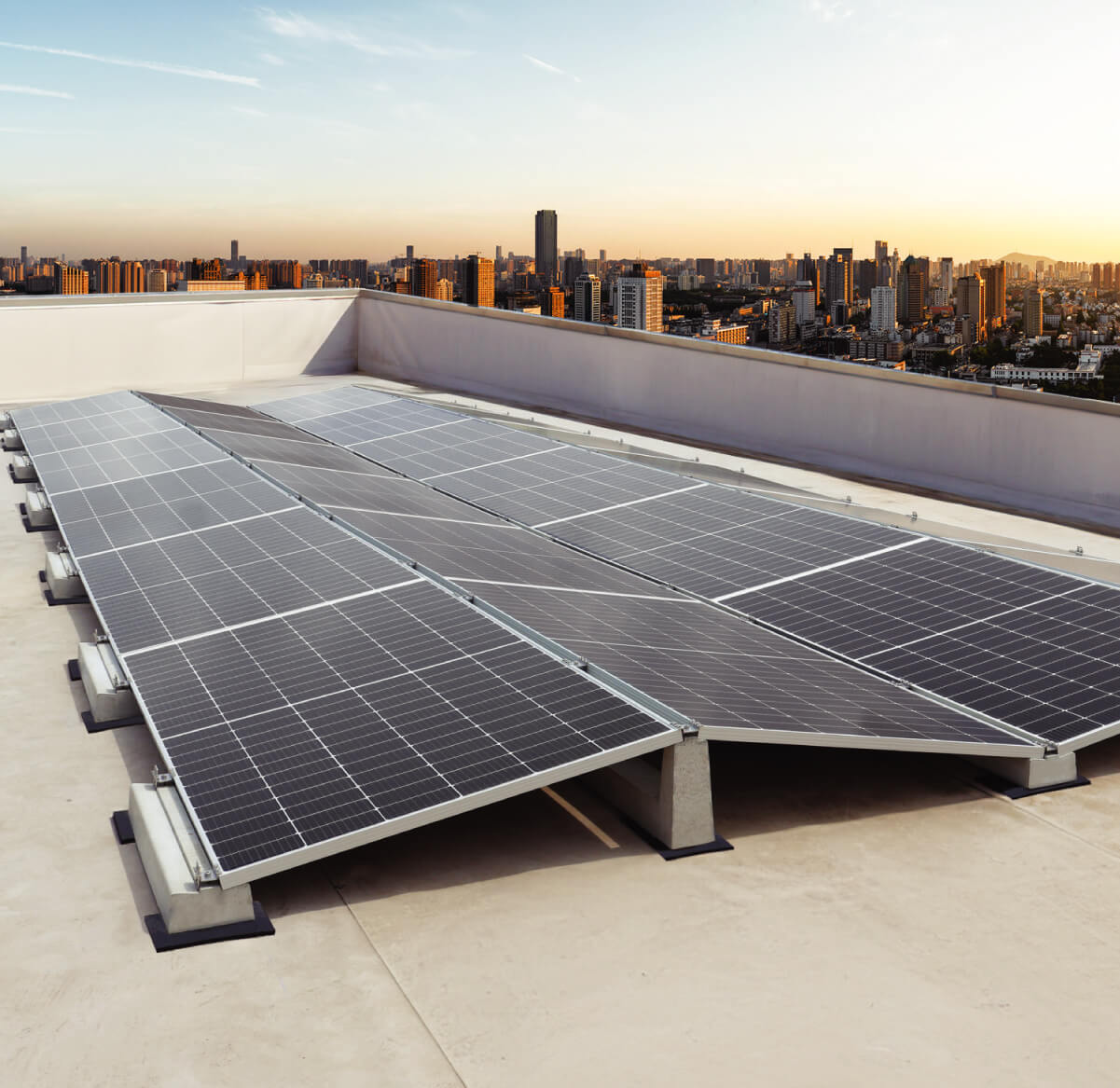
reduce risk. With the right racking layout, tilt angles, and spacing, you can maximise energy
yield while keeping ballast and loads under control—crucial for warehouses, logistics hubs, and
factory buildings where downtime is not an option.
Why ballast-based PV systems work so well on
flat roofs
On flat roofs, stability and speed are everything. Ballasted
mounting systems are designed to deliver both: they reduce roof interference, simplify
installation steps, and help teams standardise across projects. Because there is no need for
anchors, you avoid many of the delays linked to permissions, waterproofing details, and
post-install inspections around fixings. For designers, the value is in the predictability:
tested configurations, clear mechanical behaviour, and support during the sizing phase for wind
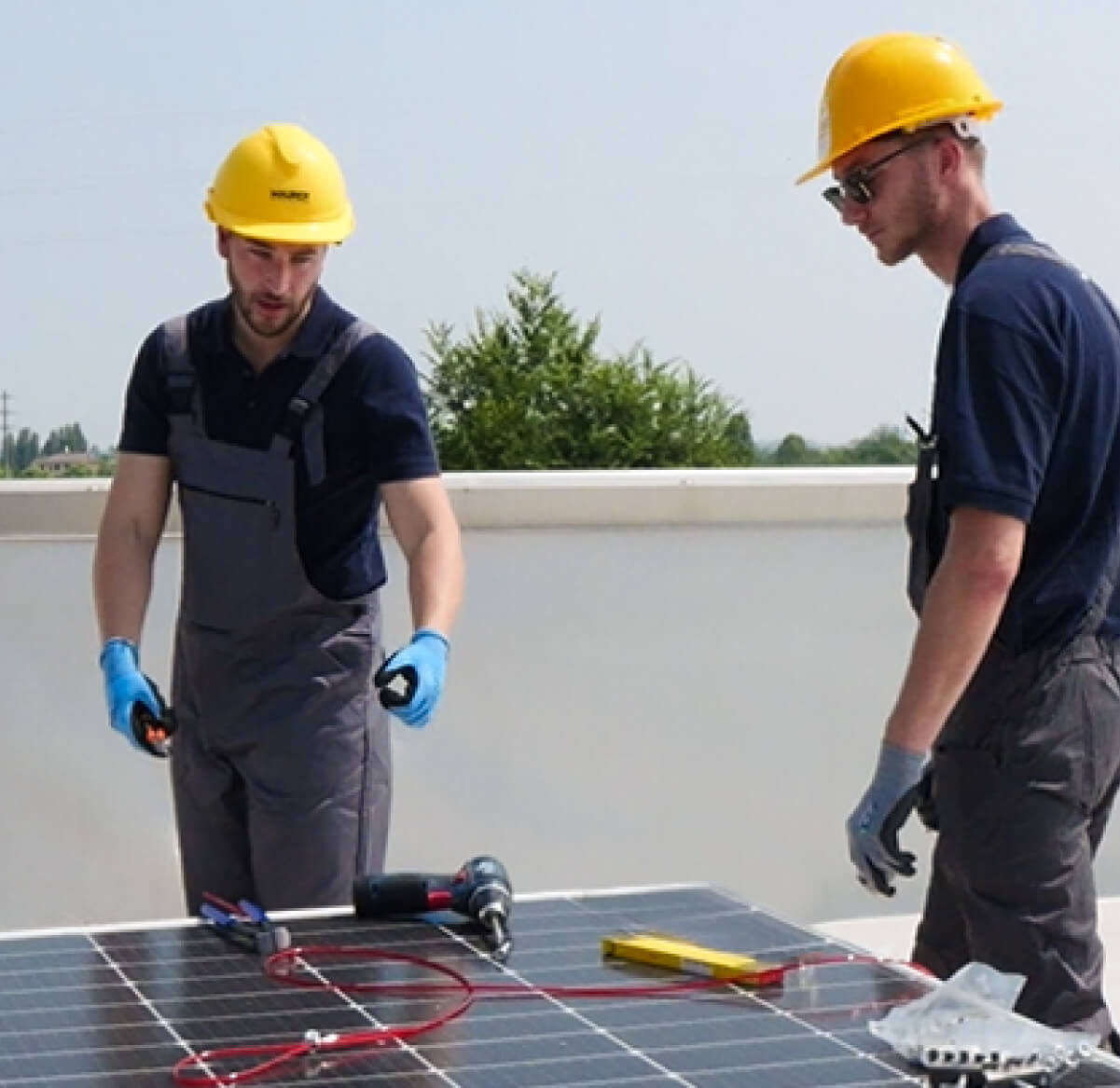
exposure, roof zones, and structural constraints. For installers, the day-to-day benefits are
practical—less drilling equipment, fewer specialised operations, and quicker module placement.
In Italy’s market, where many buildings have large, low-slope decks and tight project timelines,
a solution that cuts complexity is a real advantage. Related considerations such as drainage
paths, parapets, walkways, cable management, and maintenance access can be planned from the
start, improving safety and long-term serviceability. The result is a flat-roof PV installation
that feels like a repeatable process, not a one-off challenge.
A technical partner for flat-roof solar
projects (without naming brands)
If you work with flat roofs every week, you don’t just need
hardware—you need a complete, dependable method. The right partner supports you from early
design to execution: layout optimisation, system sizing, documentation, and responsive
commercial assistance when the site schedule shifts. This is especially important for
professionals carrying responsibility: engineers need trustworthy inputs, installers need
systems that go together quickly and safely, and distributors need solutions that are easy to
specify and in steady demand. Concrete ballast supports built for photovoltaic applications are
a strong choice when reliability, simplicity, and innovation matter: robust materials, proven
performance, and solutions developed specifically for flat-roof constraints. In practice, that
means fewer site issues, less risk of membrane damage, and faster commissioning—exactly what
clients expect when they invest in solar. If you’re planning your next flat-roof installation in
Italy, choose a non-penetrating approach that protects the building, speeds up the crew, and
keeps the project under control from calculation to final tightening.