Why a Flat Roof with Solar Panels Is a Smart
Choice in Italy
A flat roof with solar panels is one of the most practical ways to
unlock unused space on industrial buildings, warehouses, and commercial sites across Italy. For
installers, the challenge is always the same: deliver a clean, safe job without turning the roof
into a problem. Traditional fixing methods can mean penetrations, waterproofing concerns, longer
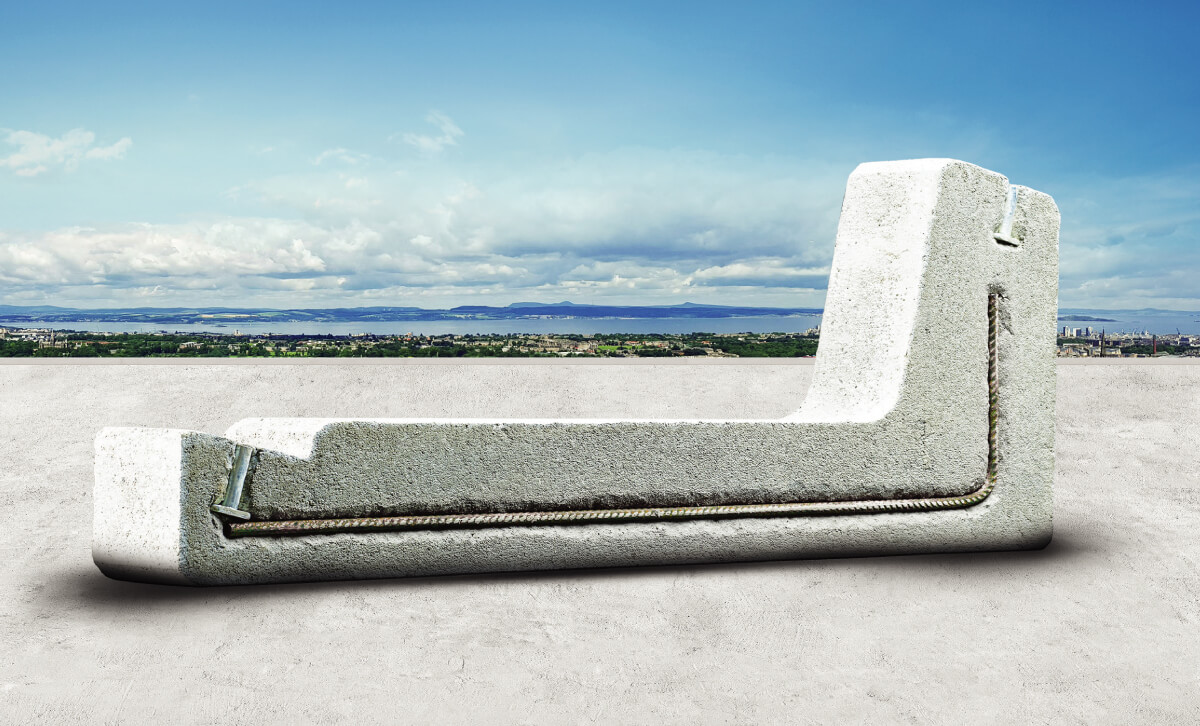
installation times, and more coordination on site. Ballasted photovoltaic mounting systems
change the game by keeping the roof membrane intact while providing stable support through
engineered concrete weights. The result is a faster workflow, fewer components to handle, and a
clearer path from design to commissioning. For designers and engineers, a flat roof PV layout
must balance energy yield, structural loads, and wind uplift—especially in exposed areas or
large roof surfaces. That is why pre-tested solutions, certified data, and reliable sizing
inputs matter. With the right approach, you can optimize panel tilt and spacing, simplify cable
management, and keep maintenance access straightforward. In short, a well-designed flat roof
solar installation is not only about producing kWh—it is about reducing risk, protecting the
building, and finishing projects on time. If your goal is to install more systems per month,
avoid waterproofing callbacks, and deliver consistent quality, choosing the right support
structure is as important as choosing the modules and inverters.
No-Drill Ballasted Mounting: Faster
Installations, Fewer Headaches
When you plan a flat roof with solar panels, speed and
predictability on site are everything. Ballasted racking systems are designed to avoid roof
penetrations, which helps reduce the risk of leaks and eliminates many of the typical sealing
steps that slow crews down. Because the supports are concrete-based and engineered for
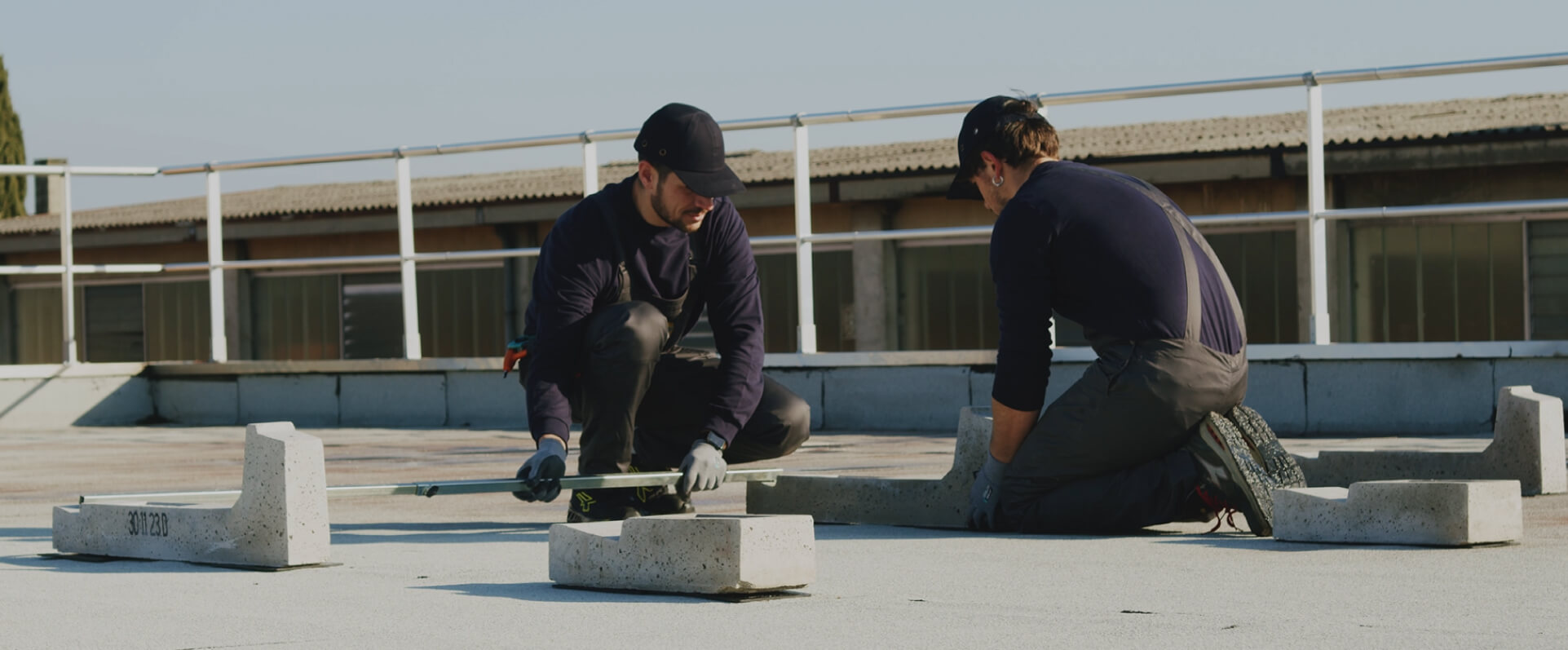
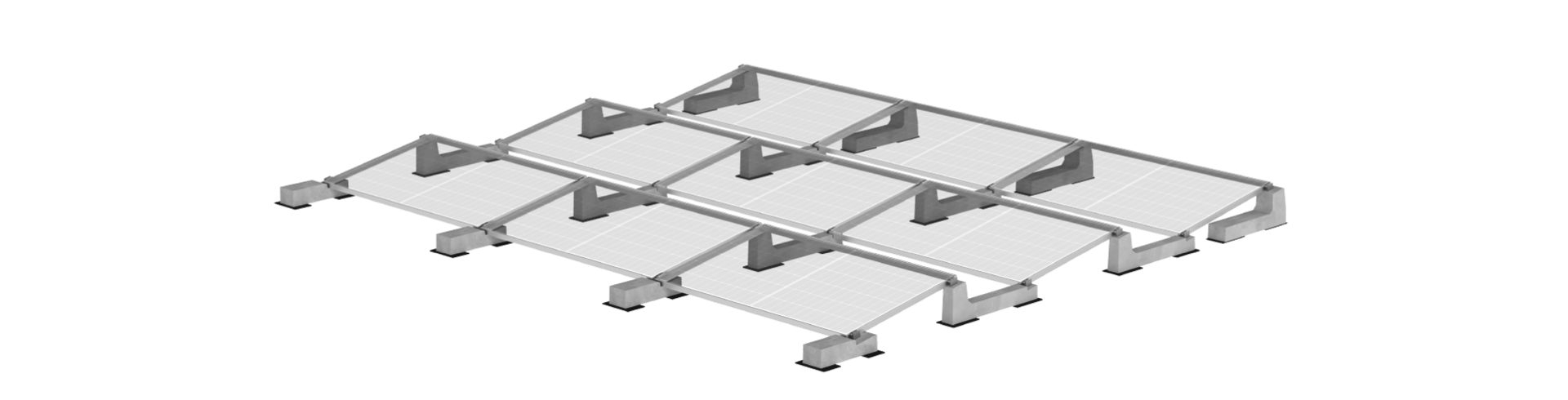
photovoltaic arrays, installation can be straightforward: place the supports, align the rows,
mount the modules, and proceed with wiring. This simplicity is especially valuable for installer
teams working on tight schedules or managing multiple rooftops. From a technical perspective, a
ballasted solution supports accurate wind-load and ballast calculations, making it easier to
match local conditions and rooftop constraints. That translates into more confidence for
engineers and fewer last-minute changes for installers. It also supports clean, professional
results: tidy array geometry, stable module positioning, and repeatable assembly steps. For
distributors and wholesalers, these systems are easier to explain and stock because the value
proposition is clear—reliable components, recognizable performance, and strong demand in the
solar rooftop market. Ultimately, a no-drill approach protects the roof, reduces installation
complexity, and helps teams deliver consistent results across different building types.
A Technical Partner for Flat Roof Solar
Projects (Without Complicating Your Work)
Every flat roof with solar panels comes with real-world variables:
parapets, skylights, drainage paths, membrane types, and strict safety requirements. That is why
professional support matters—not just a product on a pallet, but a complete solution that helps
you design and install with confidence. The most effective flat roof PV projects start with
solid engineering inputs: accurate system sizing, verified load data, and practical layout
guidance that installers can execute quickly. With the right technical assistance, you can
streamline decisions on tilt angle, row spacing to limit shading, and ballast configuration to
meet wind and structural constraints. Just as importantly, you reduce operational risk: fewer
surprises during installation, fewer disputes over responsibilities, and fewer delays caused by
redesigns. For installers, this means faster builds and less troubleshooting. For engineers, it
means dependable documentation and tested solutions. For distributors, it means a product that
supports repeatable outcomes and customer satisfaction. If you want to deliver a durable flat
roof solar array that is secure, efficient, and quick to deploy, choose a mounting approach that
is built around reliability, simplicity, and continuous innovation—so your team can focus on
performance, not problems.