Why Flat Roof Solar Racking Matters on Italian
Buildings
Choosing the right flat roof solar racking is often the difference
between a smooth installation and a job filled with delays, surprises, and callbacks. In Italy,
where many commercial and industrial buildings feature large flat roofs, installers and
designers need solutions that are fast to deploy, predictable, and gentle on the roof membrane.
A ballast-based PV mounting system answers that need by keeping panels stable through engineered
weight rather than roof penetrations. That means fewer waterproofing concerns, fewer components
to handle on site, and less time spent aligning complex structures. For installers, the big win
is speed: pre-engineered layouts and simplified assembly help crews complete more kWp per day.
For engineers and technical offices, the value is control: reliable data for load distribution,
wind considerations, and system sizing reduces design uncertainty and helps deliver compliant
documentation. Distributors also benefit from a product category with clear demand and an
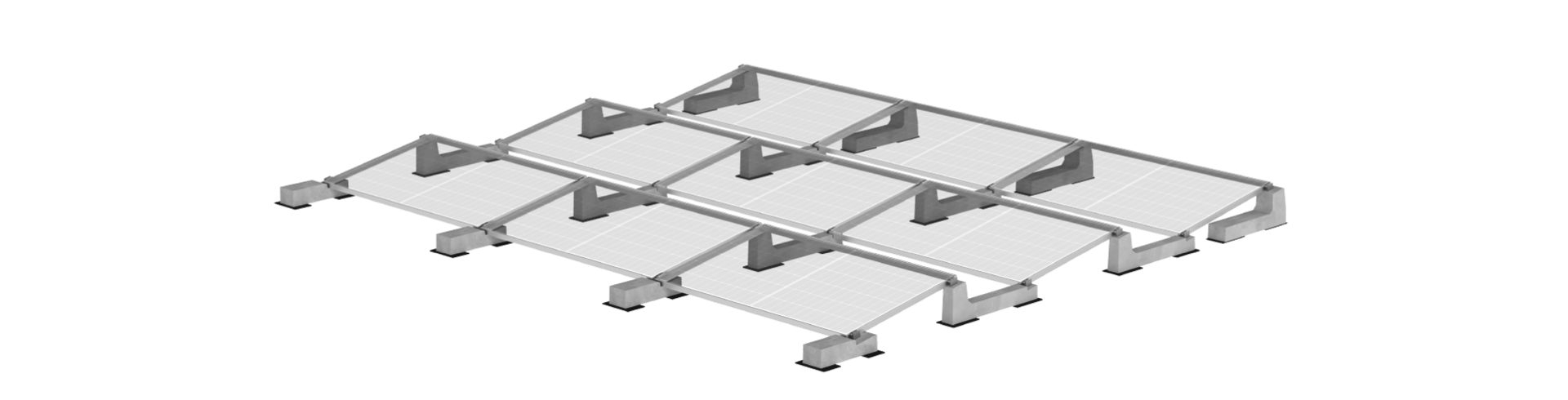
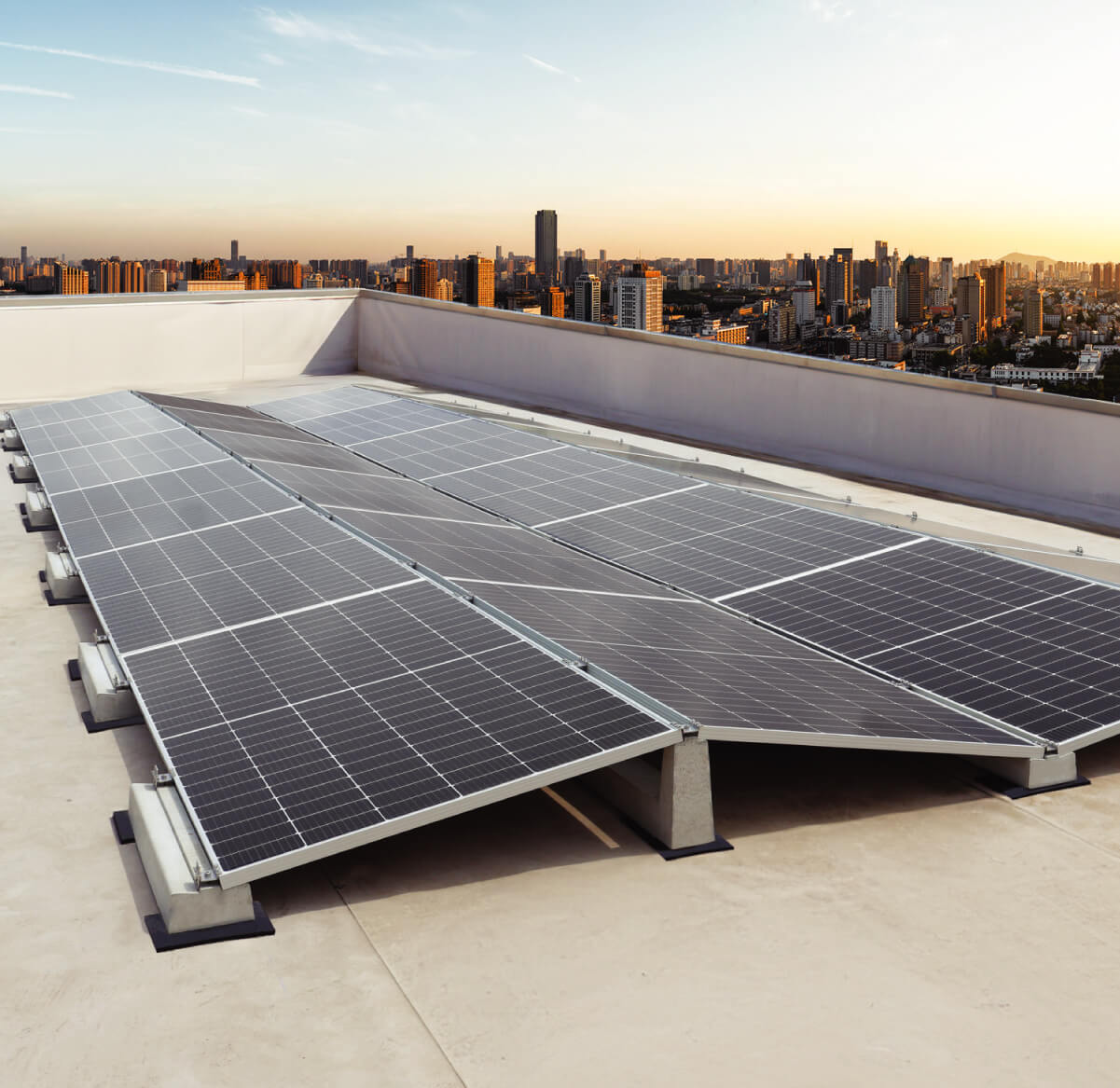
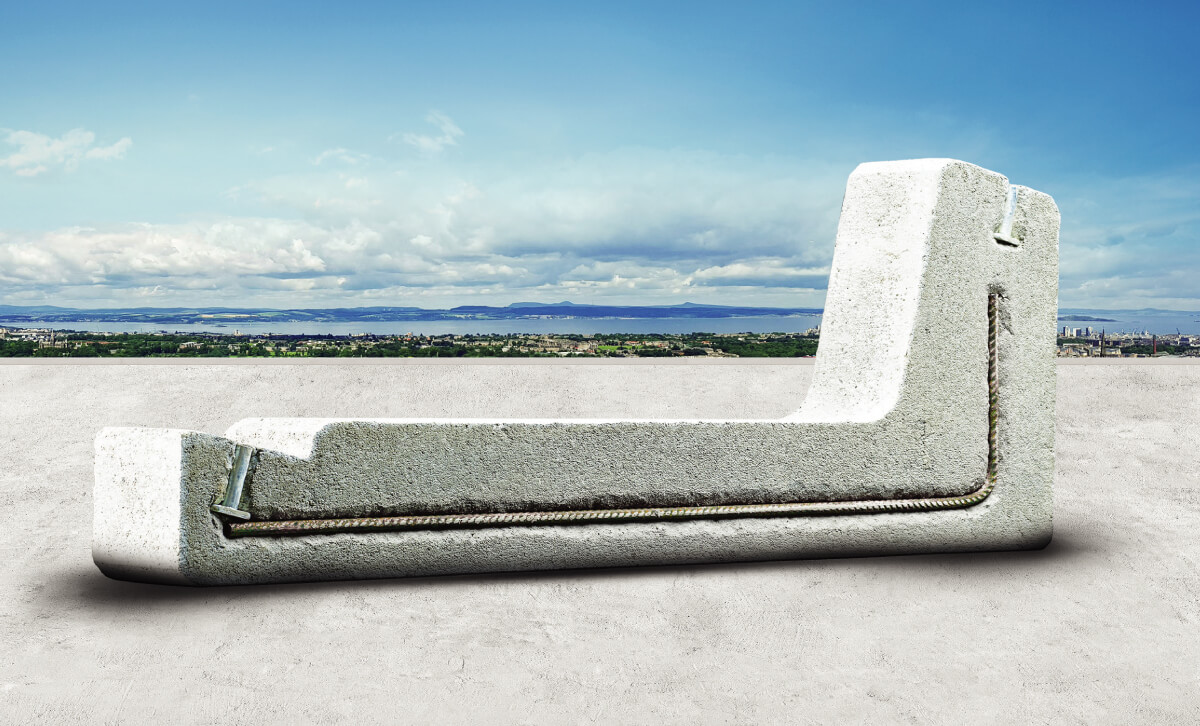
easy-to-explain value proposition. When flat roof solar racking is designed around concrete
ballast, it can support tilted module configurations while keeping the roof intact—an important
advantage when working on existing membranes or sensitive waterproof layers. The result is a
cleaner workflow: fewer steps, fewer risks, and a mounting approach that matches the practical
realities of Italian rooftops, from logistics to safety. Ultimately, a well-chosen racking
solution doesn’t just hold modules in place—it protects your schedule, your margin, and your
reputation on every project.
Non-Penetrating Ballasted Systems: Less Risk,
More Productivity
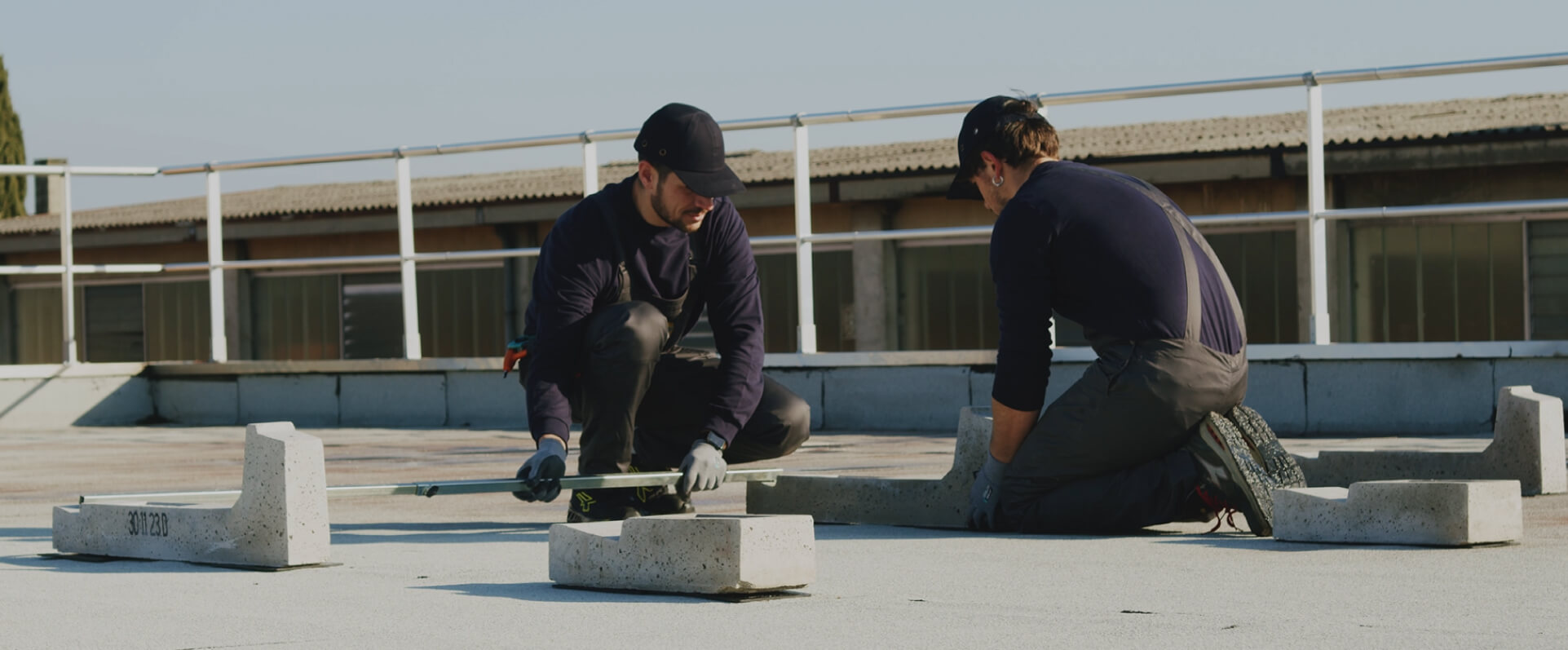
A non-penetrating approach to flat roof solar racking is built for
real jobsite pressure: tight timelines, limited rooftop access, and the need to avoid damaging
the waterproofing layer. Concrete ballasts allow PV modules to be secured without drilling,
which helps reduce the probability of water ingress and minimizes disputes about roof
warranties. From an installer’s perspective, fewer roof fixings typically translate into faster
staging, cleaner cable management, and simpler quality checks at the end of the job. Because the
structure is based on sturdy, tested components, crews can work with a repeatable process that
lowers the chance of assembly mistakes. For designers and engineers, ballasted PV mounting
offers an additional benefit: clearer load distribution on the roof surface and an easier path
to verifying structural constraints. With the right technical support, you can move from concept
to executable layout faster, while addressing wind exposure and ballast sizing requirements.
This is especially relevant on industrial sheds, logistics hubs, and commercial roofs where
uptime matters and interruptions are costly. The goal is not just to install panels—it is to
deliver a stable system that remains durable over time, even under challenging weather
conditions. In short, ballasted flat roof solar racking helps teams build more efficiently, with
fewer unknowns and less rework.
A Technical Partner for Flat Roof PV Projects
in Italy
If you want flat roof solar racking to be truly efficient, the
product alone is not enough—what makes the difference is having a complete solution that
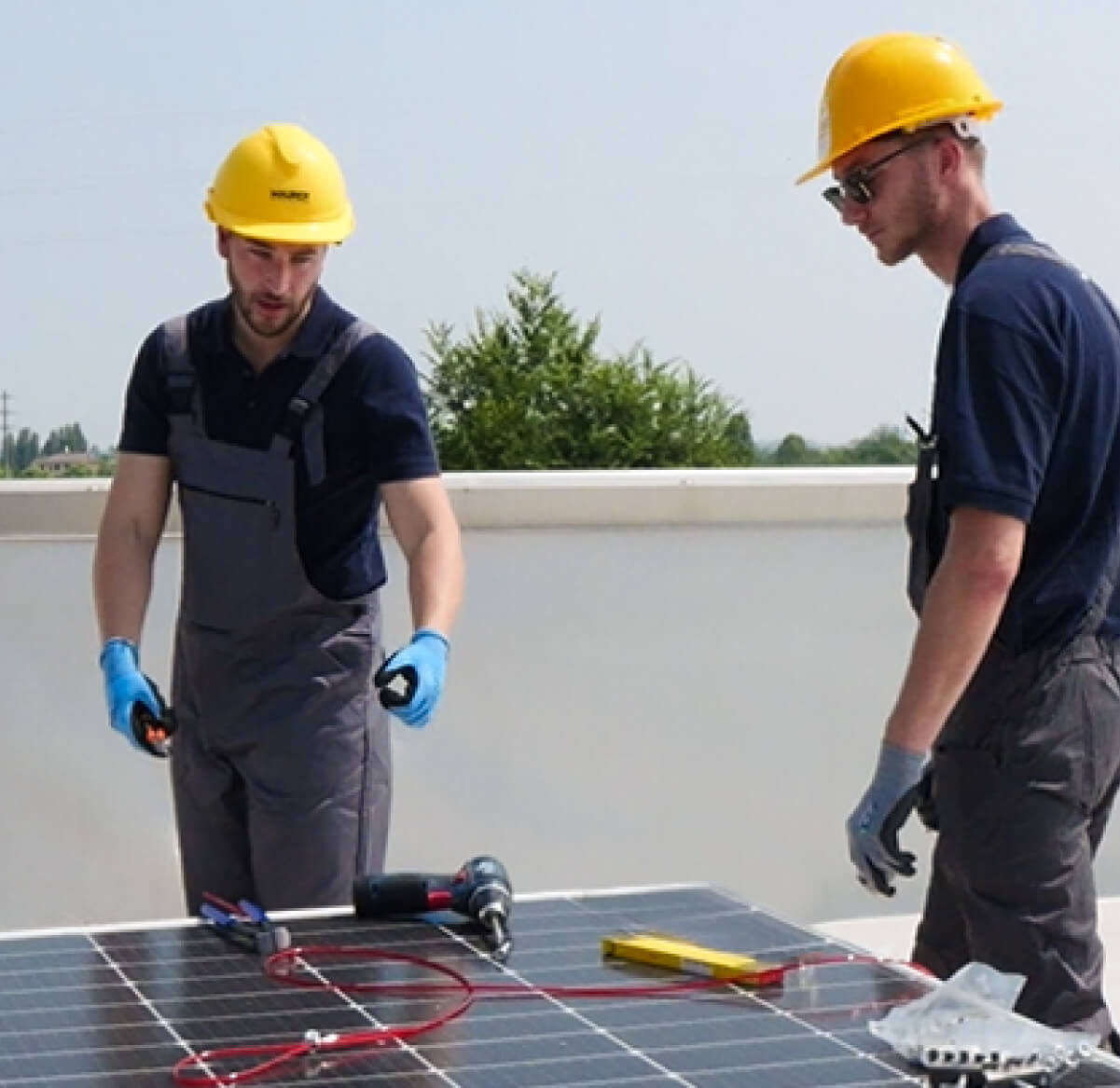
supports you from early design to final installation. Installers benefit when the mounting
concept is intuitive: fewer parts to manage, straightforward positioning, and a workflow that
keeps the crew moving. Engineering teams benefit when they can rely on tested, durable hardware
and get help with system sizing, wind checks, and project documentation. That combination
reduces responsibility pressure and shortens the back-and-forth that often slows PV projects. A
strong technical partner can assist with preliminary layouts, define the right tilt and spacing,
and help optimize material selection so you avoid overbuilding or under-specifying. For
distributors, offering a recognizable flat roof PV mounting option—especially a concrete ballast
solution—means meeting market demand with a product that is easier to explain and easier to
support. The outcome is practical: quicker installs, fewer roof-related concerns, and a more
predictable result for every stakeholder. If your next project involves industrial rooftops,
commercial buildings, or large flat surfaces, choosing a ballasted approach can streamline
operations while protecting the roof. Explore solutions and technical resources on
www.sunballast.com to see how a non-penetrating racking strategy can improve speed, safety, and
overall project reliability in Italy.