Flat Roof Solar PV in Italy: Why
Non-Penetrating Mounting Matters
Installing flat roof solar pv on Italian industrial buildings is
often a race against time, weather windows, and site constraints. Yet the biggest bottleneck is
frequently the mounting method: complex frameworks, too many parts, and the risk of compromising
waterproofing with roof penetrations. That’s why ballasted PV mounting is becoming the preferred
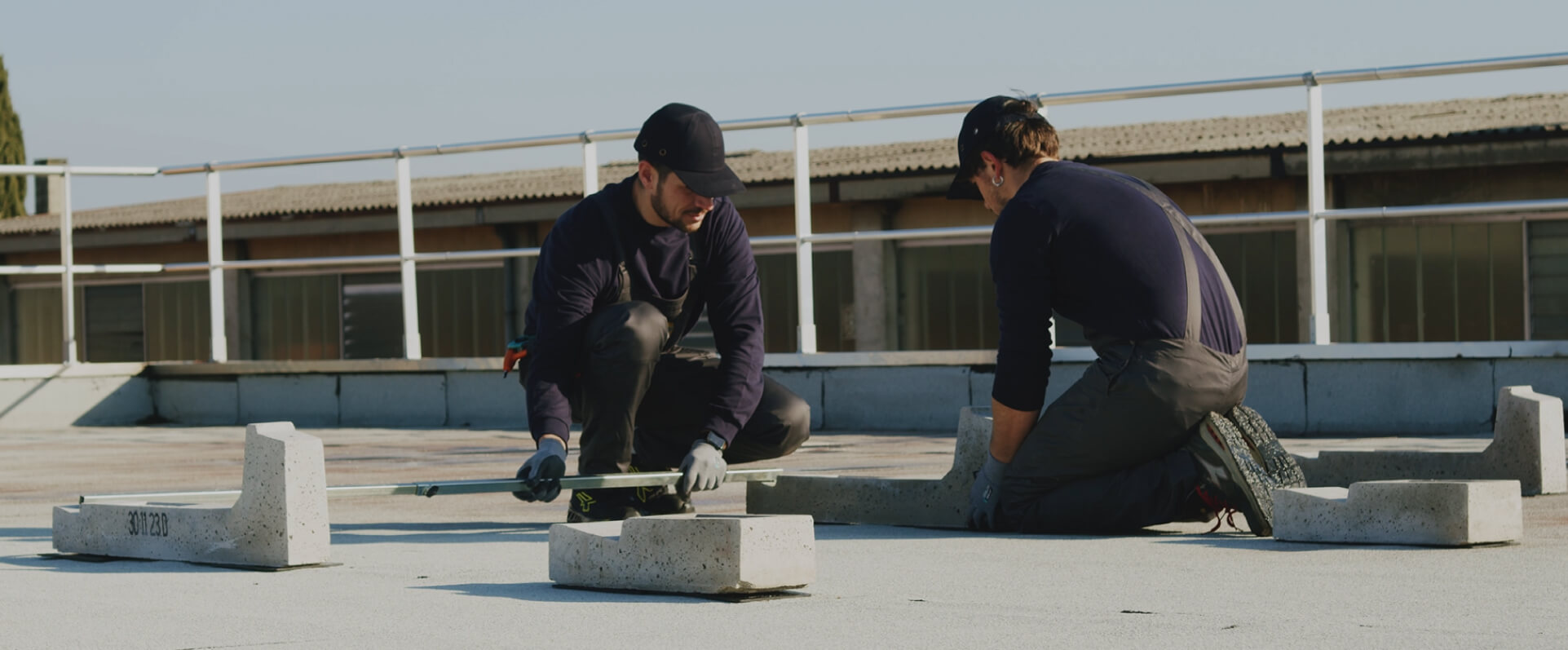
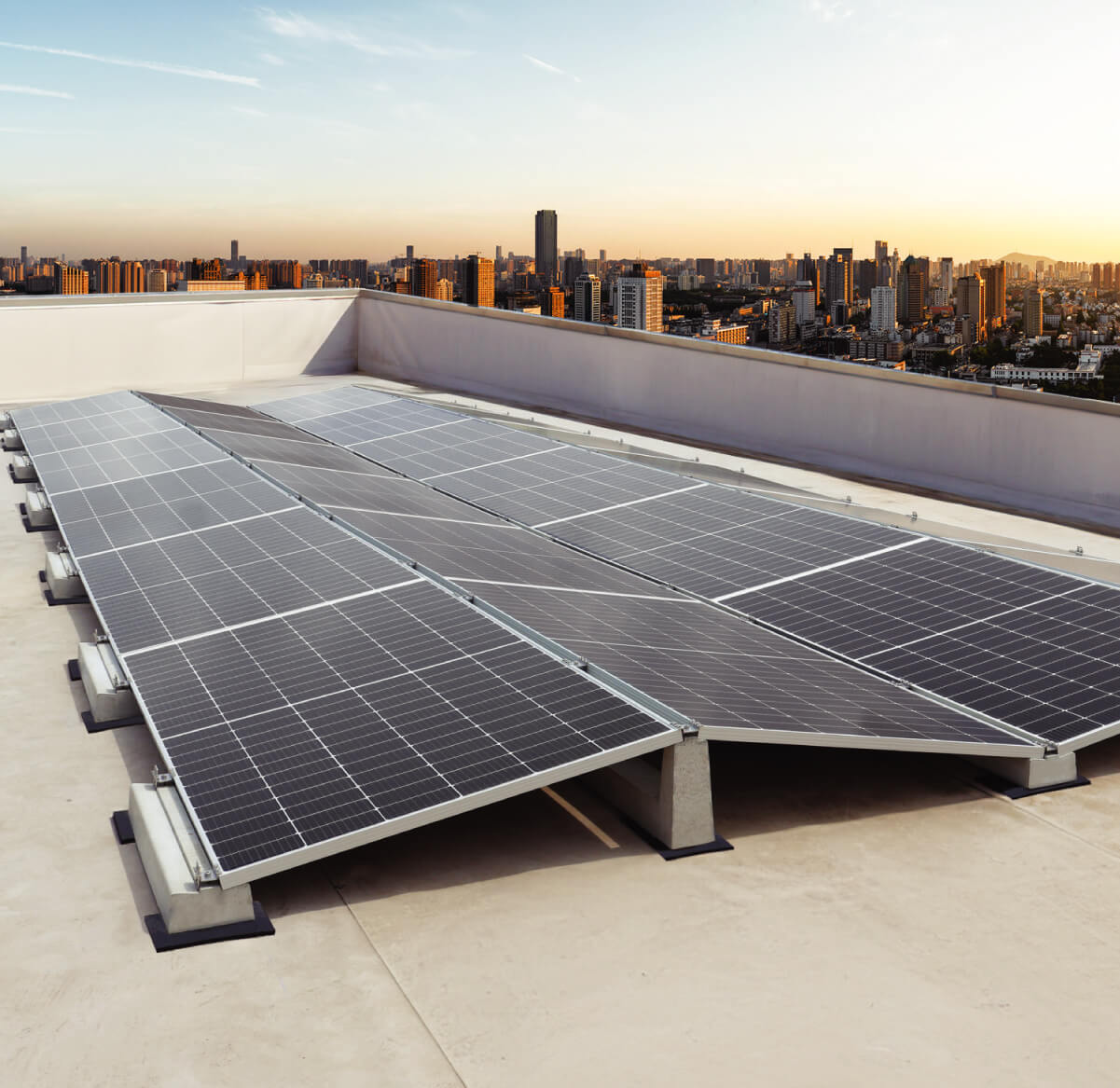
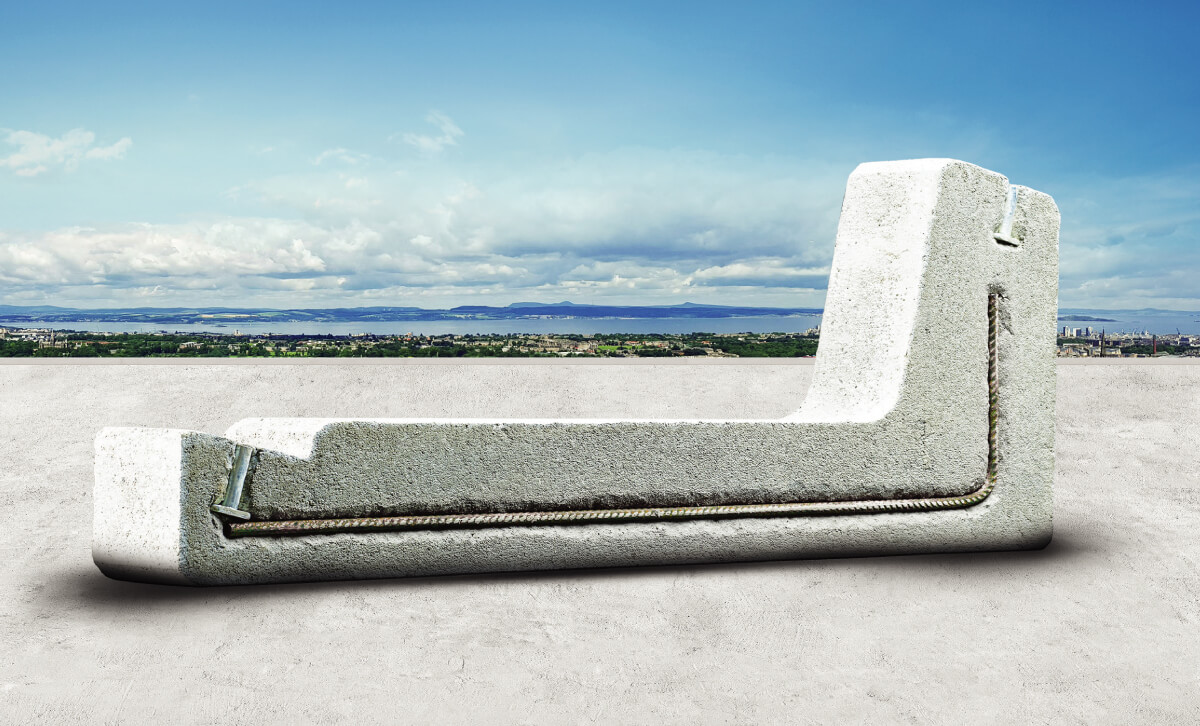
route for many installers and designers working on flat roofs. By using concrete ballast
supports, panels can be secured without drilling the membrane, reducing the chance of leaks and
cutting the number of installation steps on site. The result is a cleaner workflow, fewer
surprises during commissioning, and a more predictable schedule—especially valuable on
warehouses and commercial rooftops where downtime is costly. For EPC teams and installers, a
simpler structure means faster positioning, easier cable management, and less dependency on
specialized tools. For technical offices, it also means a clearer path to compliance, because
loads and wind actions can be evaluated with tested solutions rather than improvised assemblies.
If your goal is to deliver reliable energy production with less site complexity, choosing the
right non-penetrating solution is one of the most impactful decisions you can make on a flat
roof project.
Designed for Installers: Speed, Fewer
Components, Less Risk
For installers, flat roof solar pv success is measured in hours
saved and problems avoided. A ballast-based mounting approach is built around practical
advantages: fewer components to move, faster assembly, and straightforward alignment of module
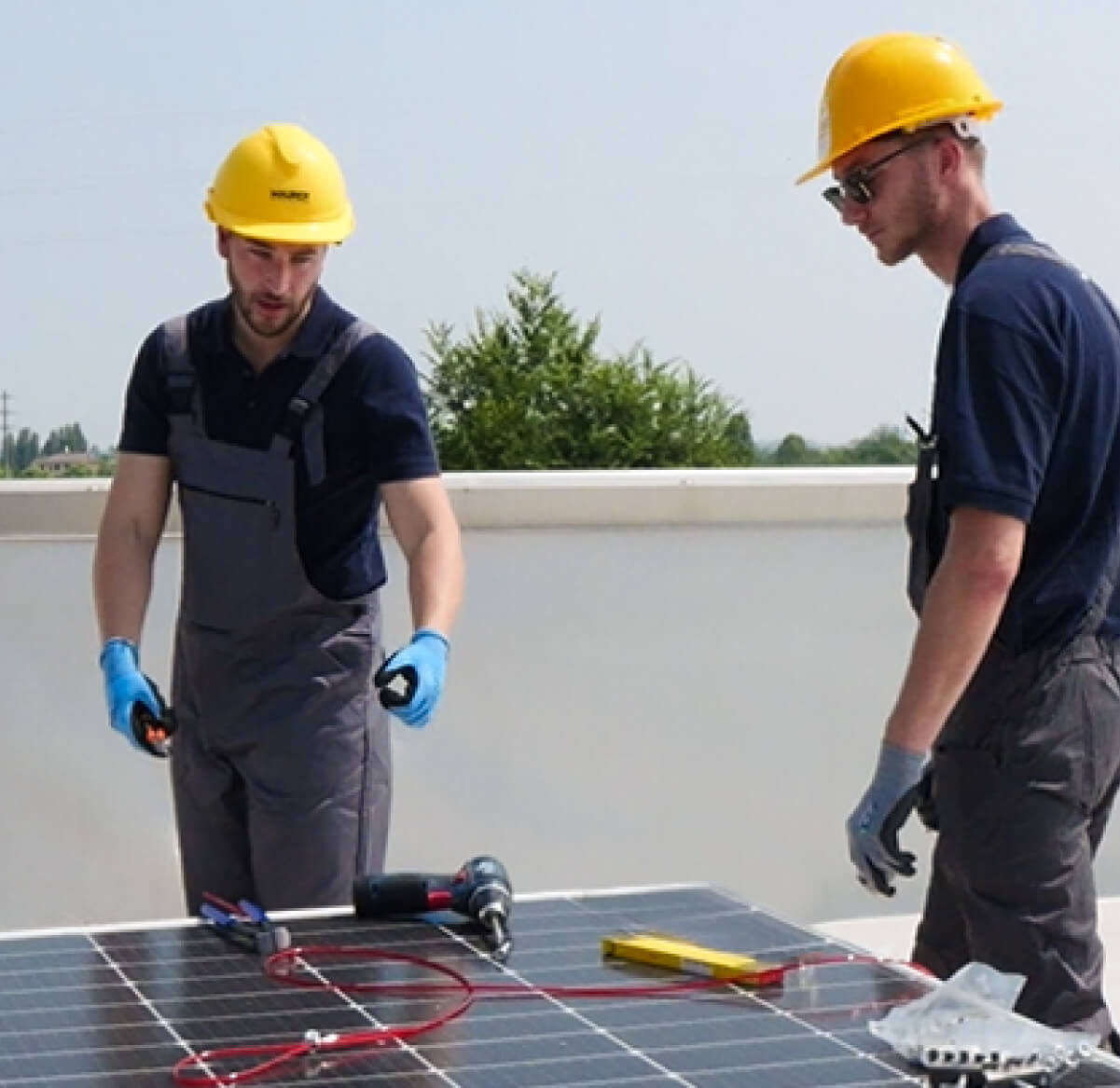
rows. Instead of spending time on roof penetrations, sealing, and repeated checks, crews can
focus on accurate layout and electrical completion. This is particularly helpful in Italy, where
flat roofs can vary widely in membrane type, insulation layers, and structural limits. With
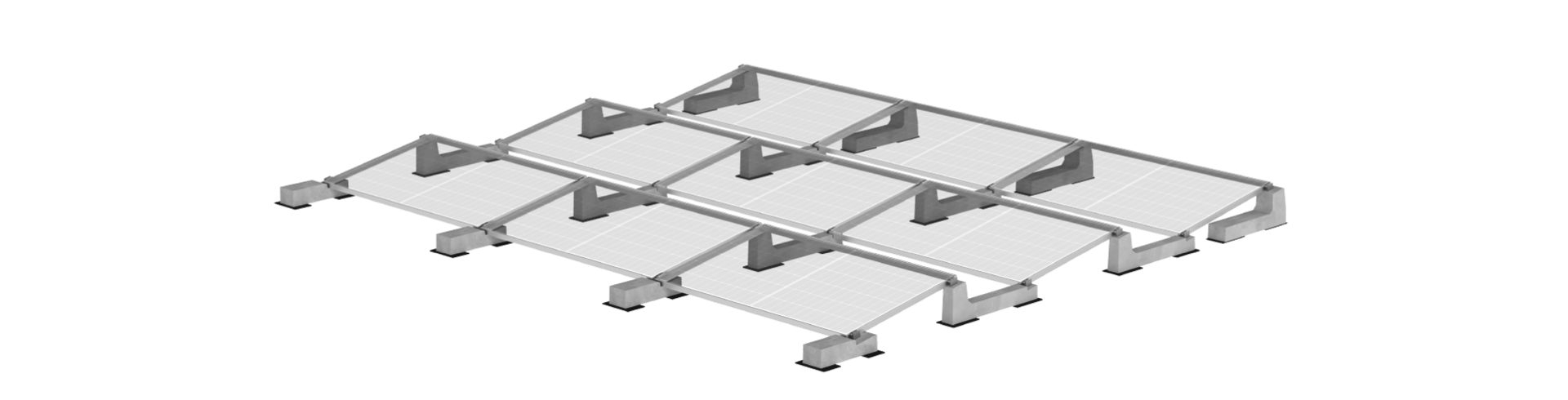
concrete ballast supports, the system’s stability comes from weight distribution and aerodynamic
design, helping reduce uplift risk while keeping the roof intact. The installation process
becomes more intuitive: place the supports, fix the modules, manage wiring, and move on. That
simplicity directly translates into safer work conditions and easier training for new team
members. It also reduces call-backs linked to waterproofing issues—one of the most expensive
headaches on flat roofs. If you want to install more kilowatts per day with consistent quality,
a streamlined mounting system is not a nice-to-have; it’s a competitive advantage.
Technical Partnership for B2B Projects:
Sizing, Wind Loads, and Execution
Flat roof solar pv projects are rarely “standard,” especially when
engineers and technical studios must sign off on wind loads, ballast distribution, and roof
capacity. What makes the difference is not only the hardware, but the technical support behind
it. A complete B2B solution should help you move from concept to execution with reliable data,
certified components, and clear design choices for tilt angle, orientation, row spacing, and
shading management. When ballast supports are engineered and tested, the designer gains
confidence that the system behaves as expected under Italian wind conditions, while the
installer benefits from repeatable on-site procedures. This approach also supports distributors
and wholesalers: it’s easier to propose a recognizable, problem-solving product when the
supplier provides design assistance, project development, and commercial support. If your next
job involves an industrial rooftop or a large commercial building, consider a mounting strategy
that protects the waterproof layer, simplifies calculations, and accelerates delivery. With the
right partner and a proven ballasted structure, flat roof solar pv becomes a faster, safer, and
more efficient way to bring solar power to Italy’s flat roofs.