Flat roof solar panels: why the mounting
system matters
Installing flat roof solar panels in Italy is rarely just about
choosing good modules—it’s about choosing a mounting method that makes the job faster, safer,
and easier to certify. On flat roofs, the biggest headaches usually come from roof penetrations,
waterproofing risks, and time-consuming structures that require many components. That’s why
ballasted photovoltaic mounting systems are becoming a preferred option for installers and
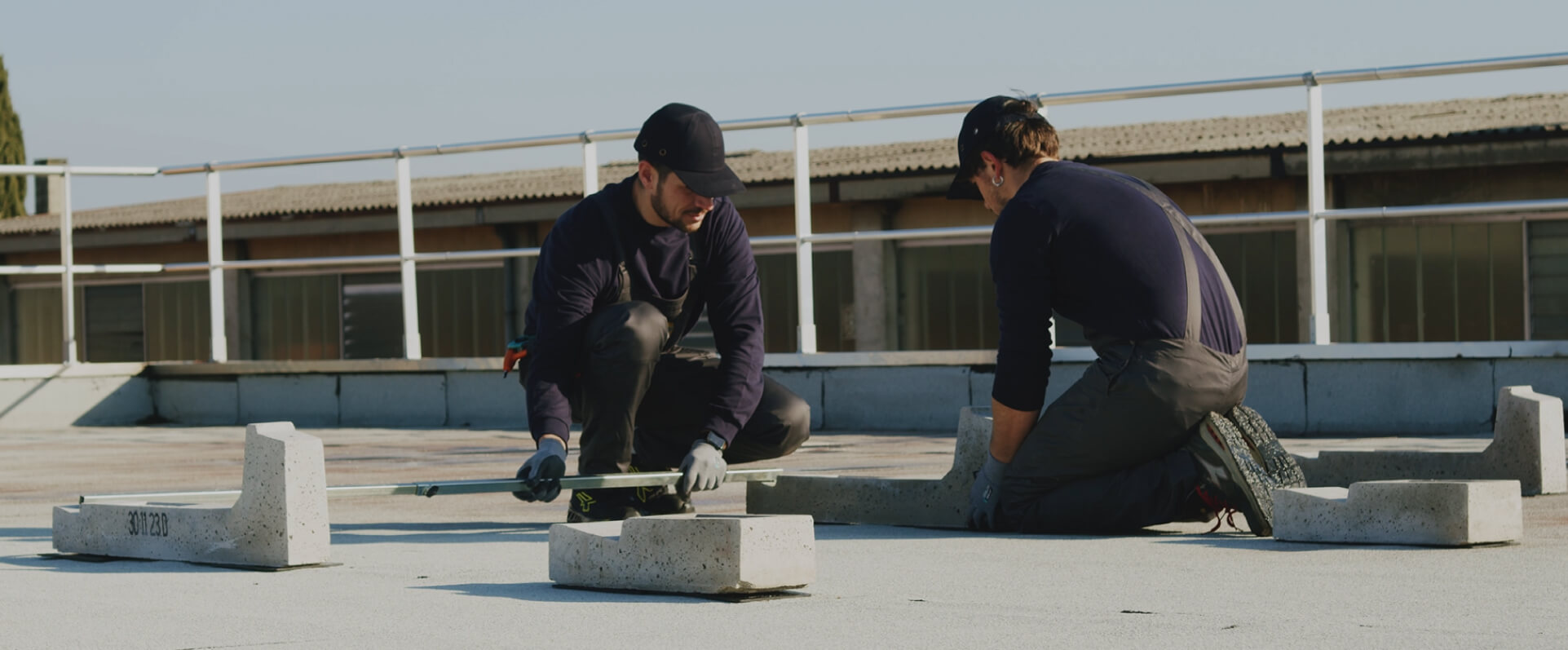
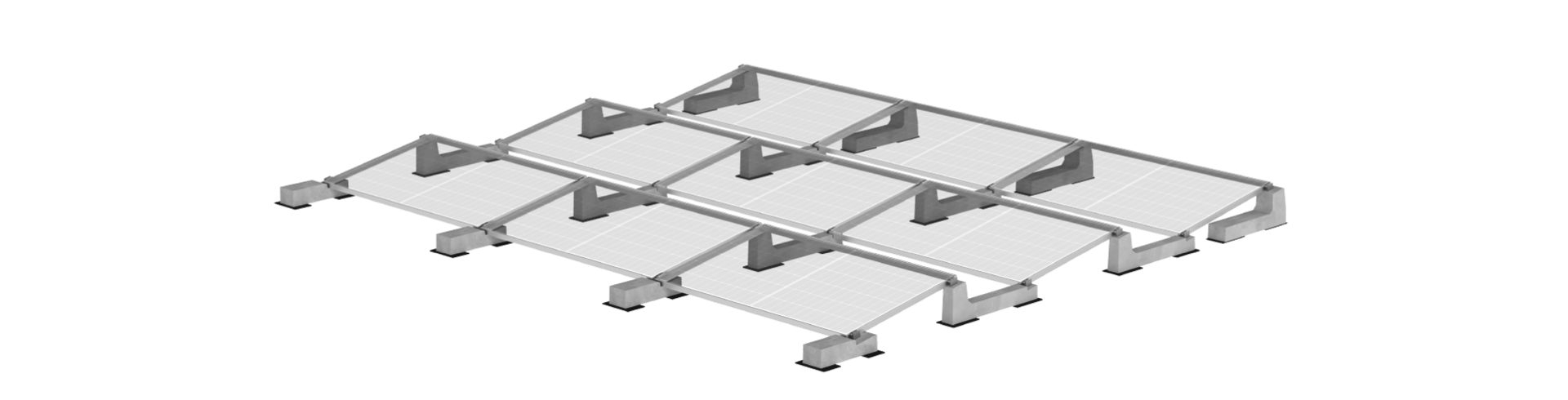
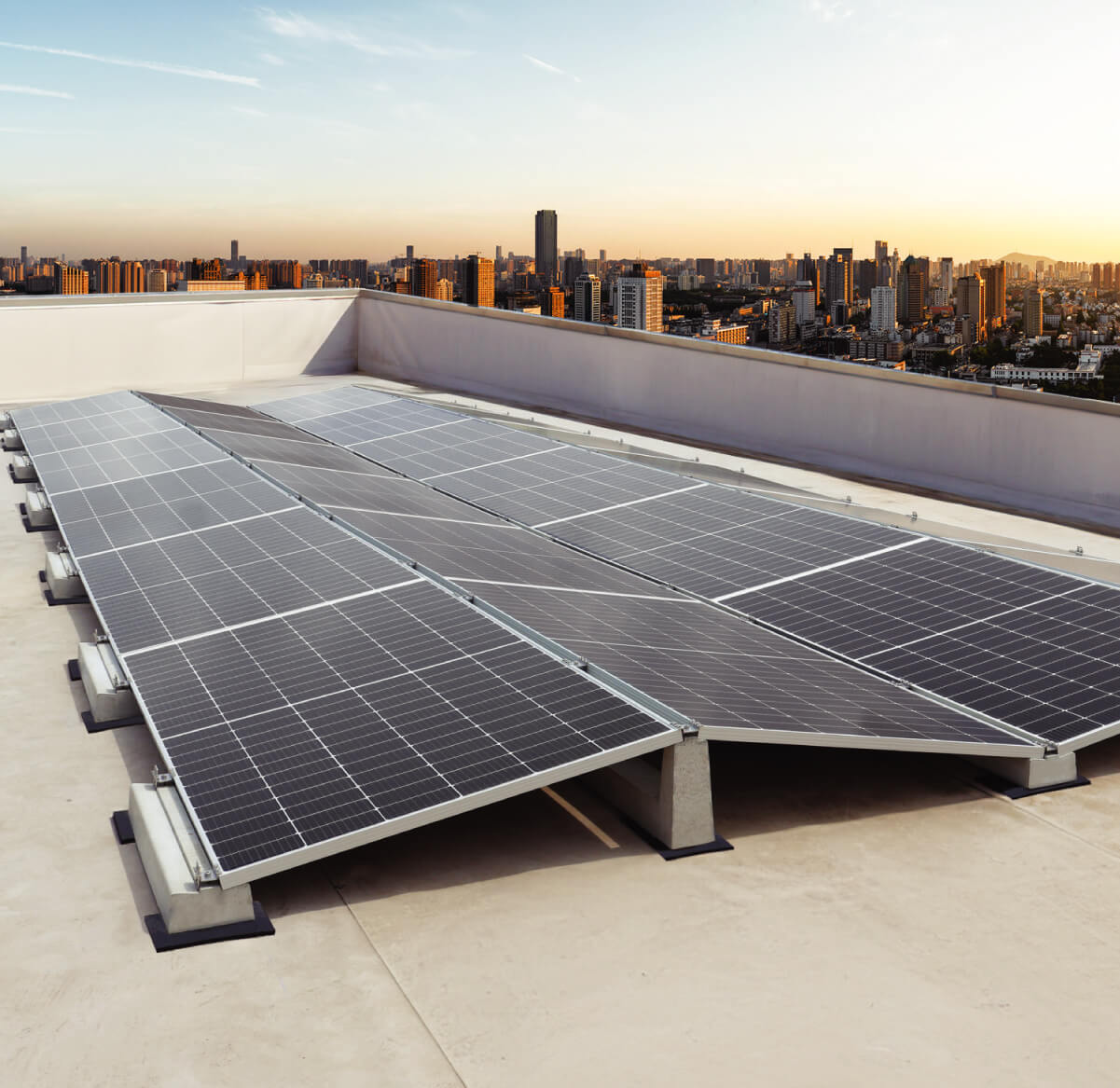
designers working on commercial buildings, warehouses, and industrial rooftops. A concrete
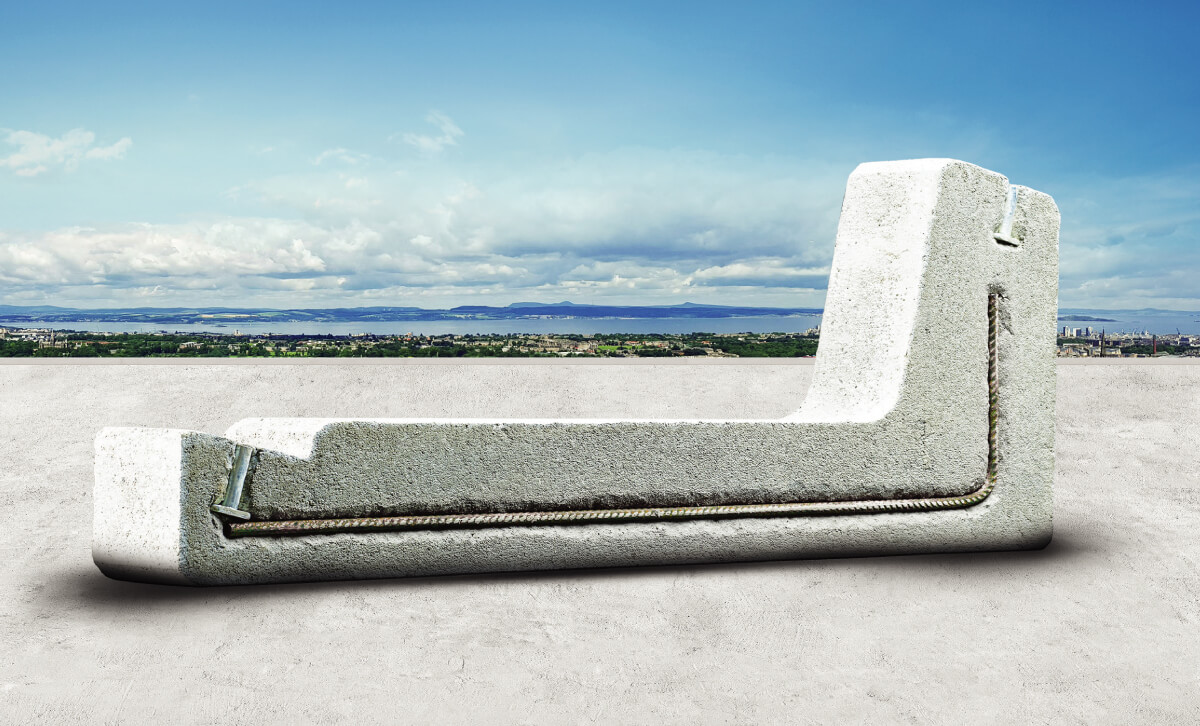
ballast solution can hold the array in place without drilling into the membrane, helping reduce
the risk of leaks and callbacks. For crews on site, fewer parts and an intuitive layout
translate into quicker assembly and cleaner logistics, especially when deadlines are tight. For
engineers, the key advantage is predictability: tested configurations, reliable data, and clear
parameters for wind load and roof load distribution. When you can size a system with
confidence—and install it without complex anchoring—you lower project risk and simplify
approvals. If your goal is to deliver a durable PV array with minimal disruption, the support
structure behind your flat roof solar panels is what turns a standard installation into a
smooth, repeatable process.
No roof penetrations: reduce risk, speed up
installation
A non-penetrating approach is often the fastest route from design
to commissioning. With ballasted racking, you avoid drilling, chemical anchors, and the
uncertainty of working through multiple roof layers. That means fewer waterproofing concerns,
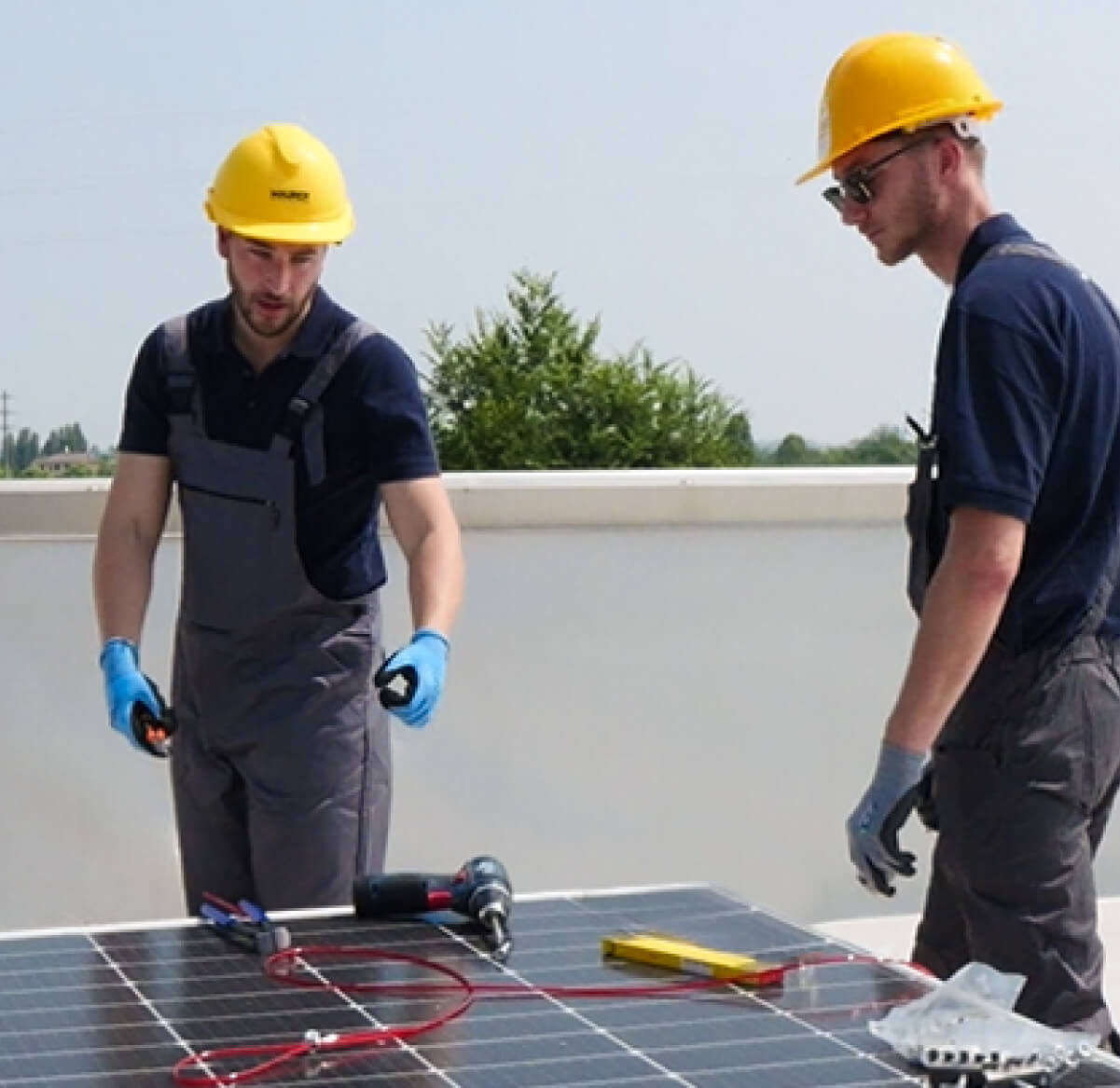
simpler site coordination, and less dependence on specialized subcontractors. For photovoltaic
installers, the value is immediate: streamlined installation steps, reduced tooling, and fewer
error points. Many projects also benefit from improved safety and a cleaner work area, because
the system is designed to be placed and aligned efficiently. For flat roof solar panels, this
method can also support different tilt angles and layouts, helping you optimize energy yield
while respecting parapets, walkways, and rooftop equipment. The result is a practical balance
between performance and buildability—exactly what B2B solar projects in Italy demand when
margins depend on speed and reliability.
Technical partnership for flat roof PV
projects in Italy
Beyond hardware, professionals need a partner mindset: support
during design, accurate system sizing, and responsive commercial assistance that keeps the job
moving. For flat roof solar panels, technical services such as preliminary layout guidance, wind
and load checks, and configuration recommendations can dramatically reduce engineering time and
uncertainty. Installers gain confidence that what arrives on site is coherent and install-ready;
designers gain documentation and tested solutions that help protect their responsibility.
Distributors benefit too, because a recognizable, reliable solution is easier to stock, explain,
and sell. In the Italian market—where rooftops vary widely and weather loads can be
demanding—choosing a proven ballasted mounting approach helps deliver long-term stability and
repeatable results. If you want to simplify your next flat-roof PV build, focus on solutions
built for speed, solidity, and on-site simplicity—supported by real technical expertise from
concept to execution.