Flat Roof Solar Panel Installations: Faster,
Safer, and Built for Italian Rooftops
Installing a flat roof solar panel system in Italy often comes
down to one decisive factor: how to secure the array without turning the roof into a liability.
Penetrating the waterproof membrane can introduce long-term risks, extra paperwork, and costly
callbacks. That’s why ballast-based mounting is becoming the preferred approach for many
photovoltaic installers and designers working on commercial buildings, warehouses, and
industrial sheds with flat roofs.
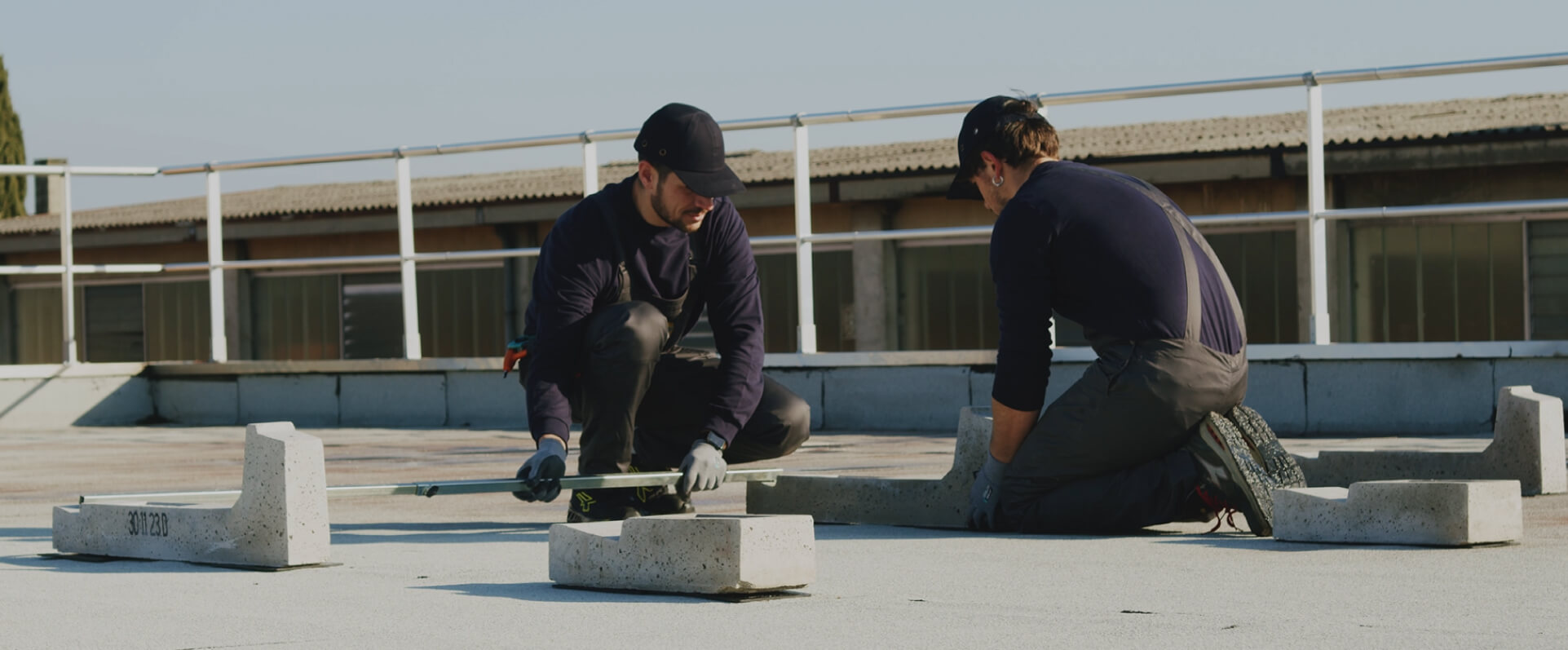
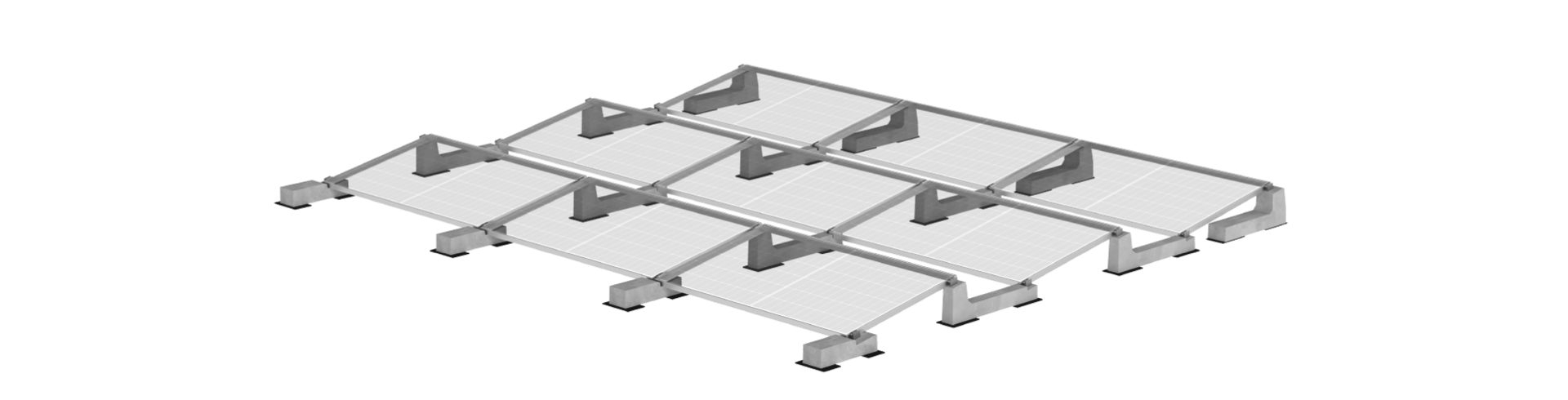
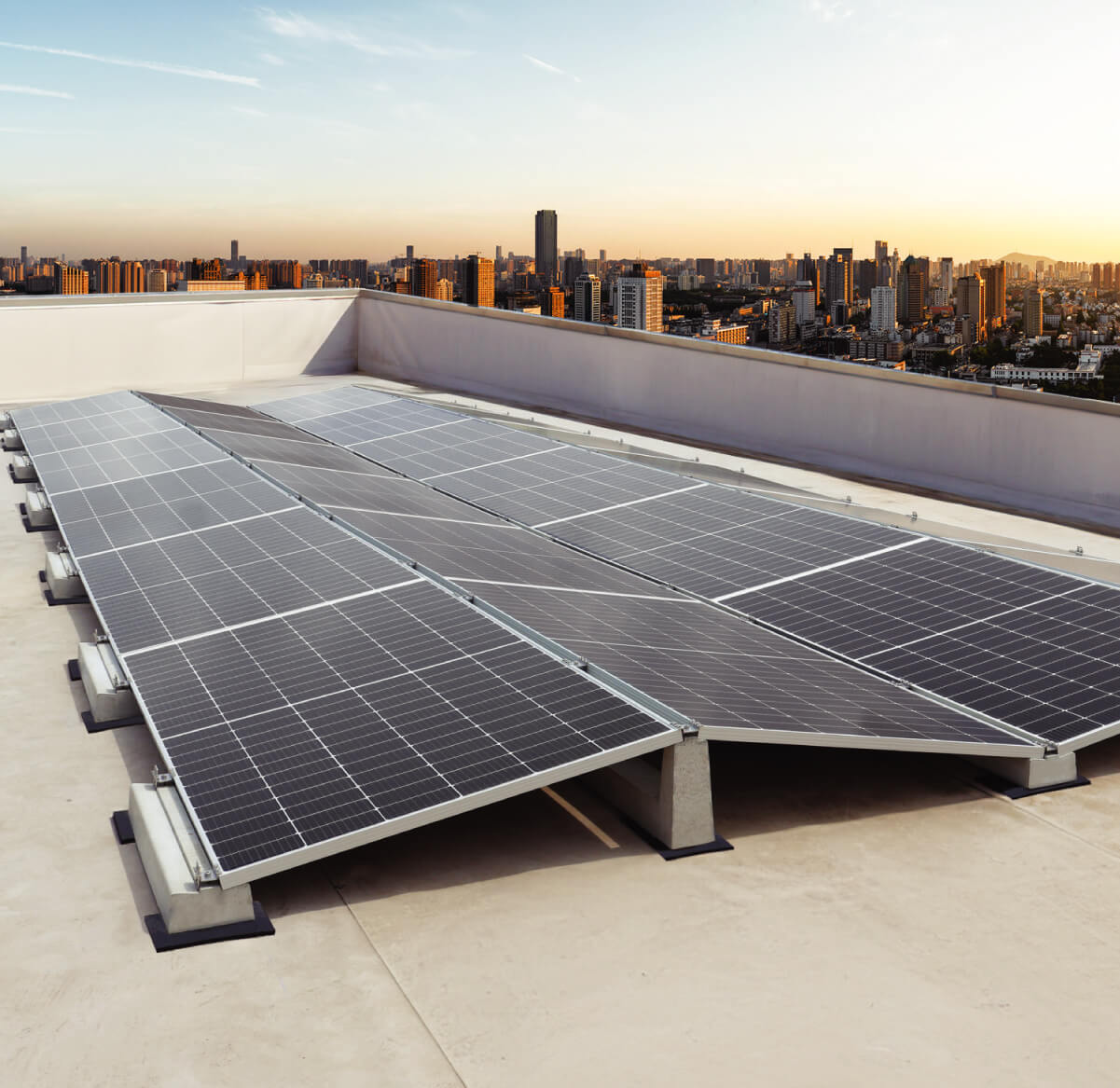
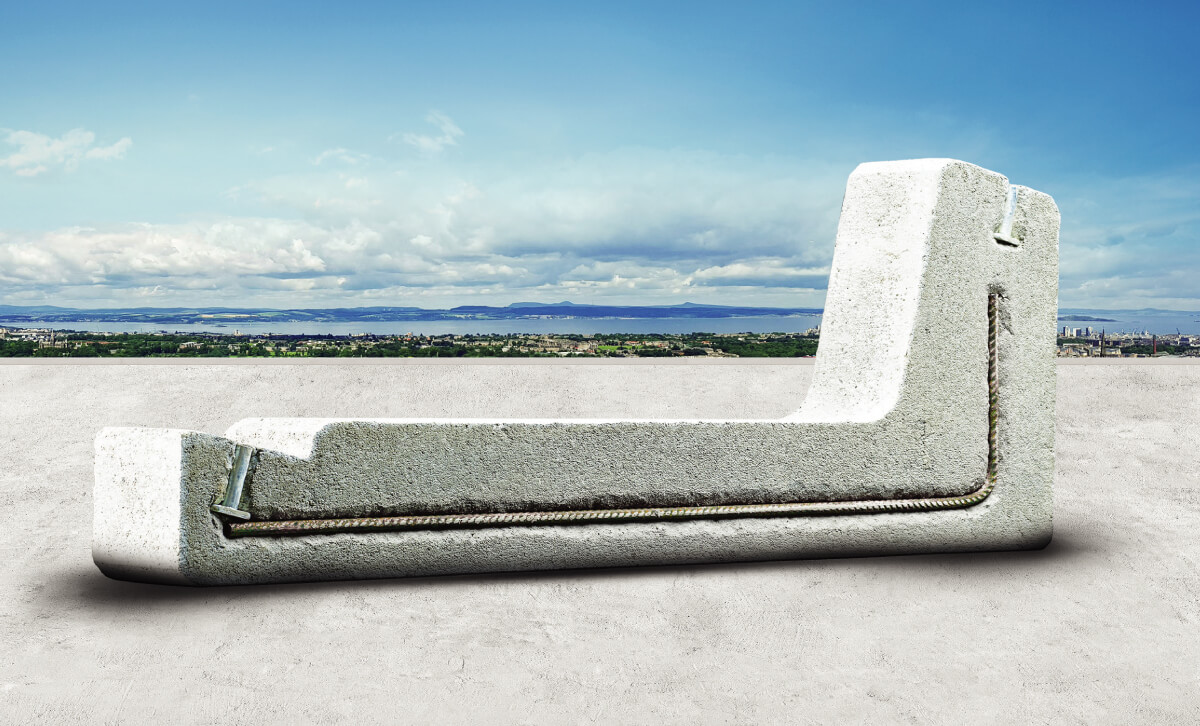
A concrete ballast structure allows you to place PV modules without drilling the roof. In
practice, this means quicker installation, fewer components to handle on site, and a cleaner
workflow for crews who need to complete more projects with less friction. It also helps reduce
uncertainties related to waterproofing, while keeping the system stable under wind loads when
correctly designed.
For technical offices, the real value is having reliable data for calculations: load
distribution, tilt angle options, and wind resistance performance. For installers, it’s the
practicality—pre-engineered solutions that simplify positioning, cable management, and the
overall assembly sequence. For distributors, it’s a product that’s easier to explain and easier
to stock because demand for flat-roof PV is steady across Italy.
If you want a flat roof solar panel project that feels straightforward from design to
commissioning, focus on mounting solutions that are tested, durable, and supported by real
technical assistance. A partner-style approach—support during design, system sizing, and project
development—can save hours, reduce risk, and help you deliver a more predictable result for your
customer.
Why No-Drill Ballast Mounting Reduces Risk and
Site Complexity
On flat roofs, every hole is a potential problem. A
no-penetration, ballast-mounted flat roof solar panel setup keeps the waterproof layer intact,
limiting the chance of leaks and reducing future maintenance concerns. It also streamlines
safety and logistics on site: fewer tools, fewer fixings, and less time spent coordinating
roofing details.
From a design standpoint, ballast systems can be configured to meet wind-load requirements by
combining weight, aerodynamics, and layout choices. That’s especially important in Italy, where
building types and exposure conditions vary widely from inland industrial zones to coastal
areas. With the right technical support, designers can validate loads and spacing more quickly
and document the solution with confidence.
The outcome is simple: a more predictable installation process, reduced project risk, and a
mounting structure that supports long-term PV performance.
Choosing the Right Flat Roof Solar Panel
Support: What Pros Should Look For
When evaluating a flat roof solar panel mounting solution,
professionals should prioritise three things: reliability, simplicity, and ongoing innovation.
Reliability means robust materials, tested performance, and durability over decades. Simplicity
means a system that installs fast, uses fewer parts, and avoids roof penetrations. Innovation
means having multiple tilt angles, flexible layouts, and solutions that keep evolving to match
real jobsite needs.
Equally important is the level of service behind the product. Look for a complete technical
pathway: design-phase support, accurate system sizing, commercial assistance, and help
developing the project through execution. This reduces the burden on installers and engineering
teams, especially when deadlines are tight and responsibilities are high.
For the Italian B2B market—installers, designers, and distributors—a well-engineered ballast
system can turn flat-roof PV from a complex challenge into a repeatable, profitable process. If
your goal is to install more systems with fewer surprises, the right support structure is not a
detail—it’s the foundation of the entire project.