Plan Faster with a Flat Roof Solar Panel
Calculator
If you install or design PV systems in Italy, you know the real
challenge often starts before the first panel hits the roof: sizing, spacing, wind exposure,
roof loads, and the constant pressure to deliver a clean, reliable plan quickly. A flat roof
solar panel calculator helps you turn early assumptions into a workable project in
minutes—estimating usable area, row spacing, tilt options, and energy potential based on site
constraints. For installers, it means fewer surprises on site and fewer last‑minute changes. For
designers and engineering teams, it’s a practical way to validate inputs and create a repeatable
workflow. The best results come when the calculator is paired with a mounting approach built
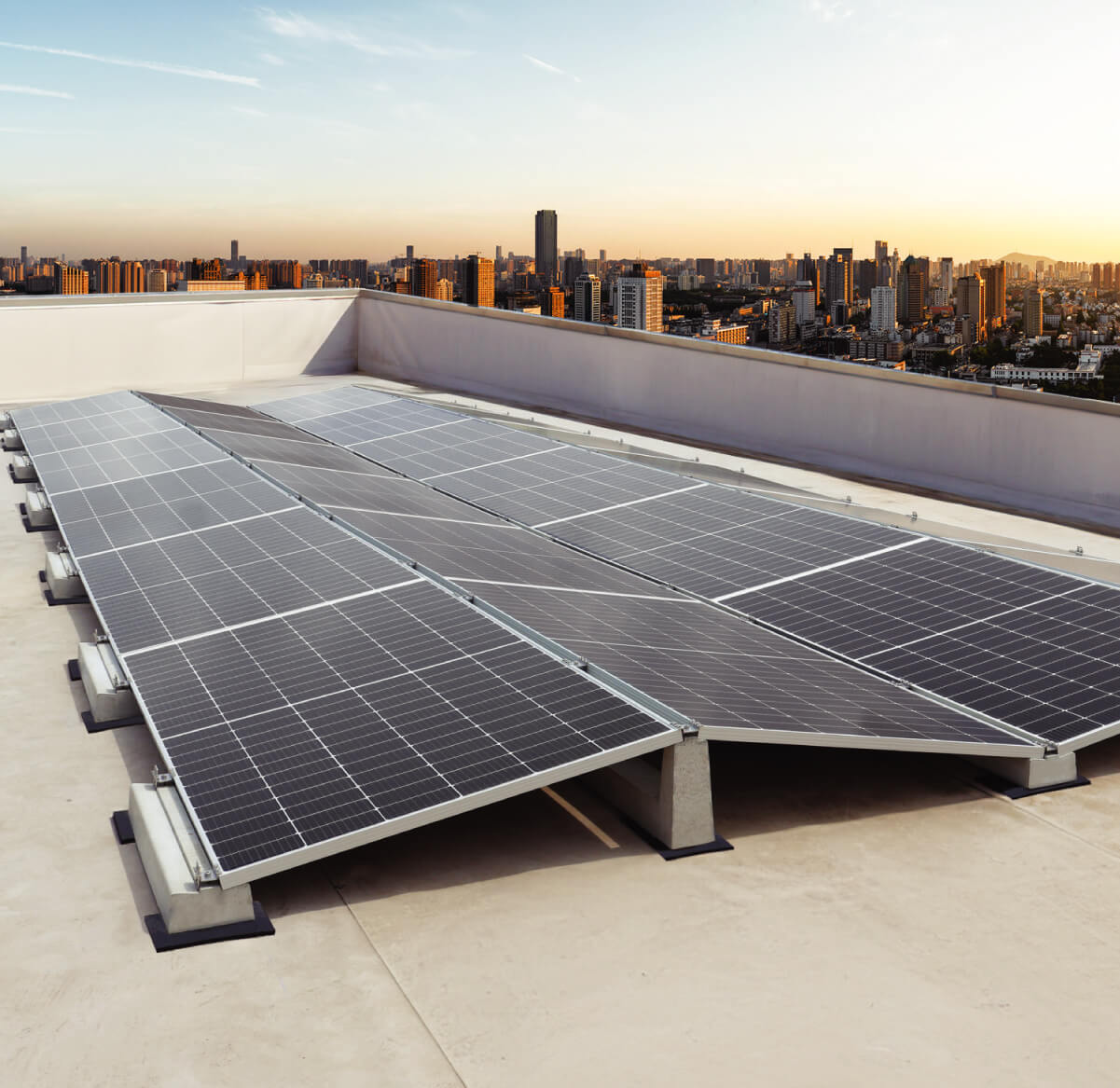
specifically for flat roofs: a non-penetrating, ballasted system that avoids drilling into the
waterproof membrane. That single choice can reduce risk, simplify logistics, and shorten
installation time. In a market where timelines and accountability matter, starting with a
calculator isn’t just convenient—it’s a competitive advantage that supports accurate quotations,
smoother procurement, and clearer discussions with the client and the technical office.
What to Input: The Data That Makes
Calculations Reliable
To get meaningful outputs from a flat roof solar panel calculator,
focus on the inputs that drive real-world feasibility. Start with roof dimensions and obstacles
(skylights, HVAC units, parapets), then define panel size and orientation (portrait/landscape).
Add tilt angle targets, maintenance walkways, and shading considerations to avoid overestimating
capacity. In Italy, wind and structural load checks are critical, so include location, building
height, and exposure where possible. A good workflow also considers ballast weight distribution
and contact points on the roof surface—especially for large commercial roofs. Terms you’ll often
see alongside the main keyword include PV layout calculator, ballast sizing, wind uplift,
rooftop load, tilt system, non-penetrating mounting, and flat roof racking. When these variables
are treated early, the resulting plan is easier to approve, safer to build, and less likely to
generate change orders mid-installation.
Turn Estimates into a Buildable Flat-Roof PV
Project
A calculator gives you speed; a proven flat-roof mounting solution
gives you certainty. Once you have the estimated number of modules and the preliminary layout,
the next step is to align the design with a system that minimizes components and accelerates
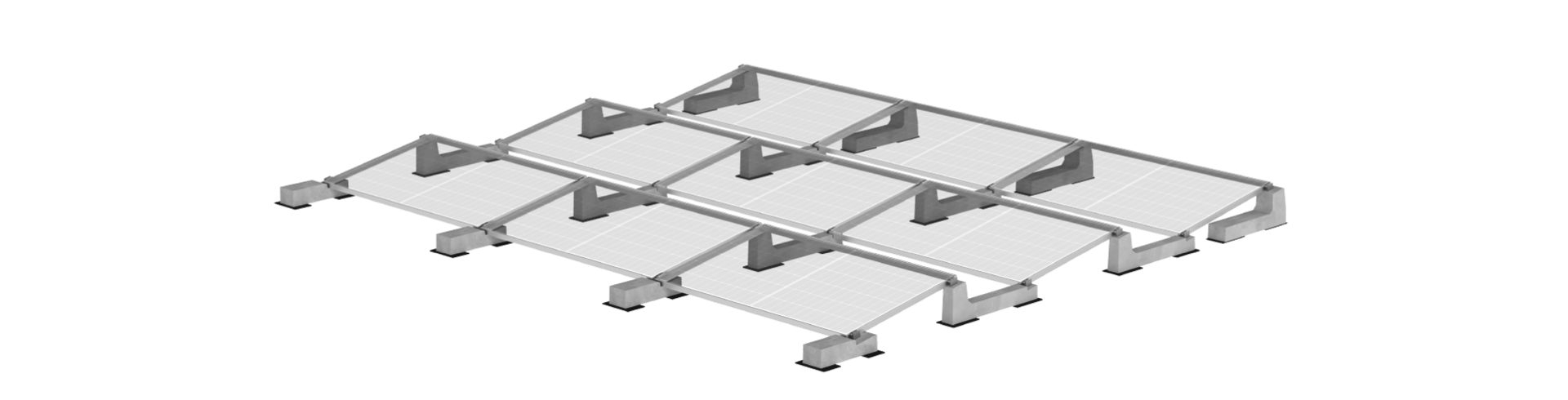
installation. Ballasted concrete supports are designed precisely for this: fast placement,
predictable geometry, and no roof penetrations—helping protect the membrane and reduce leak
risk. For B2B professionals, this translates into smoother site operations, clearer material
lists, and fewer technical headaches. If you’re quoting a flat-roof PV job, the combination of a
flat roof solar panel calculator and a ballasted, non-drilling approach can strengthen your
proposal: faster timelines, reduced complexity, and a safer installation method that clients and
technical stakeholders can trust. Explore technical resources and project support on
www.sunballast.com to move from calculation to execution with confidence—without ever turning
your roof into a construction problem.