Why flat roof solar panel mounting matters for
Italian rooftops
Flat roof solar panel mounting is often the deciding factor
between a smooth PV project and a job full of delays. On many Italian industrial buildings,
logistics are tight, deadlines are real, and the roof membrane is something you do not want to
compromise. That is why ballasted mounting solutions have become a go-to approach: they hold
modules in place using engineered weight, helping you avoid roof penetrations and reduce
waterproofing risks.
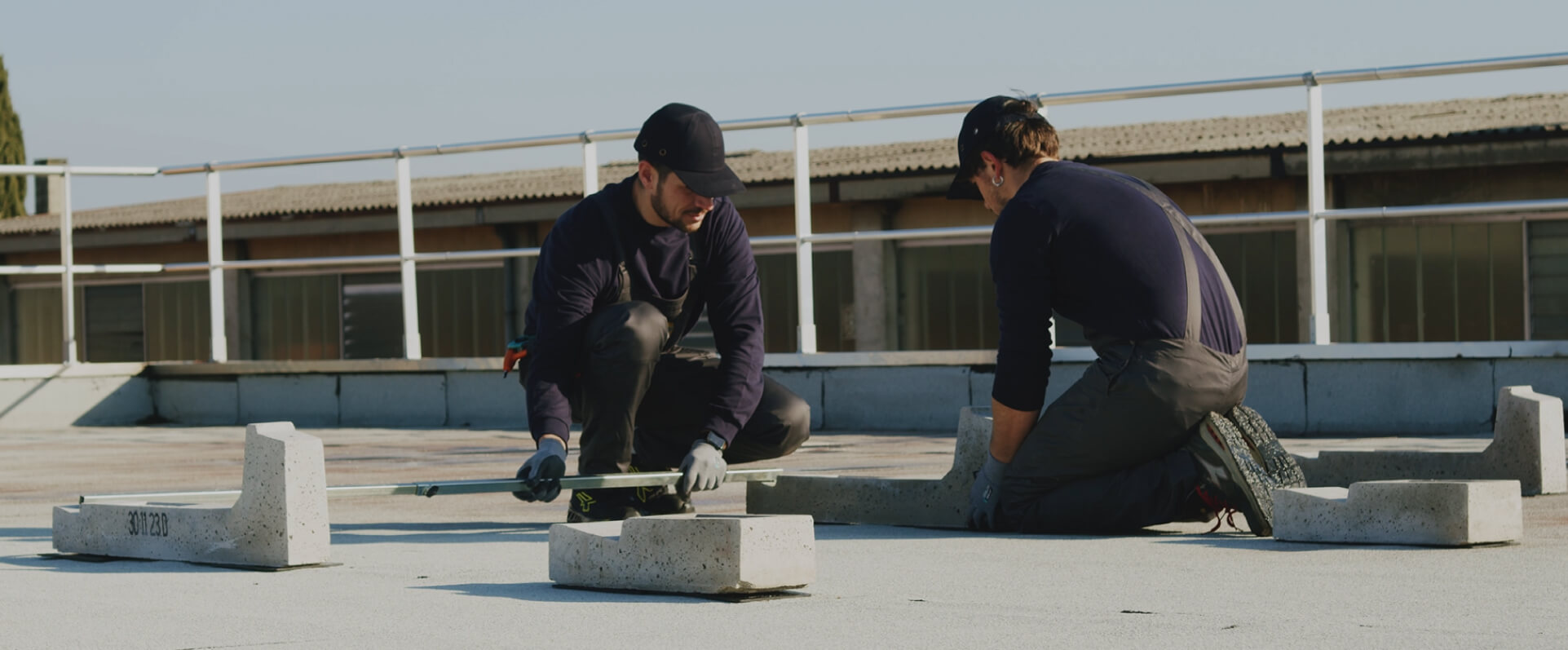
For installers, the biggest wins are speed and simplicity. Fewer parts, intuitive assembly, and
a layout that does not require drilling can cut installation time and make site work more
predictable. For designers and engineers, a reliable system means clear load paths, repeatable
performance, and documentation that supports wind and structural checks. And for distributors,
it is easier to stock and recommend a solution that solves common objections immediately: “Will
it damage the roof?” “How long will it take?” “Is it proven?”
If your goal is to deliver more kilowatts with fewer headaches, choosing the right flat roof
solar panel mounting approach is not a detail—it is the foundation of an efficient, professional
PV installation in Italy.
Ballasted supports: no drilling, less risk,
faster installation
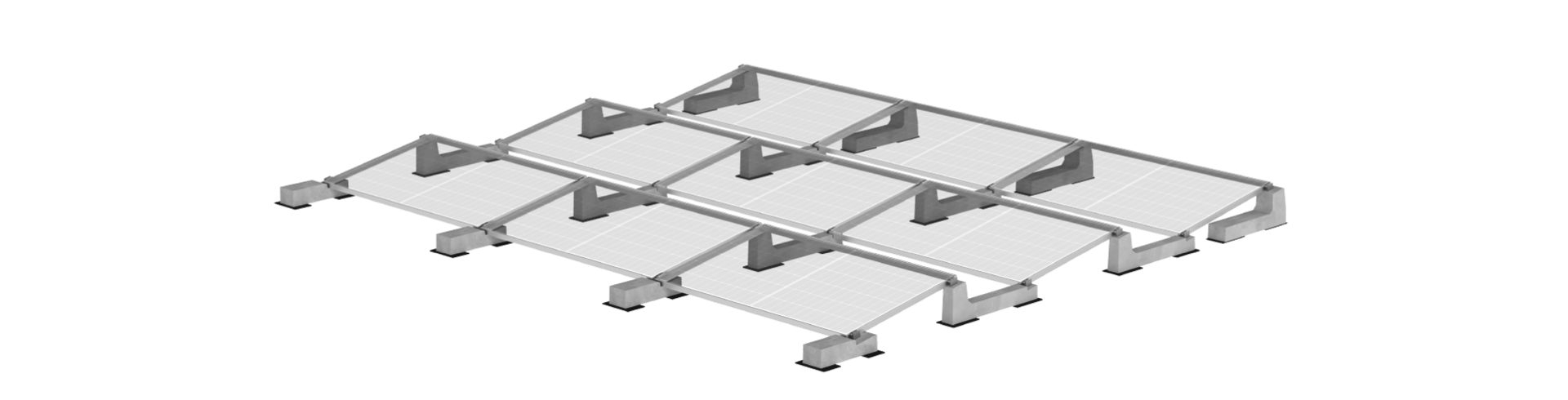
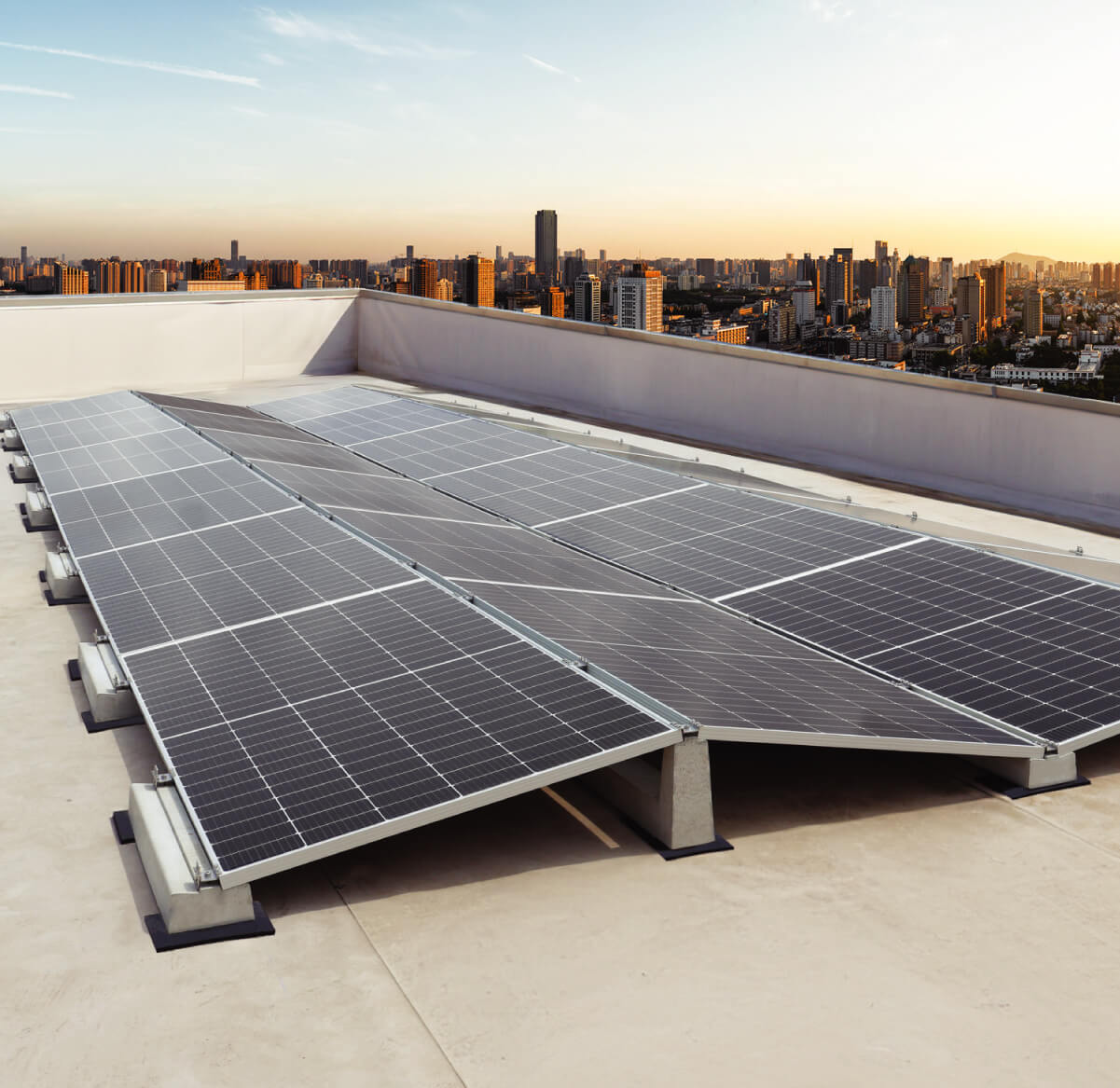
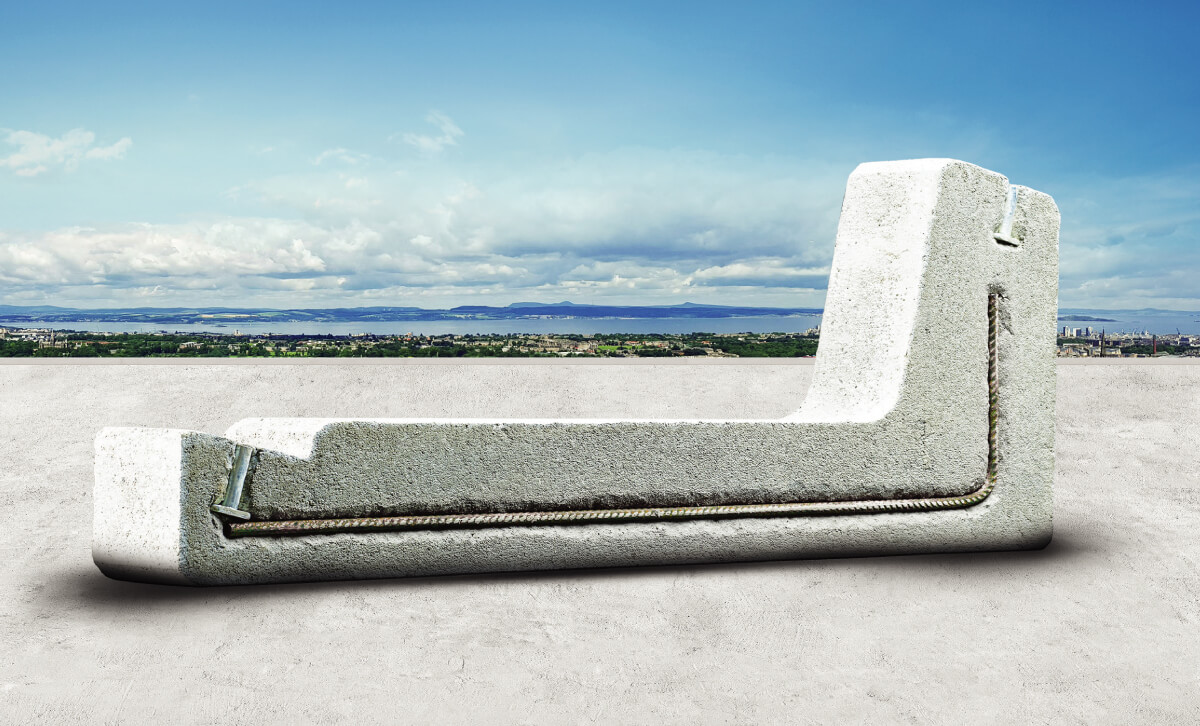
A modern flat roof solar panel mounting system based on concrete
ballast can simplify the entire workflow. Instead of anchoring through the waterproof layer, the
structure uses pre-engineered weights to counter uplift and keep the array stable. This helps
reduce the risk of leaks, avoids complex sealing operations, and limits the uncertainty that
comes with fixing points on existing roofs.
From a practical point of view, installers benefit from fewer components and a cleaner bill of
materials. With the right mounting geometry, you can manage tilt angle, optimize spacing, and
maintain safe access for maintenance. The result is a quicker build, fewer on-site surprises,
and a professional finish.
For technical offices, the value is just as strong: tested configurations, consistent assembly,
and support during the design phase can make wind load and roof load assessments easier to
handle. When every project demands speed, safety, and repeatability, ballasted flat roof solar
panel mounting becomes an efficient choice for many Italian commercial and industrial
applications.
A technical partner approach: from sizing to
execution
Choosing flat roof solar panel mounting is not only about
hardware—it is about getting the project right from the first drawing to the final module. In
the Italian B2B market, installers and designers often need more than a catalog: they need fast
answers, dependable data, and practical guidance that reduces responsibility and keeps the site
moving.
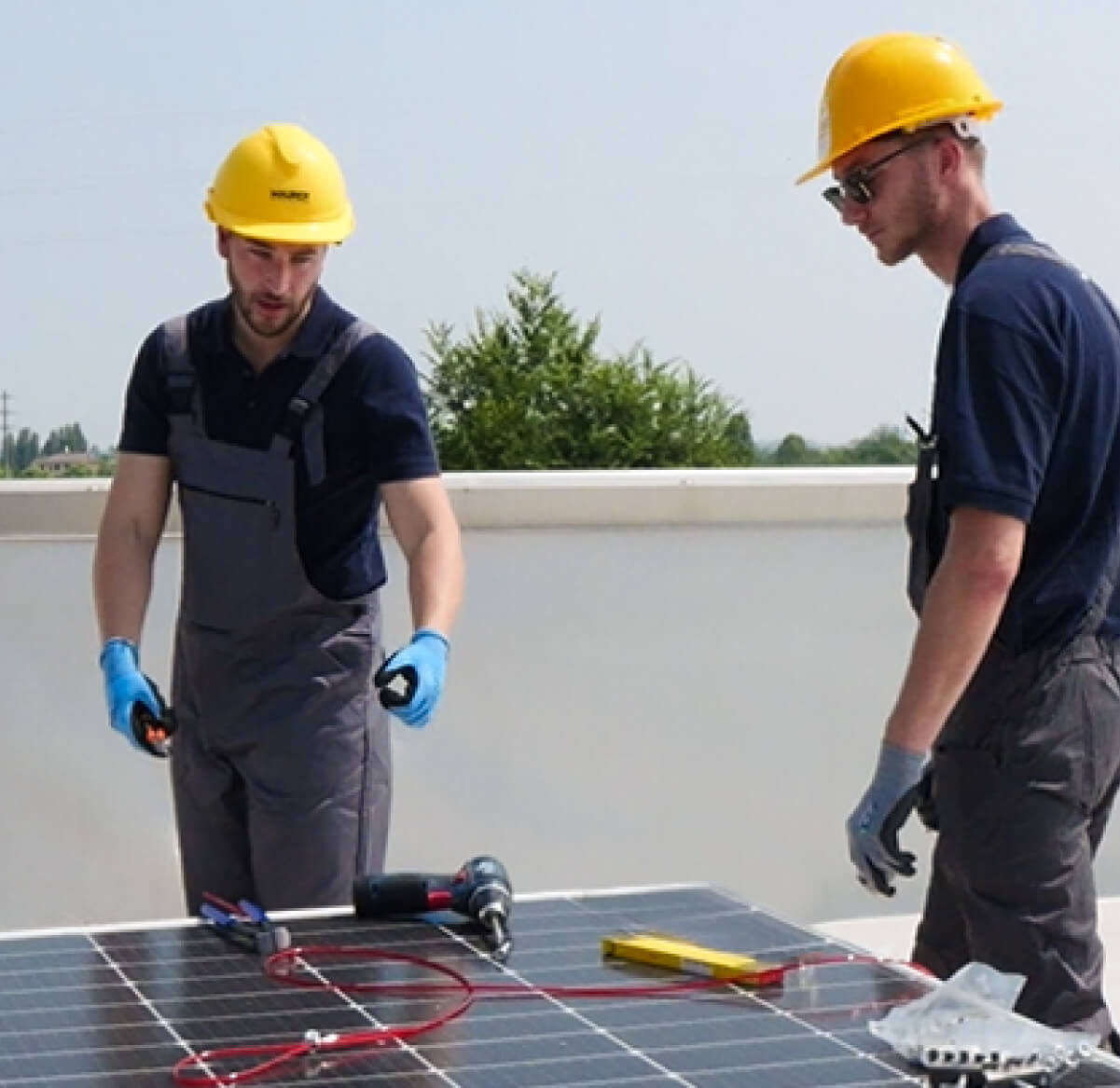
A complete solution should include technical support during the design stage, system sizing
based on roof constraints, and assistance that follows the project all the way to execution.
That kind of collaboration helps you avoid overcomplication, limit rework, and standardize your
installations across different rooftops.
Look for mounting systems built around reliability, simplicity, and continuous innovation:
durable components, proven performance, and straightforward installation steps. When you can
deliver a secure, non-penetrating setup with confident engineering support behind it, you do
more than finish a job—you build trust with clients and win repeat business.
To explore options for Italy, visit www.sunballast.com and evaluate a flat roof solar panel
mounting solution designed to save time, reduce risk, and make every rooftop PV project easier
to manage.