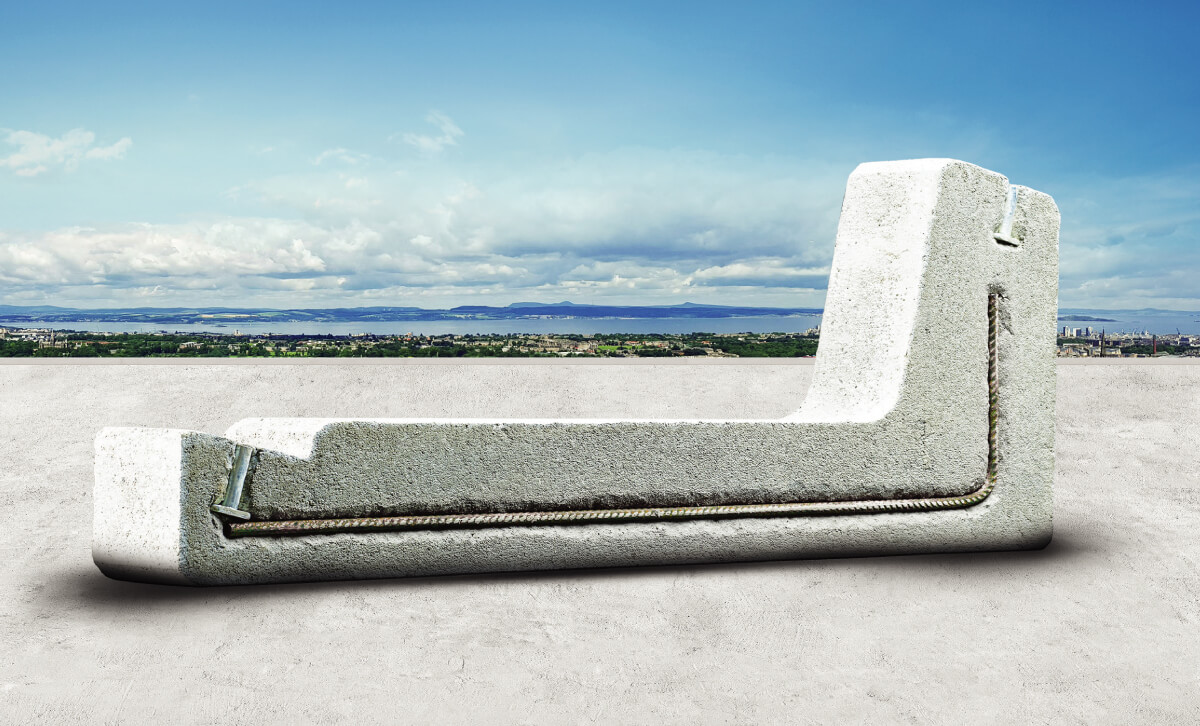
A smarter way to build PV on flat roofs in
Italy
In Italy, flat roofs are everywhere—from industrial warehouses to
commercial buildings—and they’re ideal for solar. The challenge is choosing flat roof solar
panel mounting systems that are fast to install, safe under wind loads, and kind to the
waterproof membrane. Many installers and designers still waste time with complex frames, too
many small parts, and risky roof penetrations that can lead to leaks and call-backs. A modern
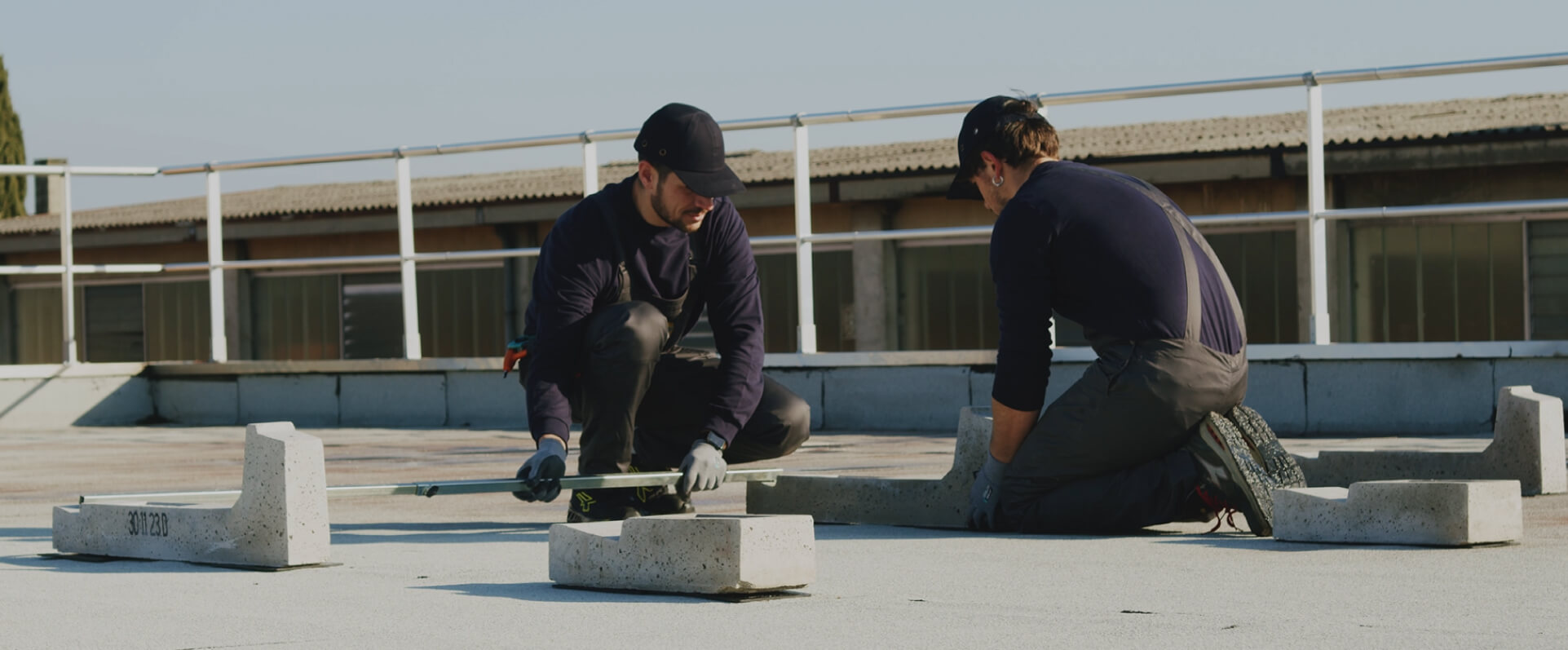
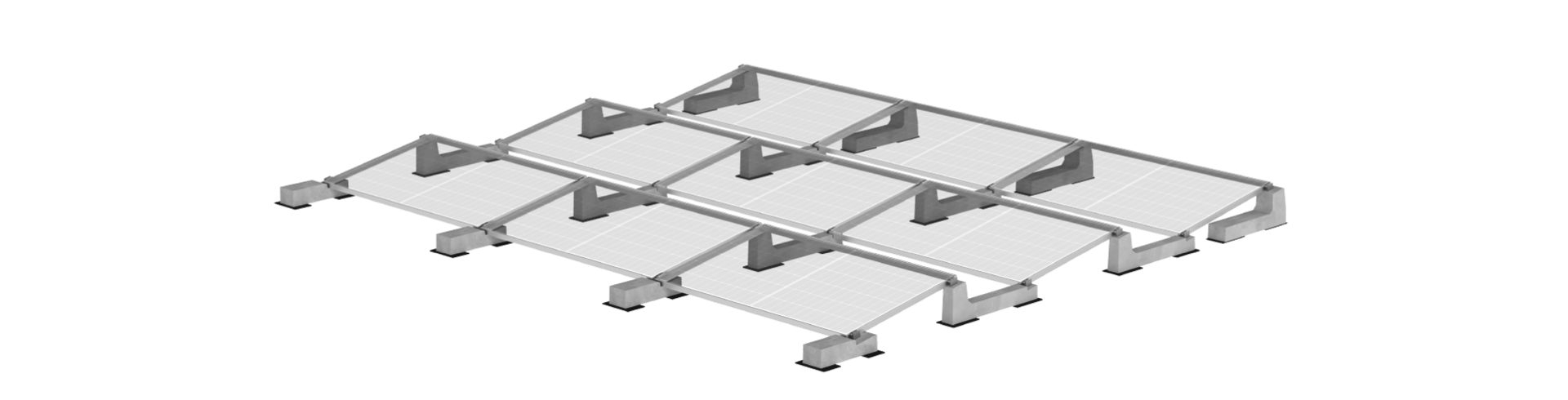
approach uses ballasted solutions with concrete weights, allowing PV modules to be secured
without drilling the roof. That means fewer installation steps, less uncertainty on site, and
easier planning. For crews, it’s about speed: pre-defined inclinations, straightforward
assembly, and reduced hardware handling. For engineers, it’s about confidence: predictable load
distribution, tested configurations, and clear data for calculations. And for distributors, it’s
about a product that’s easy to explain and consistently requested. When a mounting solution
combines reliability, simplicity, and continuous innovation, the entire supply chain benefits.
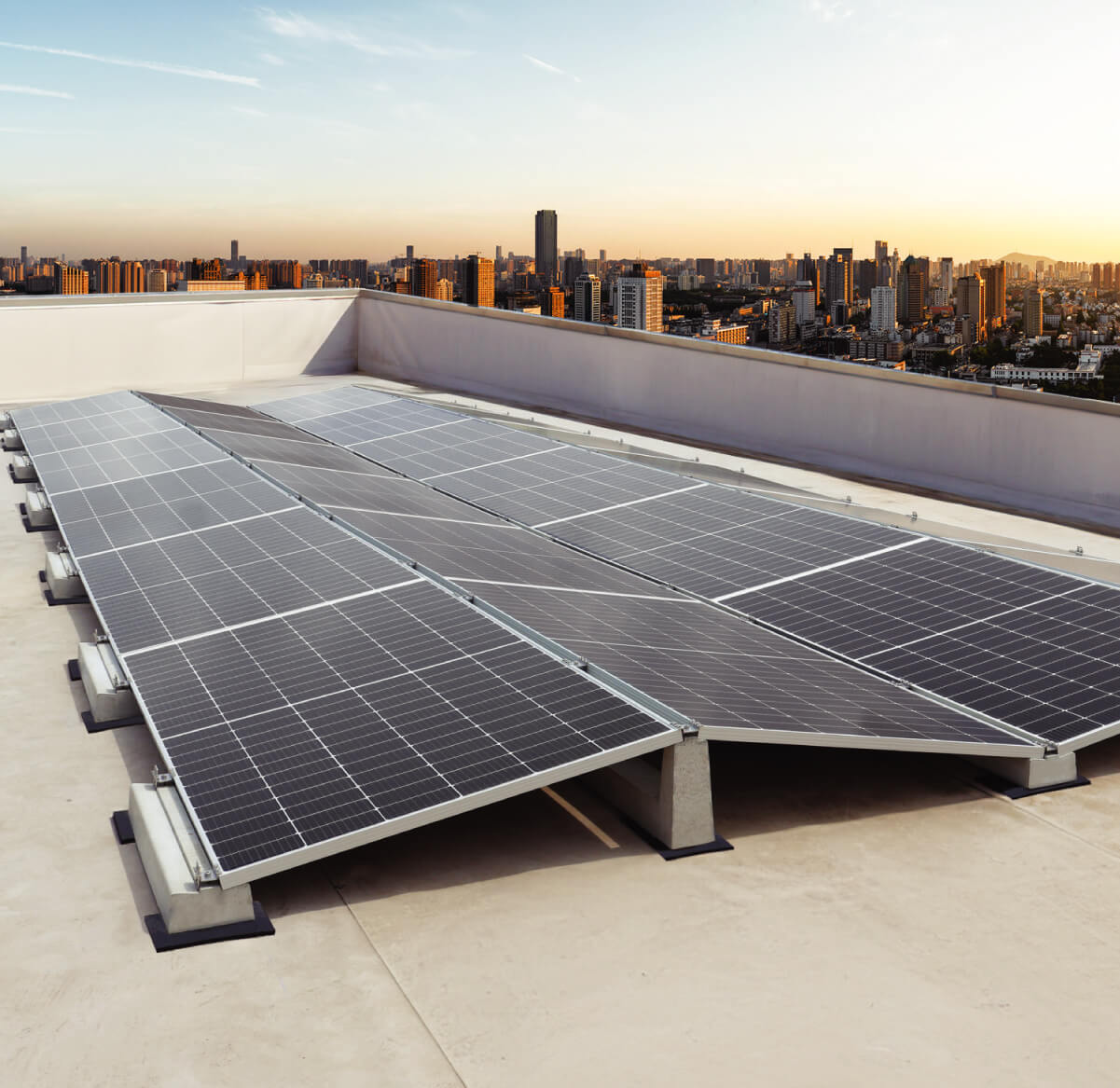
The result is a flatter learning curve, smoother logistics, and a rooftop PV system that looks
clean, performs well, and stays secure season after season—without turning the roof into a
problem area.
Why no-penetration ballasted systems reduce
risk and save time
Roof penetrations can be the biggest headache on a flat roof PV
project: they increase waterproofing complexity, introduce long-term maintenance concerns, and
add coordination with other trades. With no-penetration flat roof solar panel mounting systems,
the module support is stabilized through ballast and smart geometry, minimizing the need for
invasive fixes. Concrete ballast blocks are engineered to hold panels firmly while distributing
loads across the surface, helping protect the membrane. On site, fewer components translate into
faster staging, fewer mistakes, and quicker commissioning—especially valuable when you’re
managing multiple rooftops or tight deadlines. For technical offices, verified solutions support
safer project decisions by simplifying checks related to wind uplift, weight, and layout
constraints. Commercially, a proven ballasted mounting strategy is easier to standardize across
projects, making quoting and procurement more predictable. If your goal is to install more
kilowatts per week with fewer complications, this type of PV mounting system can be the
practical advantage that keeps projects profitable and clients satisfied.
Technical partnership: from sizing to
execution (without naming a vendor)
The best flat roof solar panel mounting systems are not just a
product you buy—they’re a complete solution that helps you deliver a compliant, efficient
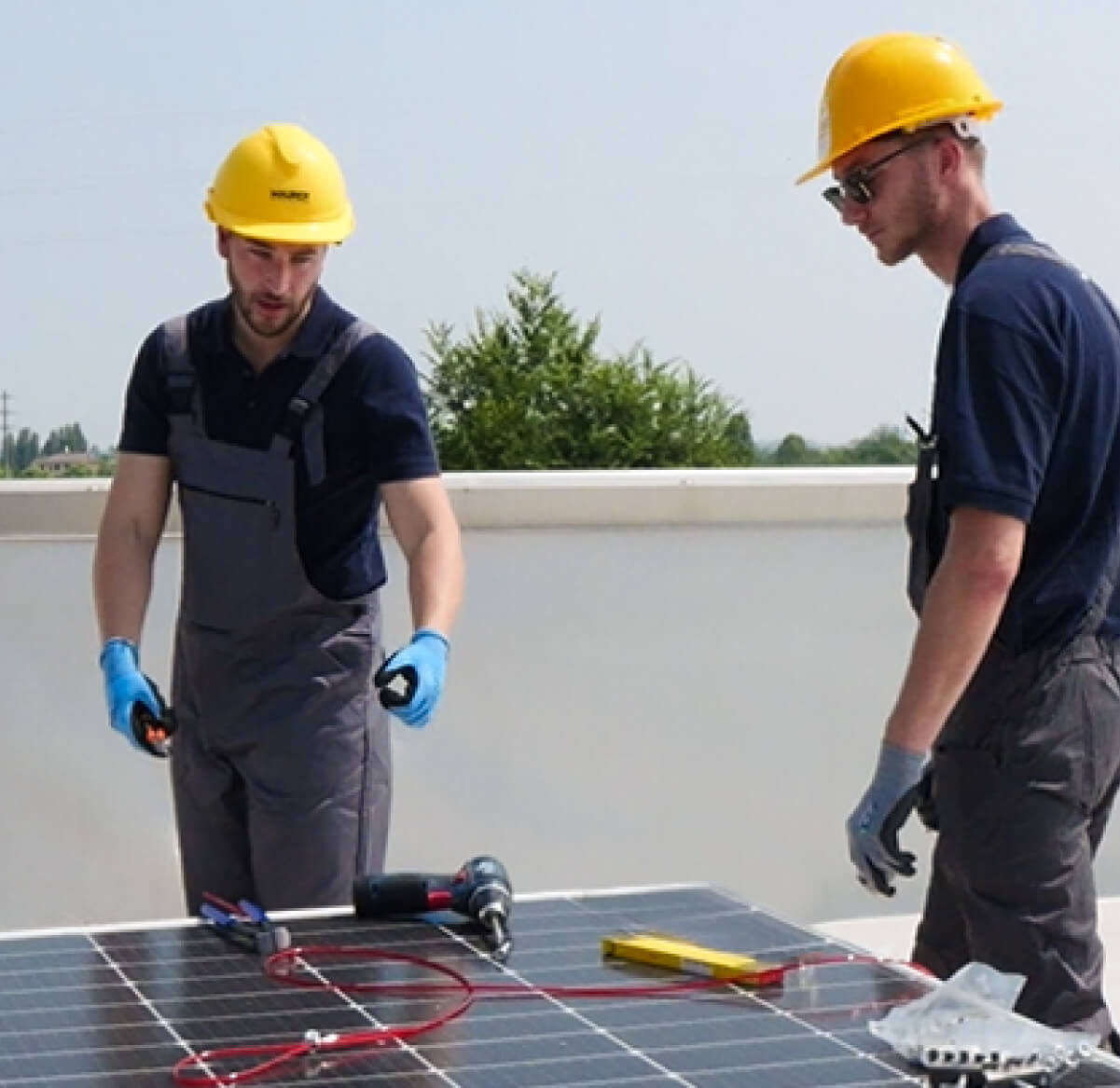
installation. For installers, that means guidance on optimal tilt angles, row spacing, and cable
management so the job is tidy and fast. For designers and engineers, it means access to
dependable technical documentation and support during sizing, including help interpreting roof
constraints and selecting configurations already validated through testing. For distributors, it
means consistent availability, clear positioning, and a solution that reduces after-sales
issues. When a mounting approach is built around reliability (solid, durable supports),
simplicity (intuitive, quick assembly), and innovation (continuous improvement for real jobsite
needs), it becomes a true technical partner for the Italian PV market. If you’re planning your
next flat-roof project, focus on systems that eliminate drilling, streamline installation, and
provide the technical backbone you need to design and build with confidence—so every rooftop
becomes an opportunity, not a risk.