Why Flat Roof Solar Mounting Matters on
Italian Rooftops
In Italy, flat roofs on warehouses, factories, and commercial
buildings are prime real estate for photovoltaic growth—but only if the mounting system keeps
projects moving. Choosing the right flat roof solar mounting solution can be the difference
between a smooth installation and days of delays, rework, and client frustration. Installers
want speed, fewer parts, and predictable results on site. Designers and engineers need
certified, tested solutions with reliable data for wind loads and roof constraints. And
distributors look for a product that’s easy to explain, easy to stock, and consistently
requested. A ballast-based approach answers these needs by avoiding roof penetrations, reducing
waterproofing risks, and simplifying planning. When panels can be secured without drilling, you
cut complexity and protect the membrane—especially important on older industrial covers. The
result is a cleaner workflow: fewer components to manage, fewer tools, and fewer surprises. Add
strong structural stability, durable materials, and a layout that supports optimal tilt and
spacing, and you get a mounting strategy that fits the Italian market’s demand for efficiency.
Ultimately, flat roof solar mounting isn’t just a “structure”—it’s the foundation of safer
timelines, more accurate costing, and higher confidence from everyone involved in the PV
project.
The Advantage of Concrete Ballast: No
Drilling, Less Risk, Faster Work
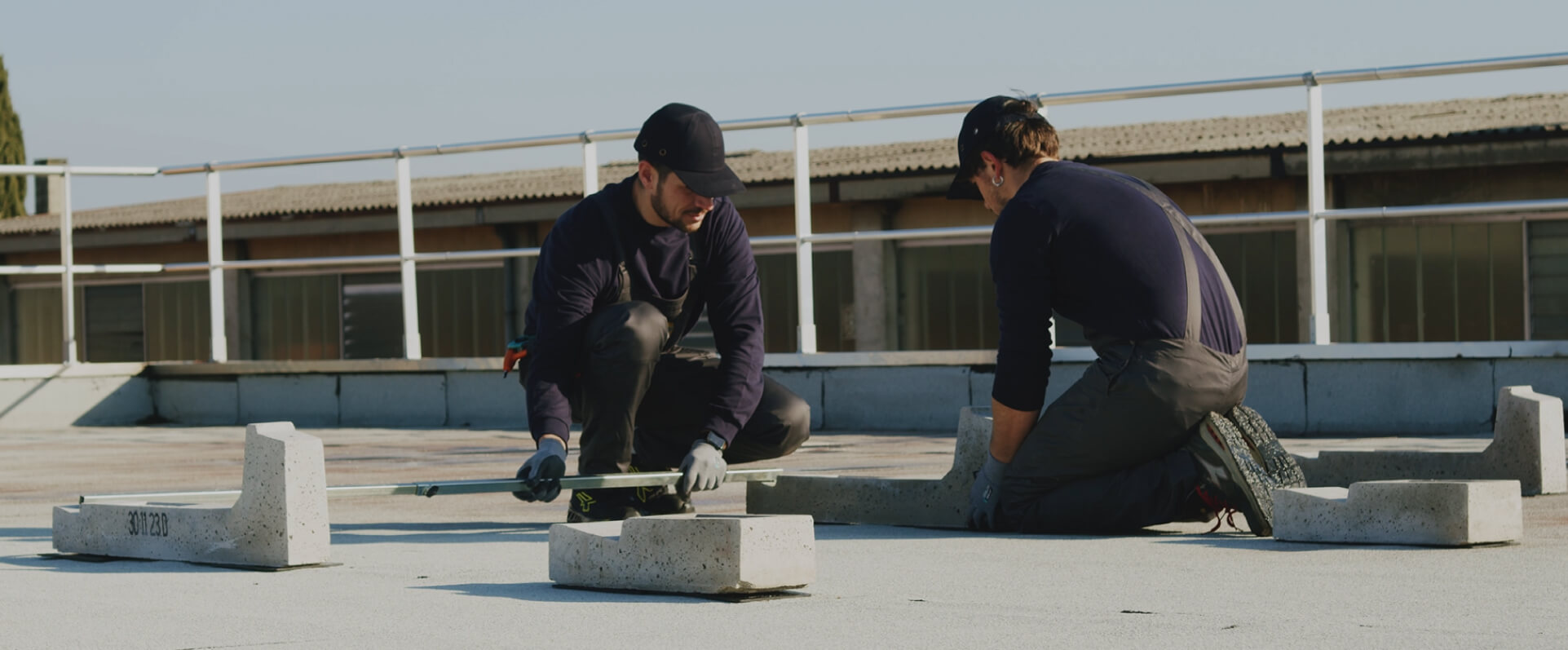
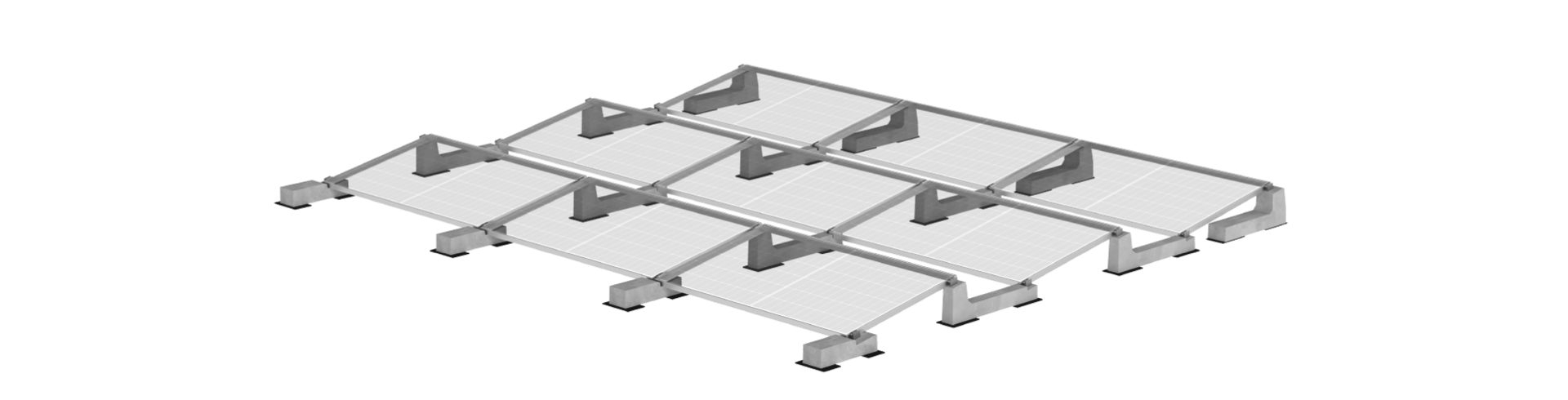
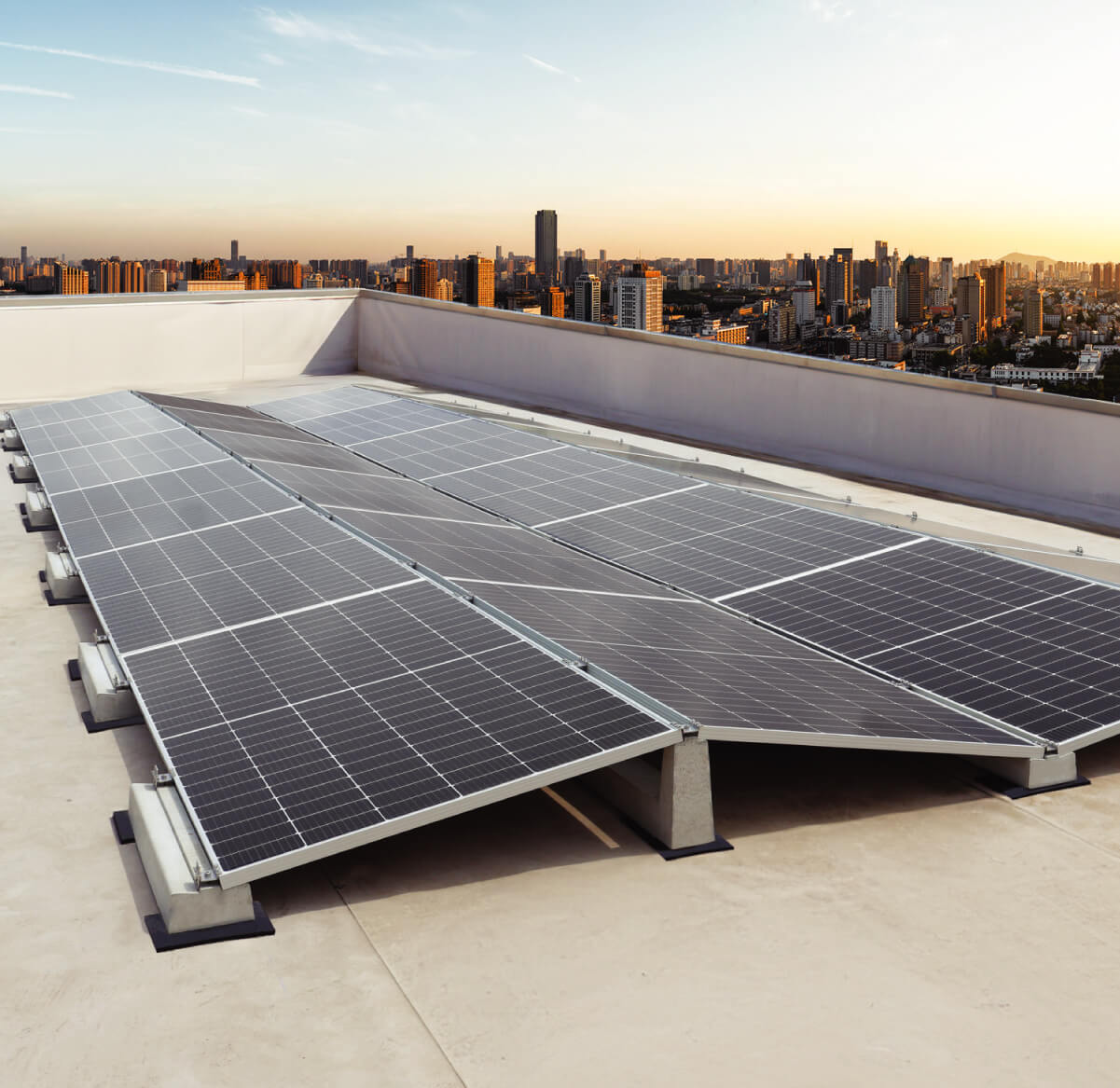
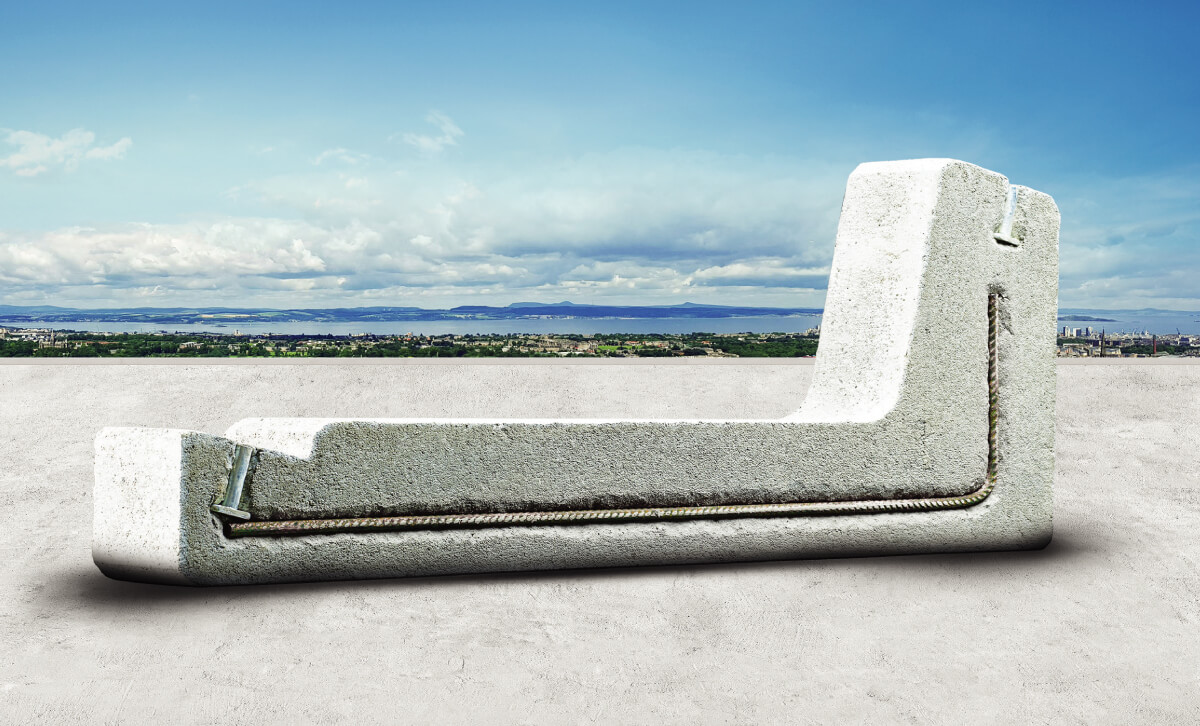
A concrete ballast system for flat roof solar mounting is designed
to hold PV modules in place through weight and geometry, rather than mechanical fixation into
the roof. That means no holes, no anchors, and far fewer waterproofing concerns—one of the
biggest pain points for installers on flat roofs. On site, this translates into tangible
benefits: quicker positioning, simpler assembly, and reduced dependency on specialized roof
works. Because the structure relies on pre-engineered supports, crews can standardize the
installation process across multiple rooftops, improving productivity and reducing training
time. For technical professionals, ballast solutions also help manage design responsibility: you
can work with validated configurations, consistent load distribution, and documentation that
supports wind and structural checks. For procurement teams and distributors, fewer small parts
and a recognizable system streamline inventory and reduce missing-component issues. Just as
important, concrete ballast supports can be planned to match the roof’s layout—accommodating
parapets, obstacles, and maintenance pathways—while still aiming for strong energy yield. When
every hour on the roof matters, flat roof solar mounting that minimizes steps and mitigates risk
becomes a competitive edge.
A Complete Technical Partner for Flat Roof PV
Projects
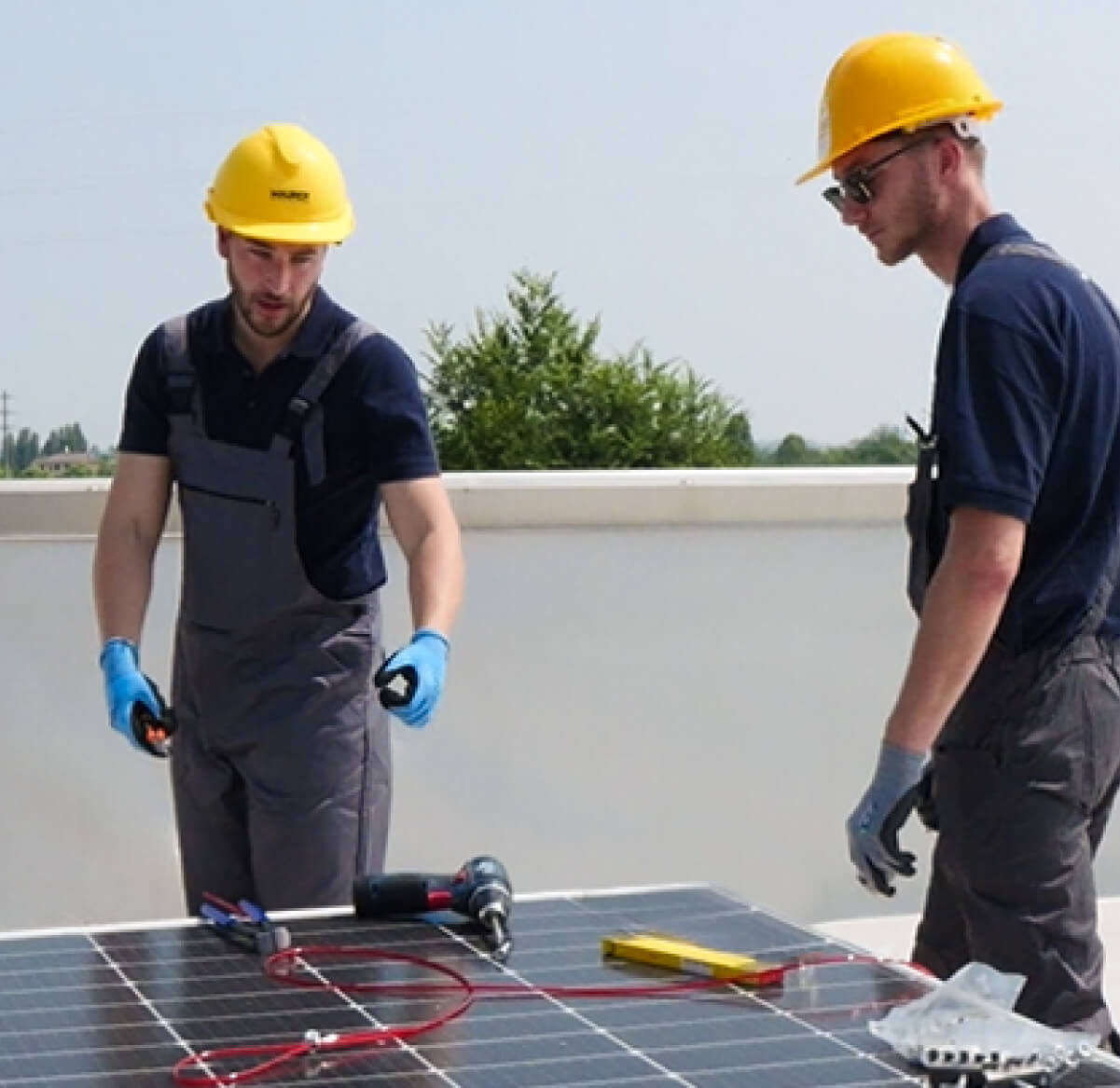
Successful flat roof solar mounting isn’t only about hardware—it’s
about getting the project right from design to execution. For installers, having access to
technical guidance can prevent costly on-site changes, especially when wind exposure, roof load
limits, or array spacing become critical. For engineers and design studios, dependable input for
system sizing and configuration reduces uncertainty and supports compliant, defensible choices.
For wholesalers, a solution that comes with clear technical resources is easier to recommend and
easier for customers to adopt. A partner-led approach typically includes pre-installation
support, help with plant sizing, and assistance that continues through the final layout and
jobsite delivery. This reduces operational friction and allows teams to quote with more
confidence, schedule crews more accurately, and meet client deadlines. In practical terms, a
well-supported ballast-based flat roof solar mounting strategy helps standardize quality across
projects: fewer installation errors, cleaner documentation, and more predictable performance
over time. If your goal is to make flat-roof PV in Italy easier, safer, and more efficient,
choose a mounting solution built around reliability, simplicity, and continuous innovation—so
every project feels repeatable, not risky.