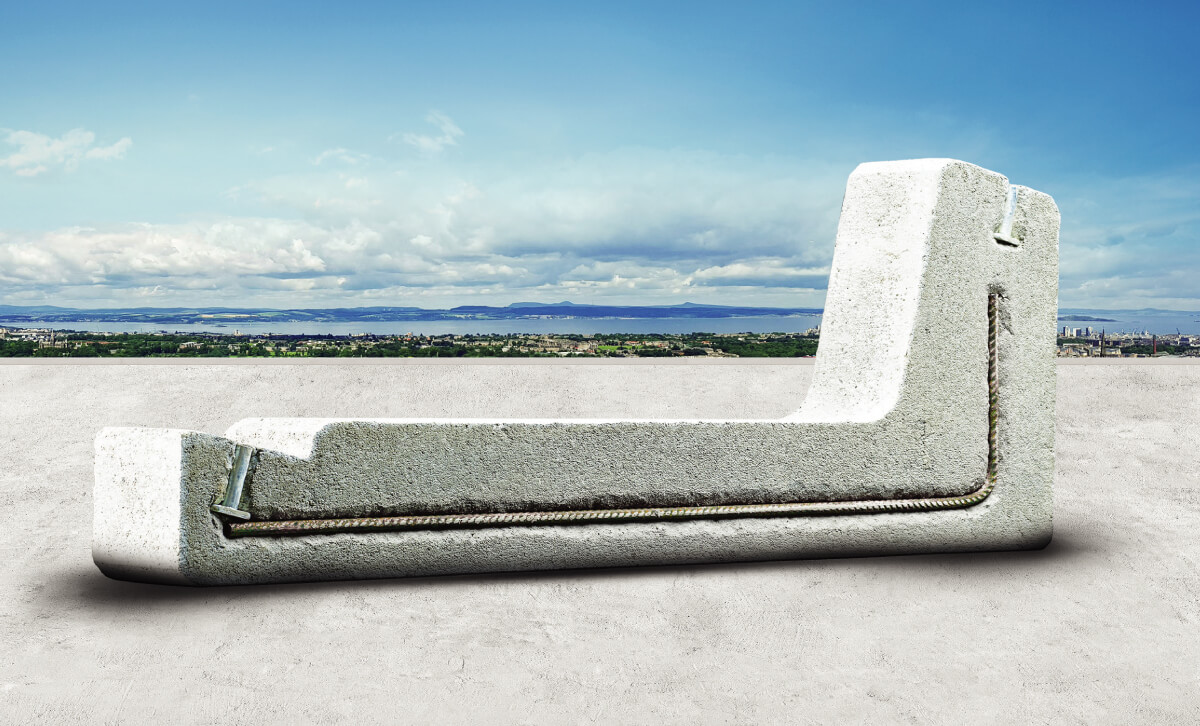
Why a Flat Roof Solar Mounting System Matters
on Italian Buildings
In Italy, flat roofs on industrial buildings, warehouses, and
commercial sites offer prime space for photovoltaics—but they also come with real jobsite
pressure. Installers need speed, predictable performance, and fewer surprises when working on
membranes, bitumen, or delicate waterproofing layers. That’s where a flat roof solar mounting
system becomes a decisive choice. Instead of relying on roof penetrations and complex
substructures, a ballast-based approach helps keep the roof intact while delivering the
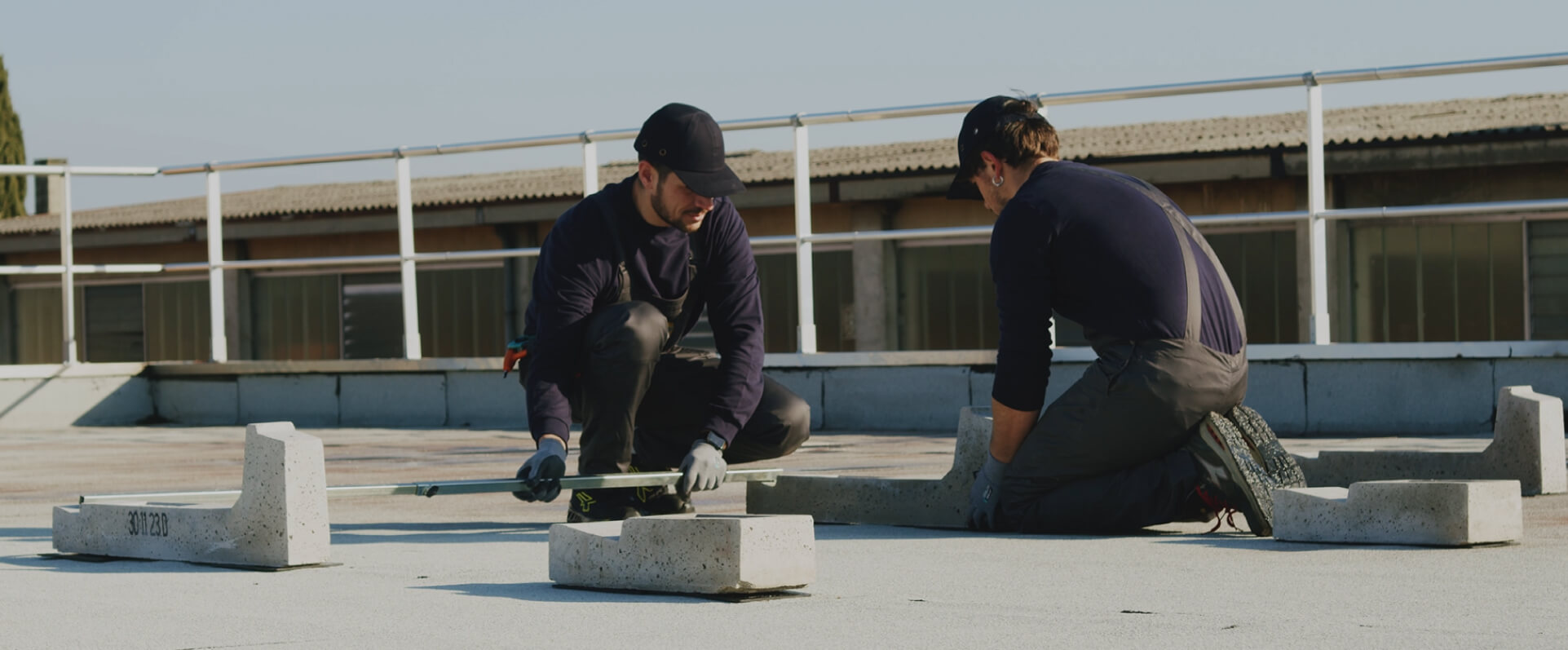
stability required for long-term operation. For crews, it means fewer steps, fewer parts to
handle, and smoother logistics from delivery to final alignment. For designers and engineers, it
means a clearer path to compliance: controlled loads, repeatable configurations, and dependable
data for wind and structural checks. And for distributors, it’s a solution that’s easy to
explain and consistently in demand across the Italian market. If your priority is reducing
installation time while protecting the roof, choosing the right mounting strategy isn’t a
detail—it’s the difference between a clean handover and a costly rework. The best systems are
built around reliability, simple on-site assembly, and continuous innovation, so every project
moves from planning to commissioning with less friction and more confidence.
Key Benefits: No Drilling, Fewer Components,
Faster Installation
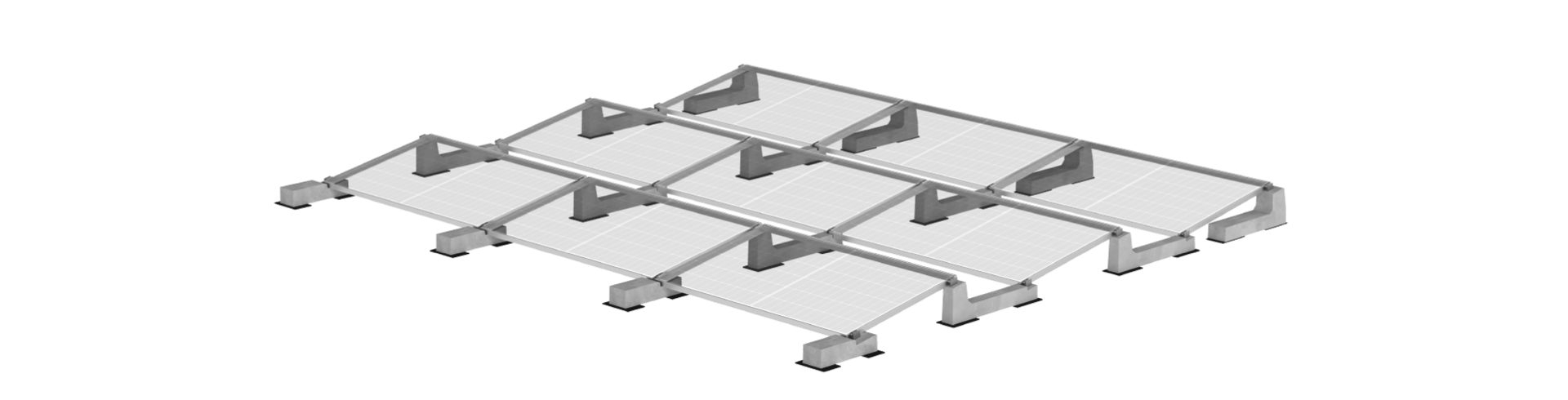
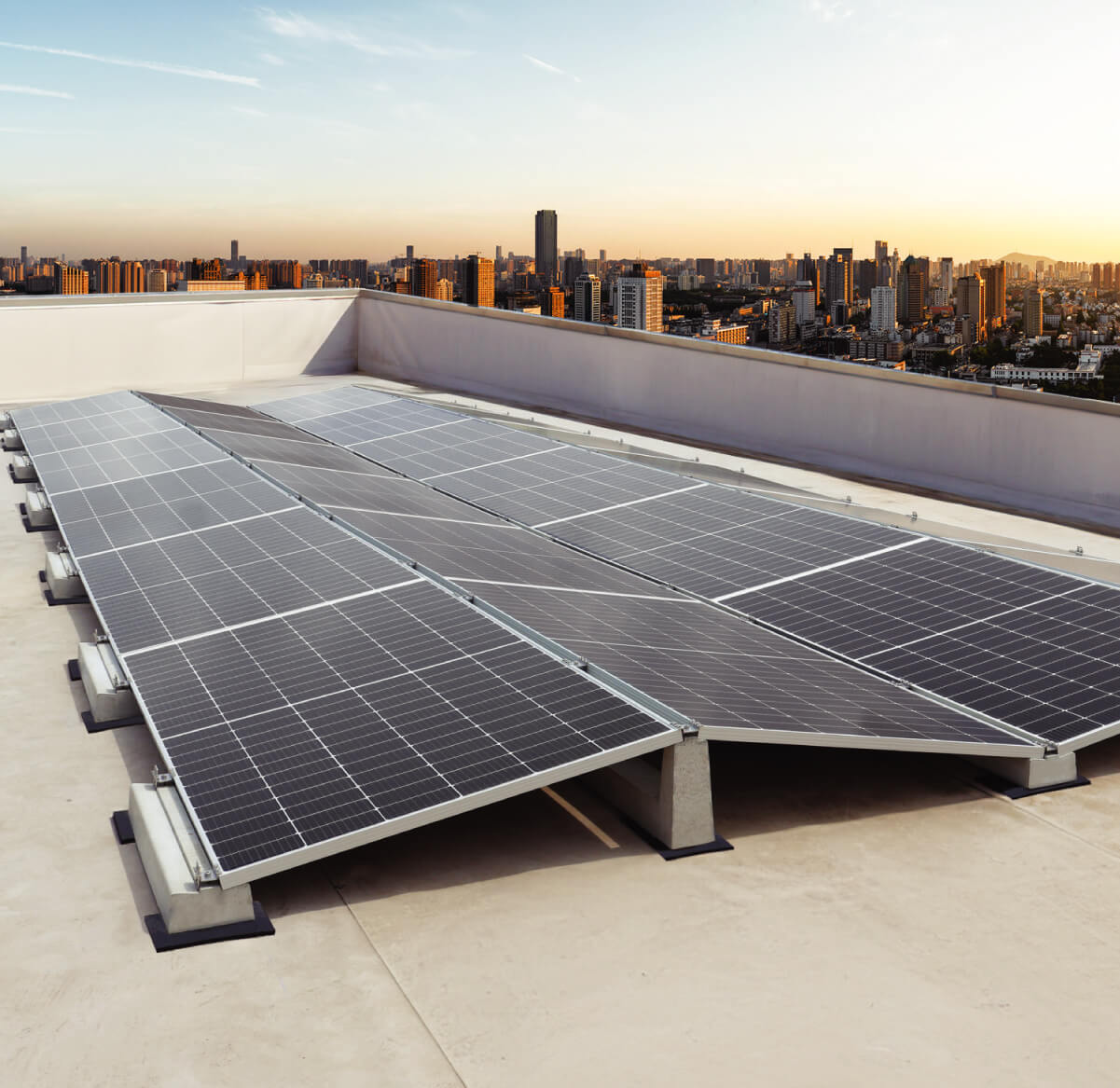
A modern flat roof solar mounting system built around concrete
ballast is designed to simplify work in the field. No roof drilling means fewer waterproofing
risks and less coordination with additional trades, which is crucial when timelines are tight.
With fewer mechanical fixings and a more straightforward layout, teams can position the
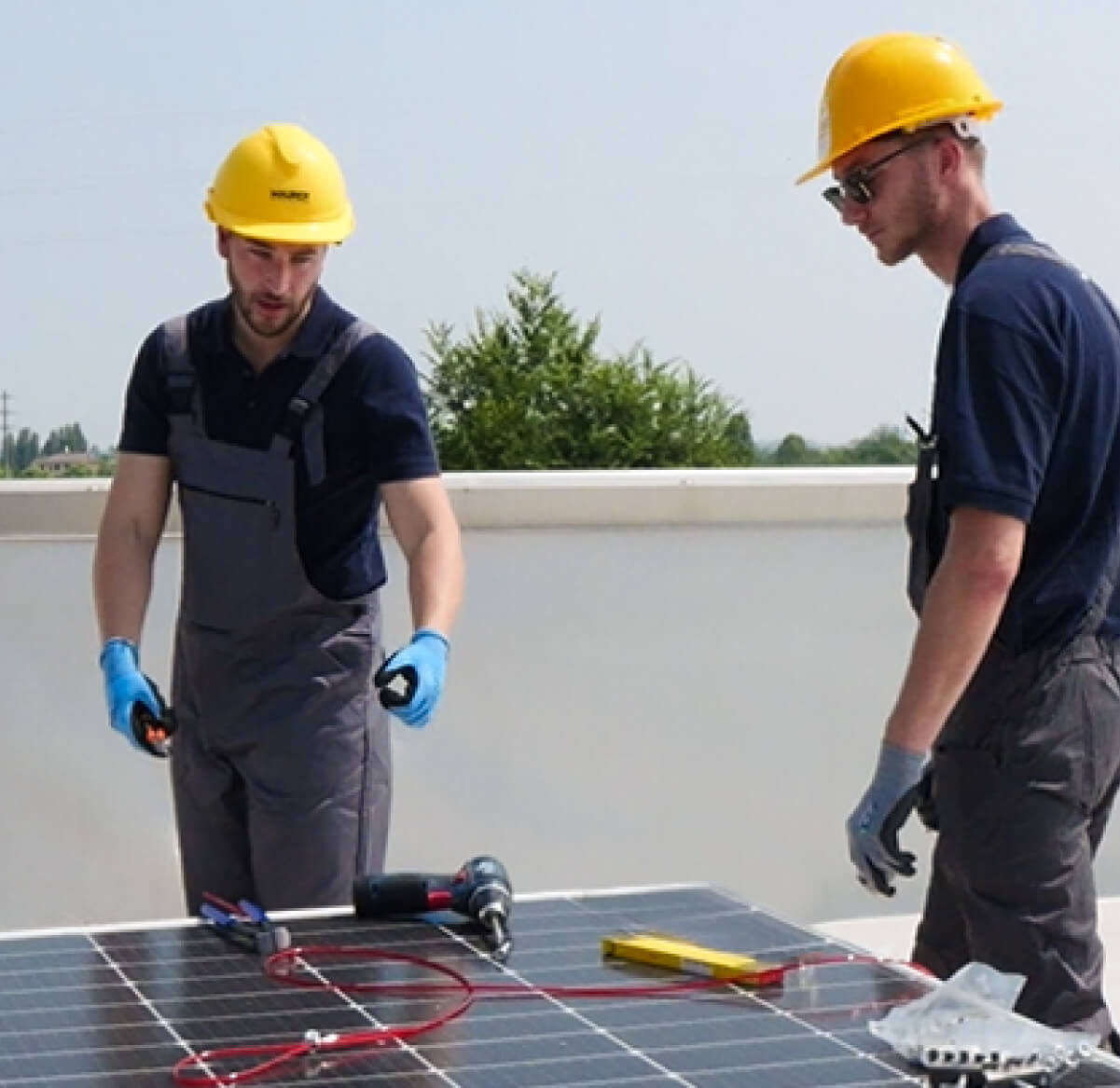
supports, place modules, and complete electrical routing with a cleaner workflow. This is
especially valuable on large roofs where small inefficiencies multiply quickly. Ballasted PV
mounting also supports consistent module tilt options and organized row spacing, helping manage
shading and optimize production. For technical offices, having tested solutions and documented
performance reduces uncertainty during sizing and verification, including wind uplift
considerations and roof load distribution. The result is a practical balance: robust stability,
simplified procurement, and a system that installers can repeat across multiple sites without
reinventing the process every time.
A Technical Partner Approach for Installers,
Designers, and Distributors
Choosing a flat roof solar mounting system is not only about
hardware; it’s about getting the project right the first time. Professional teams in Italy often
need more than a catalogue—they need responsive technical support during design, dependable
inputs for calculations, and guidance through project development up to execution. A partner-led
approach helps installers avoid on-site delays, helps engineers reduce design risk, and helps
distributors offer a solution that feels complete rather than piecemeal. Look for a provider
that combines reliable, durable components with engineering assistance, system sizing support,
and commercial follow-through. When the mounting solution is designed to be intuitive and fast,
crews can install more systems per month, reduce call-backs, and protect the roof surface with
confidence. In a market where margins depend on efficiency, a ballast-based, no-penetration
strategy can turn flat roofs into repeatable, low-risk PV projects that are easier to sell,
easier to design, and easier to build.