Why Flat Roof Solar Mounting Systems Matter in
Italy
In Italy, flat roofs on industrial buildings, logistics hubs, and
commercial sites are ideal surfaces for photovoltaic growth—but only if the installation is
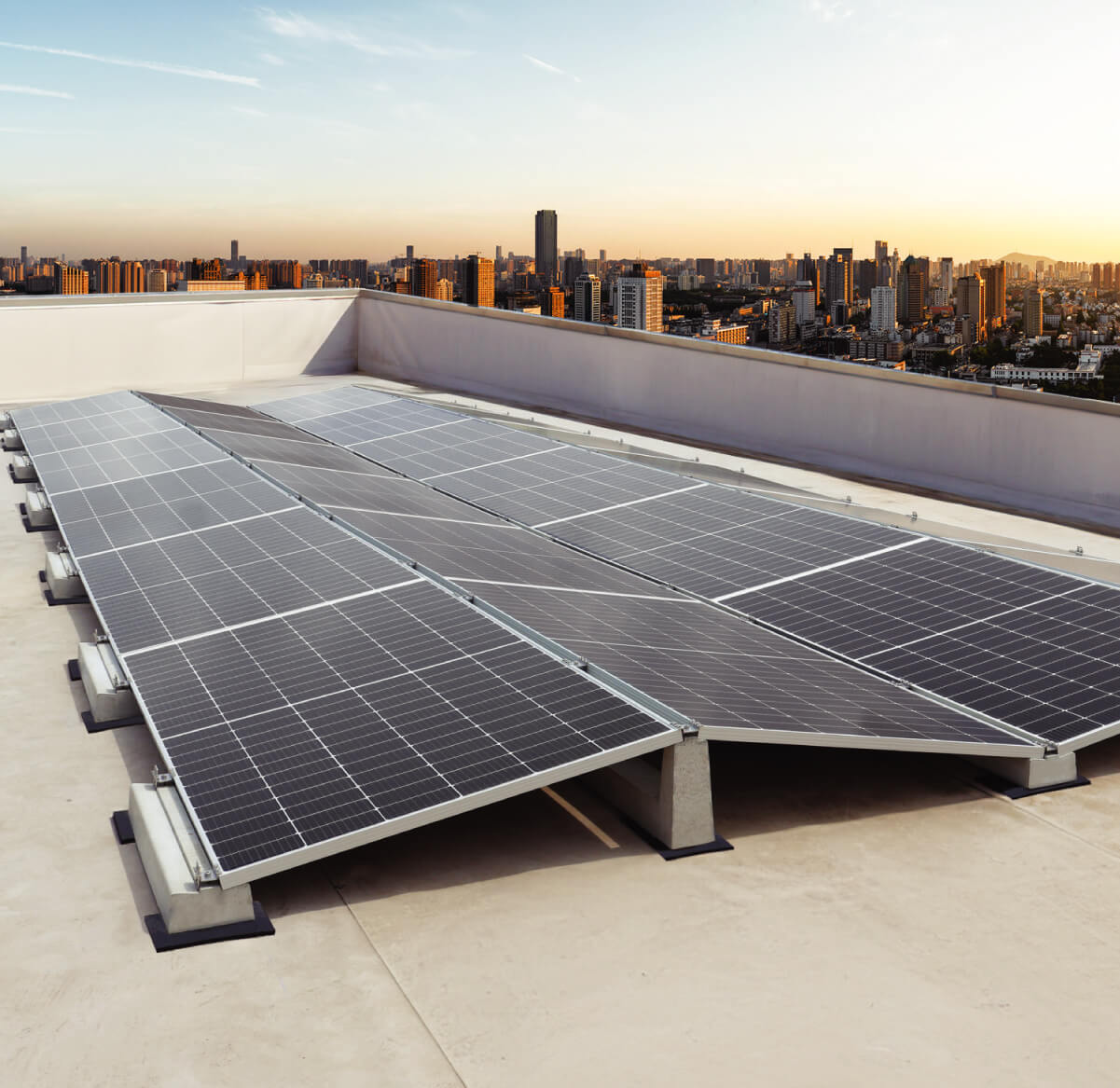
truly roof-friendly. Flat roof solar mounting systems are designed to secure PV modules while
respecting the waterproof membrane, minimizing disruption and long-term risk. The biggest
concern for installers and designers is often the same: how to achieve stability against wind
loads without drilling into the roof. A well-engineered ballast-based approach answers that need
by using weighted supports that keep panels firmly in place while avoiding penetrations. This
means fewer chances of leaks, less time spent coordinating roofing works, and a smoother
handover to the client.
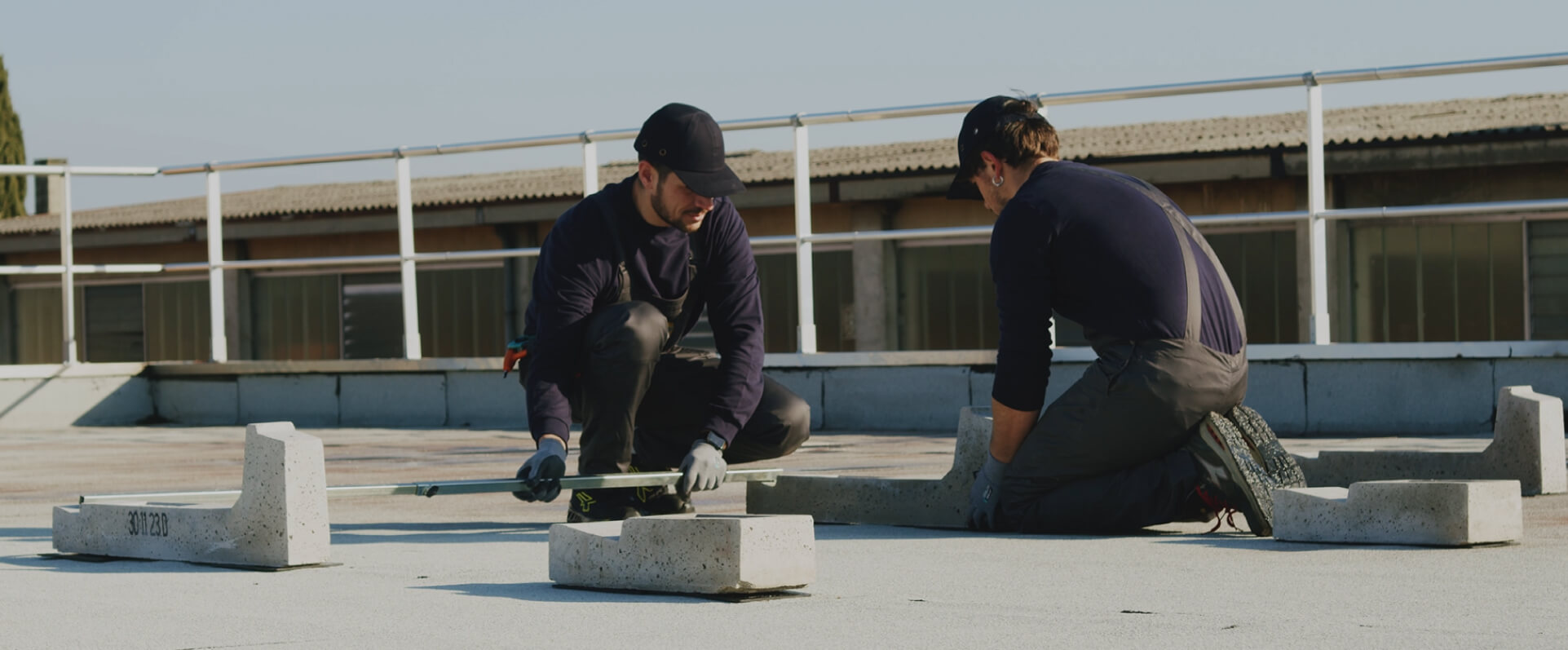
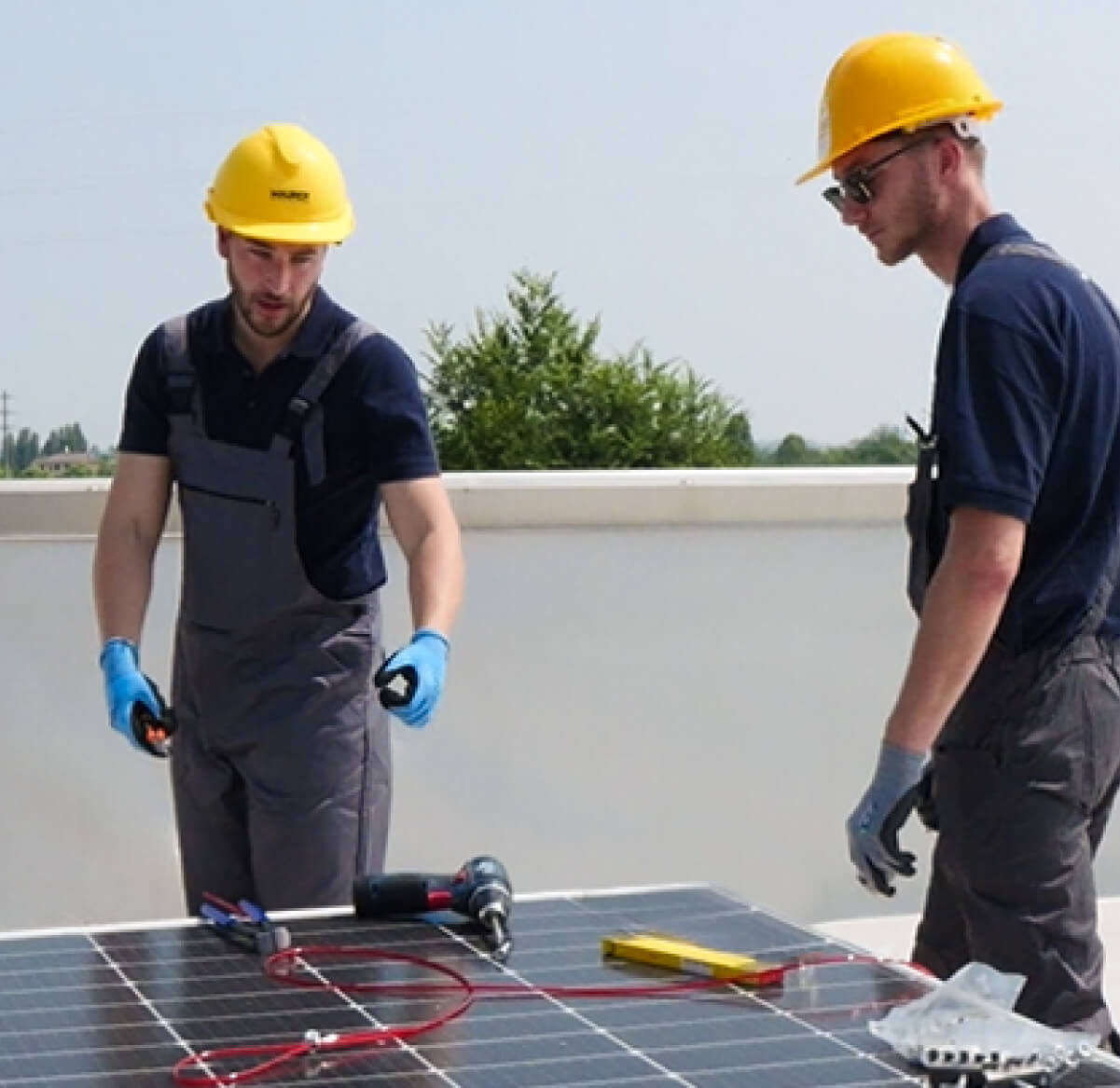
For installers, the benefit is immediate: fewer components, easier handling on site, and a
layout that can be repeated quickly across large surfaces. For engineers and technical offices,
the value lies in dependable data for load distribution, system geometry, and
compliance-oriented design choices. In short, modern flat roof solar mounting systems are not
just structures—they are a practical method to reduce complexity, speed up installations, and
make flat-roof PV projects more predictable across Italy’s diverse climate zones.
Ballasted Mounting: Faster Installation, Lower
Roof Risk
When project timelines are tight, every extra bracket, rail, or
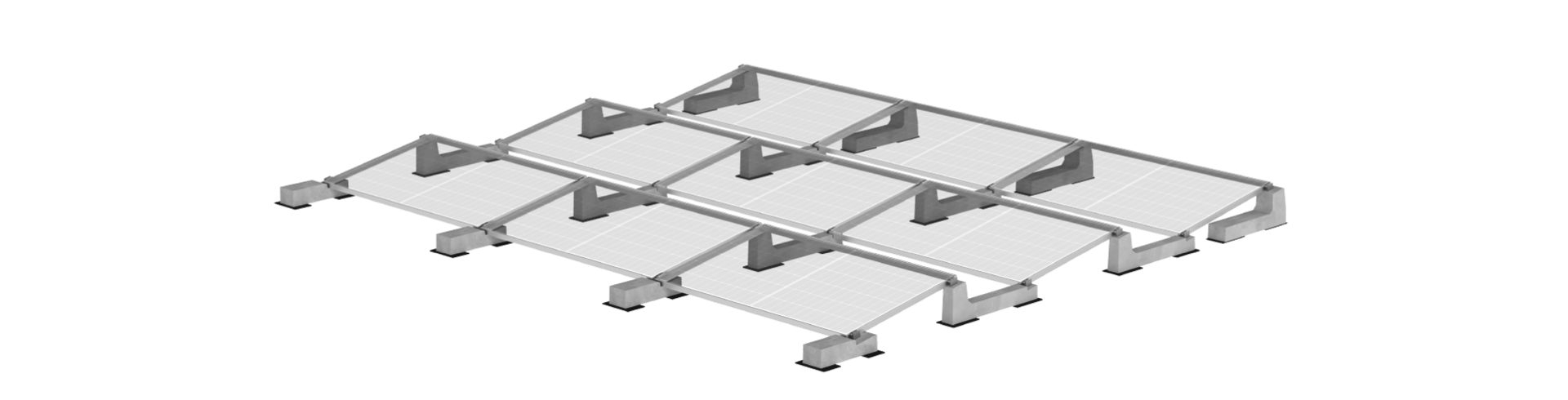
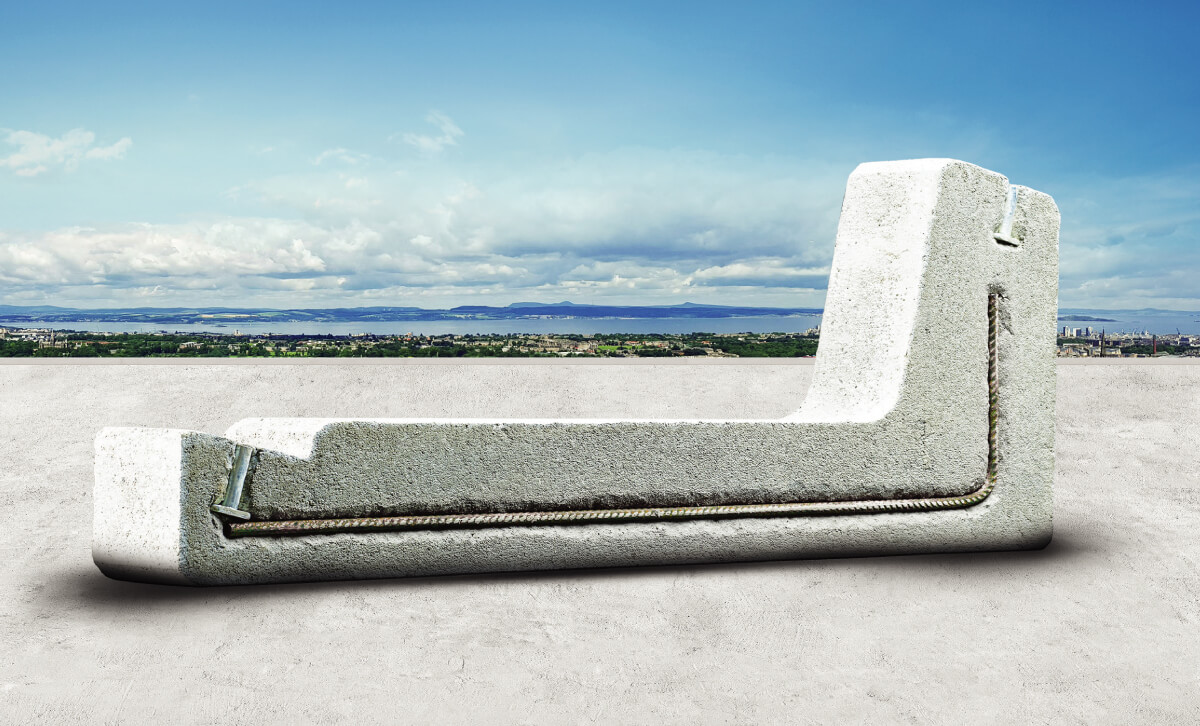
roof penetration adds friction. Ballasted flat roof solar mounting systems simplify the workflow
by combining support and weight into a single solution, often using durable concrete ballast
blocks engineered for photovoltaic arrays. Because the system doesn’t rely on anchoring through
the membrane, crews can avoid many of the typical delays tied to waterproofing checks, sealing,
and post-install inspections. That’s a major advantage on warehouses and large flat roofs where
speed and repeatability are essential.
From a safety and reliability standpoint, the goal is straightforward: maintain strong
resistance to uplift and sliding while distributing loads correctly on the roof surface. A
proven ballasted design also helps reduce installation errors—especially valuable for teams
managing multiple sites or working with varying roof materials. For distributors and
wholesalers, these systems are easier to position in the market because the value proposition is
clear: quick installation, reduced roof damage risk, and consistent performance.
Ultimately, choosing the right ballasted solution is about more than “no holes.” It’s about
delivering a stable PV plant with fewer uncertainties, fewer trades involved on site, and a
cleaner, more scalable process for flat-roof solar across Italy.
Technical Support That Helps You Design and
Deliver Better PV Projects
Even the best flat roof solar mounting systems perform at their
peak only when they are properly designed for the specific roof and site conditions. In Italy,
wind exposure, parapet height, roof load limits, and module orientation can change dramatically
from one project to the next. That’s why professional installers and designers benefit from a
solution that includes more than hardware: technical guidance, array sizing, and project
development support up to execution.
For engineering teams, having access to reliable documentation and pre-tested configurations can
reduce calculation time and design liability. For installers, it means fewer on-site
surprises—clear layouts, straightforward assembly, and confidence that the system matches the
project constraints. For commercial partners, it translates into a product that is easier to
recommend because it comes with expertise, not just parts.
If your goal is to complete more projects with fewer complications, prioritize flat roof solar
mounting systems built around three essentials: proven reliability, genuine installation
simplicity, and continuous innovation. With the right technical partner behind the solution,
flat-roof PV becomes faster to deploy, safer for the building, and more efficient to
deliver—project after project, across the Italian market.