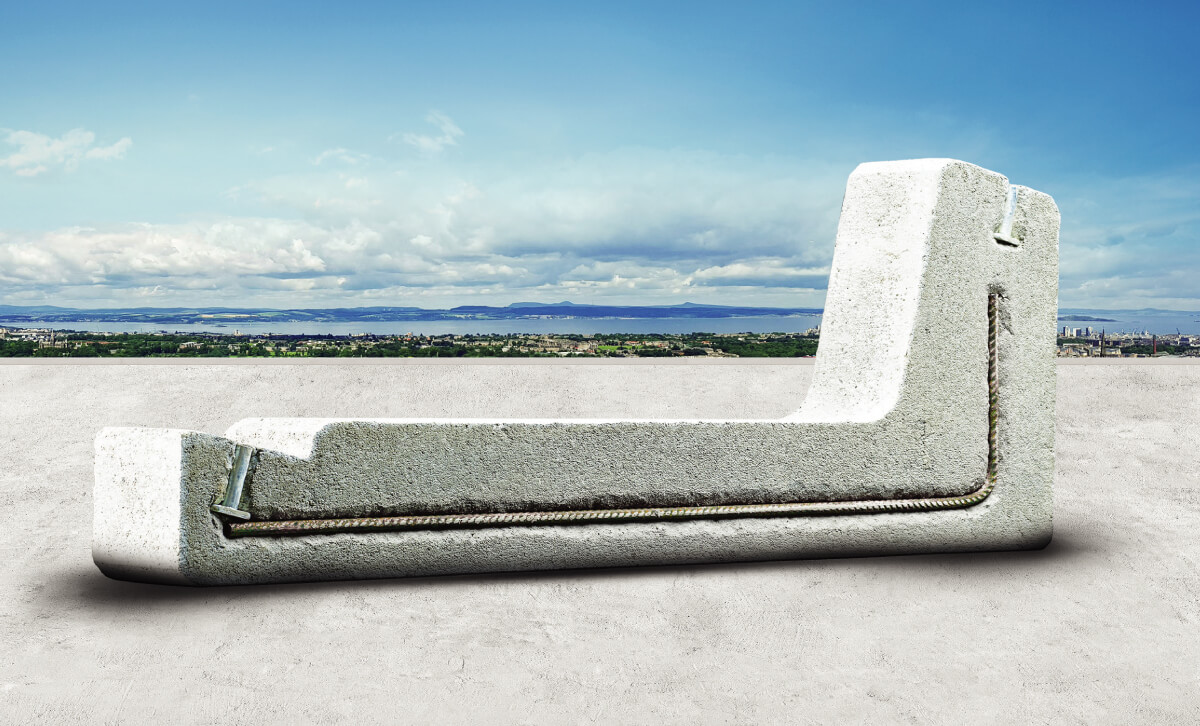
Why flat roof solar mounting without roof
penetration is changing PV installs in Italy
Choosing flat roof solar mounting without roof penetration is
often the fastest way to turn a flat rooftop into a reliable PV generator—without adding
avoidable waterproofing risks. For installers in Italy, every roof hole can mean extra
coordination, longer site time, and the fear of future leaks. A ballasted solution built around
precast concrete weights keeps the membrane intact while still providing the stability needed
against wind uplift and mechanical stress. The result is a cleaner workflow: fewer components,
fewer tools, and fewer “unknowns” once you are on the roof. This approach is especially valuable
on industrial buildings and commercial warehouses where downtime and access limits can
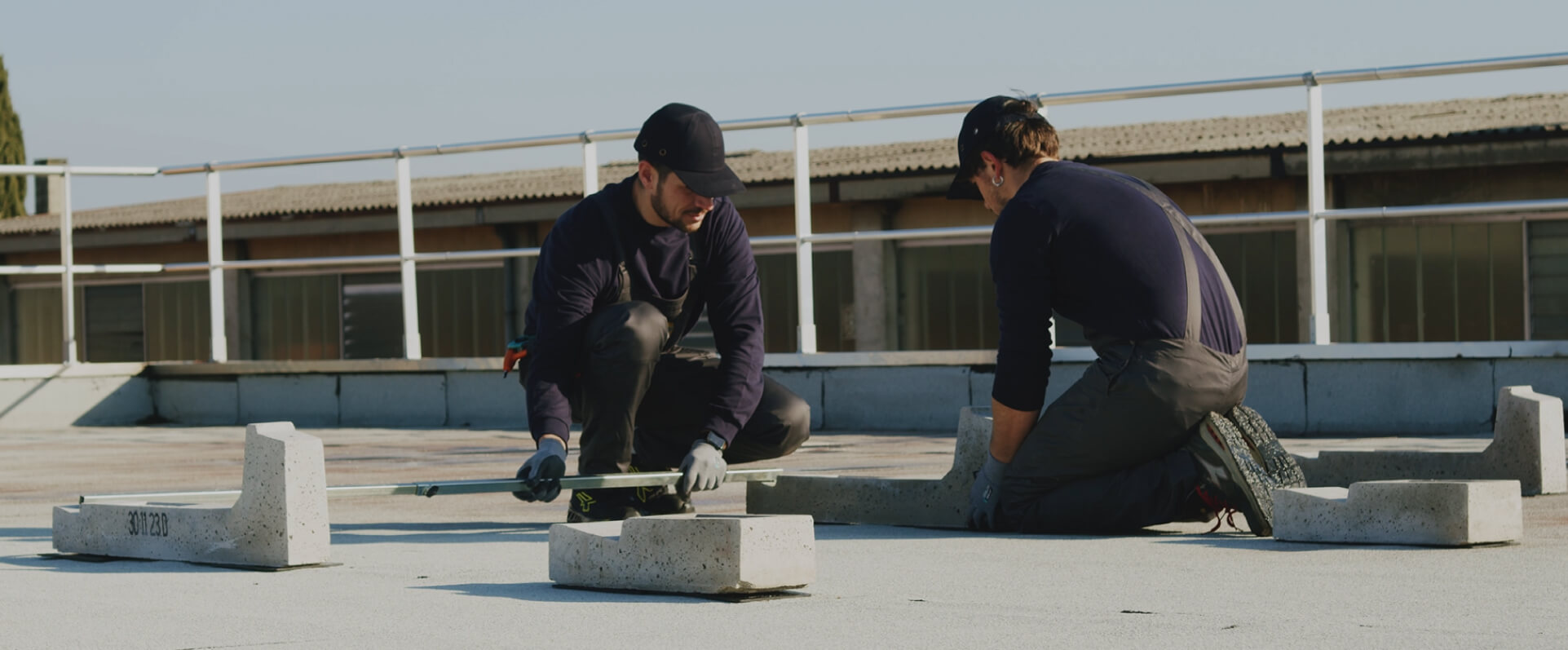
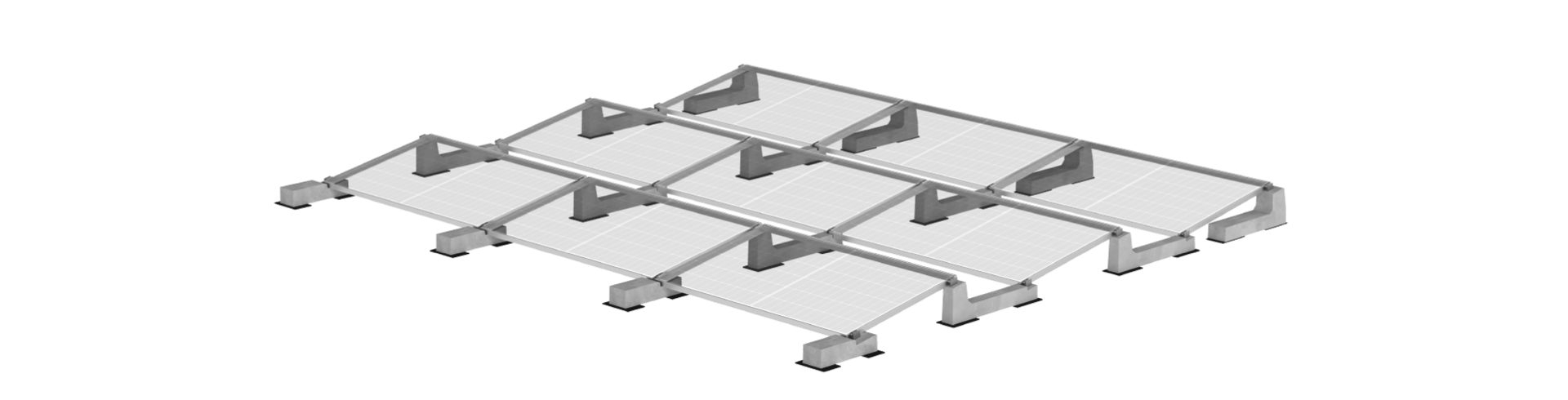
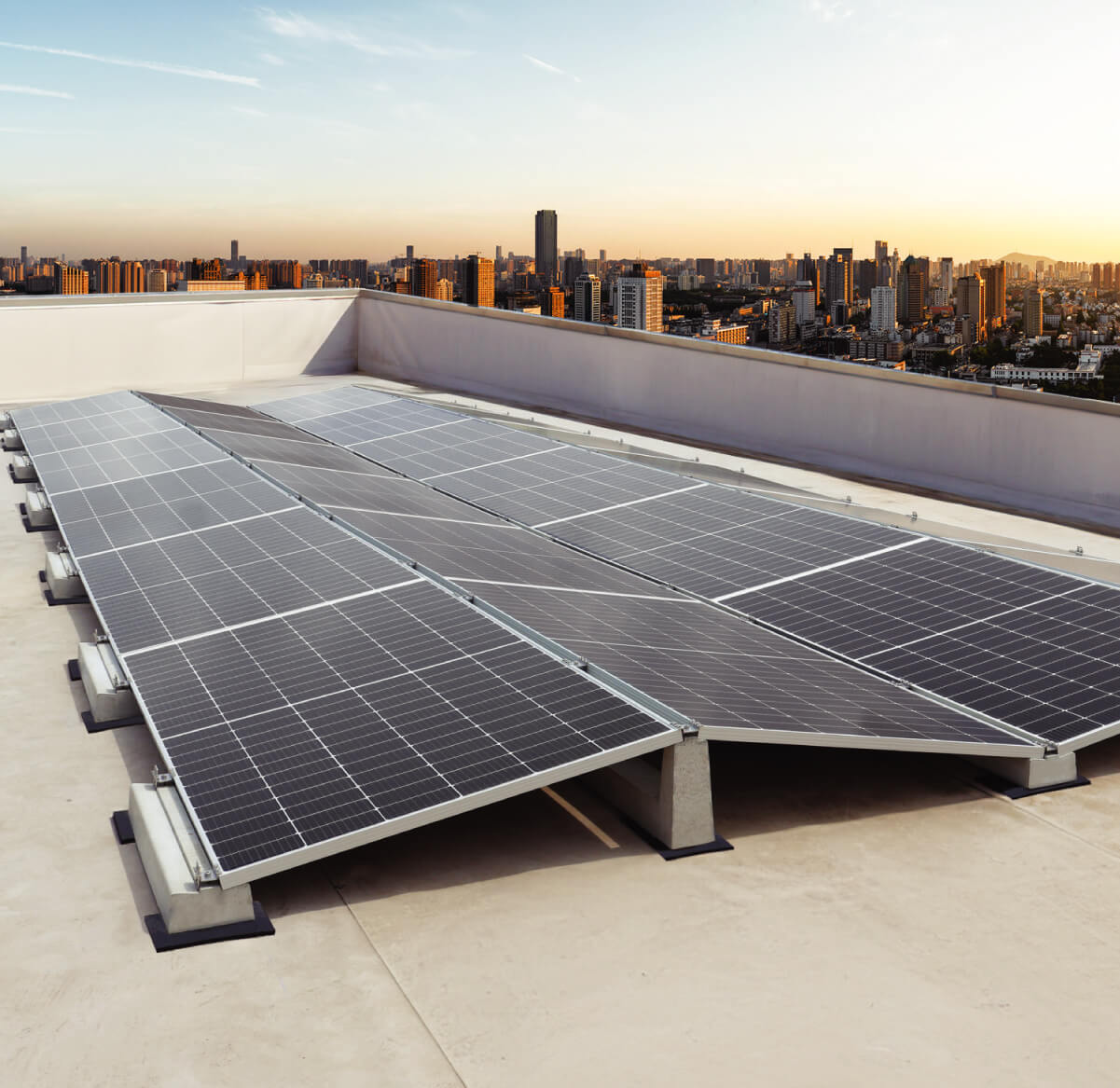
complicate traditional fixing methods. With non-penetrating solar racking, panels can be laid
out in practical configurations (south-facing or east-west) to match energy goals, available
space, and shading constraints. Because the mounting is designed to sit on the roof, you can
also reduce intrusive work on the building envelope, which is often a key request from property
owners and facility managers. When done properly, a ballasted mounting structure helps
installers protect the roof, work faster, and hand over a system that looks tidy and
professional—exactly what earns repeat business in a competitive market.
Key benefits for installers and EPC teams:
speed, simplicity, and fewer headaches
On site, flat roof solar mounting without roof penetration
delivers three big wins: speed, simplicity, and predictability. Ballasted PV mounting typically
reduces the number of separate parts compared to framed structures that require roof anchors,
flashing, and sealants. That means fewer deliveries to manage and fewer opportunities for
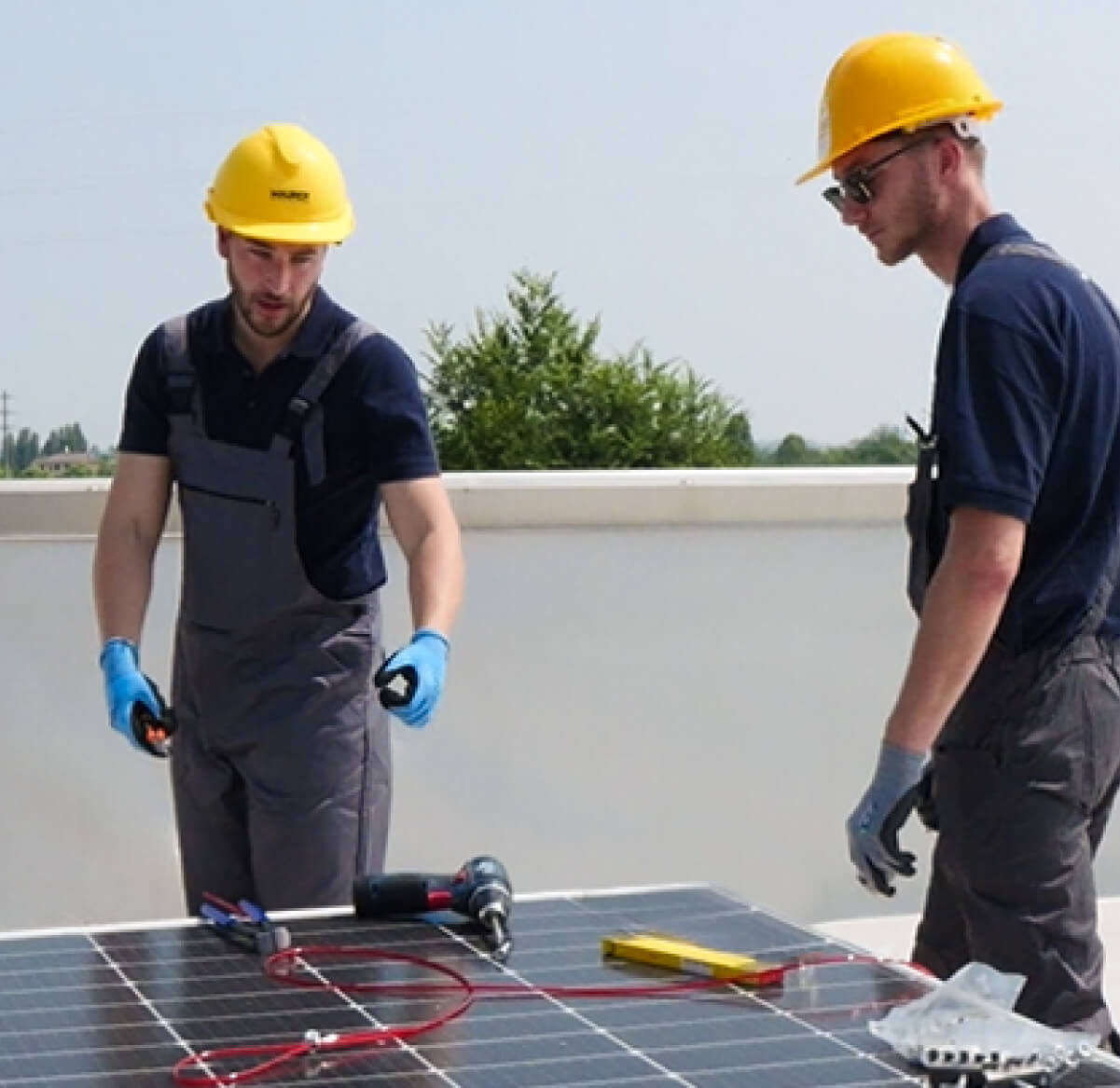
missing hardware to stop the job. Installation teams can position supports, place modules, and
complete electrical work with a more linear workflow—often shortening labor hours per kW.
Another advantage is risk control: avoiding penetrations minimizes the chance of water ingress,
call-backs, and disputes about responsibility between installer, roofer, and building owner. For
EPCs and project managers, a non-penetrating solution can simplify scheduling because it reduces
dependencies on specialized roofing crews. It can also support safer working practices by
limiting the need for drilling near edges or through delicate membranes. In Italy’s varied wind
zones, stability still matters: a serious solution is backed by tested configurations, clear
documentation, and engineering support for ballast calculation, array layout, and load
distribution. When you can rely on robust data for wind loads and roof pressure points, quoting
becomes faster and the execution phase becomes smoother.
Design support that helps engineers and
distributors deliver confident projects
For designers, engineers, and technical offices, flat roof solar
mounting without roof penetration is not just a product choice—it is a way to reduce design
uncertainty. The best ballasted systems come with proven geometries, predictable load paths, and
validated performance, helping you specify solutions that meet safety expectations without
overcomplicating the project. That includes guidance on wind exposure, parapet influence, roof
load limits, and the most efficient orientation (south vs. east-west) based on production goals
and available surface. A strong technical partner can also assist with preliminary layouts,
system sizing, and practical detailing so the project moves from concept to installation without
last-minute surprises. For distributors and wholesalers, this category is attractive because it
is easy to explain: “no drilling, fast installation, reliable ballast.” It is also easier to
stock and support when the range is standardized and documentation is clear. If you are planning
your next flat-roof PV job in Italy, consider a ballasted approach that protects the waterproof
layer, accelerates installation, and provides real technical backing—so you can deliver results
confidently and keep the roof exactly as it should be: intact.