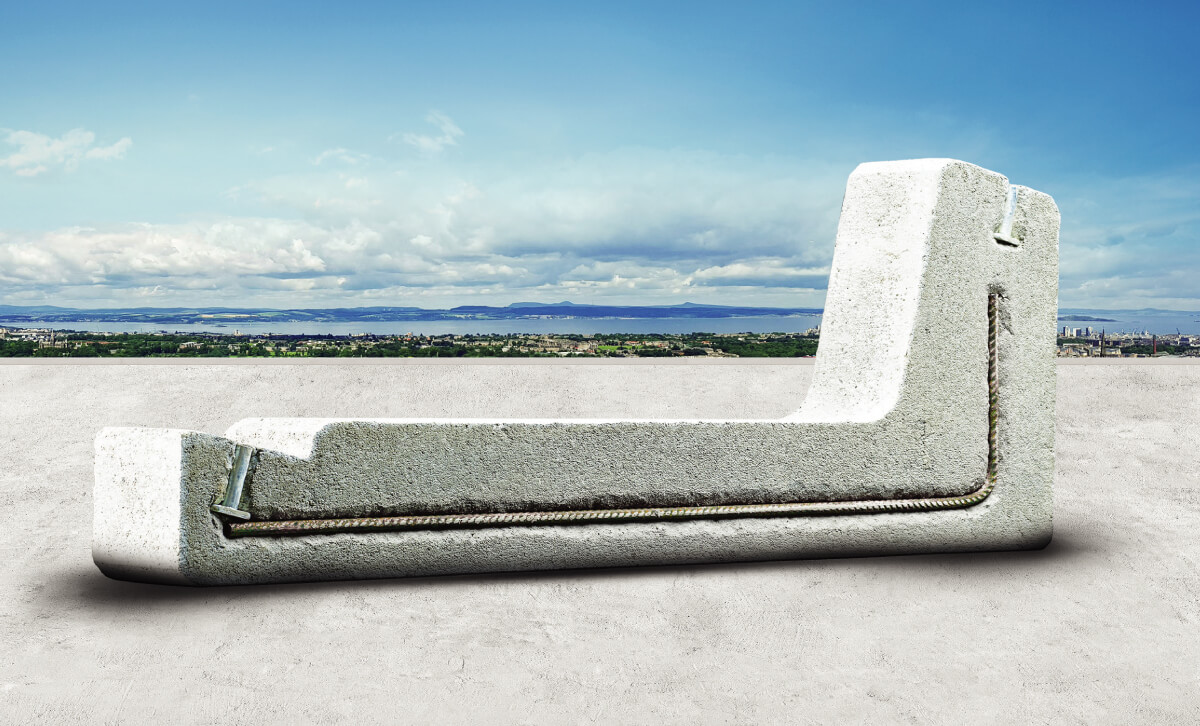
Flat Roof Solar Installation: The Fast Track
for Italian Rooftops
In Italy, a flat roof solar installation often comes down to one
key question: how do you mount PV panels securely without turning the roof into a risk factor?
Traditional fastening methods can mean drilling, waterproofing concerns, extra labor, and longer
time on site—exactly what installers and technical teams want to avoid. A modern, ballast-based
approach changes the game by keeping the roof membrane intact while still delivering the
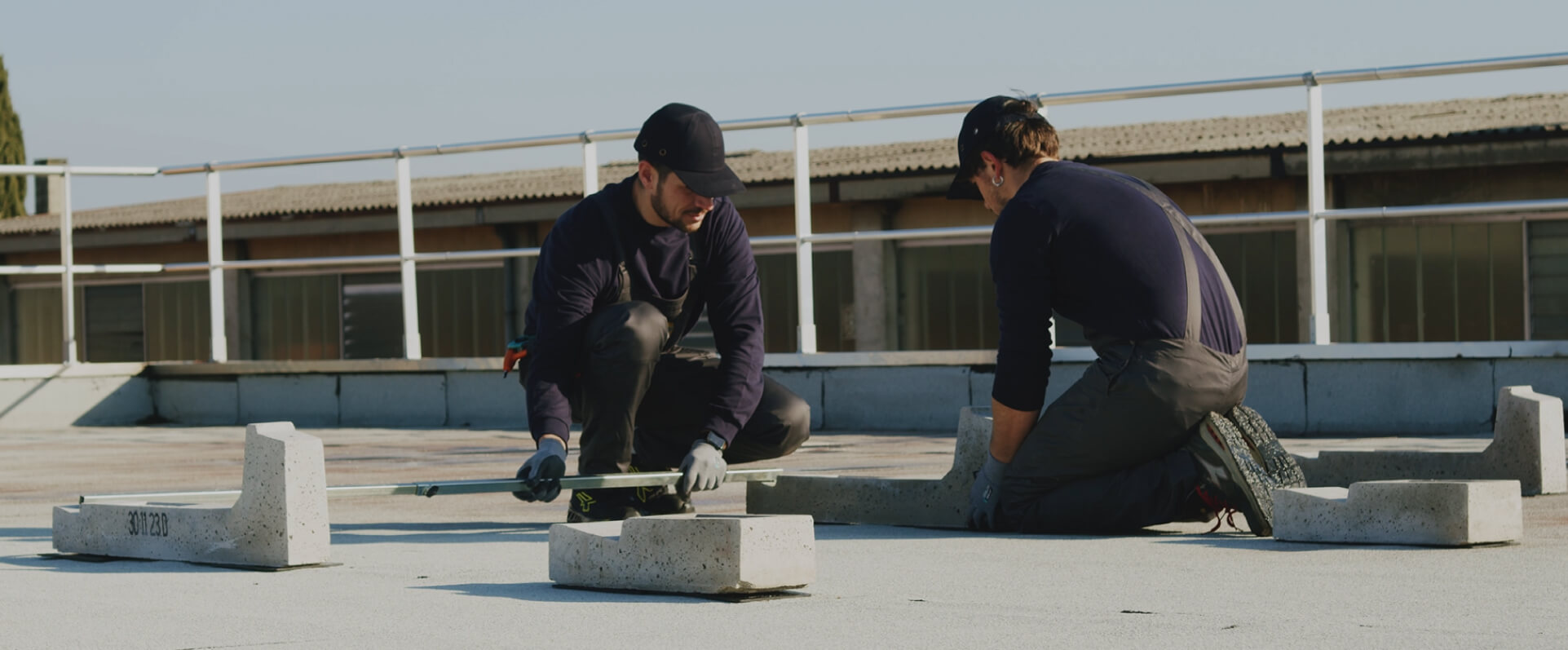
stability required for long-term performance. Using pre-engineered concrete weights designed
specifically for photovoltaic mounting, crews can reduce component count, simplify logistics,
and speed up the entire workflow. That means fewer surprises on site, cleaner installations, and
more predictable commissioning timelines. For designers and engineers, the appeal is just as
strong: reliable data, tested configurations, and clearer load management for wind and roof
constraints help reduce design uncertainty. For distributors, it is an easier solution to
position because it answers a real market demand—quick, dependable PV mounting for flat roofs
across industrial buildings, commercial facilities, and modern residential blocks. If your goal
is to install more systems per month while lowering operational complexity, choosing the right
mounting strategy is not a detail—it is the foundation of a profitable project. A streamlined
flat roof solar installation can deliver the speed, safety, and repeatable results that Italian
professionals expect today.
Why Non-Penetrating Ballast Mounting Reduces
Risk and Time
Every flat roof solar installation faces the same pressure points:
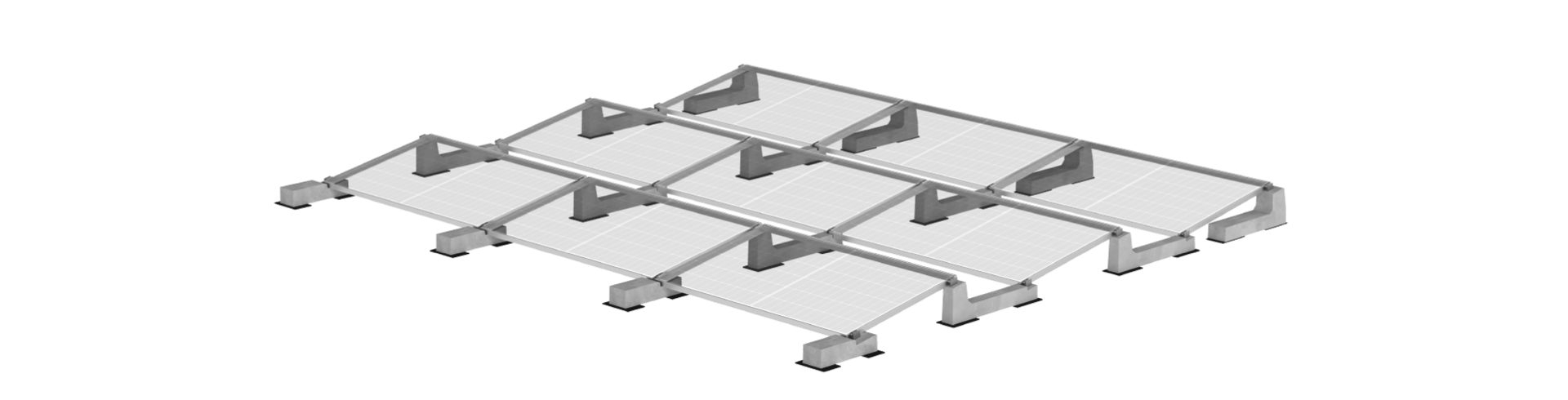
wind uplift, roof protection, and installation speed. Non-penetrating ballast mounting addresses
all three by relying on engineered weight and geometry rather than roof anchors. The most
immediate benefit is roof integrity—no holes through the waterproofing layer means fewer leak
risks and fewer callbacks. From an installer’s perspective, it is also a practical advantage:
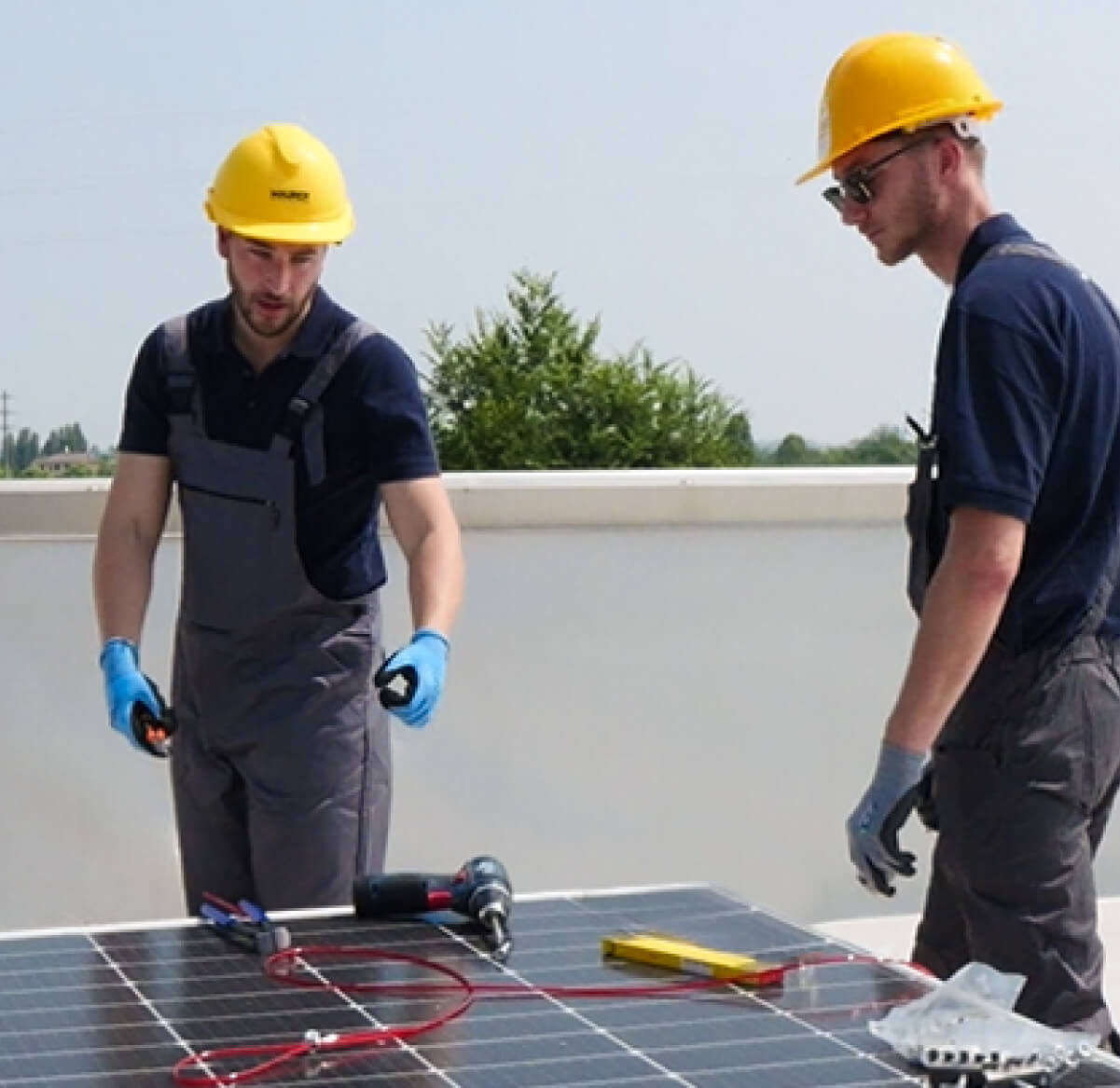
fewer fixing operations, fewer specialized tools, and quicker alignment of modules. These
systems are built to be intuitive, helping crews work efficiently even on large commercial
roofs. For project stakeholders, this translates into tighter scheduling and better cost
control. In technical terms, ballast solutions are designed to support consistent panel
orientation, optimized tilt options, and stable layout planning. This can improve yield
expectations while keeping structural loads within acceptable limits. When combined with
professional support during the design phase—such as layout guidance and system sizing—teams can
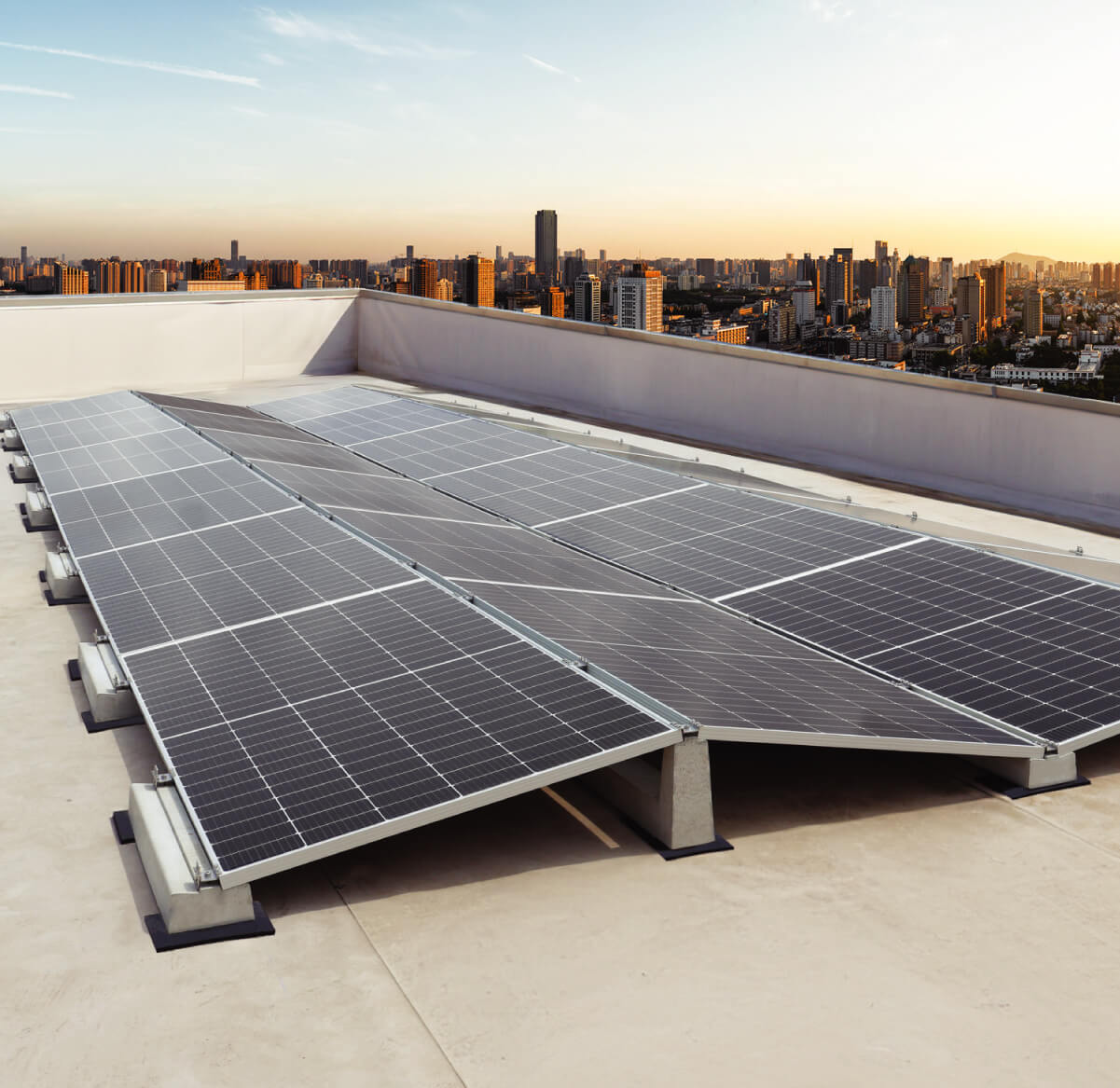
move from concept to execution with more confidence. The result is a flat roof solar
installation method that feels less like a custom construction challenge and more like a
repeatable process. In a competitive Italian PV market, reducing complexity is a real advantage:
simpler installations scale faster, and faster installations protect margins while maintaining
quality standards.
A Practical Partner Approach for Installers,
Designers, and Distributors
A successful flat roof solar installation is not only about
hardware—it is about having a complete, dependable path from design to delivery. Installers need
a mounting solution that is solid, quick to assemble, and easy to manage on site. Designers need
trustworthy technical documentation, verified configurations, and support for wind and load
considerations. Distributors need a product that is straightforward to explain and consistently
requested by the market. This is where a partner-style approach makes a difference: technical
assistance during the planning stage, help with system sizing, and commercial support that keeps
projects moving. In practice, that means fewer delays caused by unclear specifications or
last-minute redesigns. It also means smoother collaboration between installer, engineer, and
supply chain—critical on large flat-roof PV projects where small inefficiencies multiply
quickly. If you are looking to standardize your installations across multiple rooftops in Italy,
a ballast-based mounting strategy can become a reliable template: fewer parts, no roof
penetrations, and faster installation cycles. Choose a flat roof solar installation solution
that is tested, durable, and designed to make your daily work easier—so you can deliver more
projects with less friction and stronger long-term results.