Why Flat Roof Solar Attachments Matter on
Italian Buildings
In Italy, flat roofs are everywhere: industrial sheds, logistics
hubs, commercial buildings, and many residential blocks. Yet installing PV on a flat roof can
quickly become complicated when the structure requires drilling, waterproofing work, and long
on-site adjustments. That’s why choosing the right flat roof solar attachments is more than a
product decision—it’s a risk and time decision.
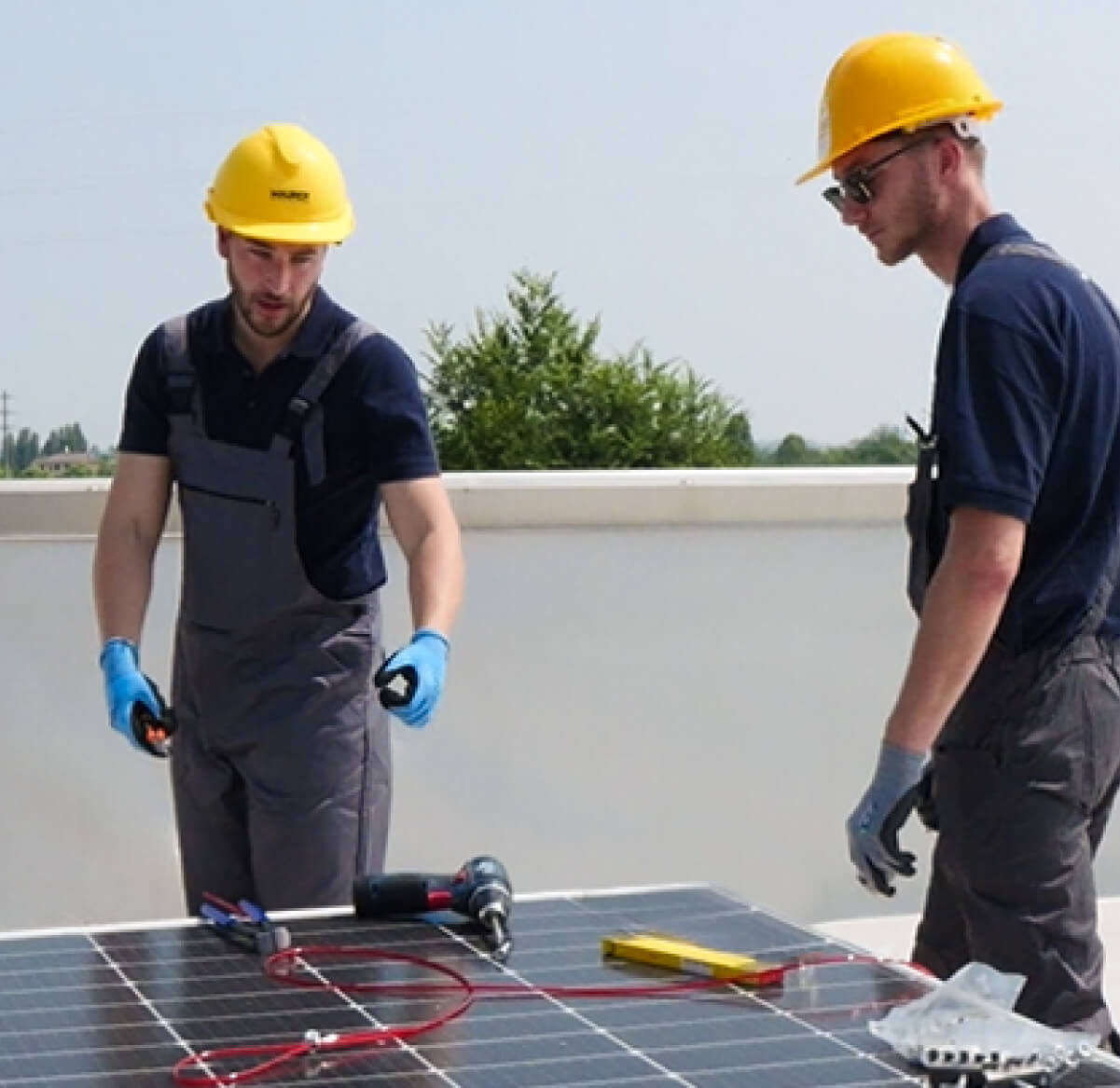
Modern flat-roof PV mounting systems are expected to be safe, quick, and predictable. Installers
want fewer components and fewer surprises on the roof. Designers need reliable data for wind
loads, ballast requirements, and structural checks. Distributors look for solutions that are
easy to explain and easy to stock.
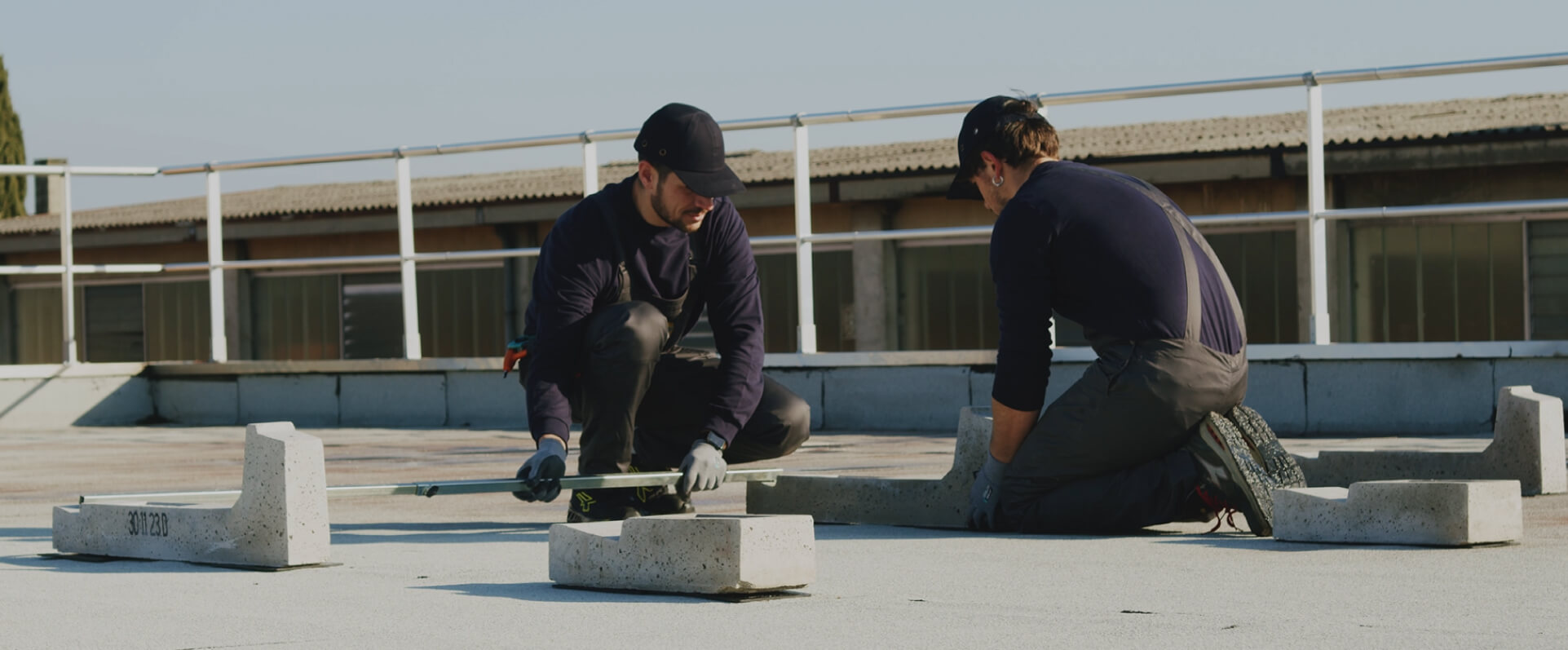
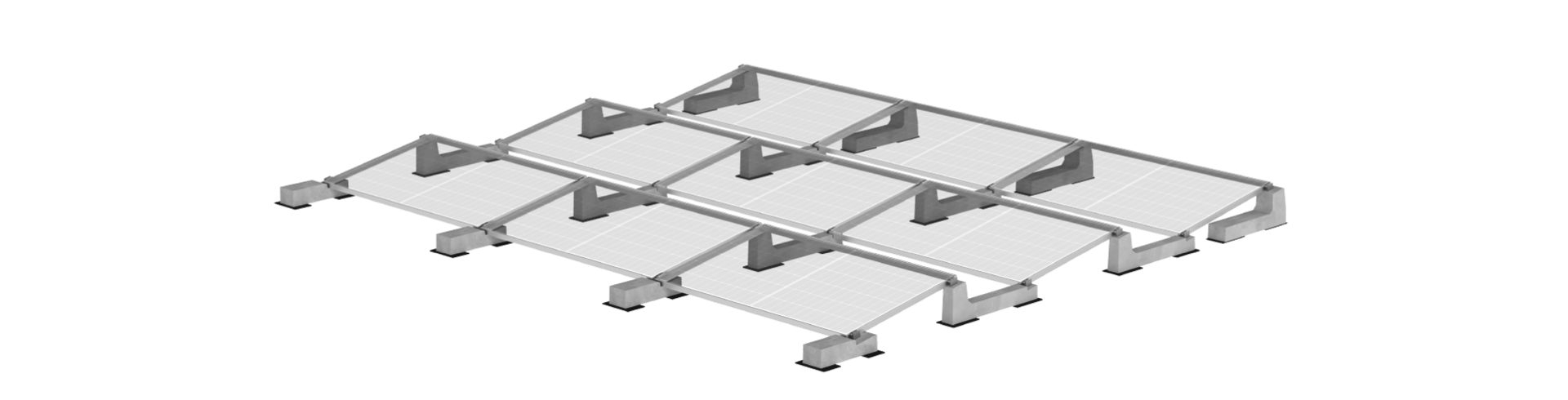
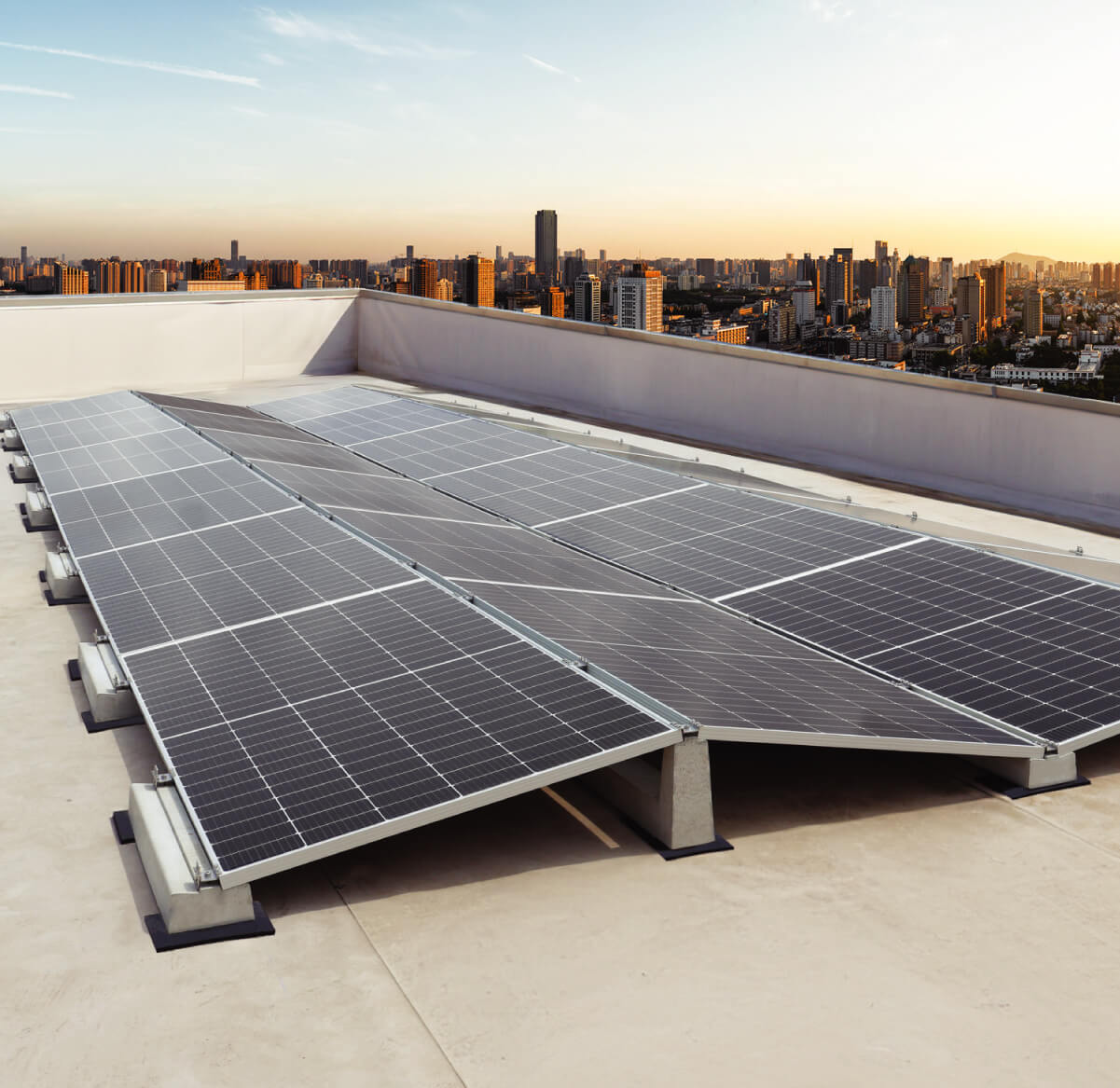
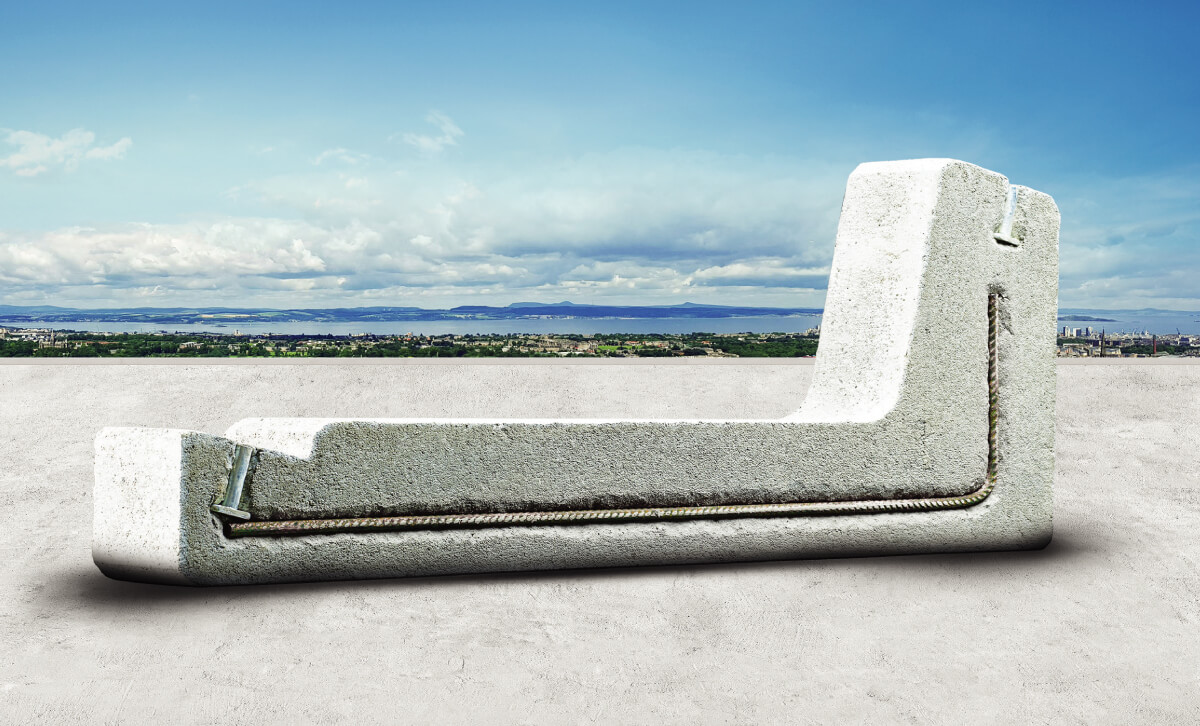
A non-penetrating approach using concrete ballast supports can reduce roof damage concerns and
help keep membranes intact. It also streamlines logistics: pre-defined mounting geometry,
cleaner cable management options, and faster module positioning. When the attachment system is
engineered as a complete solution—rather than a collection of parts—teams can move from design
to execution with fewer revisions and less site improvisation. The result is a flat-roof PV
installation that feels controlled, not uncertain.
Faster Installation, Fewer Components, Less
Roof Risk
The biggest advantage of non-penetrating flat roof solar
attachments is speed with consistency. Ballasted photovoltaic supports are designed to sit on
the roof surface, eliminating the need for mechanical anchors in many scenarios. That can mean
fewer labor hours, fewer tools, and fewer coordination steps with waterproofing teams.
For installers, fewer parts translate into fewer assembly errors and faster learning curves
across crews. For engineering teams, tested configurations and clear load assumptions help
simplify calculations for wind uplift and overall roof loads. For procurement, a recognizable,
repeatable system reduces returns and jobsite issues.
Look for features that make everyday work easier: pre-angled supports to optimize tilt, layouts
that minimize shading between rows, options for landscape and portrait module orientation, and
accessories that keep wiring tidy and protected. The right solution should feel intuitive on
site, while still providing the technical documentation professionals need to sign off projects
confidently.
Choosing the Right System: What Professionals
Should Check
When evaluating flat roof solar attachments for the Italian
market, focus on three pillars: reliability, simplicity, and ongoing innovation. Reliability
means solid, durable materials and proven performance under real wind conditions. Simplicity
means quick placement, minimal hardware, and clear installation steps that reduce on-roof
decision-making. Innovation means the system keeps evolving with new module sizes, roof types,
and compliance needs.
Professionals should request project support that goes beyond the product: help during design,
accurate system sizing, and guidance that follows the project through execution. This
partner-style approach can cut design time, reduce the likelihood of last-minute changes, and
keep crews productive.
If your goal is to build more flat-roof PV systems with fewer delays and fewer risks, a
ballasted, non-penetrating mounting solution can be the practical choice. It helps installers
work faster, helps designers work safer, and helps projects stay on schedule—without
compromising the roof.