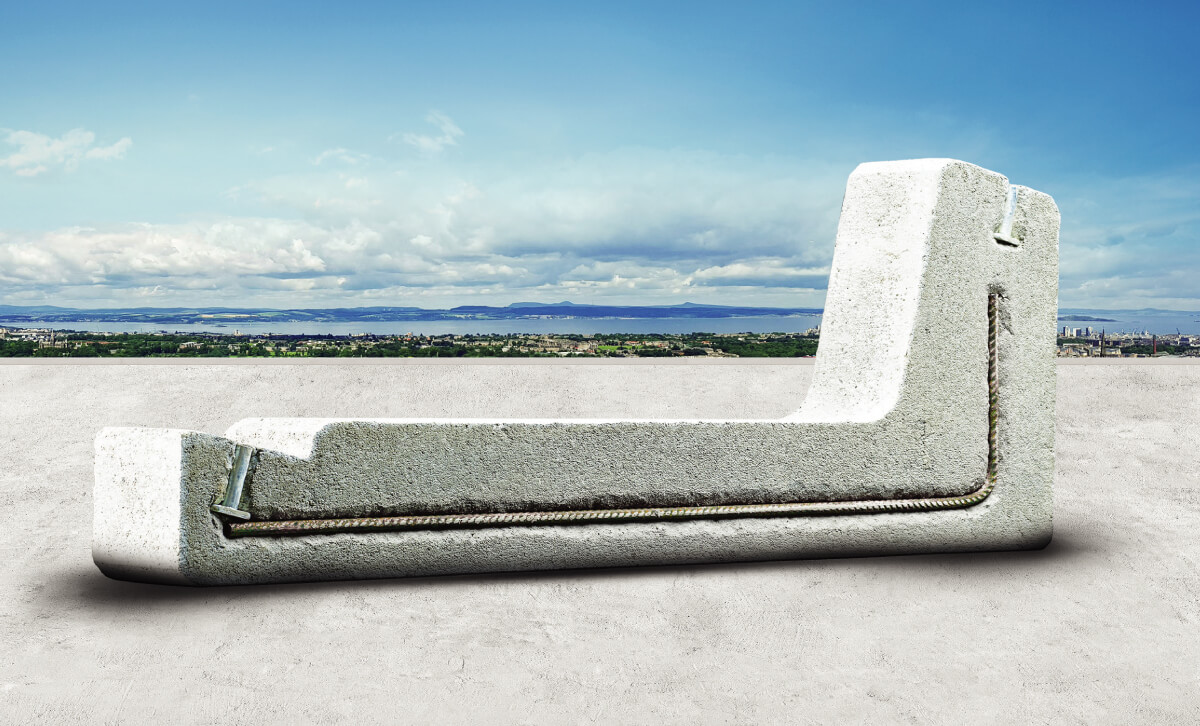
Why a Flat Roof Solar Attachment Matters on
Italian Roofs
Choosing the right flat roof solar attachment is often the
difference between a smooth installation and a job full of delays, call-backs, and waterproofing
worries. On many industrial buildings across Italy—warehouses, logistics hubs, and commercial
rooftops—flat roofs come with sensitive membranes and strict rules around penetrations. That’s
why more professionals are turning to ballasted PV mounting systems that keep the roof intact
while delivering the stability required by modern photovoltaic arrays.
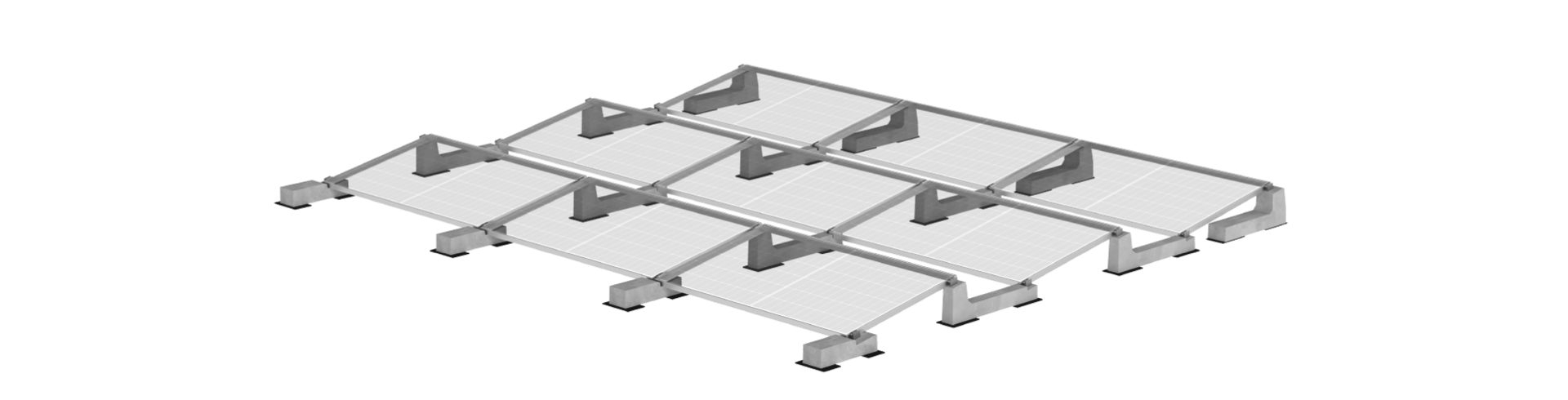
A ballast-based approach works by using engineered concrete weights to secure the structure
without drilling into the waterproof layer. For installers, this translates into fewer
components to manage, simpler assembly, and faster on-site workflows. For designers and
engineers, it means a more predictable solution, with clear load paths and the ability to plan
around wind uplift, roof loads, and layout constraints.
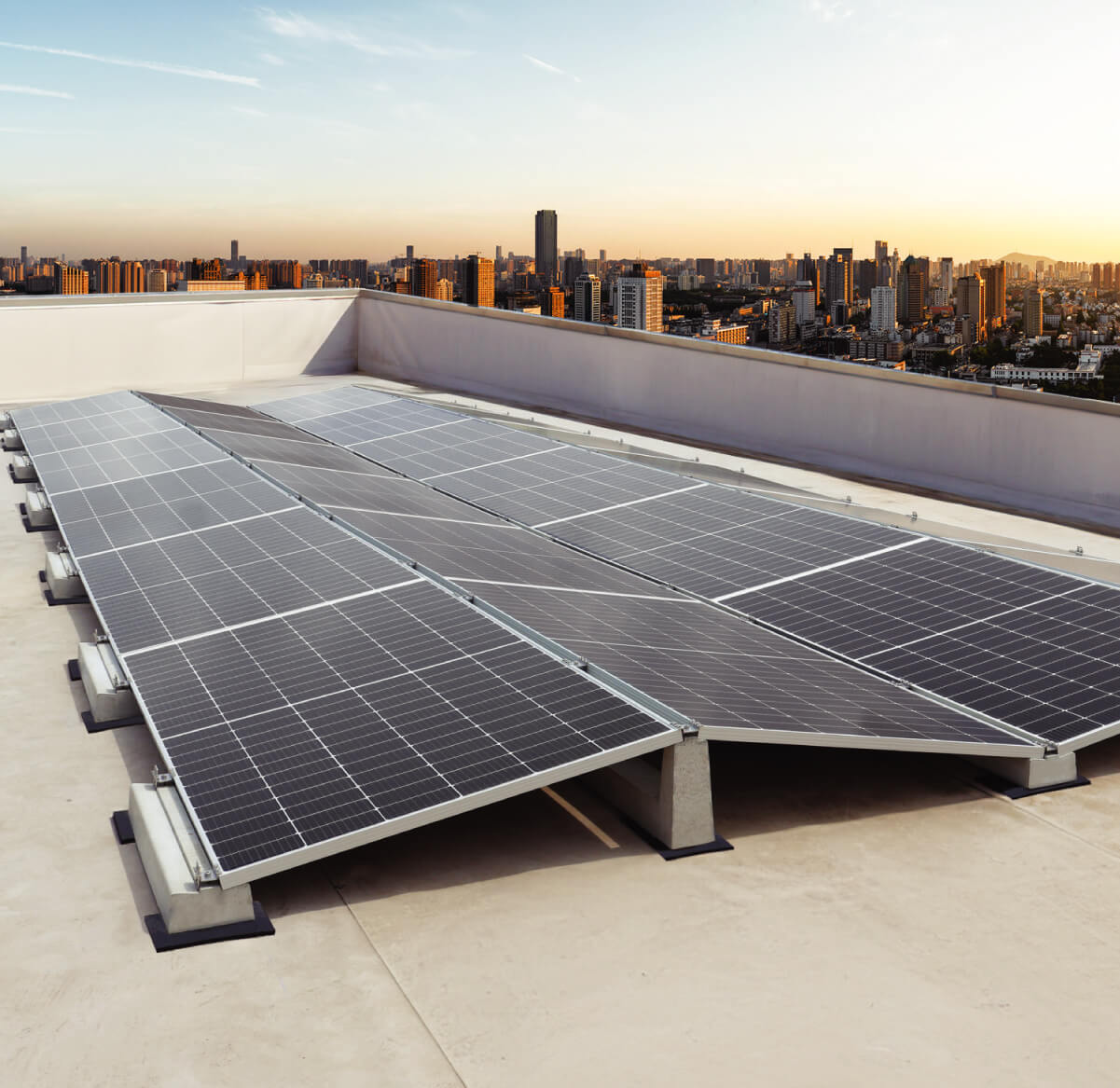
In practical terms, a well-designed flat roof solar attachment supports common module
orientations and tilt angles, helping optimize energy yield while maintaining safe clearances
and tidy cable management. It also reduces the risk profile: no holes, fewer leak concerns, and
less dependence on roof condition.
If your goal is to deliver PV projects that are quick to build, reliable over time, and easier
to justify from a technical standpoint, starting with the right attachment system is the most
effective decision you can make.
Key Benefits for Installers: Speed,
Simplicity, and Fewer Risks
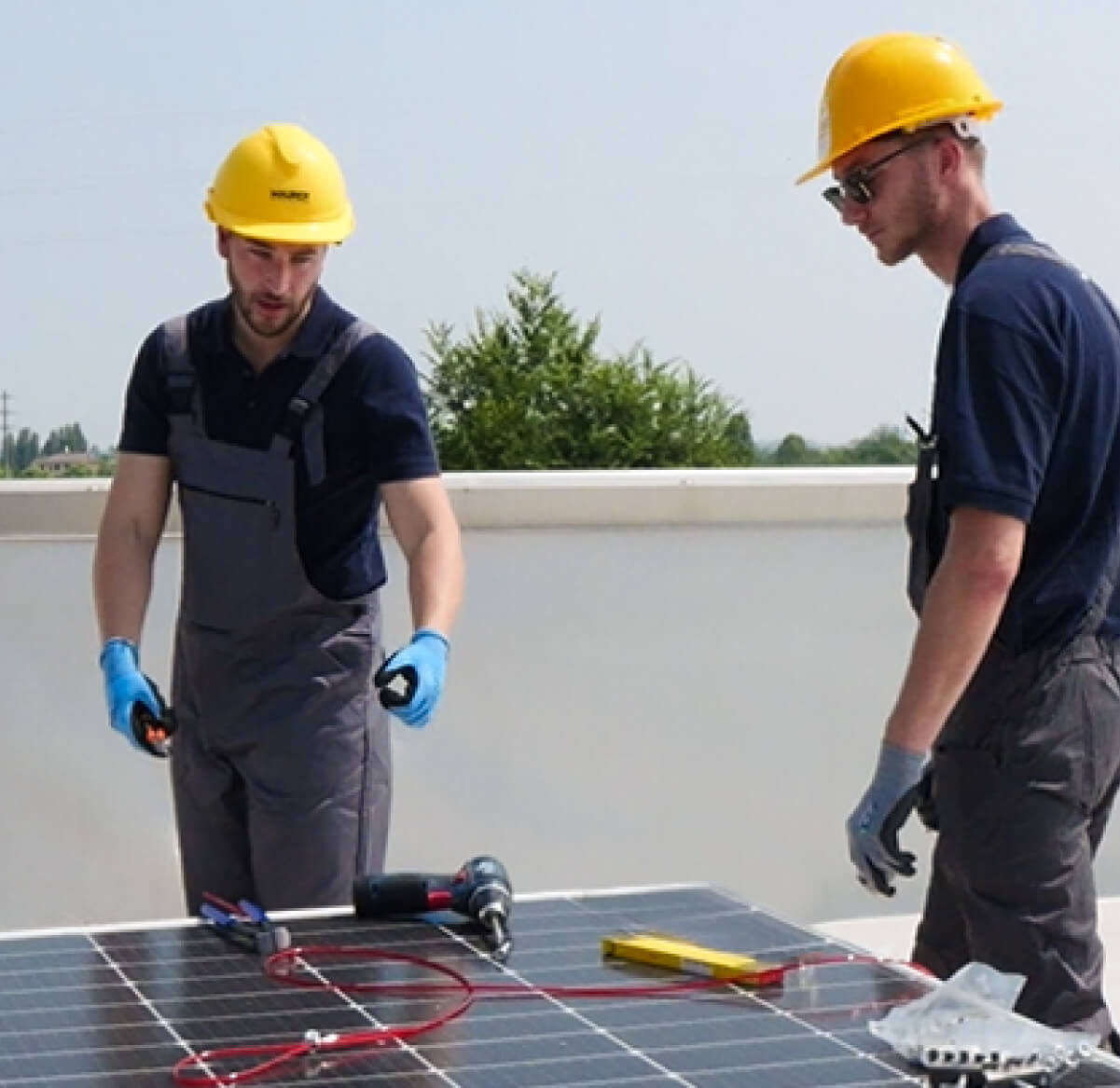
For photovoltaic installers, time on the roof is money. A flat
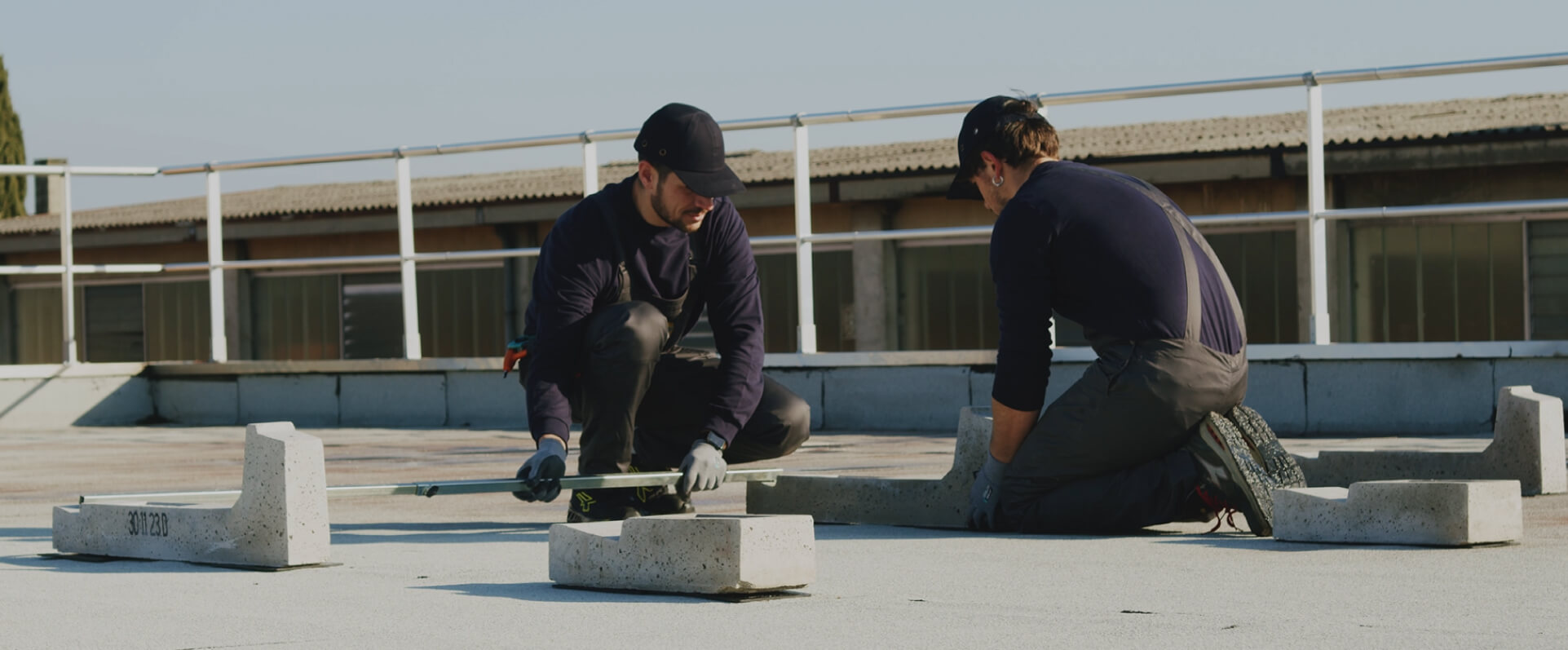
roof solar attachment built around pre-cast ballast blocks can dramatically streamline the
installation process: fewer fasteners, fewer custom parts, and a more intuitive, repeatable
assembly. Instead of coordinating roof penetrations, sealants, and inspections, crews can focus
on accurate placement, alignment, and electrical completion.
Another major advantage is risk reduction. By avoiding mechanical anchoring through the
membrane, you minimize the chance of water ingress—one of the most common causes of disputes on
flat-roof PV projects. Less drilling also means fewer tools and fewer steps, which helps keep
the jobsite safer and more organized.
Modern ballasted solar mounting structures can be configured to match different roof constraints
and shading requirements, supporting efficient row spacing and reliable cable routing. The
result is a professional finish that clients notice: clean lines, stable modules, and a system
that looks engineered—not improvised.
For Italian contractors handling multiple sites, standardizing on a dependable attachment method
can improve crew productivity, reduce training time, and make quotations more consistent. When
you can install faster and with fewer unknowns, you protect your margins and your reputation.
Technical Confidence: Sizing Support, Tested
Solutions, and Project Readiness
A flat roof solar attachment isn’t only about speed—it must also
stand up to engineering scrutiny. Wind uplift, dead loads, roof capacity, and local conditions
all influence the final design. That’s why professionals value solutions backed by technical
support during the design phase, with reliable data for system sizing and layout planning.
Ballasted PV systems with concrete weights can offer a clear, verifiable method to manage loads
without compromising the roof covering. With tested, durable components, you can specify a
solution that supports long-term performance and reduces uncertainty for the responsible
engineer. This is particularly important when working on large flat roofs where edge zones,
parapets, and roof obstacles can complicate calculations.
From a commercial standpoint, a project-ready attachment solution is easier to propose and
easier to approve: predictable bill of materials, straightforward logistics, and a repeatable
installation method. Distributors also benefit because the product is recognizable, in demand,
and supported with the technical information installers ask for.
If you’re looking to deliver flat-roof PV projects in Italy that are safer, quicker, and easier
to design, choosing a ballast-based flat roof solar attachment is a practical step toward fewer
complications and better results on every site.