Why flat roof PV is booming across Italy
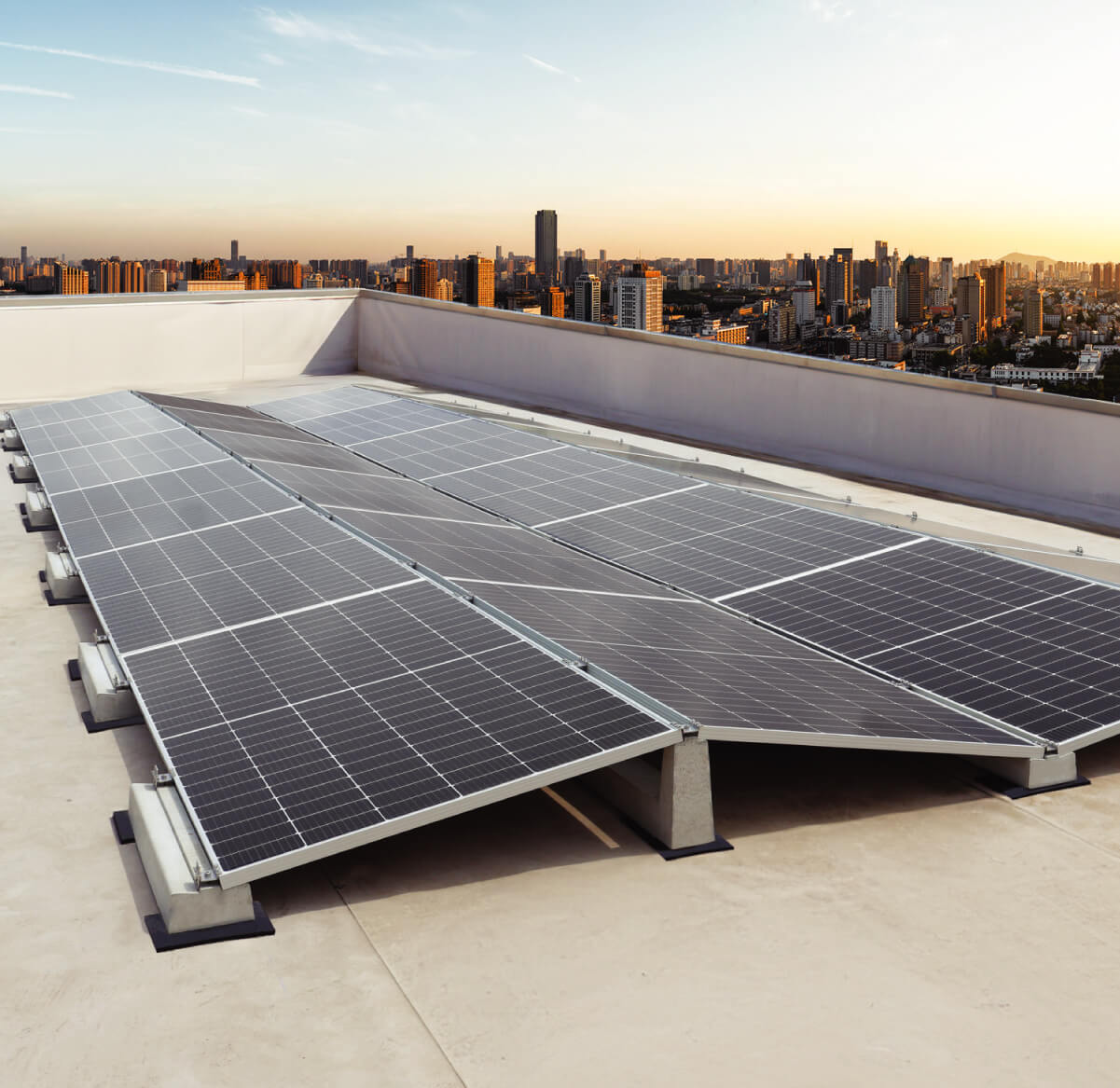
Flat roof PV is rapidly becoming the go-to choice for Italian
commercial and industrial buildings, and it’s easy to see why: large, accessible roof areas can
turn into stable energy assets with minimal disruption. Yet on-site reality is often less
simple. Installers face tight schedules, complex structures, and the constant worry of roof
waterproofing when penetrations are required. A modern flat roof PV approach aims to remove
those pain points by prioritising speed, safety, and repeatable results. That’s where ballasted
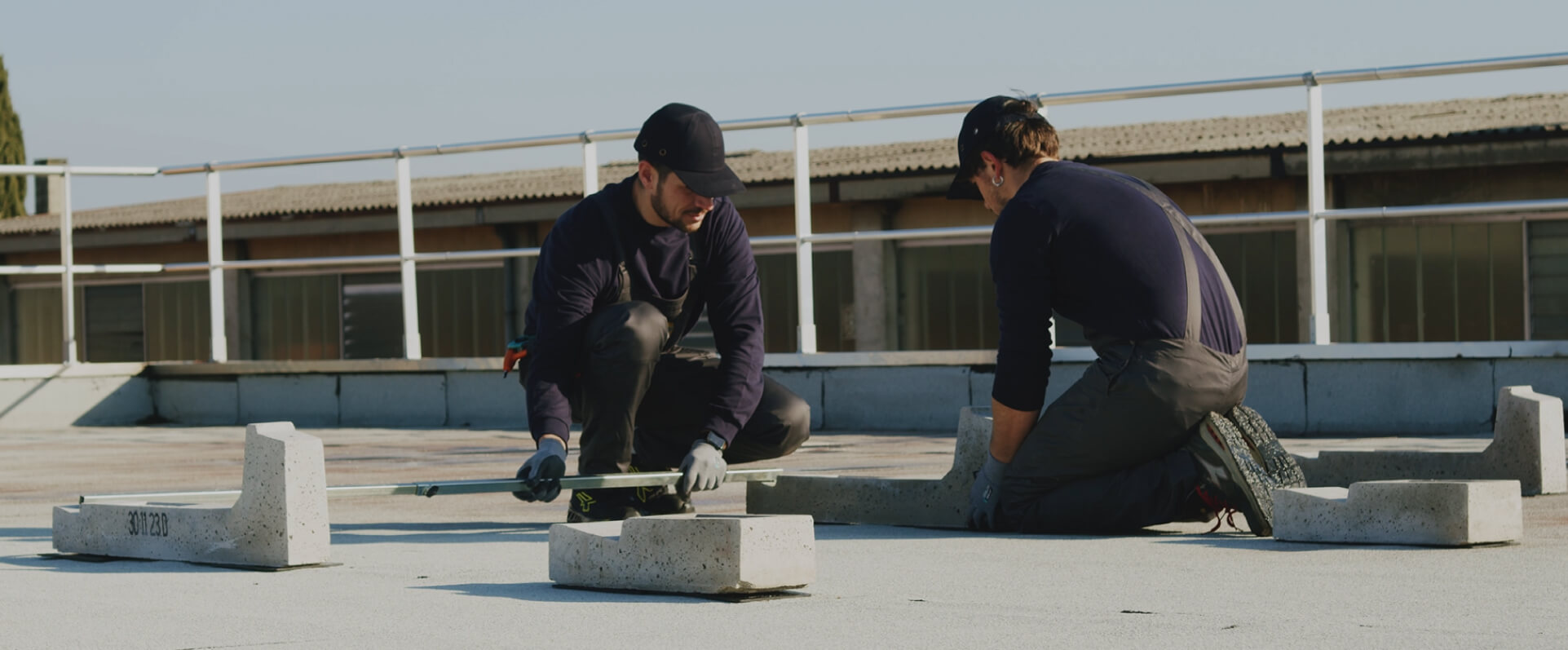
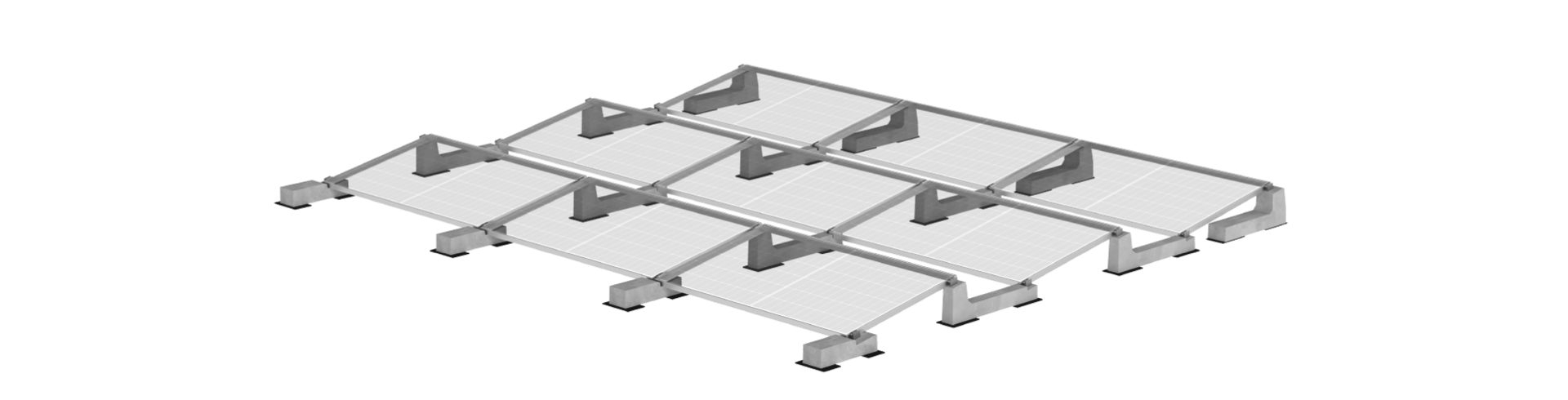
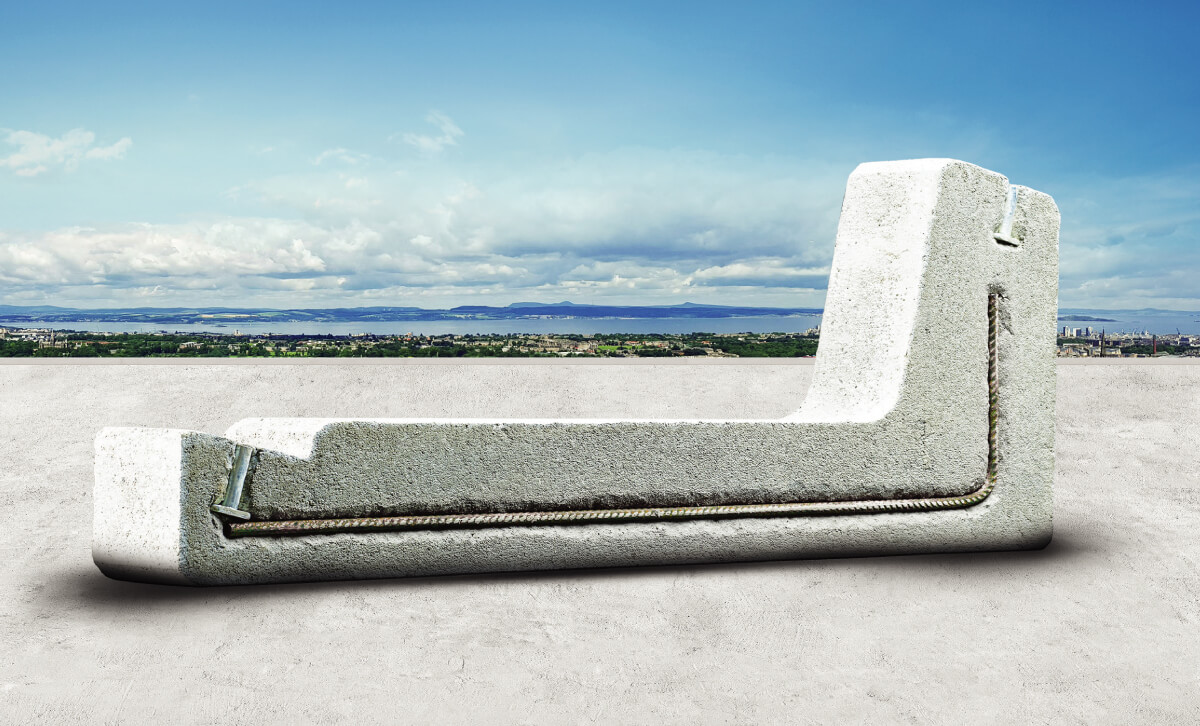
PV mounting systems make a real difference—using concrete weights to secure modules without
drilling the roof membrane. Fewer components, fewer steps, and fewer surprises in the field
translate into faster commissioning and cleaner handover. For designers and engineers, the
conversation goes beyond convenience: wind uplift, roof load limits, and layout optimisation
must be addressed with reliable data and proven configurations. A well-engineered ballasted
solution supports accurate PV system sizing, reduces design risk, and keeps documentation
aligned with project requirements. For distributors, it’s a product category with consistent
demand and clear benefits to communicate. If you’re working in Italy’s solar market, choosing
the right flat roof PV mounting strategy can be the difference between a smooth installation and
a job that drags on—costing time, labour, and confidence.
Ballasted mounting: no drilling, fewer risks,
faster installs
The key advantage of ballasted systems for flat roof PV is simple:
stability without roof penetrations. By relying on concrete ballast, the waterproof layer stays
intact, helping reduce leakage risks and post-install maintenance concerns. Installers
appreciate the practical benefits immediately—fewer roof-specific constraints, less time spent
on sealing details, and a more straightforward bill of materials. In many projects, streamlined
logistics also help: pre-defined supports can speed up positioning, alignment, and module
fixing, especially on large rooftops where every minute counts. From a technical perspective, a
quality ballasted PV mounting solution should offer tested configurations and clear guidance on
wind exposure, perimeter zones, tilt angles, and roof load distribution. That support matters in
Italy, where site conditions vary from coastal wind to inland industrial areas. When the
mounting is designed to be intuitive, crews can keep productivity high and reduce rework. The
result is a flat roof PV installation that feels less like a custom workaround and more like a
repeatable method—ideal for professionals who manage multiple sites and need predictable
outcomes. For commercial rooftops, this approach also supports cleaner planning: easier layout
decisions, reliable spacing, and safer on-roof operations.
A technical partner for flat roof PV: from
design to execution
Successful flat roof PV projects don’t rely on hardware alone—they
rely on planning, accurate sizing, and responsive technical support. Professionals need answers
quickly: How do we optimise the PV layout? What ballast is required for wind loads? How can we
balance tilt, shading, and roof constraints? A partner-led approach provides assistance during
the design phase, guidance for system dimensioning, and practical commercial support through to
installation. This reduces uncertainty for engineers and accelerates decision-making for
installers. Just as importantly, proven solutions built around reliability, simplicity, and
continuous innovation help teams standardise their workflow across multiple jobs. For
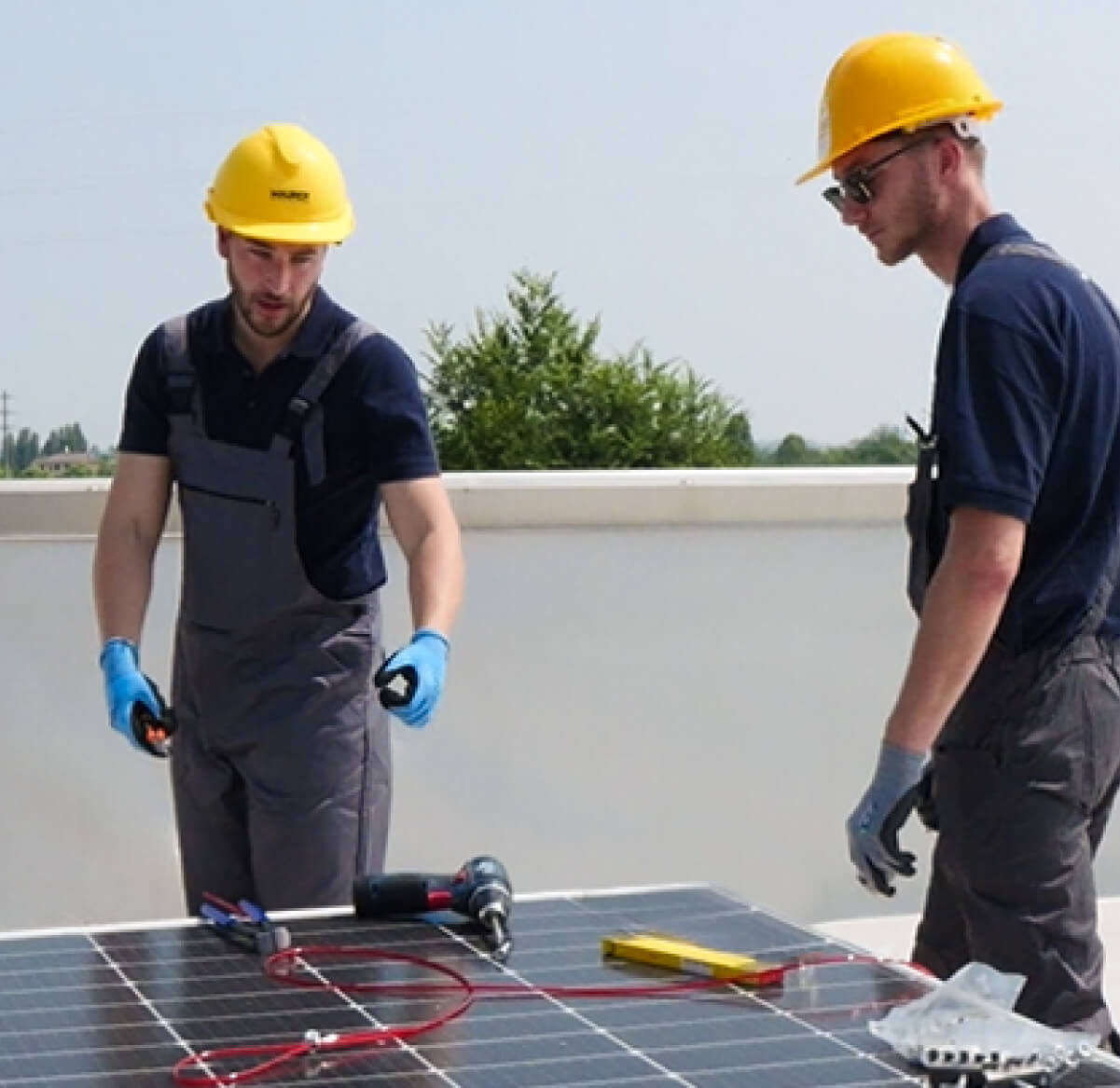
installers, that means quicker learning curves and fewer components to manage on site. For
designers, it means credible data and reduced responsibility risk thanks to tested solutions.
For distributors, it means a clear value proposition that’s easy to explain to the market. If
your goal is to deliver flat roof PV systems in Italy that are efficient, secure, and easy to
install, choosing a ballasted mounting method supported by real technical expertise is a
practical step toward fewer delays, fewer roof issues, and more satisfied project stakeholders.