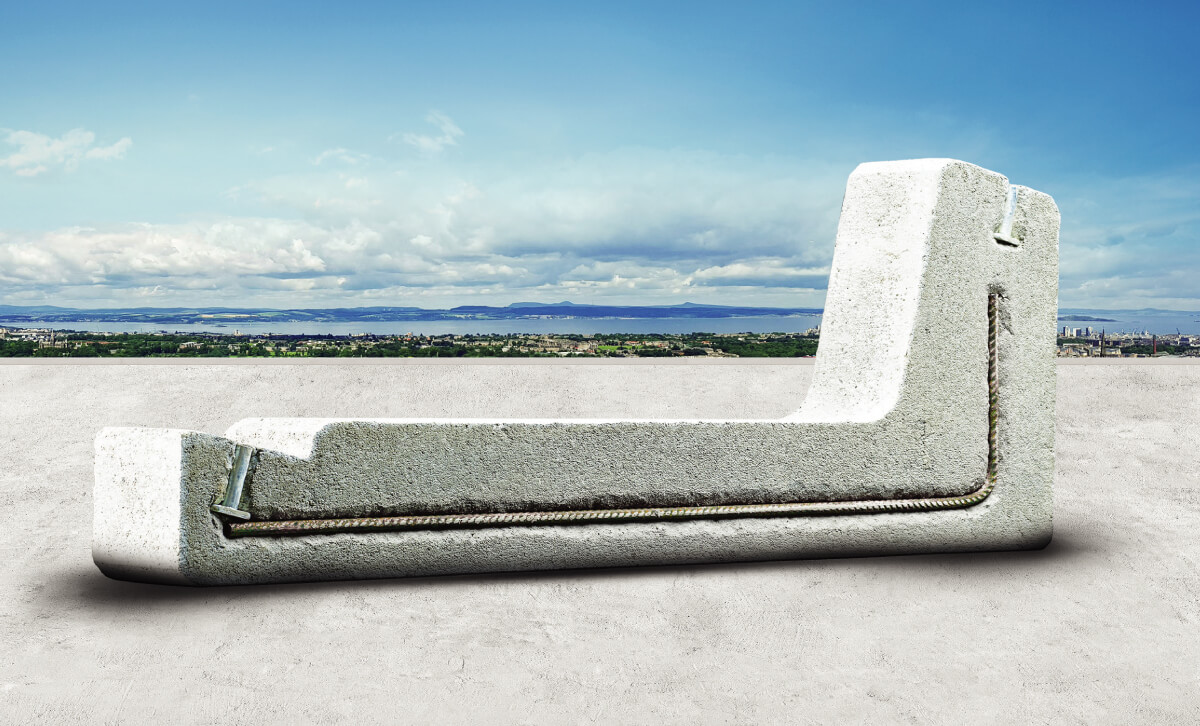
A smarter flat roof PV mounting system for
Italian rooftop projects
In Italy, flat roofs are everywhere—industrial sheds, logistics
hubs, commercial buildings—and they’re ideal for solar when installation is simple, safe, and
repeatable. A well-designed flat roof pv mounting system helps you deliver that result without
turning every job into a custom engineering challenge. For installers, the real win is speed and
predictability: fewer parts to handle, fewer mistakes on site, and smoother scheduling across
multiple rooftops. For designers and engineers, it’s about verifiable performance: wind load
behavior, system stability, and clear data to support calculations. And for distributors, it’s a
product category that’s easy to explain and consistently requested. The most practical approach
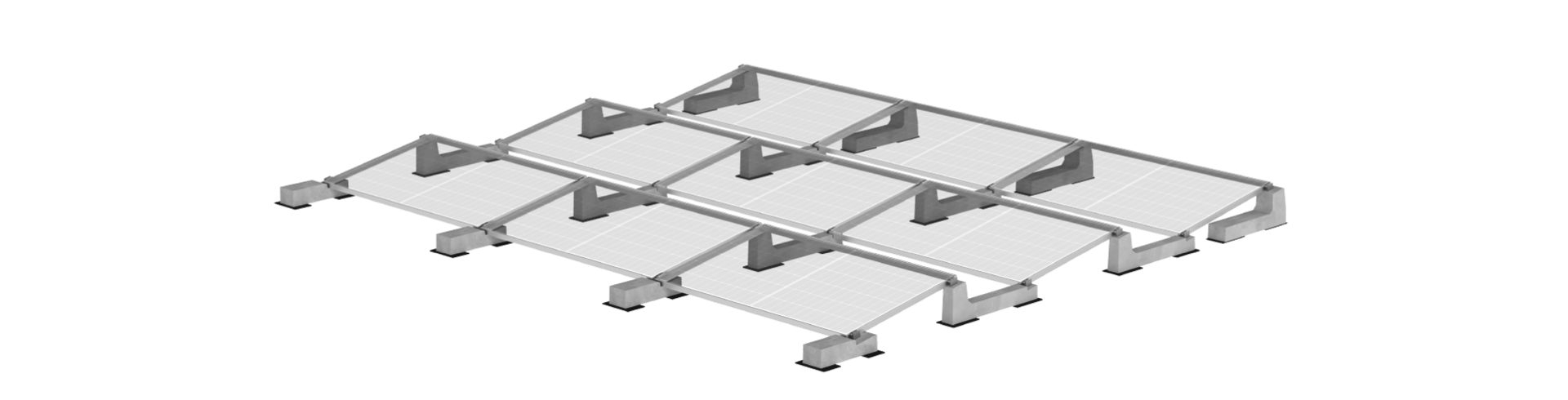
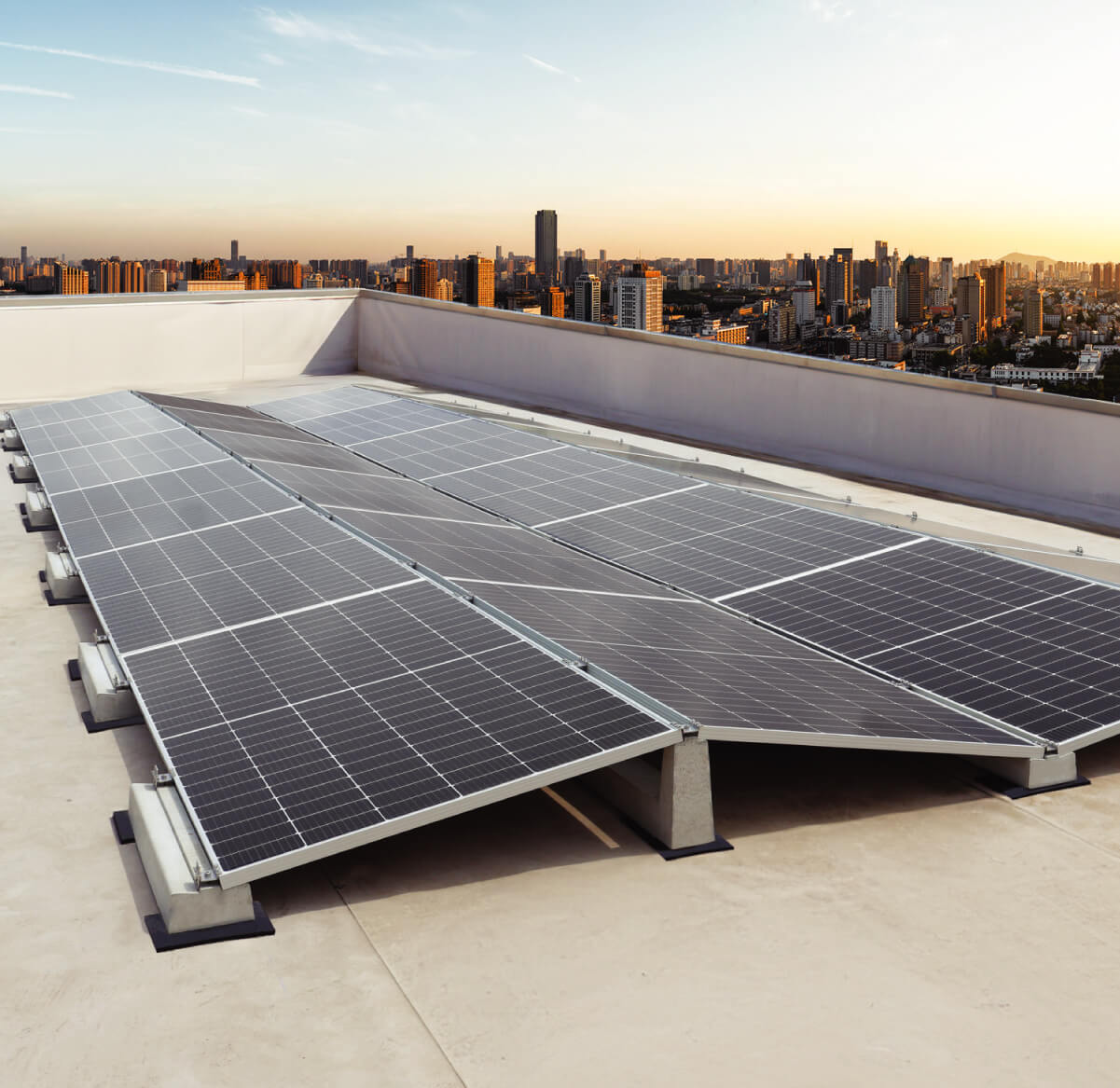
for many Italian sites is a ballasted PV mounting solution that avoids drilling the roof
membrane. By eliminating penetrations, you reduce the risk of leaks, simplify waterproofing
concerns, and often shorten installation time. That means happier clients, fewer call-backs, and
cleaner handovers. When evaluating any flat roof pv mounting system, look beyond the basic
frame: consider how it manages ballast, cable routing, panel orientation, and on-roof workflow.
The goal is straightforward—make flat-roof solar easier to install and easier to design—while
keeping reliability at the center of every choice.
Why installers prefer ballasted, no-drill
mounting on flat roofs
On a busy construction site, the best system is the one that works
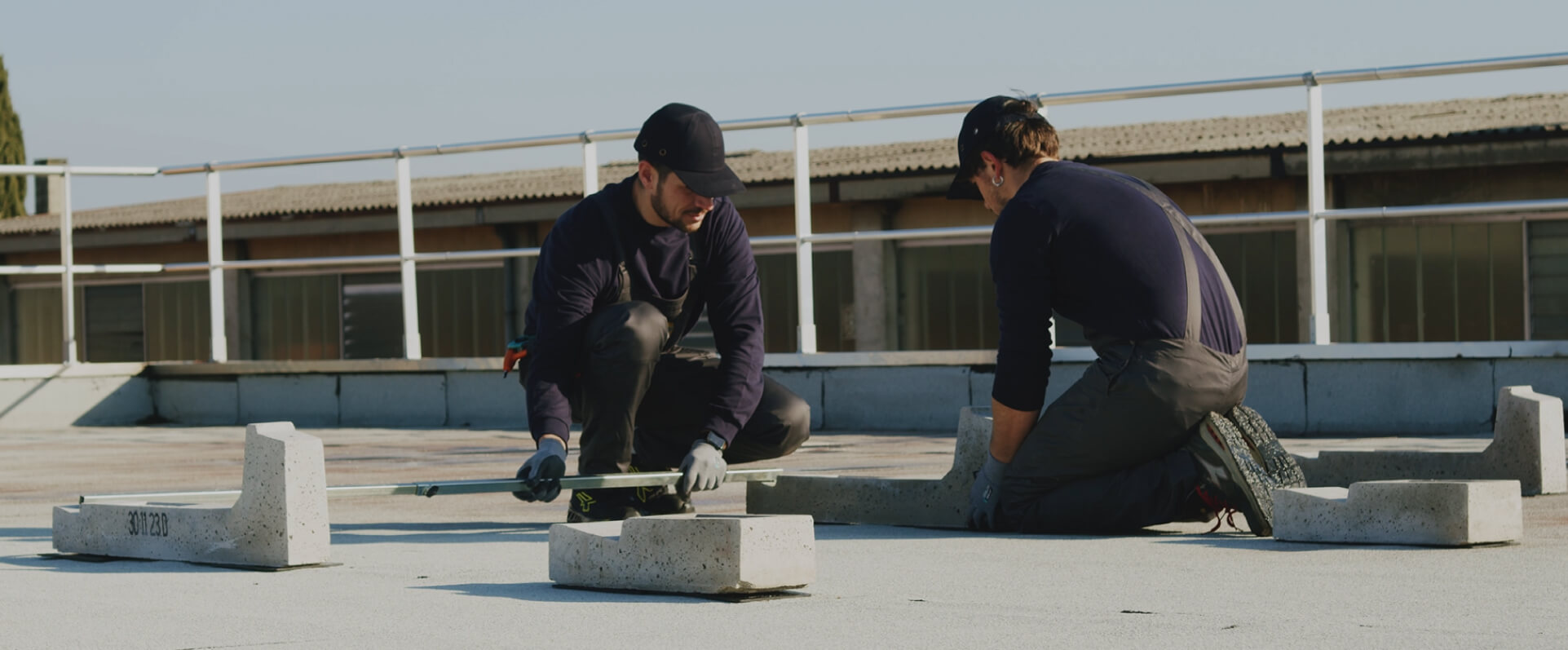
the first time. A ballasted flat roof pv mounting system is built for that reality: it can
reduce roof interventions and keep the process intuitive. No drilling typically means fewer
tools, fewer steps, and less coordination with waterproofing contractors. That translates into
faster starts, faster commissioning, and fewer variables that can delay a project. Another
advantage is reduced complexity in the bill of materials. With fewer small components and a more
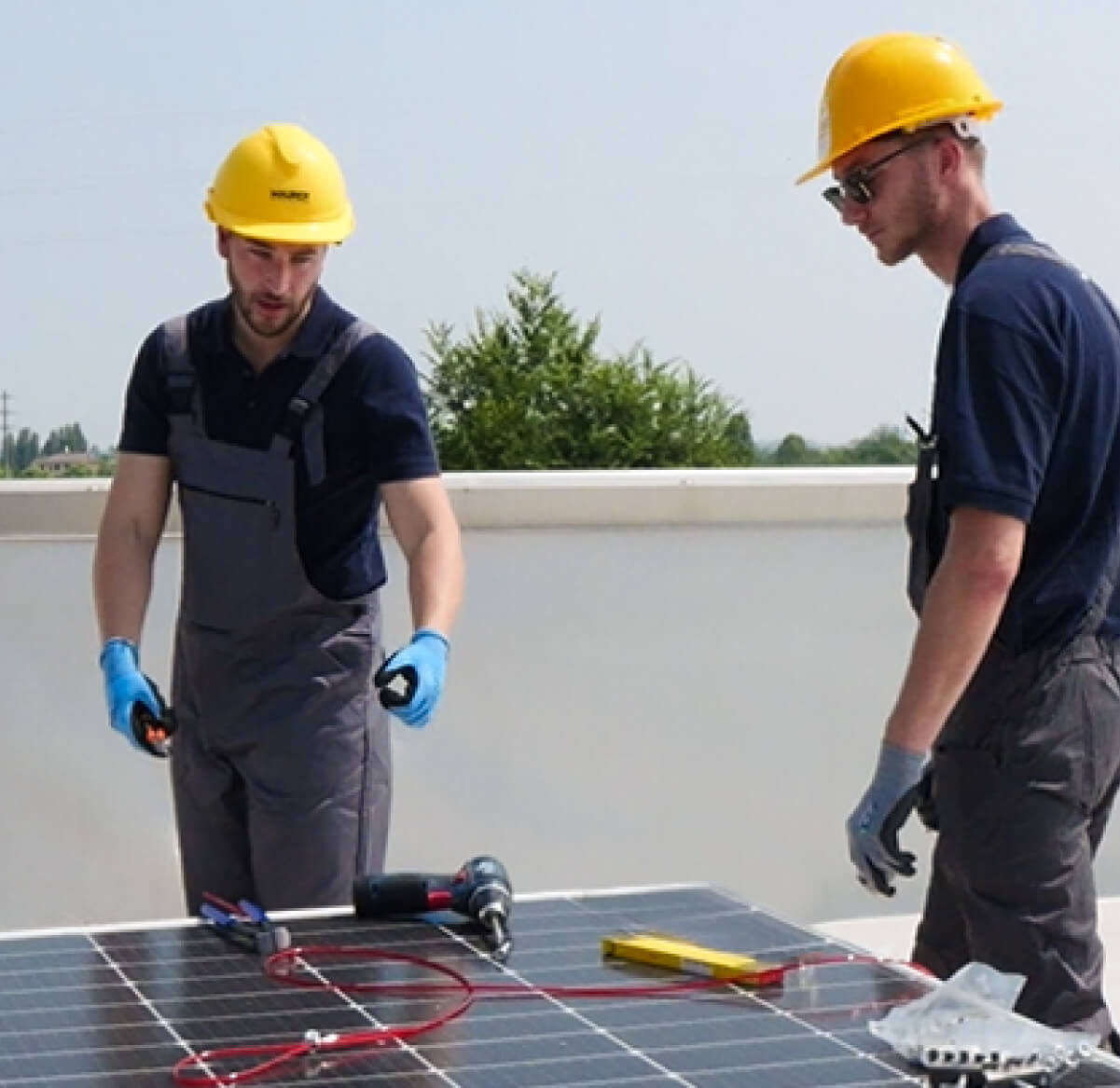
straightforward assembly logic, crews can train quickly and maintain consistent quality across
jobs. In the Italian market—where wind exposure, parapets, and roof layouts vary
widely—flexibility also matters. A strong system should support different tilt angles, optimized
row spacing, and efficient module layout to maximize yield without compromising safety. Terms
like ballasted mounting, non-penetrating racking, rooftop solar structure, wind resistance, load
distribution, and waterproof membrane protection are not buzzwords—they’re the factors that
determine whether your installation stays stable over time. If your priority is installing more
systems per month with fewer headaches, the right flat roof pv mounting system becomes a
competitive advantage.
Technical confidence: sizing, wind loads, and
project support
For engineers and technical offices, choosing a flat roof pv
mounting system is as much about documentation as it is about hardware. You need trustworthy
inputs for wind actions, roof loads, and system behavior in real conditions—especially when
responsibility and compliance are on the line. A proven approach is to rely on tested, durable
ballasted supports that are engineered to distribute loads and keep modules secure while
respecting roof constraints. Just as important is the availability of technical assistance
during design: help with preliminary layouts, system sizing, and project development all the way
to execution. This support can reduce design time, lower risk, and make it easier to standardize
solutions across different buildings. For procurement and distribution, that same clarity speeds
up quoting and reduces returns or compatibility issues. If you’re working on Italian flat roofs
and want a solution that balances reliability, simplicity, and innovation, focus on a flat roof
pv mounting system that is non-penetrating, quick to install, and backed by real technical
know-how. It’s the difference between selling a component and delivering a complete rooftop PV
solution.