Why flat roof pv mounting systems matter on
Italian buildings
In Italy, flat roofs on warehouses, commercial buildings, and
residential blocks offer huge potential for solar—yet they also bring specific challenges:
waterproofing layers to protect, tight project timelines, and strict safety expectations. That’s
why choosing the right flat roof pv mounting systems is not a detail; it’s the foundation of a
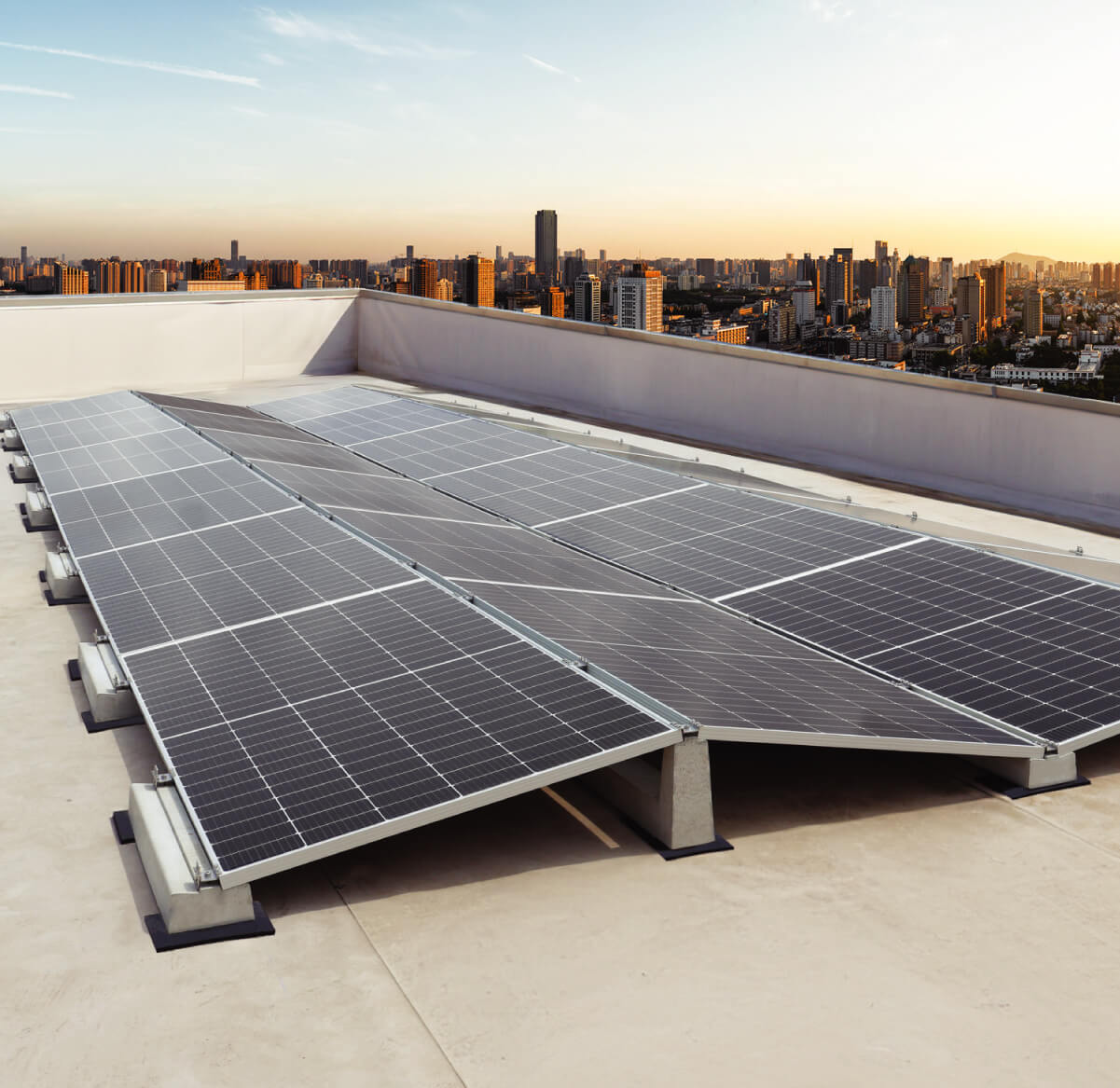
smooth installation. For many projects, a ballasted PV mounting solution can be the smartest
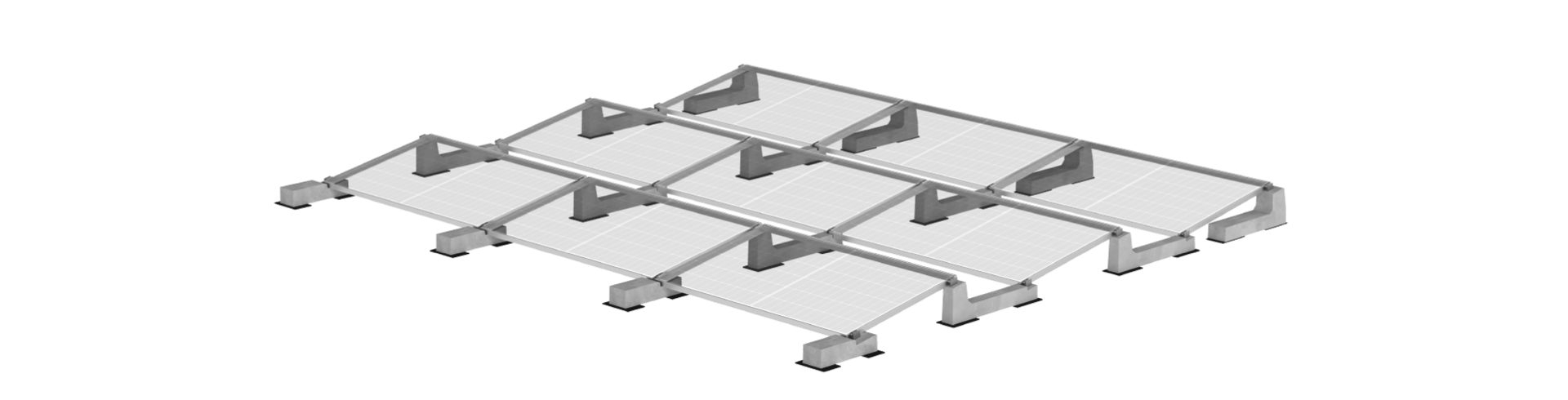
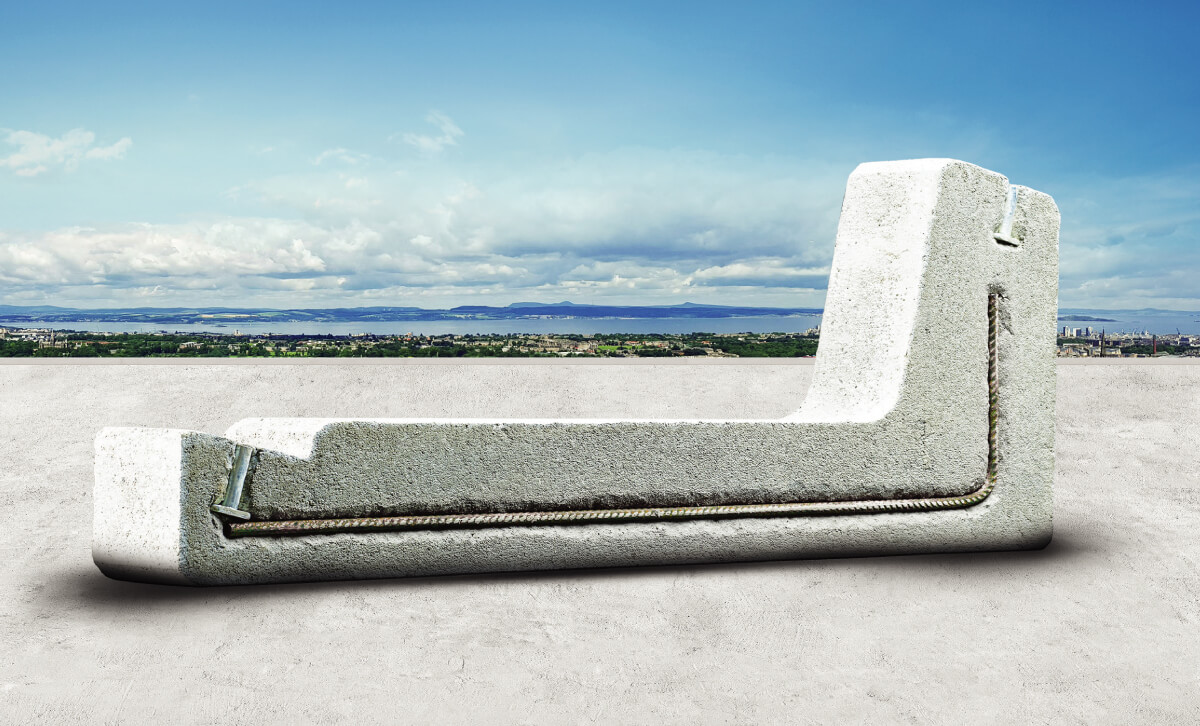
route because it avoids roof penetrations and reduces the risk of leaks. With concrete ballast
supports, the structure gains stability through weight rather than drilling, helping installers
work faster and with fewer variables on site. Fewer components, intuitive assembly, and clear
layouts can translate into shorter labor time and more predictable scheduling. For designers and
engineers, the key is dependable data for wind loads, roof loads, and system geometry. Reliable
flat roof pv racking should make it easier to select tilt angle, spacing, and orientation while
keeping loads under control. Distributors also benefit from solutions that are easy to specify
and repeat across many rooftops, supporting consistent demand. Ultimately, the best systems
combine speed, safety, and long-term durability—so the plant performs for decades without
turning the roof into a problem.
Faster installation with no-penetration
ballasted supports
Installers choose flat roof pv mounting systems to simplify the
job: fewer roof works, fewer surprises, and faster commissioning. A no-drill approach helps
protect membranes and reduces the paperwork and coordination often required for invasive
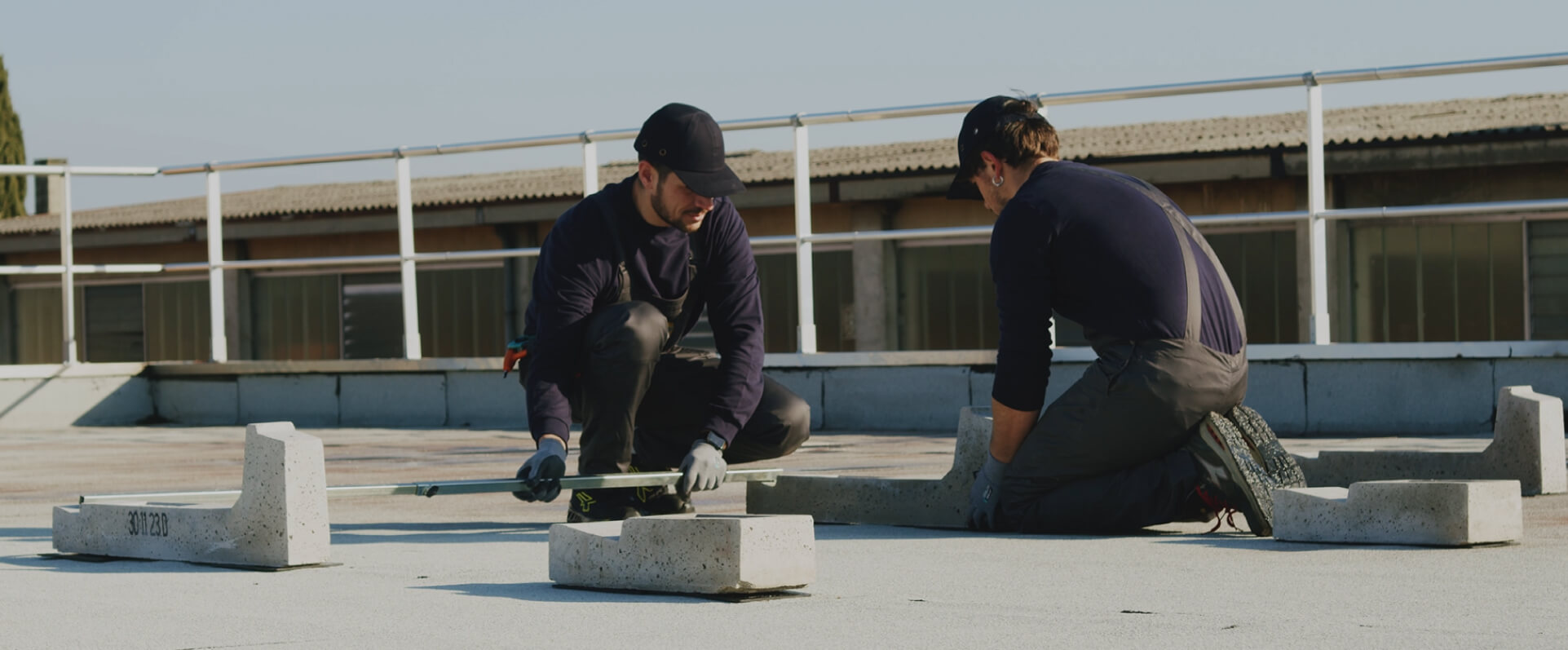
fastening. Ballasted mounting systems using precast concrete elements can arrive ready to place,
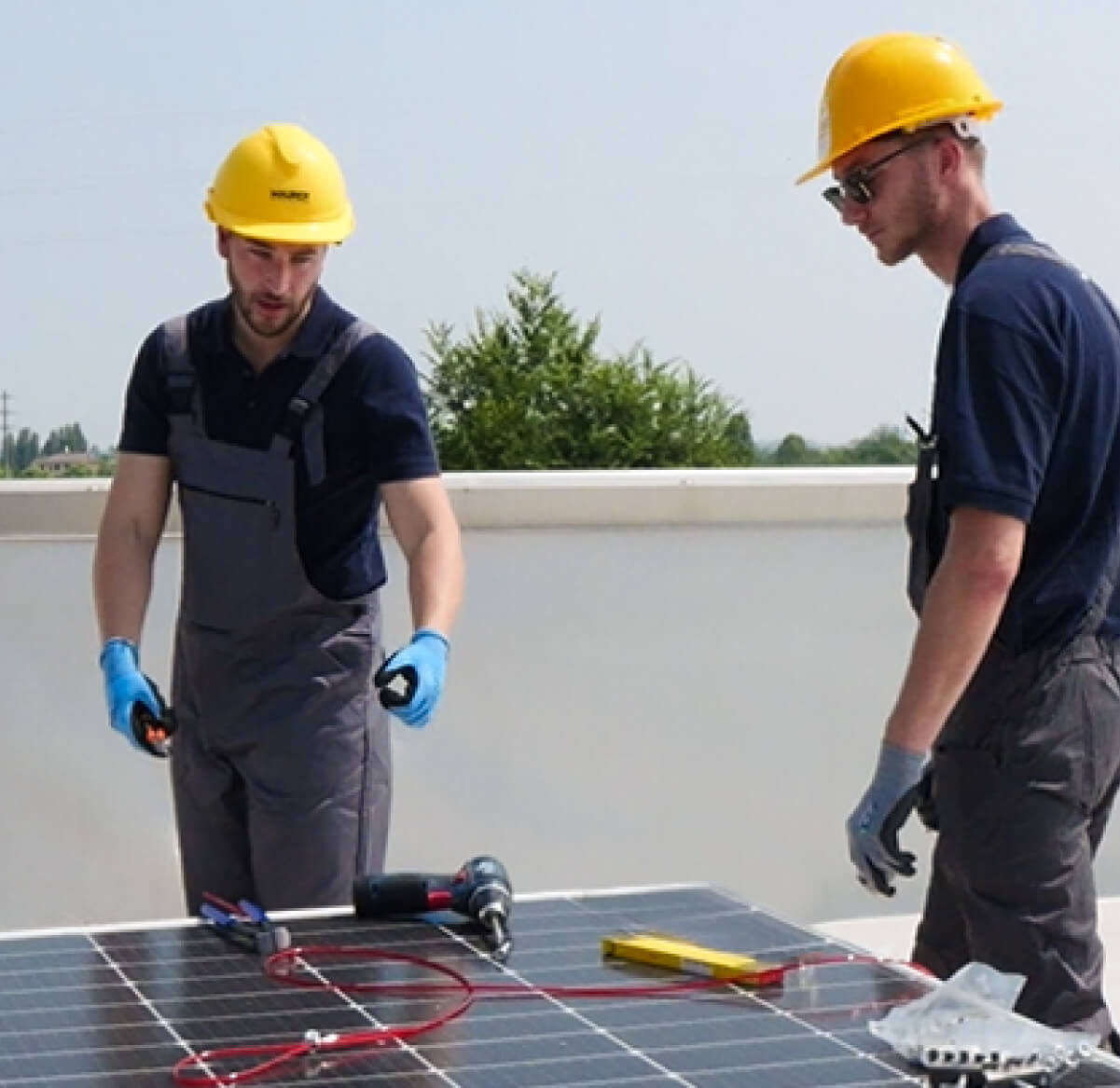
cutting on-roof assembly time and minimizing loose hardware. That means less time spent aligning
rails and more time installing modules and wiring. Practical benefits include cleaner site
management, reduced risk of waterproofing damage, and easier retrofits on existing roofs. When
the mounting structure is designed for straightforward positioning and repeatable rows, crews
can maintain a steady rhythm even on large industrial rooftops. In Italian conditions—where wind
exposure varies from coastal areas to inland zones—having a system built around stability and
tested performance is essential. The goal is simple: install more kilowatts per day, with fewer
components to handle and fewer critical steps that can slow the crew down.
Technical confidence: sizing, wind loads, and
project support
For engineering teams, flat roof pv mounting systems must be more
than “compatible”; they need to be verifiable. Good project outcomes depend on accurate sizing,
trustworthy load assumptions, and clear documentation—especially when evaluating wind uplift,
ballast distribution, and roof capacity. A partner-style approach can reduce the designer’s
burden by providing technical guidance during planning, system selection, and layout
optimization. This includes helping define tilt angle, module arrangement, and ballast needs
while keeping the structure robust and the installation efficient. For B2B buyers in Italy, it’s
also crucial that the solution is built for durability: solid materials, proven manufacturing,
and designs that hold up over time. If you want to standardize your rooftop PV projects, look
for flat roof pv mounting systems that combine certified performance, practical installability,
and dependable technical support—so each new site becomes easier, safer, and more profitable
than the last.