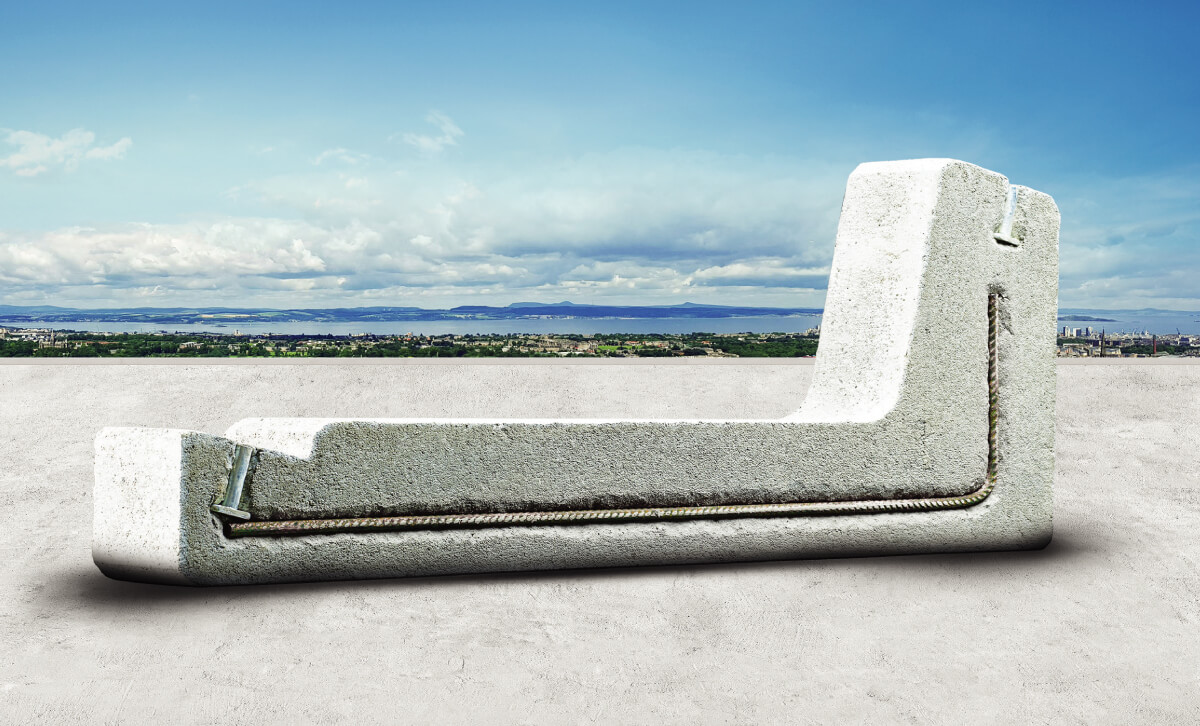
Flat roof PV panels: why non-penetrating
systems matter
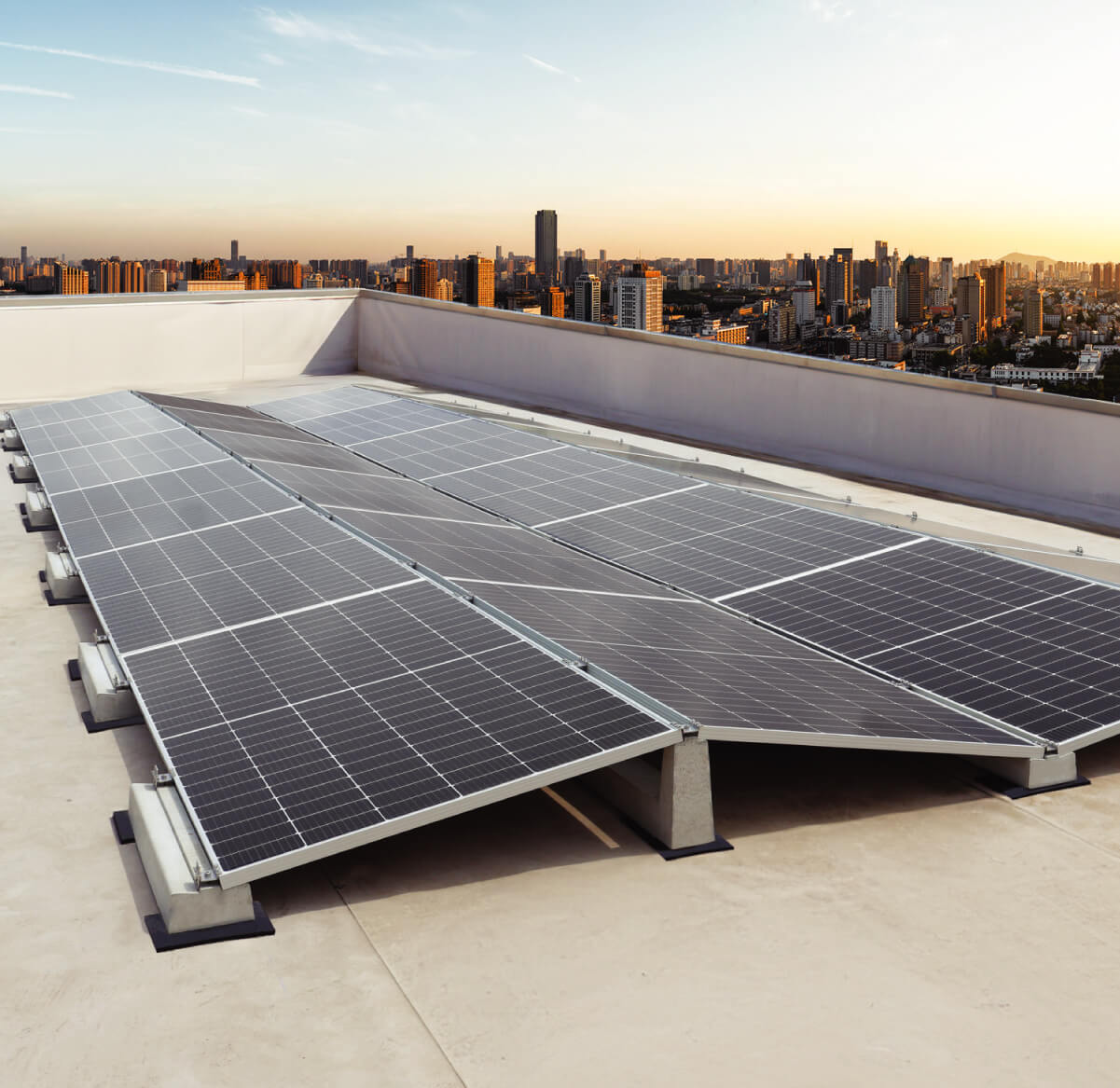
Installing flat roof PV panels in Italy often means working on
membranes where every roof penetration can become a risk: leaks, warranty issues, and extra time
on site. That’s why non-penetrating mounting solutions are becoming the preferred approach for
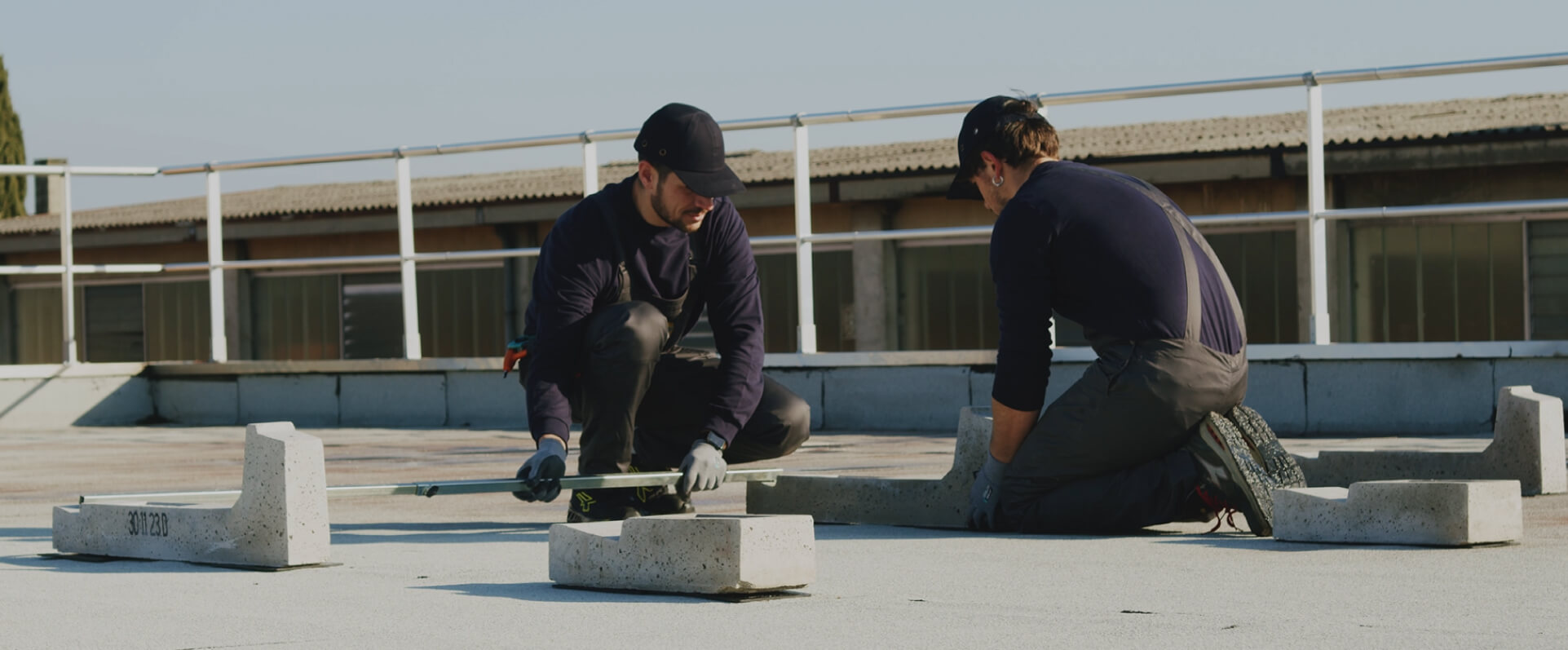
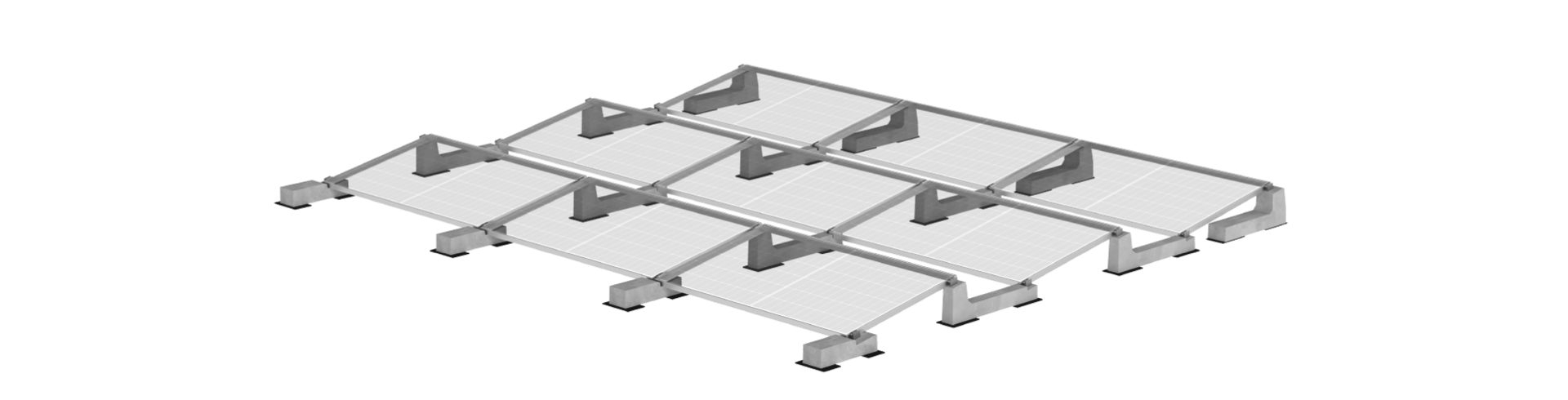
commercial and industrial flat roofs. Ballasted PV racking uses engineered concrete weights to
secure modules without drilling into the waterproof layer, helping installers reduce
complications and keep projects moving. The benefits are immediate: fewer components to manage,
faster assembly, and a cleaner workflow from delivery to commissioning. For EPC teams and
installers, this translates into more predictable timelines and fewer surprises during
installation. For designers and engineers, it means a solution that can be verified through wind
load and structural checks, with clear data for system sizing and roof load distribution. A good
flat-roof solar solution should also support common layouts—south-facing, east-west, and
low-tilt arrangements—so you can balance energy yield, shading management, and available surface
area. In short, choosing the right support system for flat roof PV panels is not just a hardware
decision: it’s a way to reduce risk, improve safety, and deliver reliable performance over the
system’s lifetime.
Designed for installers: speed, simplicity,
and fewer on-site problems
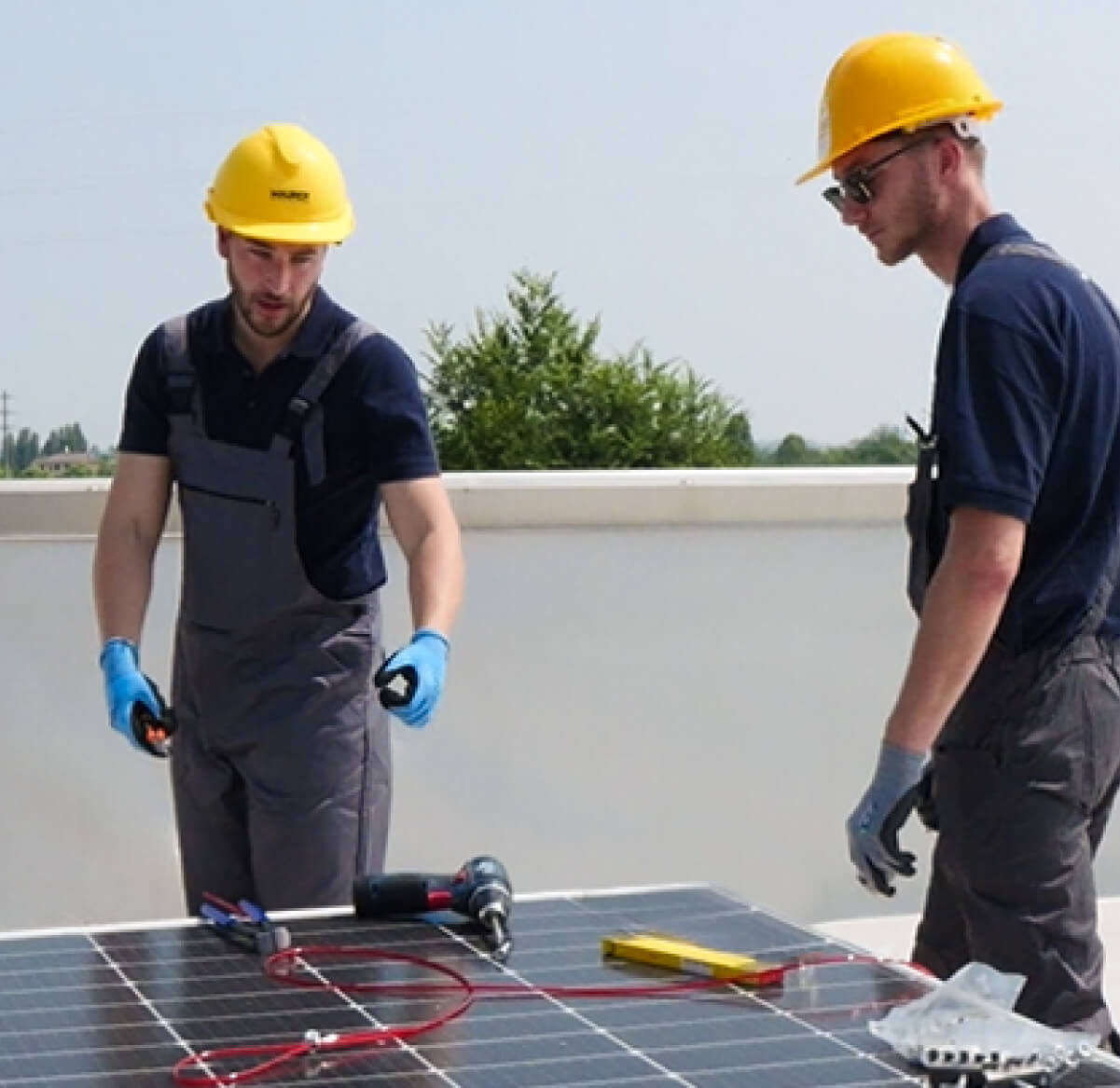
Installers want one thing above all: a system that goes down
quickly and works the first time. With flat roof PV panels, complexity usually comes from too
many parts, difficult alignments, and the anxiety of fixing into a delicate roof. Ballasted
structures simplify the job: no roof drilling, fewer fastening steps, and intuitive positioning
that helps crews stay efficient. The result is shorter installation time, easier logistics, and
less rework. This approach is ideal for large flat roofs such as warehouses and industrial
buildings, where repeating rows and consistent module placement can dramatically improve
productivity. It also helps reduce typical site risks linked to waterproofing damage, making
handover smoother for both the installer and the client. If you’re comparing flat-roof PV
mounting options, look for solutions that are engineered specifically for flat surfaces, tested
for durability, and optimized to keep component count low while maintaining stability.
Technical partnership for Italy: sizing, wind
loads, and project support
Beyond the product, professionals in Italy need dependable
technical backing to design and deliver compliant PV installations. A strong solution for flat
roof PV panels should come with support during the design phase, accurate data for wind uplift
calculations, and guidance for correct system sizing. That reduces design responsibility
pressure for engineers and speeds decision-making for installers and distributors. From early
feasibility to execution, having a technical partner helps ensure the racking choice matches the
roof type, exposure, and structural limits—without overcomplicating the build. It also makes it
easier to select the right tilt angle, manage row spacing, and optimize production while
respecting roof loads. If your goal is to make flat roof PV panels easier, safer, and more
efficient to deploy, prioritize non-penetrating ballasted mounting systems combined with real
project assistance: it’s the most practical way to save time, reduce operational complexity, and
deliver long-term reliability.