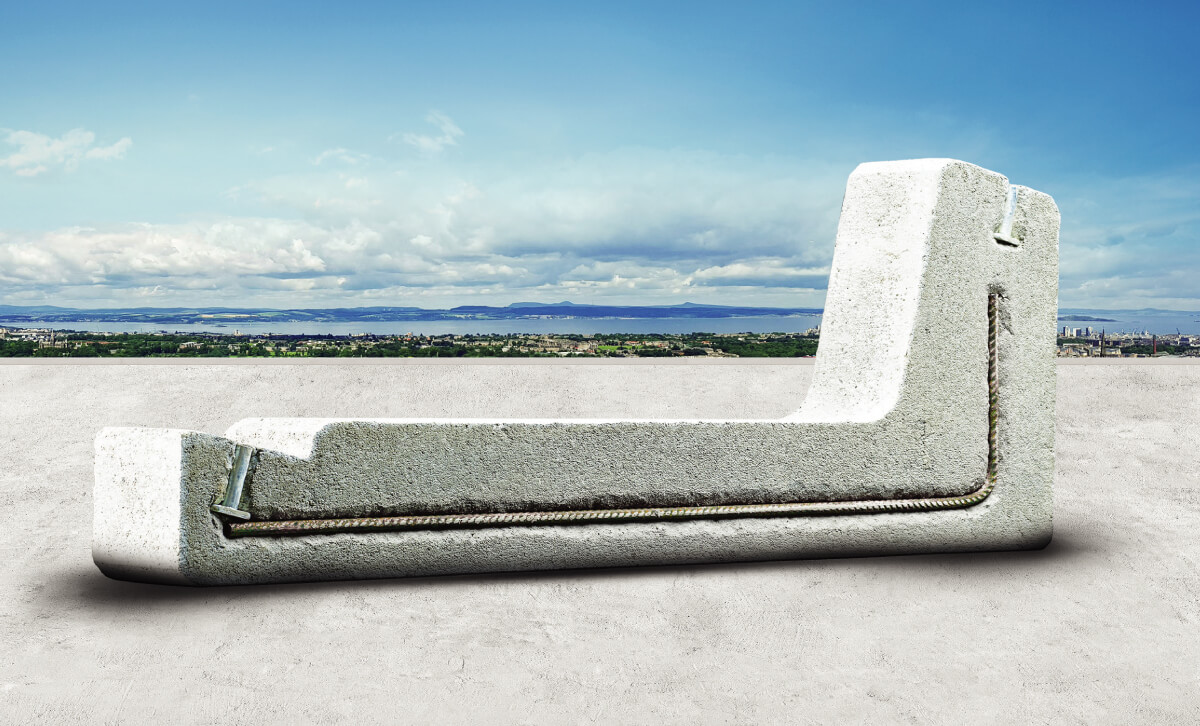
Why a Flat Roof Mounting System for PV Panels
Matters in Italy
Choosing the right flat roof mounting system for PV panels can
make or break a project—especially in Italy, where installers often work on industrial roofs,
logistics hubs, and commercial buildings with strict waterproofing requirements. A well-designed
solution reduces installation time, limits on-site surprises, and protects the roof membrane by
avoiding penetrations. That’s why ballast-based structures are increasingly preferred: instead
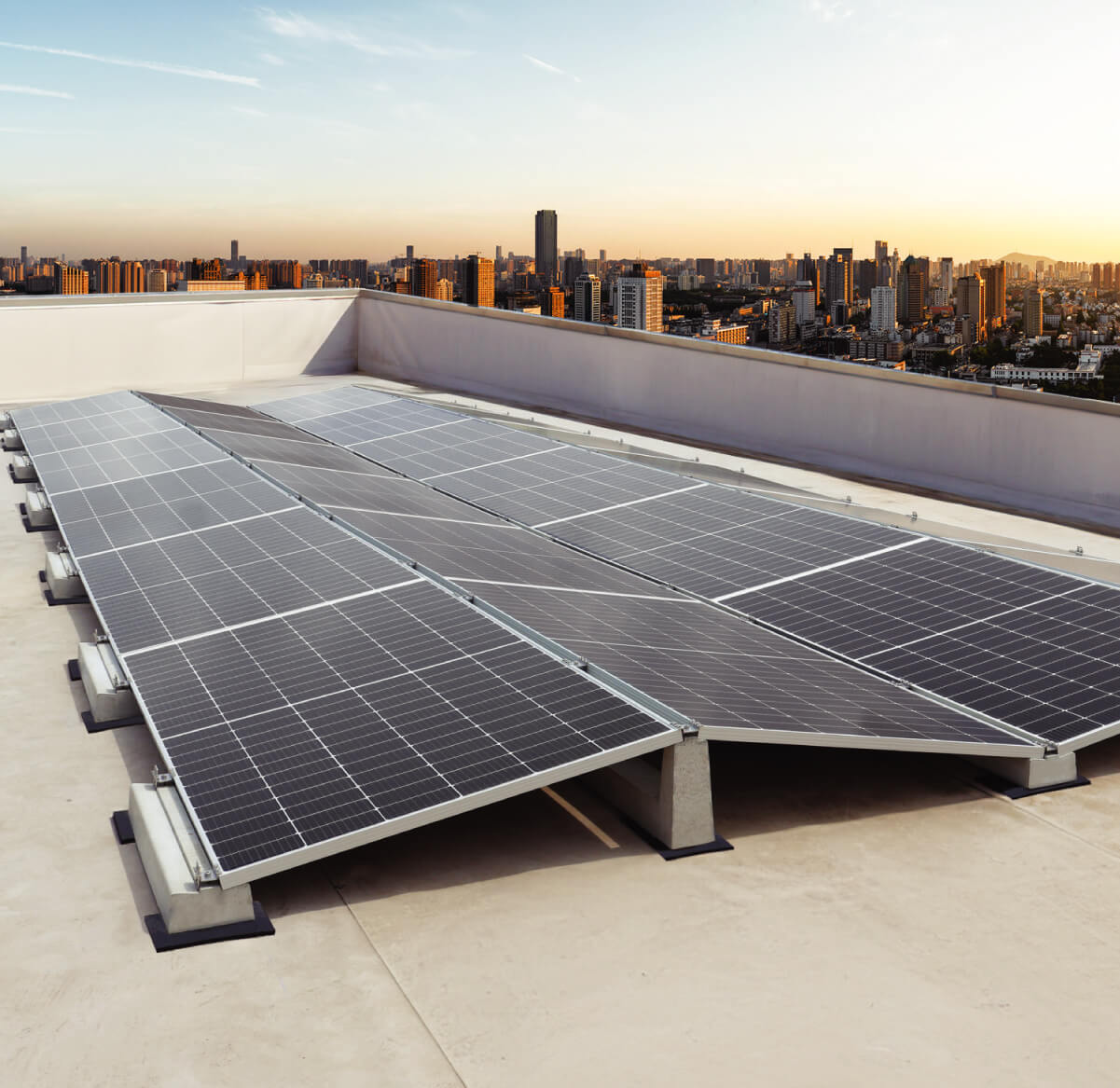
of drilling, they use concrete weights engineered to keep PV modules stable under wind loads
while maintaining the integrity of the roof covering. For installers, the benefits are
immediate: fewer components to manage, cleaner layouts, and a faster workflow from unloading to
commissioning. For designers and engineers, it’s about predictability—certified data, reliable
structural behaviour, and support for system sizing (wind, spacing, load distribution). A
dependable flat roof mounting system for PV panels also helps distributors: it’s easier to
explain, easier to stock, and easier to sell because it solves common pain points. In short,
when the mounting solution is simple, solid, and purpose-built for flat roofs, everyone in the
B2B chain gains confidence and efficiency.
Ballasted PV Mounting: No Holes, Less Risk,
Faster On-Site Work
The biggest advantage of a ballasted flat roof mounting system for
PV panels is the “no-drill” approach. Roof penetrations can introduce leakage risks, require
extra sealing steps, and slow down the crew—especially when weather windows are tight. With
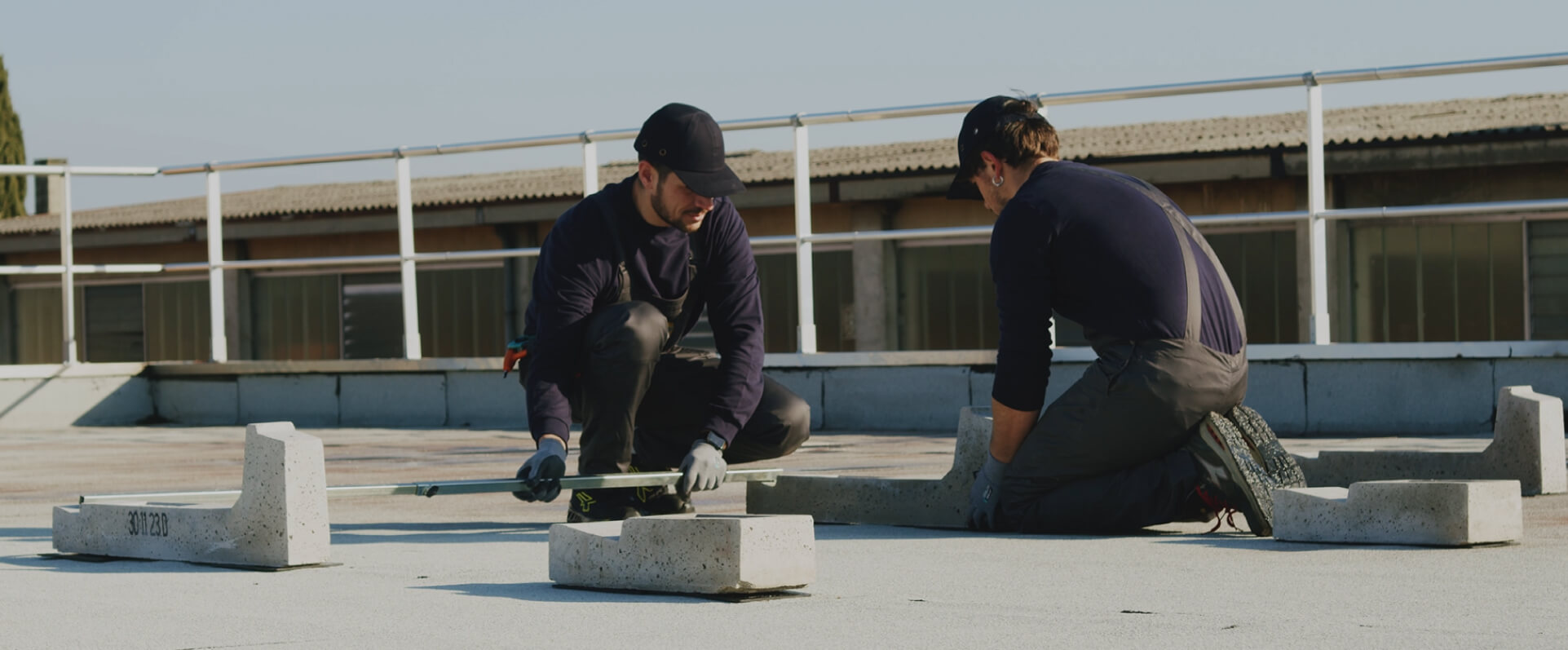
concrete ballast supports, installation becomes more straightforward: position the supports,
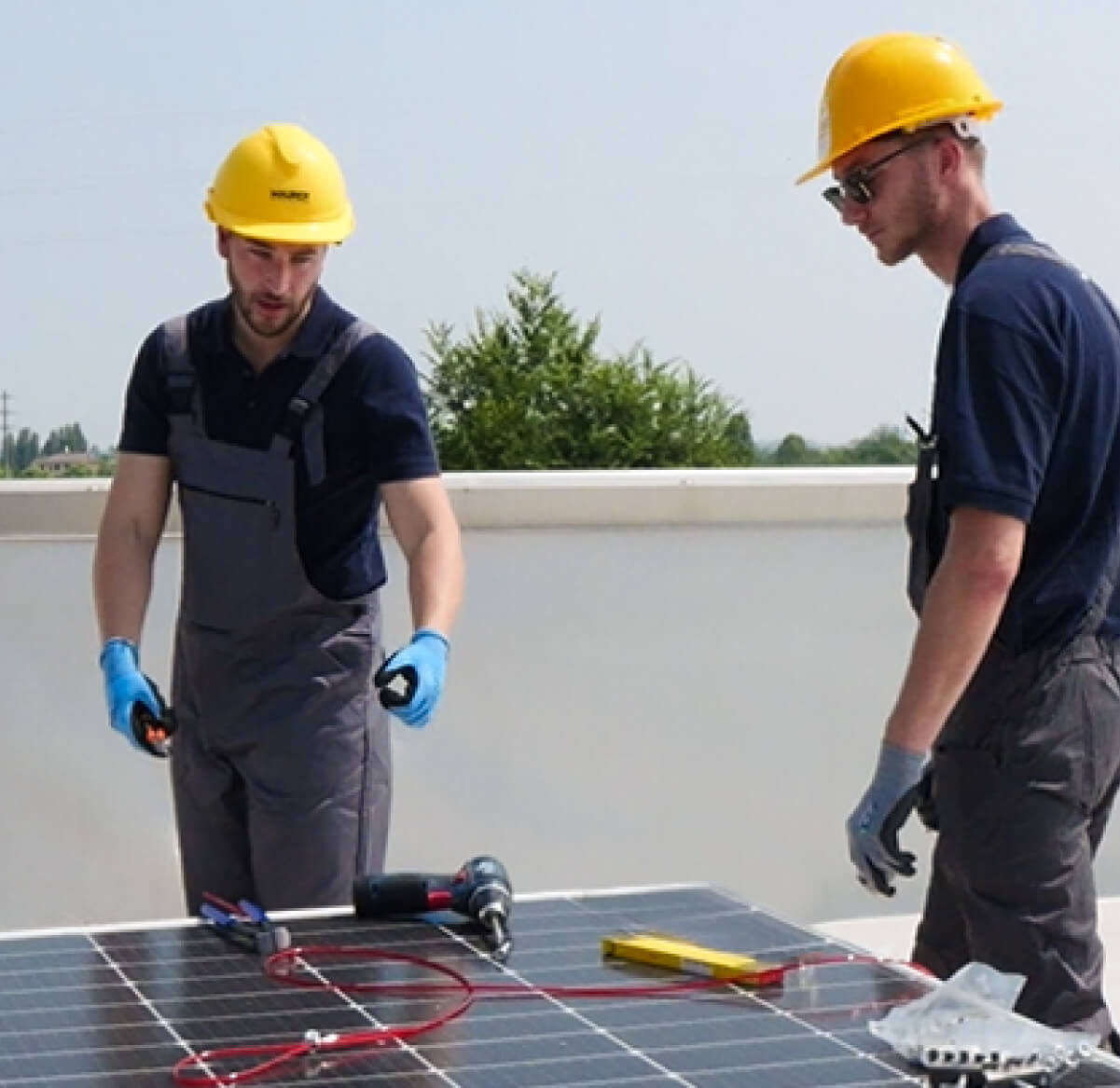
align the modules, connect clamps and electrical components, and move to the next row. Because
the system is designed to reduce parts and simplify assembly, teams can standardise their method
across multiple sites, improving productivity and reducing errors. From a technical perspective,
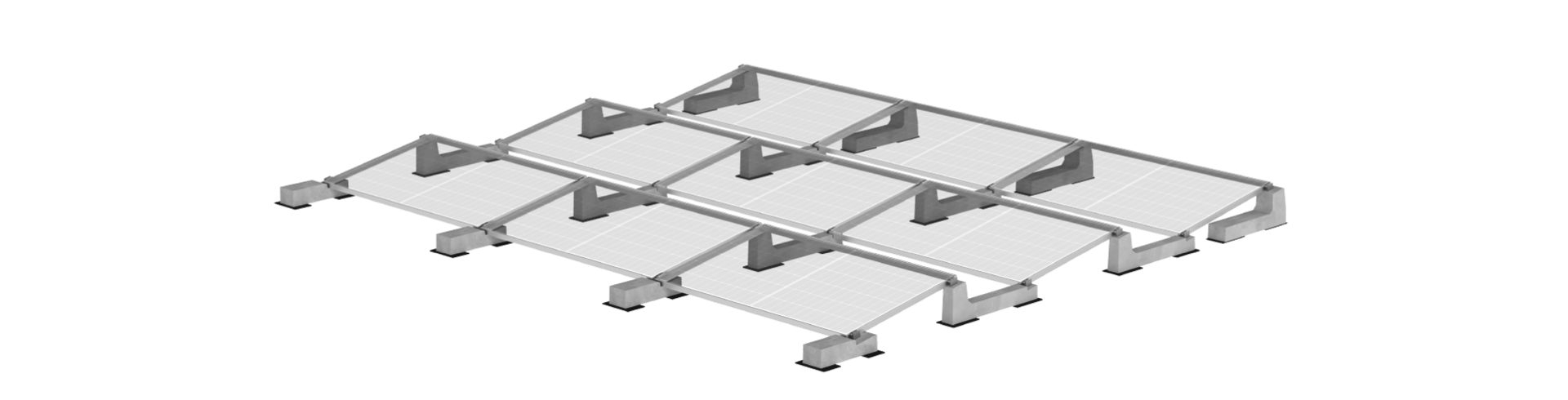
ballast solutions can be configured for different tilt angles, orientations, and row spacing to
balance energy yield and shading constraints. They also help manage distributed loads on the
roof, an essential factor for flat-roof PV design. When you add professional technical
support—project checks, layout guidance, and sizing assistance—you get a solution that doesn’t
just sit on the roof; it fits the project, the site conditions, and the responsibilities of
everyone involved.
A Technical Partner Approach: From Design
Support to Execution
Installers and engineers don’t just need products—they need
certainty. A flat roof mounting system for PV panels becomes truly valuable when it comes with
practical expertise: help in the design phase, support for system dimensioning, and clear
guidance all the way to installation. This partner-style approach reduces the mental load on
professionals who already juggle deadlines, compliance, and performance expectations. For
installers, it means fewer phone calls from site, fewer last-minute changes, and a smoother path
to handover. For engineering teams, it means reliable documentation, tested solutions, and
reduced project risk when assessing wind action, ballast requirements, and roof constraints. For
distributors, it means a dependable, recognisable solution backed by technical know-how that
customers actually feel on the job. If your goal is to make flat-roof PV projects in Italy
easier, safer, and more efficient, choosing a proven ballasted mounting concept—supported by
real technical assistance—turns mounting from a bottleneck into a competitive advantage.