Why Flat Roof Ballast Is the Smart Choice for
PV on Flat Roofs
In Italy, flat-roof photovoltaic projects often face the same
dilemma: how do you secure modules without compromising the waterproof membrane? A flat roof
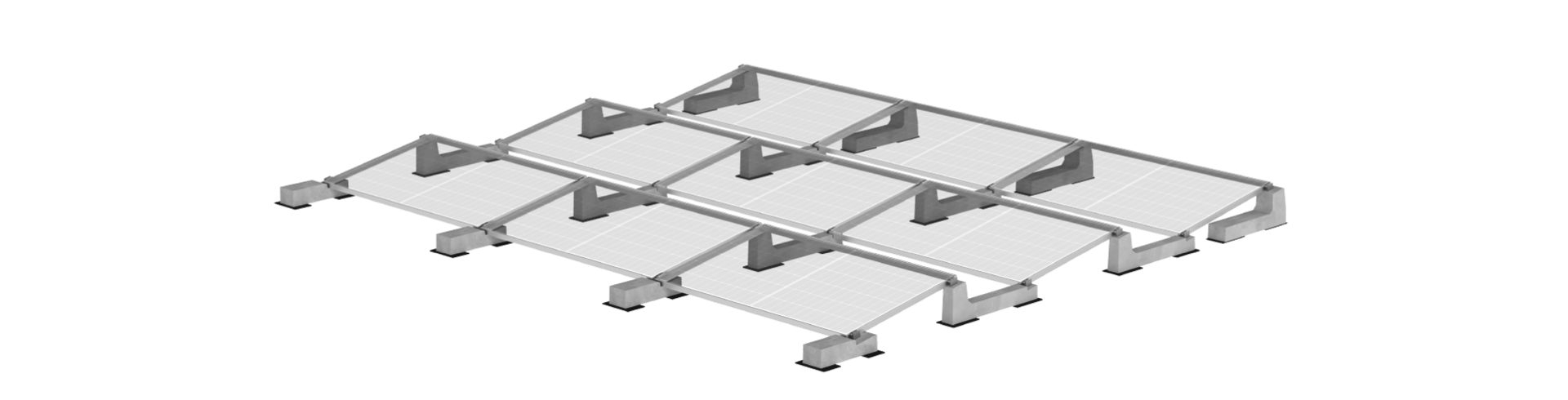
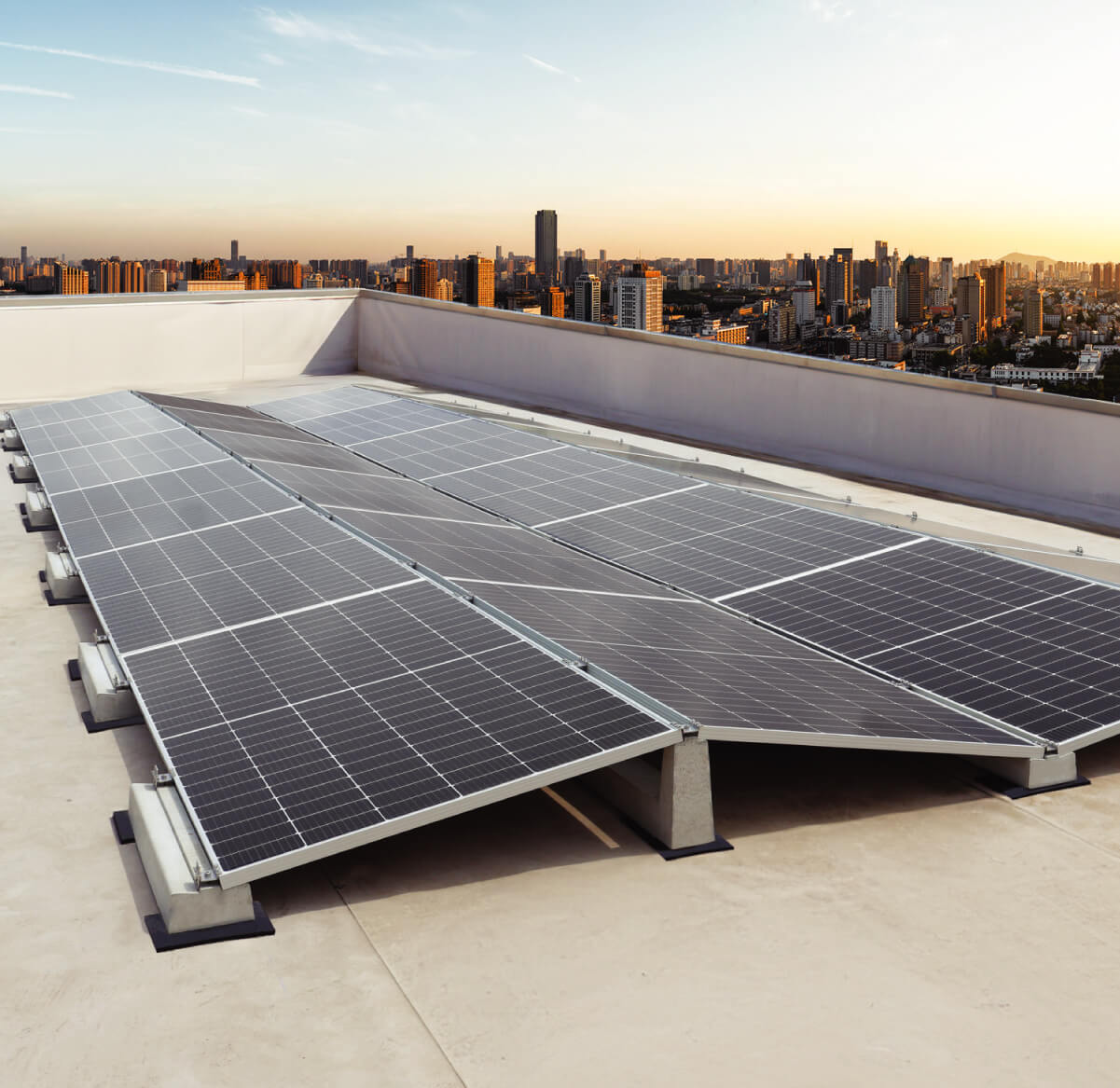
ballast system solves this by using engineered concrete weights to keep solar panels stable
without drilling, anchors, or roof penetration. For installers, this means fewer surprises on
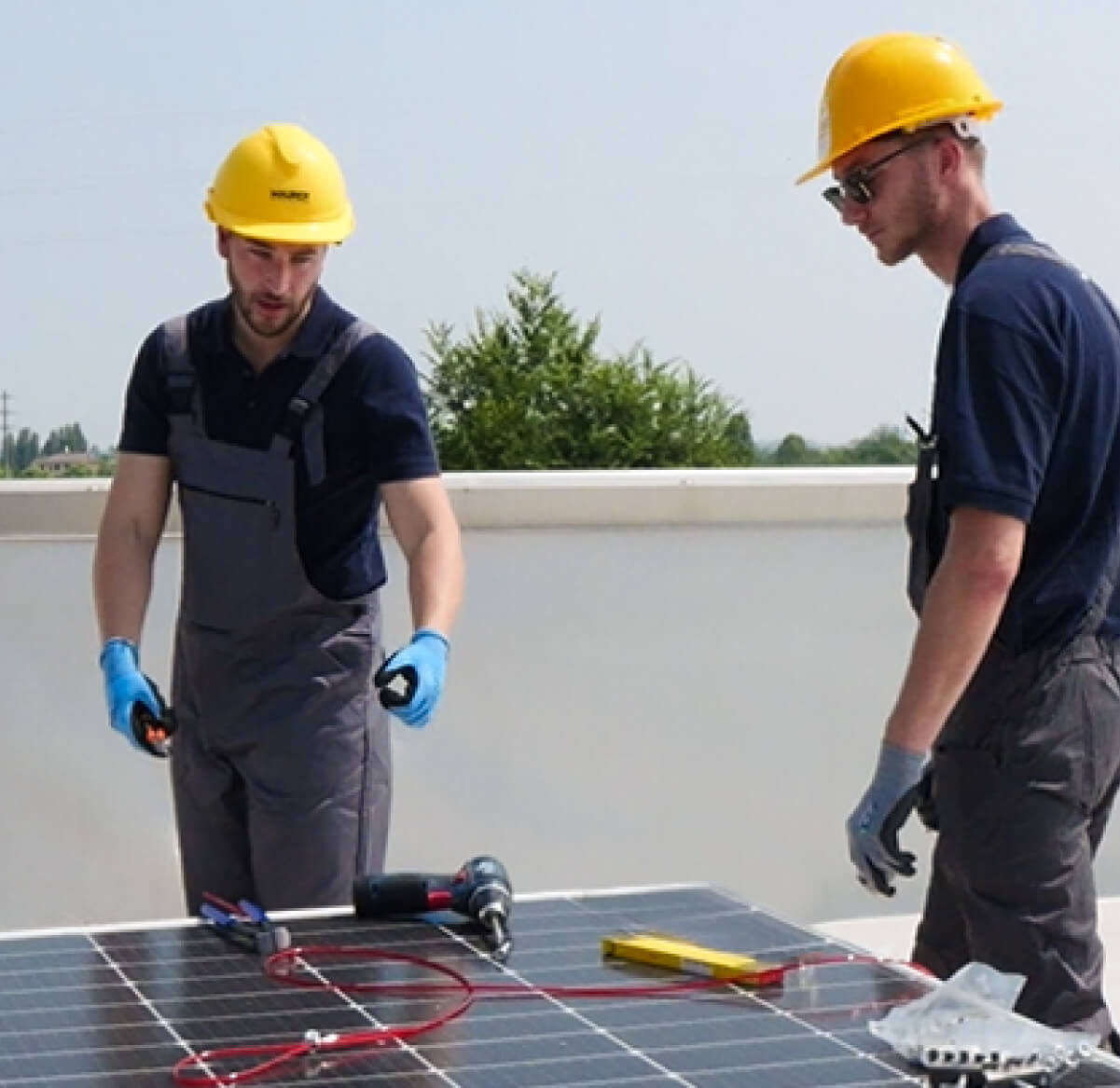
site, shorter installation times, and a cleaner workflow with fewer parts to manage. For
designers and engineers, it offers a repeatable approach that supports accurate load planning
and reduces uncertainty around fixing points.
Beyond speed, flat roof ballast helps protect the roof itself. Avoiding holes lowers the risk of
leaks, callbacks, and long-term maintenance issues—critical on commercial buildings where
downtime is costly. The best ballast configurations are designed to work with common PV layouts,
offering different tilt angles and optimized spacing to support energy yield while respecting
roof constraints. In short, choosing a ballast-based mounting strategy is about making flat-roof
solar simpler, safer, and more predictable—especially when deadlines are tight and the roof must
remain intact.
Key Benefits: Faster Installs, Fewer
Components, Lower Risk
The biggest advantage of flat roof ballast is installation
efficiency. With pre-engineered concrete supports, crews can position the structure, place the
modules, and proceed without time-consuming drilling, chemical anchors, or complex
substructures. Fewer components also means fewer potential failure points—an important factor
when you’re managing multiple rooftops or large-scale commercial arrays.
From a technical perspective, ballast solutions are developed to handle real-world constraints
such as wind uplift, distributed loads, and roof surface protection. When the system is properly
dimensioned, it can improve confidence during permitting and project sign-off. That’s why
professional-grade solutions typically come with technical guidance for layout, sizing, and
verification of loads. For distributors and wholesalers, the appeal is clear: a recognizable
product category with steady demand, easy-to-explain benefits, and strong alignment with the
market’s push for rapid, low-risk PV deployment on flat roofs across Italy.
How to Choose the Right Flat Roof Ballast
System for Your Project
Not all flat roof ballast systems are equal, and choosing the
right one starts with your roof and your objectives. First, evaluate the membrane type and
protection requirements: quality systems are designed to sit safely on the surface while
minimizing abrasion and point loads. Next, consider wind exposure, building height, and
parapets—these factors influence ballast sizing, array zones, and overall stability. Tilt angle
and row spacing also matter, balancing energy production with shading management and roof usage.
For installers, the ideal solution is intuitive: quick positioning, minimal tools, and a layout
that reduces on-site adjustments. For engineers, what matters most is reliable data for
calculations, tested configurations, and access to technical support during design and
execution. If you want predictable results, prioritize systems that offer project-specific
dimensioning and assistance from early planning through installation. The outcome is a flatter
learning curve, fewer site delays, and a PV plant that stays secure without puncturing the
roof—exactly what a modern flat roof ballast approach is meant to deliver.