Why Flat Roof Ballast Solar Panel Mounting Is
Ideal for Italian Rooftops
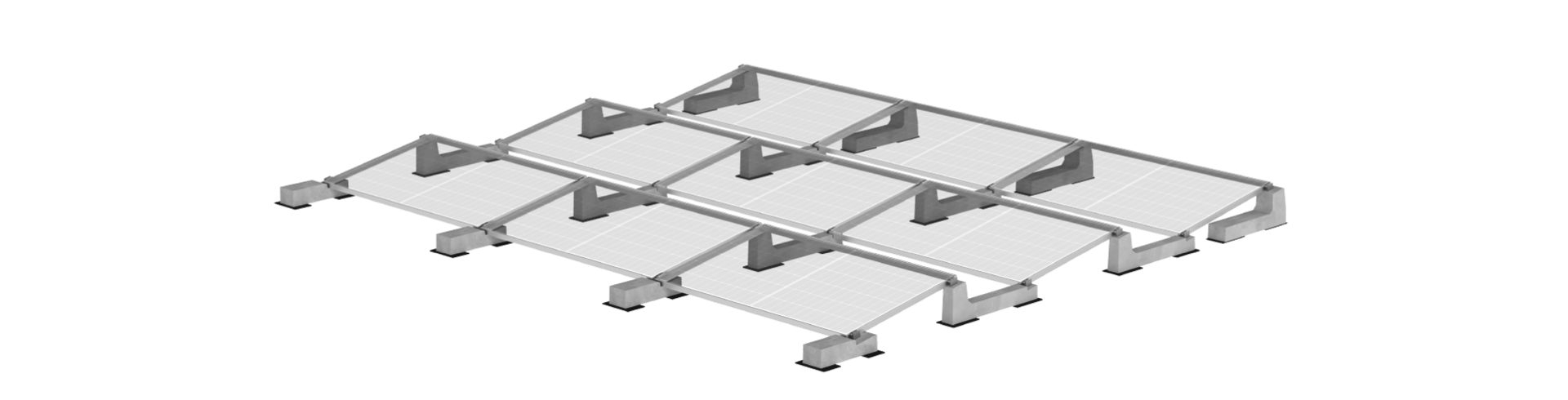
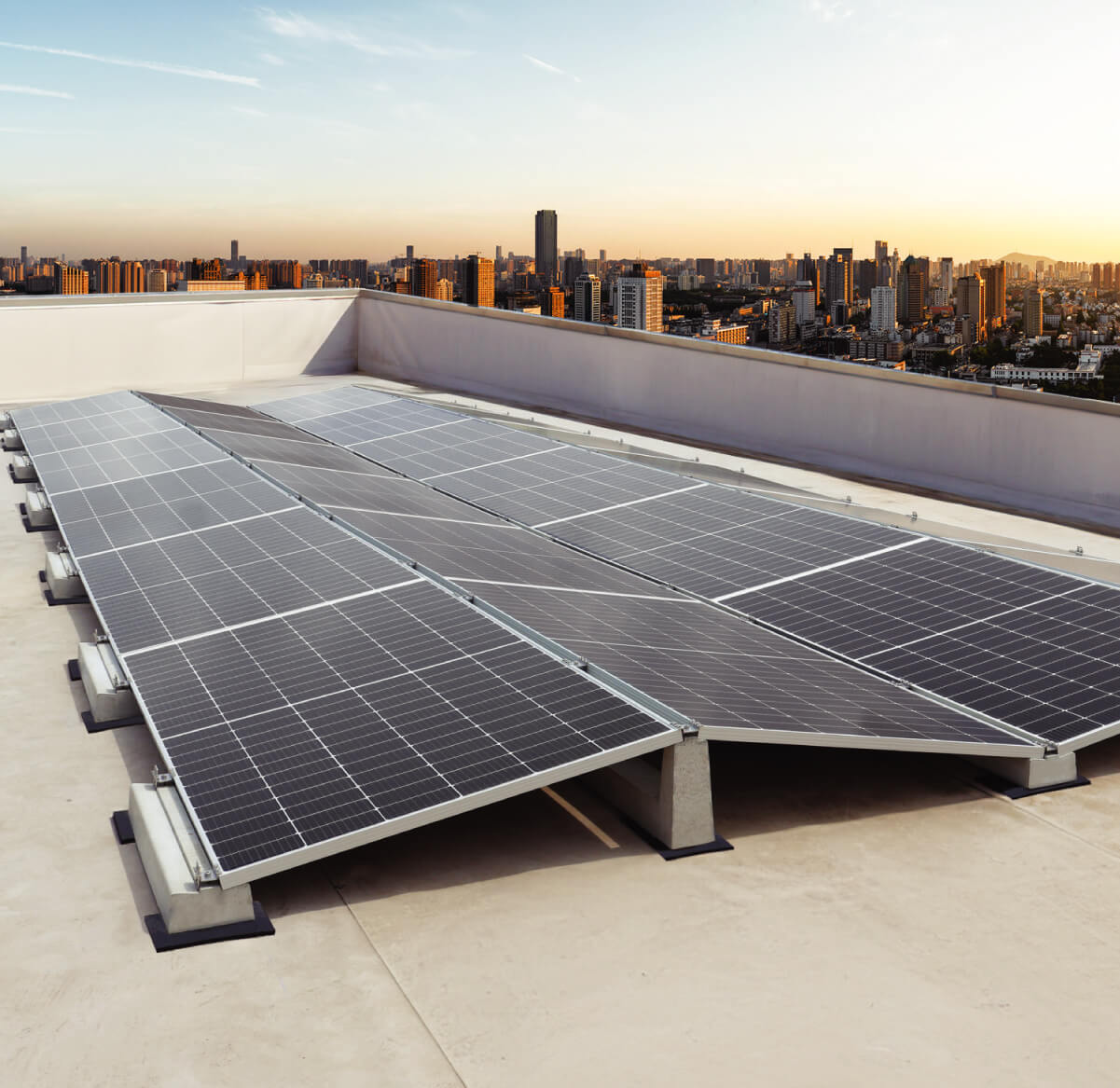
Flat roof ballast solar panel mounting is one of the smartest ways
to build a PV system on commercial and industrial buildings across Italy, especially where
waterproofing integrity is a priority. Instead of drilling through the membrane, ballast-based
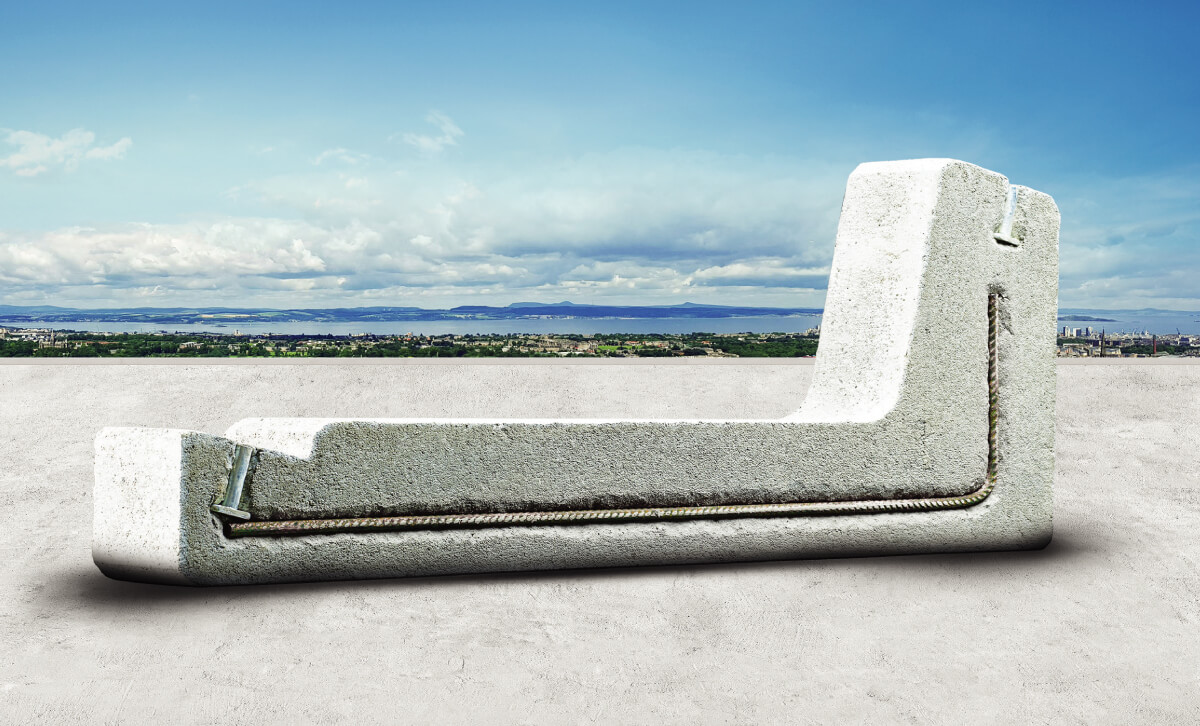
racking uses precast concrete weights to keep modules stable while preserving the roof cover.
For installers, that means fewer steps, fewer accessories, and a cleaner workflow on site—often
translating into shorter installation times and fewer surprises during commissioning.
From a technical perspective, a well-designed ballasted PV structure helps manage wind uplift
and mechanical loads through tested geometries and verified configurations. This matters on flat
roofs where exposure can be high and where designers must document calculations and compliance.
With flat roof ballast solar panel mounting, you can match tilt angles, row spacing, and layout
to energy targets while keeping the roof safe from penetrations and related leak risks.
For distributors and wholesalers, these systems are easier to explain and stock: recognizable
concrete ballast components, clear application fields, and consistent demand in the rooftop
solar market. If your goal is to deliver reliable, repeatable flat-roof installations—without
adding complexity—ballast mounting is a practical solution that supports speed, safety, and
long-term durability.
Key Benefits: Speed, Simplicity, and Reduced
Roof Risk
The biggest advantage of flat roof ballast solar panel mounting is
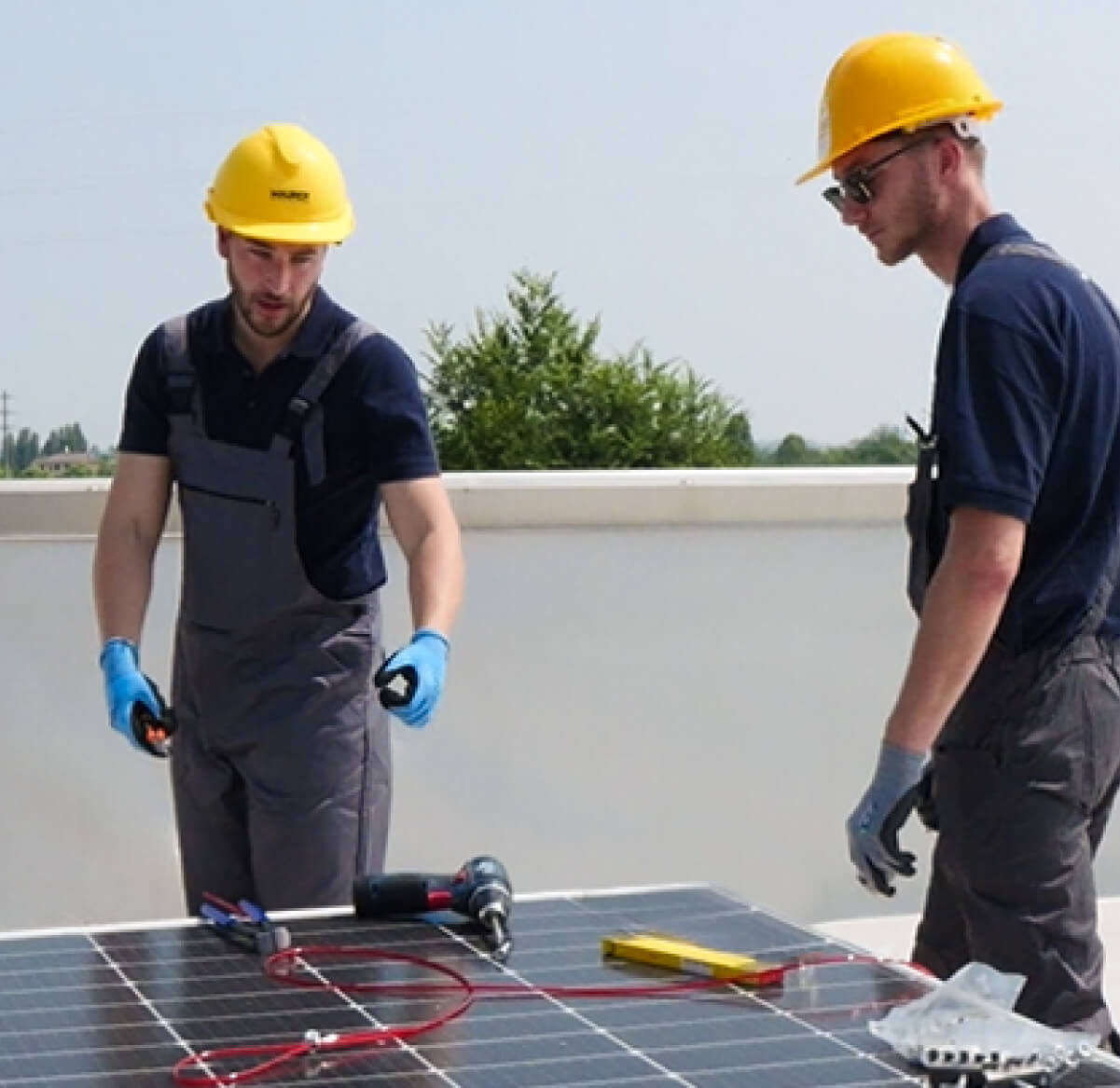
how it simplifies the job for the people who actually build systems every day. No penetrations
means no time spent coordinating roof warranties, no dependency on special sealing procedures,
and fewer concerns about water ingress. Installers can focus on alignment, cable management, and
electrical quality—where performance is won or lost.
Ballasted systems also reduce the number of small components that typically slow crews down.
With a straightforward assembly logic, teams can move faster across large surfaces such as
warehouses, logistics hubs, and production facilities. In practice, that speed is profit:
quicker handover, fewer delays, and more projects completed per season.
Another benefit is predictability. With a proven concrete ballast approach, you can standardize
your method across different flat roofs, adapting configurations based on site conditions such
as parapets, roof zones, and wind exposure. When supported by technical documentation and sizing
assistance (wind, loads, and layout), flat roof ballast solar panel mounting becomes not just a
product choice, but a reliable process that reduces risk for both installers and designers.
What Professionals Should Look For in a
Ballasted Mounting Solution
Choosing the right flat roof ballast solar panel mounting system
starts with practicality on site and confidence on paper. Installers should look for solutions
that minimize parts, speed up positioning, and stay intuitive even for large arrays. Clear
assembly steps, robust hardware, and well-thought-out cable routing options make a real
difference when you’re working against weather, deadlines, and rooftop safety constraints.
Designers and engineers, meanwhile, need certified, tested configurations and dependable data
for wind-load verification and structural checks. A solid partner will support the project from
early design to execution, helping with array sizing, layout optimization, and technical
clarification. That support reduces design liability and streamlines approvals.
Finally, prioritize durability. Concrete ballast designed for rooftop PV should be built for
long service life, stable geometry, and consistent performance in real conditions. When these
elements come together, flat roof ballast solar panel mounting delivers exactly what the Italian
B2B solar market demands: fast installation, fewer roof risks, and a system that professionals
can confidently specify, sell, and install again and again.