Why an ETN Certified Racking System Matters on
Italian Flat Roofs
In Italy’s fast-moving PV market, choosing an ETN certified
racking system is more than a compliance checkbox: it is a practical way to reduce risk, speed
up approvals, and protect your margins on flat-roof installations. ETN certification helps
designers, installers, and distributors rely on verified performance data, improving confidence
when dealing with wind loads, roof constraints, and project documentation. For installers, the
biggest advantage is predictability on site—fewer surprises, fewer custom fixes, and a clearer
installation workflow. For engineers and technical offices, an ETN certified racking system
supports safer design choices thanks to tested configurations, dependable calculations, and
traceable technical information. On flat roofs, where penetrations can introduce waterproofing
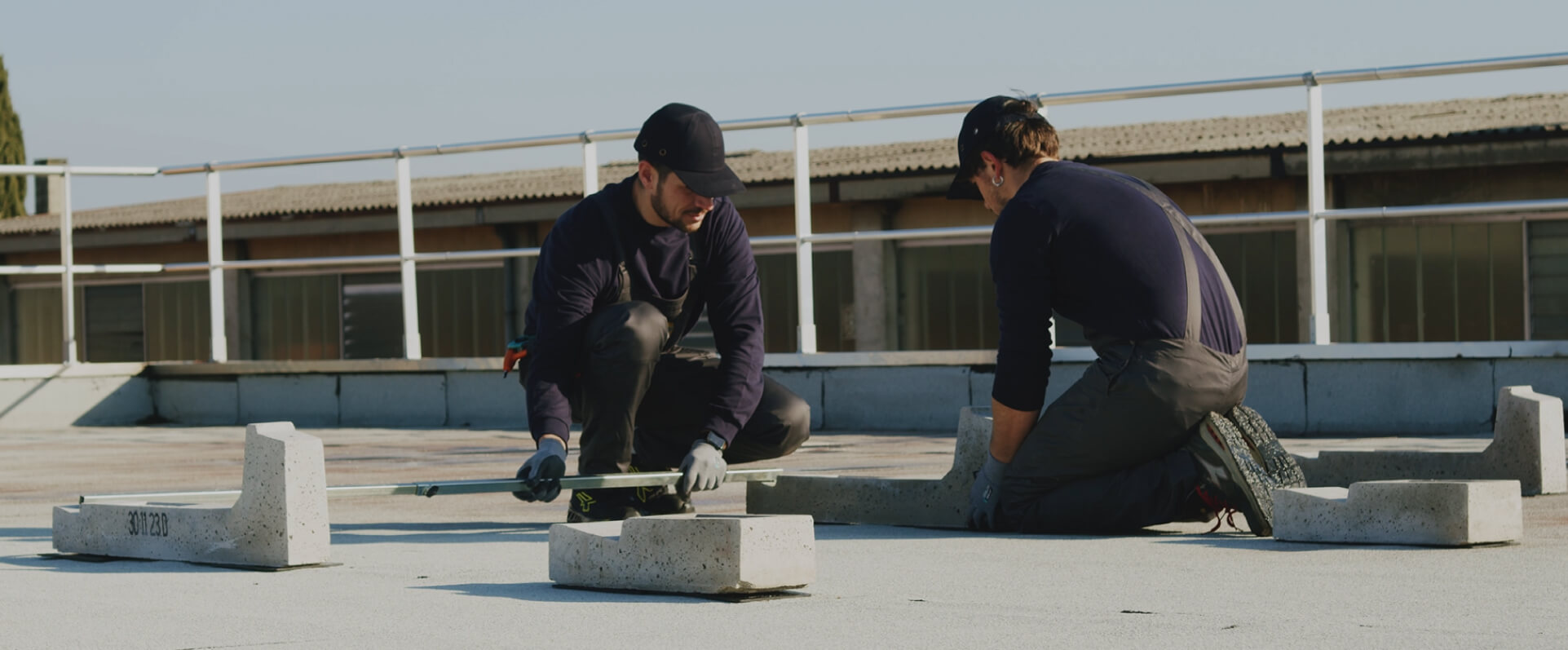
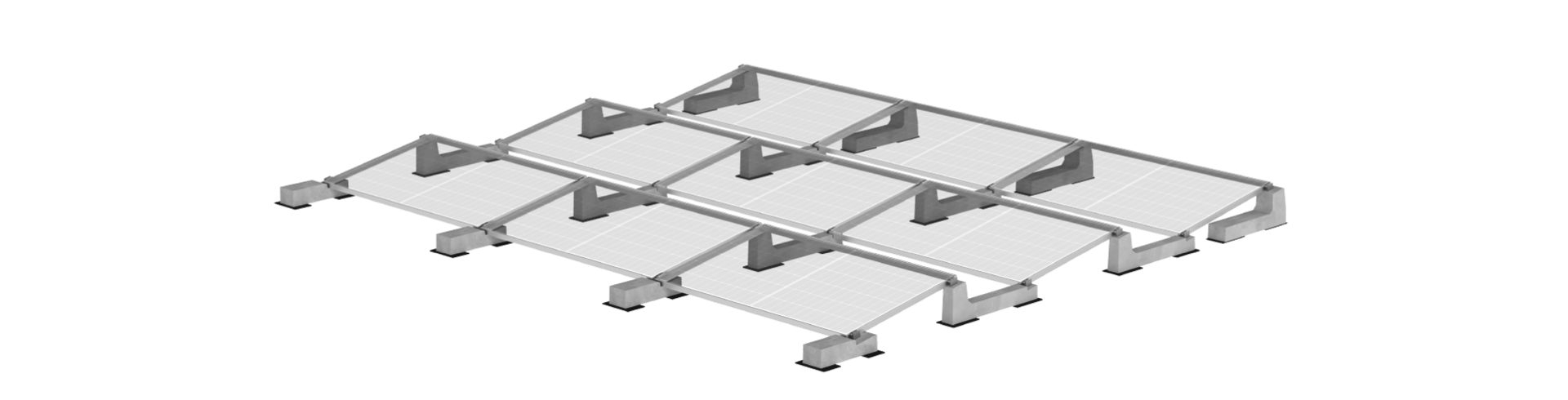
risks, a ballast-based approach can make a real difference. Concrete ballast solutions allow PV
modules to be installed without drilling the membrane, reducing the likelihood of leaks and
cutting down on time-consuming remediation work. This means quicker mounting, less roof
disturbance, and simpler logistics—especially valuable when managing multiple rooftop plants. If
your goal is to deliver projects that are safe, repeatable, and easy to maintain, aligning your
solution with an ETN certified racking system is a strong step forward for Italian rooftops and
the professionals who build on them.
Faster Installation with Ballasted, No-Drill
Support Structures
Flat-roof PV often fails on execution, not design: too many
components, too much measuring, and too many roof details to work around. A ballasted structure
simplifies the process by reducing hardware and avoiding anchoring points, which can accelerate
crew productivity. With a streamlined layout, installers can place supports, set module angles,
and route cables with fewer steps. That translates into shorter installation times, easier
training for teams, and more consistent outcomes across different sites. Using an ETN certified
racking system alongside concrete ballast also improves stakeholder confidence—building owners,
technical directors, and safety coordinators appreciate solutions that combine speed with proven
reliability. Related considerations such as aerodynamic behaviour, load distribution, and wind
uplift become easier to manage when the system is designed specifically for flat roofs. For
distributors, this clarity helps sales: a recognisable, certified solution is easier to explain,
easier to specify, and easier to stock. The result is a PV mounting solution that supports
operational efficiency while keeping the roof intact—an important advantage in Italy, where roof
conditions and waterproofing requirements can vary significantly from one building to another.
A Technical Partner Approach: Design Support,
Sizing, and Execution
Selecting an ETN certified racking system is also about having
dependable technical support behind it. In B2B solar, professionals need more than a product
sheet: they need help with project sizing, wind and load checks, layout optimisation, and
documentation that stands up to scrutiny. A partner-style approach reduces engineering workload,
limits design liability, and speeds up decision-making from feasibility to installation. For
installers, this means fewer callbacks and smoother handovers; for designers, it means working
with consistent data and tested solutions; for wholesalers, it means a stable offer that meets
market expectations. When the mounting solution is built around concrete ballast for flat roofs,
you gain a practical advantage: fast, intuitive installation without roof perforation, while
maintaining solid, durable support. If you want to standardise your rooftop PV workflow in
Italy—delivering safer projects, fewer delays, and reliable results—an ETN certified racking
system paired with a no-drill, ballasted design is a persuasive choice that supports
performance, compliance, and long-term trust.