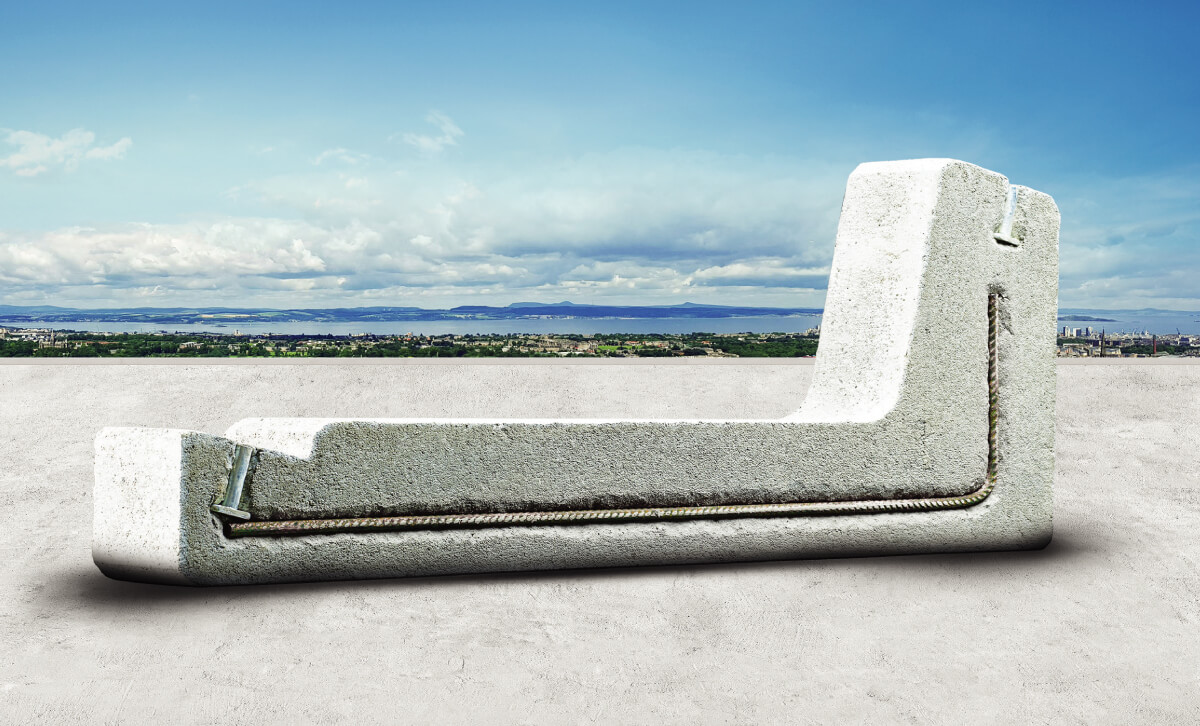
A smarter ballast alternative PV mounting
system for flat roofs
For many Italian flat-roof projects, the fastest way to reduce
installation risk is to choose a ballast alternative PV mounting system that avoids roof
penetrations while keeping performance predictable. Traditional fixed-to-roof structures can add
complexity: drilling, waterproofing details, long lead times, and higher liability if something
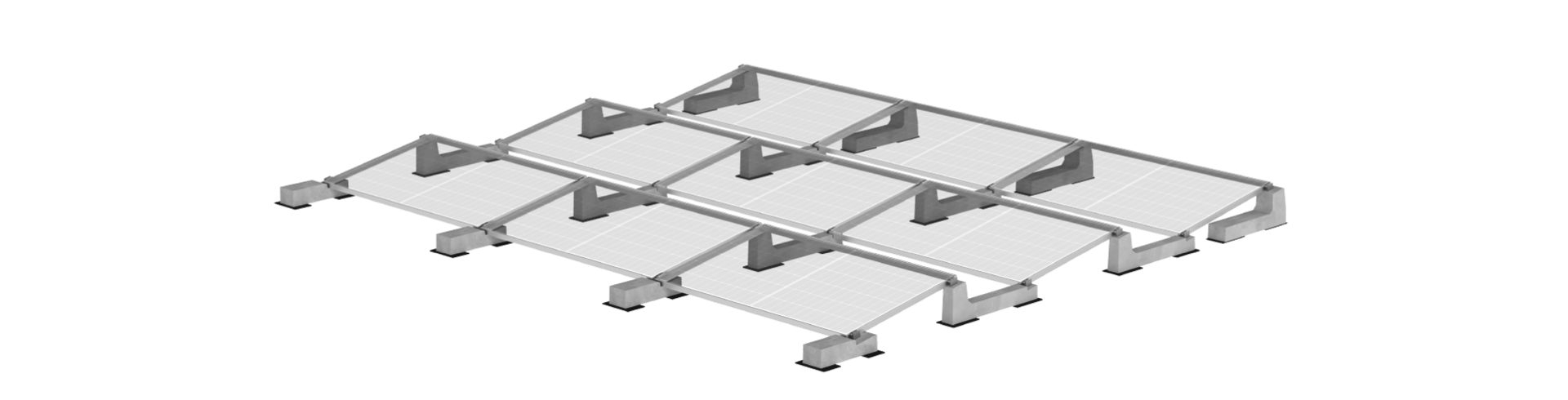
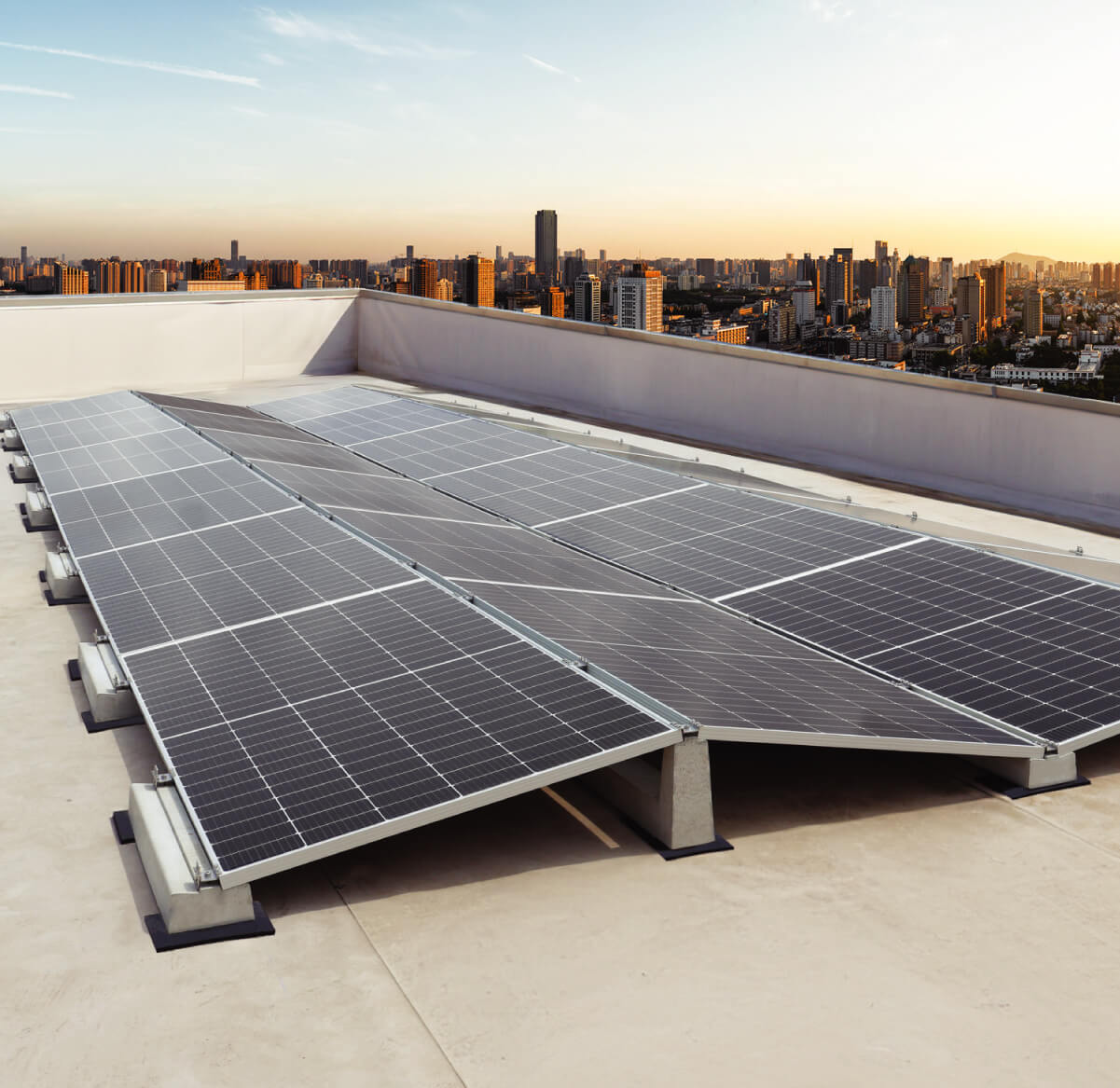
goes wrong. A well-engineered ballasted PV mounting solution changes that approach by using
pre-designed concrete weights to stabilize the array without compromising the roof membrane. For
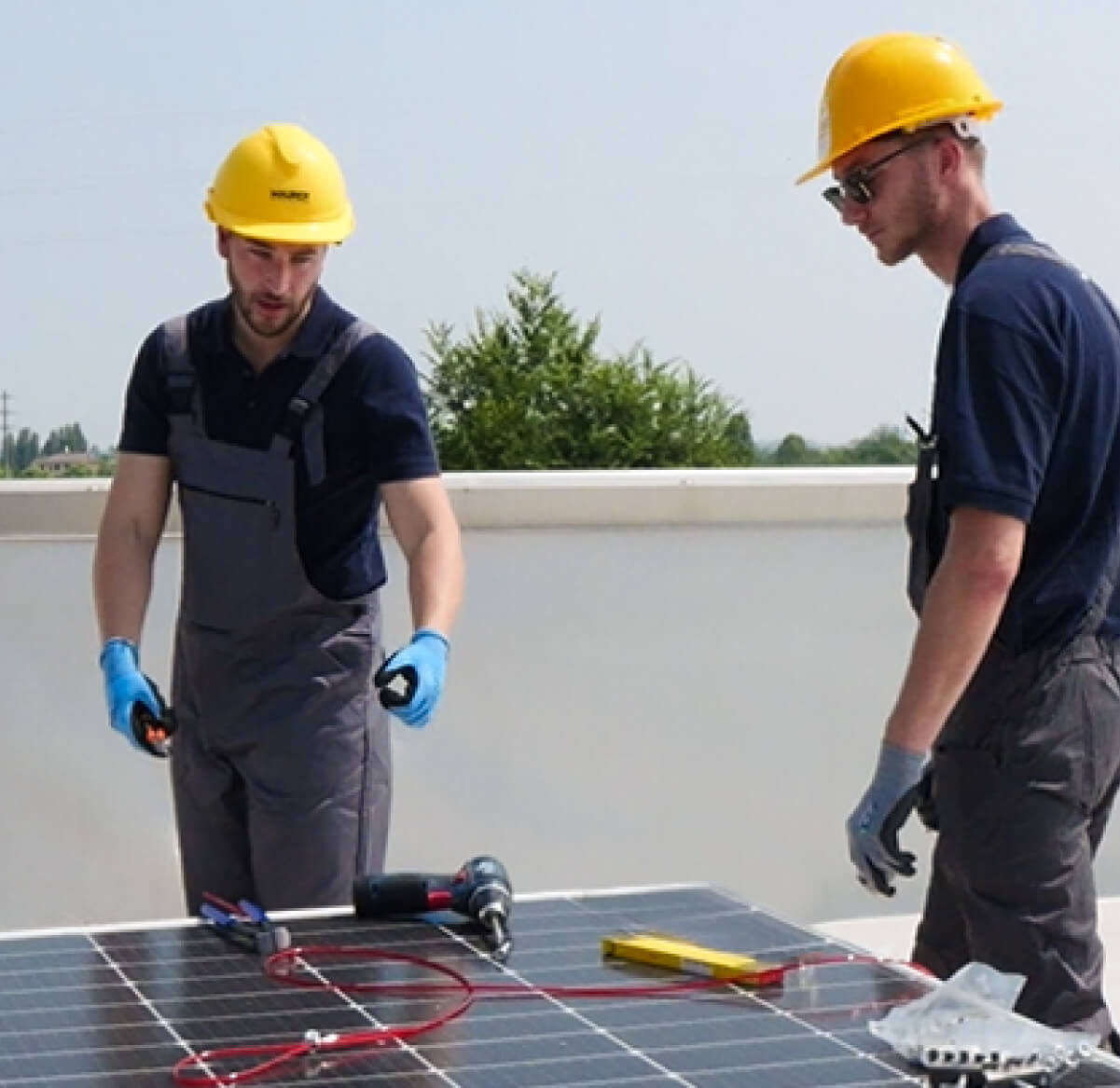
installers, that means fewer components to handle, simpler assembly on site, and less time spent
solving unexpected issues. For designers and engineers, it means clearer data for load
calculations, more consistent geometry, and a mounting method that is easier to document in
project specifications. In Italy—where many commercial buildings have large flat roofs—speed and
repeatability matter. A ballast-based approach also helps when roof conditions are uncertain or
when the client wants minimum disruption. Instead of fighting with anchors, you can focus on
layout, cable management, and commissioning. If you’re looking for a reliable ballast
alternative PV mounting system that supports rapid deployment and reduces waterproofing
concerns, the key is selecting a tested solution with proven stability and a workflow that
supports both site crews and technical offices.
Why installers choose a non-penetrating,
ballasted approach
Installers are under constant pressure to deliver more kilowatts
in less time. A ballast alternative PV mounting system helps by simplifying the entire process:
fewer roof interfaces, fewer fasteners, and fewer steps that require specialized waterproofing.
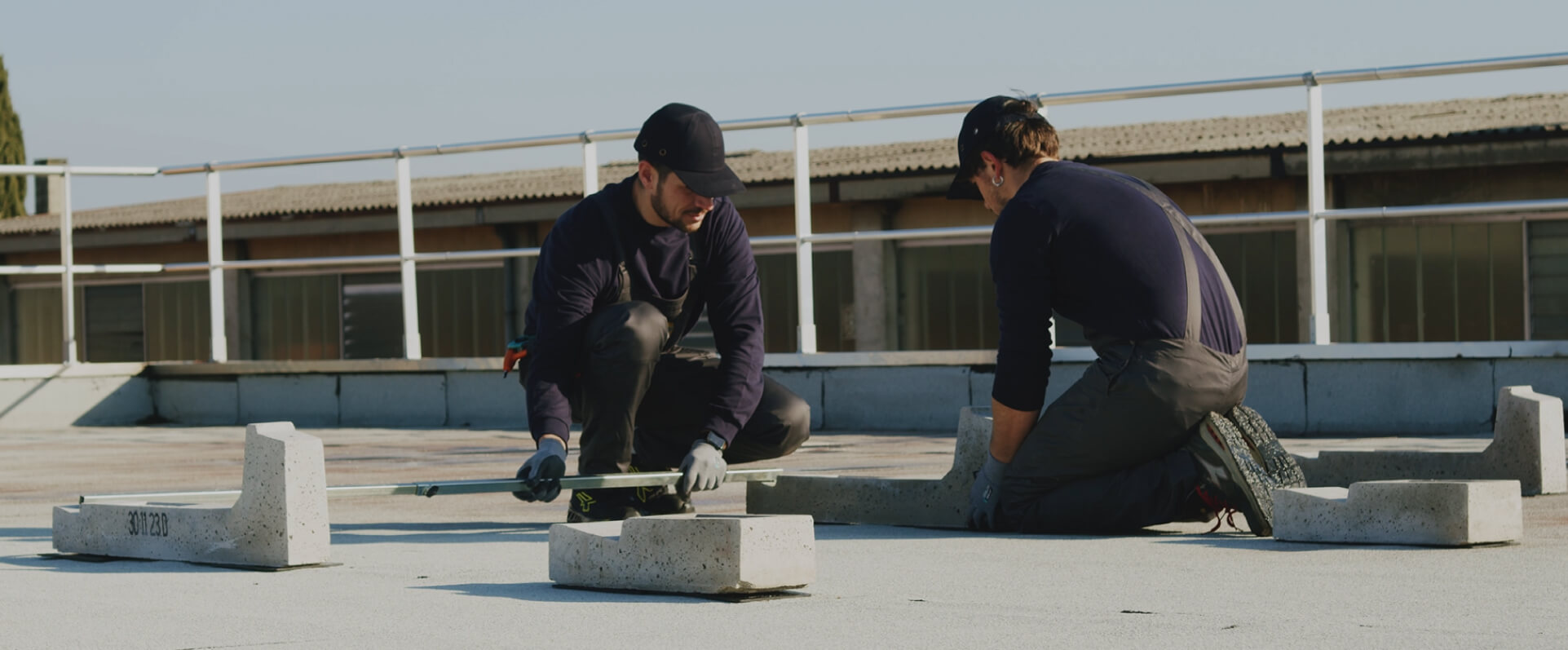
Because the structure is stabilized by concrete ballast, the crew can place supports, align
modules, and proceed quickly—often with a more intuitive on-roof workflow. This is especially
valuable on industrial roofs where access windows are tight and downtime must be minimized. A
ballasted solar racking design can also reduce common on-site headaches such as misaligned
anchors, unexpected roof stratigraphy, or delays waiting for approvals related to penetrations.
The result is a cleaner installation, easier quality control, and a more predictable schedule.
When paired with clear layout rules and standardized components, the system becomes repeatable
across multiple sites, which is exactly what professional PV installers need to scale. In short:
faster installation, fewer risks, and a mounting concept that’s easier to explain to the
customer and to the site supervisor.
Technical support and reliable sizing for wind
and loads
For engineers and technical offices, choosing a ballast
alternative PV mounting system is also about confidence in calculations. Wind uplift, roof load
limits, and array geometry must be addressed with reliable parameters. A tested ballasted PV
mounting system provides consistent support positions and repeatable module tilt options, making
it easier to size the plant and produce documentation for permits and internal approvals. Just
as important is having technical support throughout the project: from preliminary feasibility to
detailed design, including help with system sizing, verification of loads, and practical
guidance up to execution. This partner-style approach reduces design uncertainty and helps teams
manage responsibility more effectively. Distributors benefit too, because a proven, easy-to-spec
solution is easier to sell and easier to support after delivery. If your goal is to make
flat-roof PV in Italy safer, faster, and more efficient, prioritize a non-penetrating, ballasted
solution with durable materials, validated performance, and professional project assistance—so
every installation feels controlled, repeatable, and built to last.