Why ballast blocks for solar are the smart
choice on Italian flat roofs
Installing PV on flat roofs in Italy often means balancing speed,
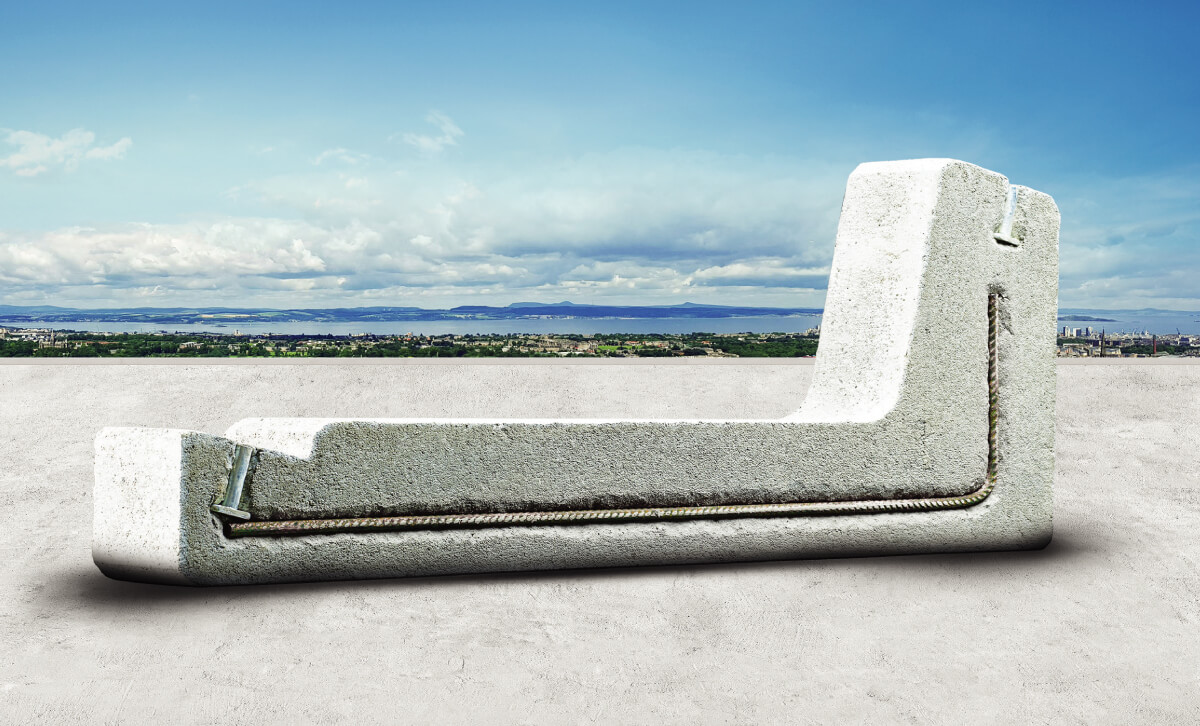
safety, and long-term reliability. That’s why ballast blocks for solar have become a go-to
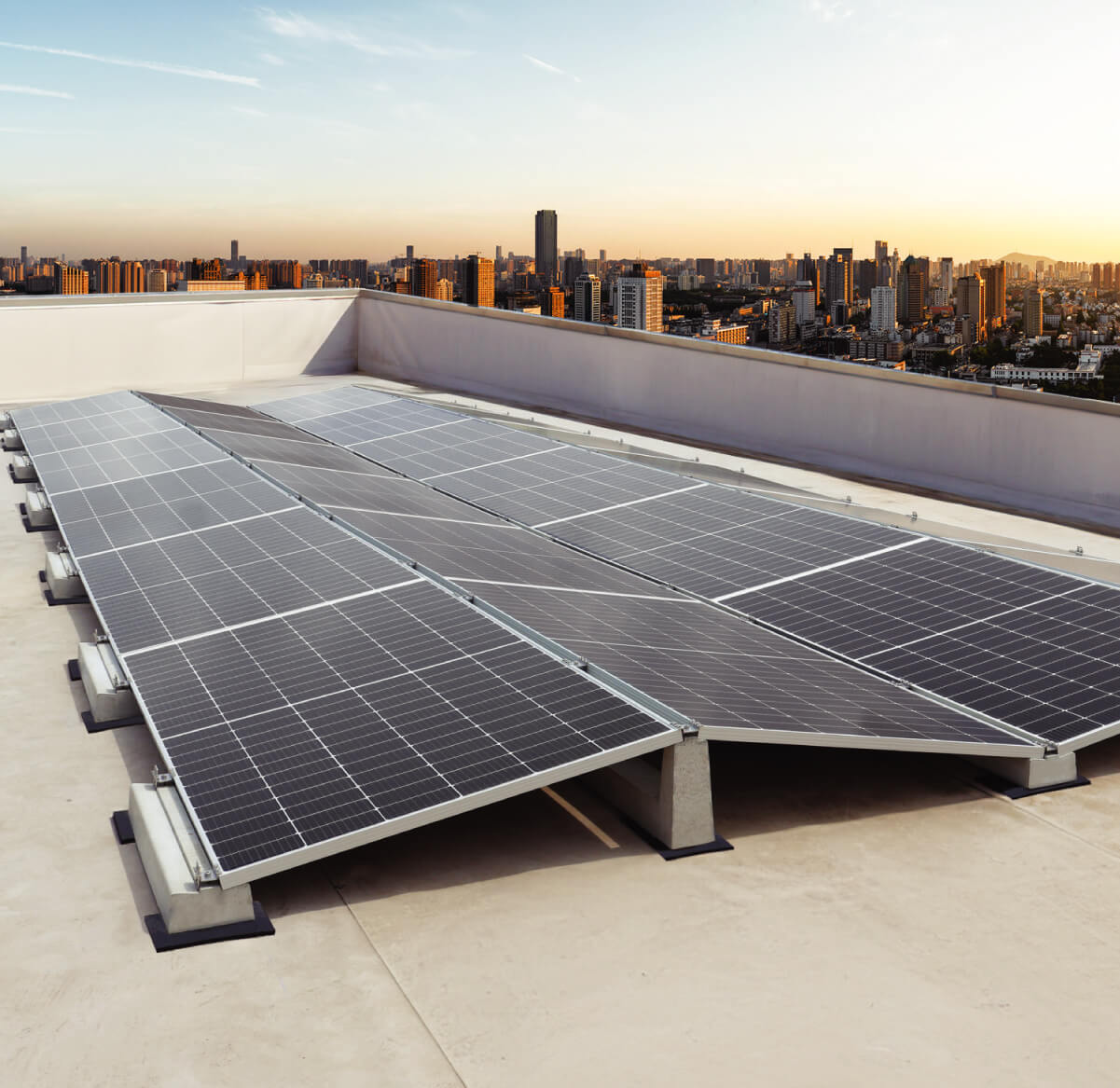
solution for professional installers and designers. By using concrete ballast to secure modules,
you can avoid roof penetrations altogether—no drilling, fewer waterproofing concerns, and a
cleaner jobsite workflow. The result is a faster installation with fewer components to manage,
especially on commercial buildings and industrial sheds where time on site directly impacts
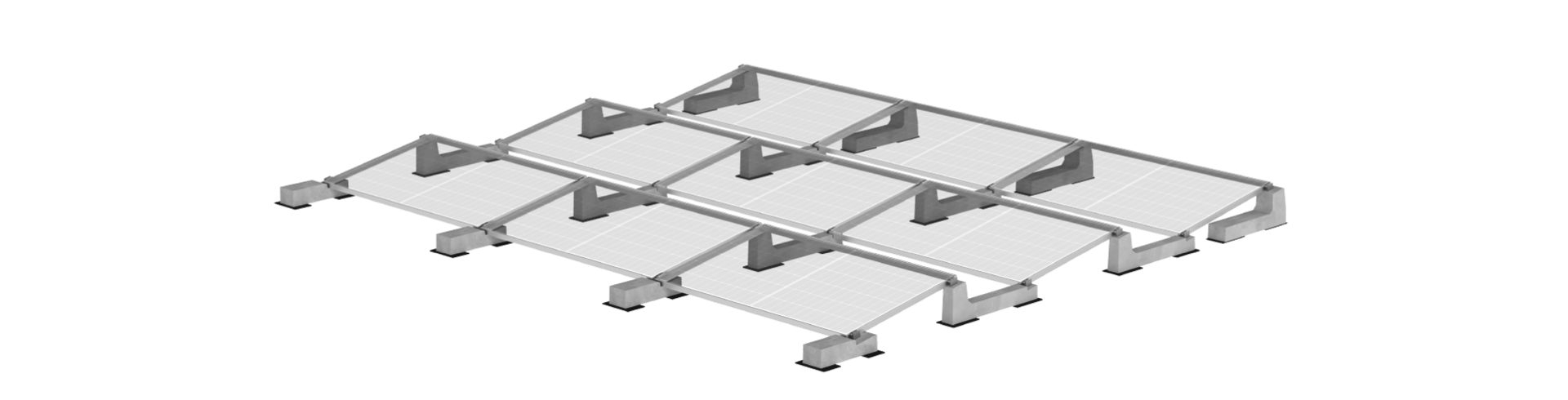
margins. Modern photovoltaic ballast systems are engineered to support common panel layouts
while respecting roof load limits and wind exposure. For technical teams, this approach also
simplifies specification: you work with tested configurations, predictable weights, and clear
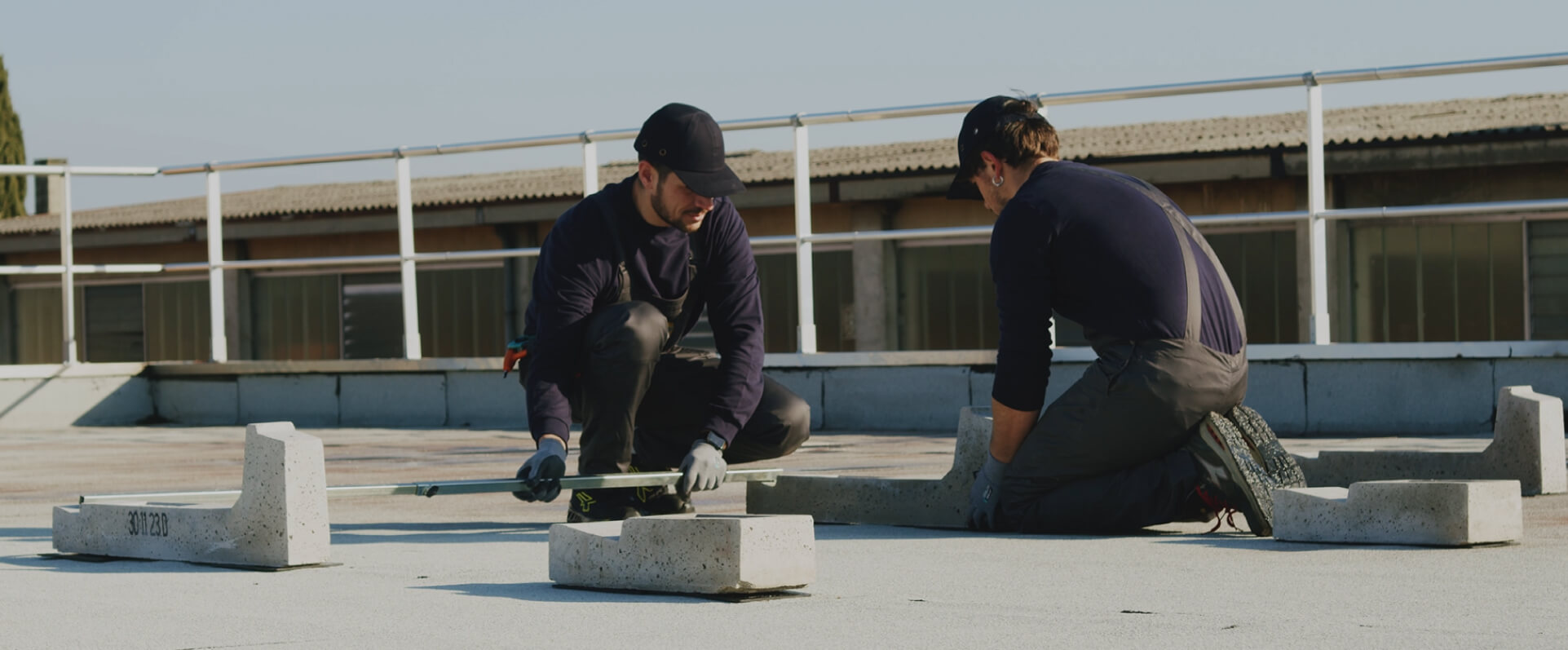
installation logic. For installers, it’s about practicality—placing preformed blocks, aligning
modules, and moving on without complicated substructures. For distributors, it’s an
easy-to-explain product category with steady demand driven by the growth of rooftop solar. If
your priority is to reduce risk, speed up installation, and deliver a robust flat-roof PV
solution, ballast blocks for solar are a strong foundation—literally and operationally.
Designed for faster installs: fewer parts,
fewer headaches
On site, complexity is the enemy. A well-designed solar ballasted
mounting system minimizes loose hardware and avoids time-consuming roof fastening. Concrete
ballast blocks for solar are typically shaped to guide module positioning, helping crews work
quickly and consistently across large surfaces. This translates into shorter installation times,
fewer chances for errors, and smoother handovers. Just as important, a no-penetration approach
reduces the common risks tied to roof anchors: leaks, membrane damage, and callbacks months
later. For installers, that means more predictable schedules and happier clients. For engineers,
it means a solution that can be integrated into project planning with reliable technical
documentation and clear load distribution. When you can rely on proven layouts and
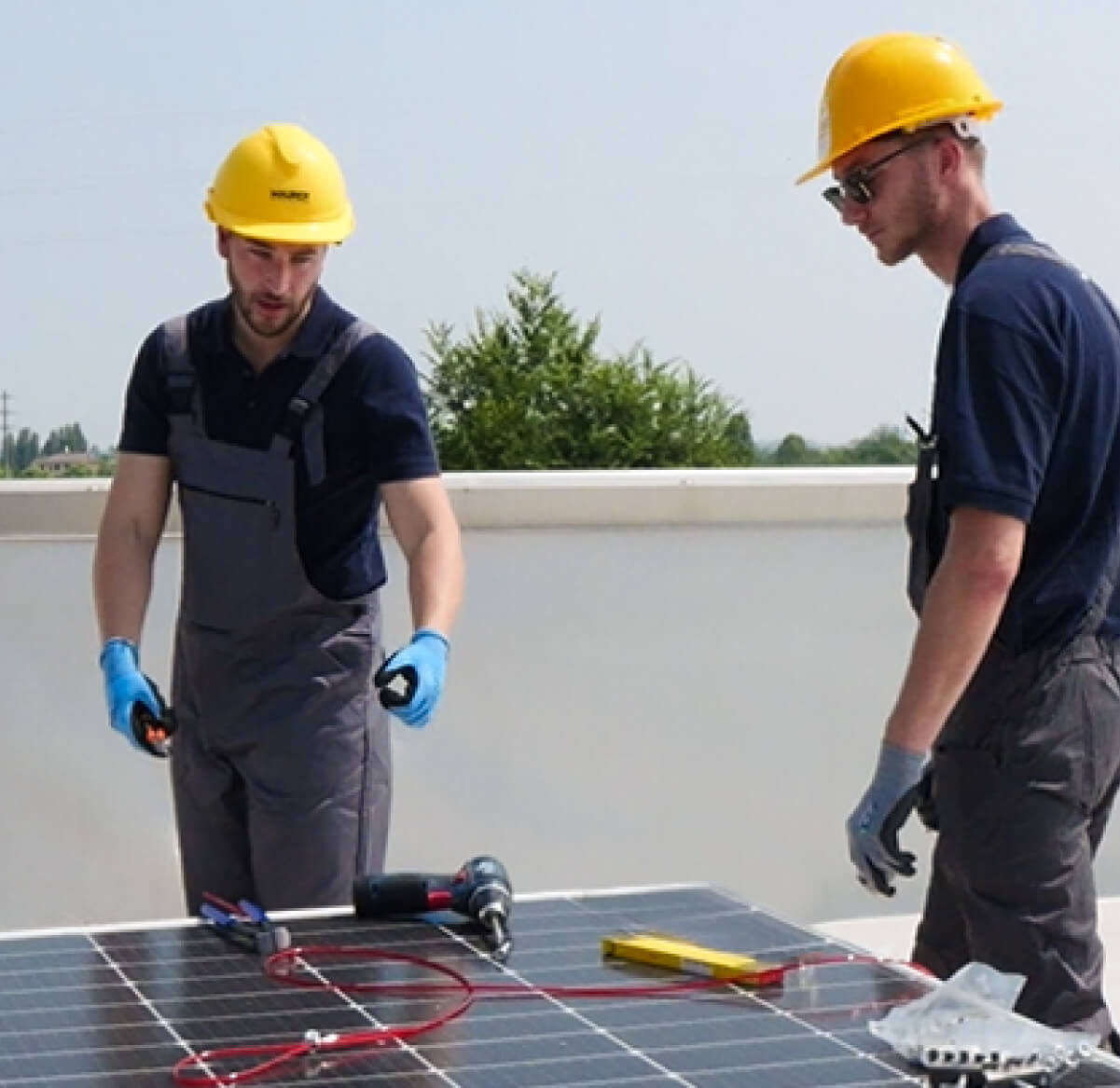
straightforward assembly, you spend less time troubleshooting and more time delivering
energy-producing systems.
Technical partner support: sizing, wind loads,
and project execution
Choosing ballast blocks for solar is not only about the
product—it’s about getting the design right for each roof. Wind uplift, building height,
exposure, and roof capacity all matter, and professionals need dependable inputs for correct
system sizing. The best solutions come with technical support during design, assistance with PV
layout and ballast calculation, and guidance that follows the project through execution. This
reduces the engineering burden and helps installers avoid overballasting, underballasting, or
inefficient configurations. In a B2B market, reliability is measured in tested performance,
durable materials, and repeatable results across many installations. If you work in Italy’s
solar sector and want a flat-roof PV approach that is secure, intuitive, and engineered to
simplify your day, ballast blocks for solar deliver a compelling mix of speed, safety, and
confidence—without ever touching the roof with a drill.