A Smarter Way to Install PV on Flat Roofs in
Italy
Choosing the right ballast flat roof mounting system can make the
difference between a smooth installation and days of unnecessary complexity. On many Italian
flat roofs—industrial sheds, logistics hubs, and commercial buildings—contractors want speed,
safety, and predictability. A ballasted solution answers these needs by securing photovoltaic
modules with concrete weights instead of drilling into the membrane. That means fewer leak
risks, fewer roof-repair headaches, and faster site workflows. For installers, the biggest win
is simplicity: fewer components to manage, intuitive positioning, and a cleaner bill of
materials. For designers and engineers, the value is confidence—tested configurations, reliable
load distribution, and support for wind and ballast sizing. And for distributors, it’s a product
category that’s easy to explain and consistently requested, because it solves a real problem on
real rooftops. A modern flat roof PV mounting approach should also help reduce operational risk:
predictable assembly steps, stable performance over time, and durable materials built for long
service life. If you’re working in B2B solar, a well-designed ballast flat roof mounting system
is not just hardware—it’s a practical installation method that helps you deliver projects on
time, reduce callbacks, and keep teams focused on what matters: generating clean energy
efficiently.
Why Concrete Ballast Matters: Speed, Safety,
and Fewer Unknowns
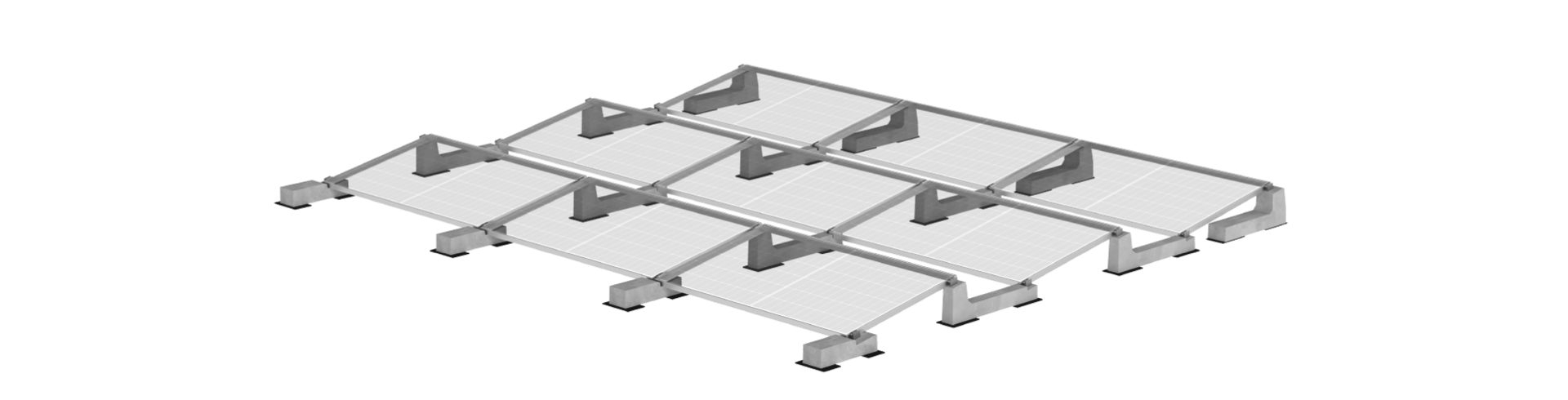
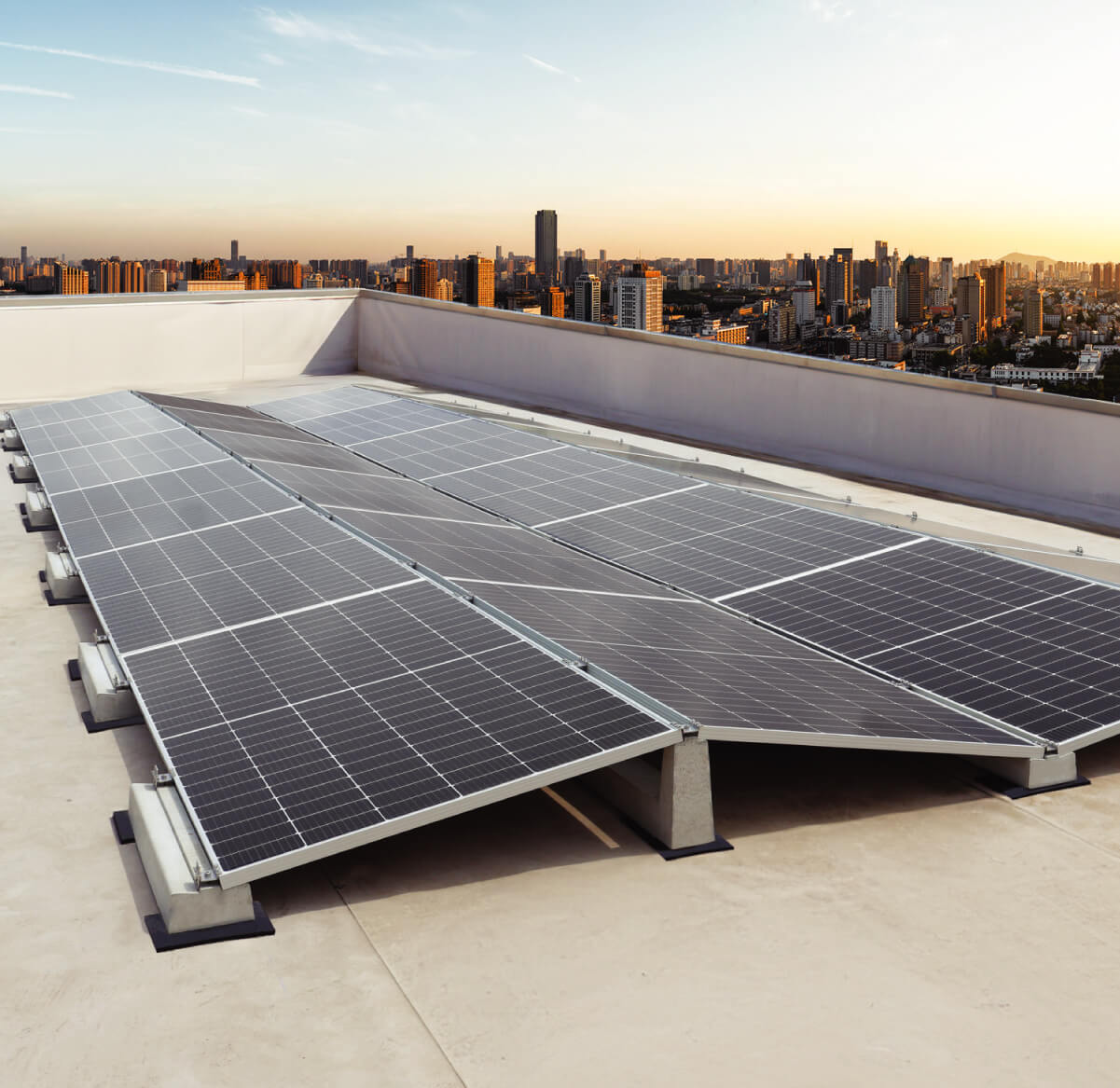
A high-quality ballasted PV racking solution relies on engineered
concrete ballast to keep the array stable under wind uplift and operational loads. Because the
roof covering stays intact, you avoid penetrations that can introduce water ingress points—one
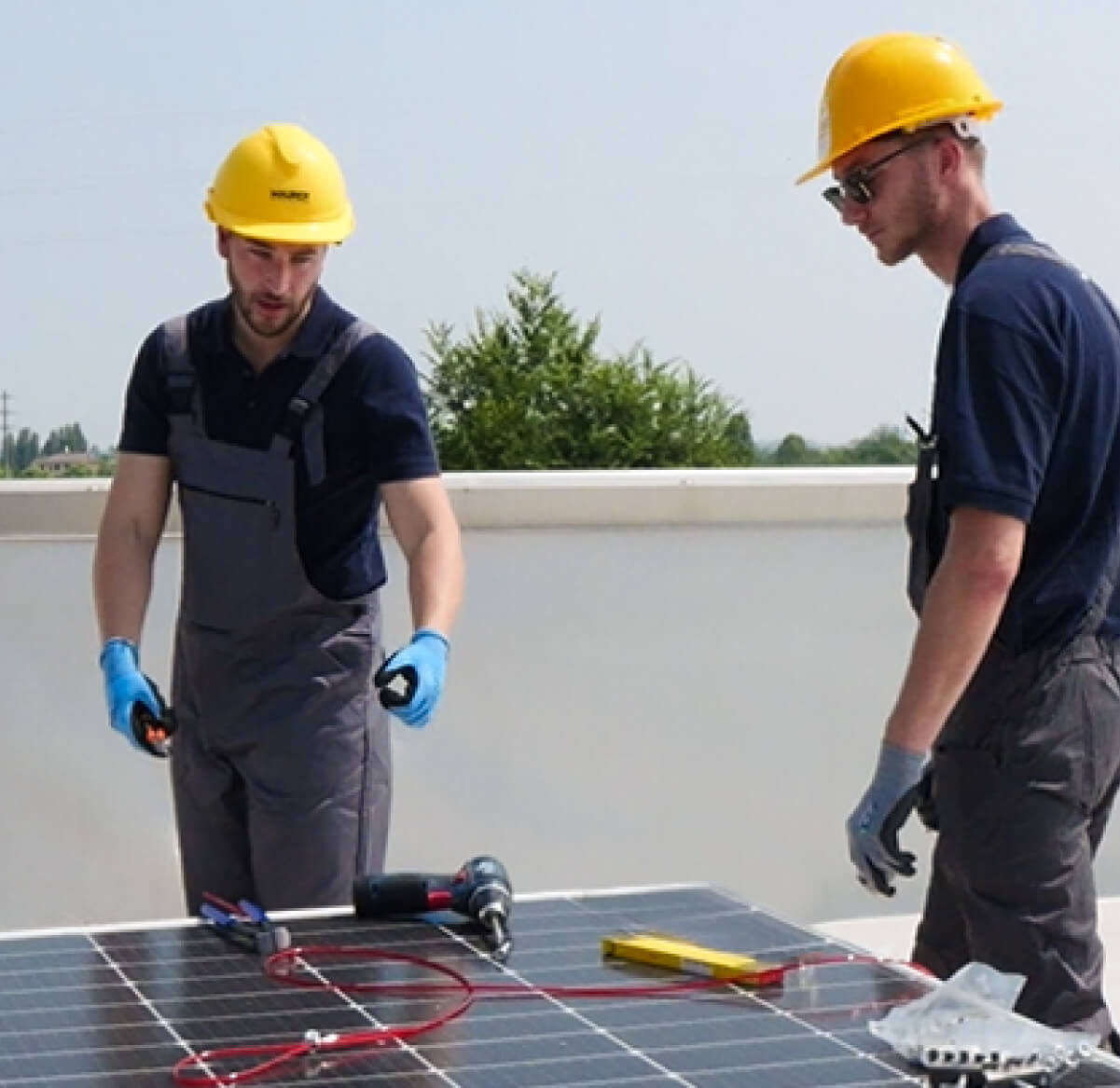
of the most common concerns on flat roofs. Installers benefit from faster assembly and fewer
specialized tools; crews can place supports, set the tilt, and align modules with a repeatable
process. For technical offices, the key is correct system dimensioning: roof zones, exposure
category, parapets, row spacing, and module layout all influence ballast requirements. Having
access to technical guidance and calculation support reduces design time and helps manage
project responsibility. In addition, a well-planned ballast flat roof mounting system can
simplify logistics on site by limiting the number of small parts and reducing the chance of
missing components. When deadlines are tight and rooftop access is limited, that kind of
reliability becomes a competitive advantage.
What Professionals Should Look For in a
Ballast Flat Roof Mounting System
When evaluating a ballast flat roof mounting system for Italy’s
solar market, focus on three priorities: reliability, simplicity, and innovation. Reliability
means robust, tested structures, clear documentation, and long-term durability in outdoor
conditions. Simplicity means quick installation with fewer components, straightforward
alignment, and practical handling on the roof—especially important for crews installing multiple
projects per month. Innovation means solutions that keep improving: optimized geometries,
adaptable configurations for different tilts, and options suited to varied flat roof layouts.
Professionals should also consider the availability of technical support during design,
including assistance with array sizing, load checks, and project development through execution.
The best outcomes happen when the mounting system is treated as a complete solution—not just a
set of parts. With the right approach, you can cut installation time, reduce roof-related risk,
and deliver a cleaner, more efficient PV project that performs as expected from day one.