Why ballast for solar panels is the smart
choice for flat roofs
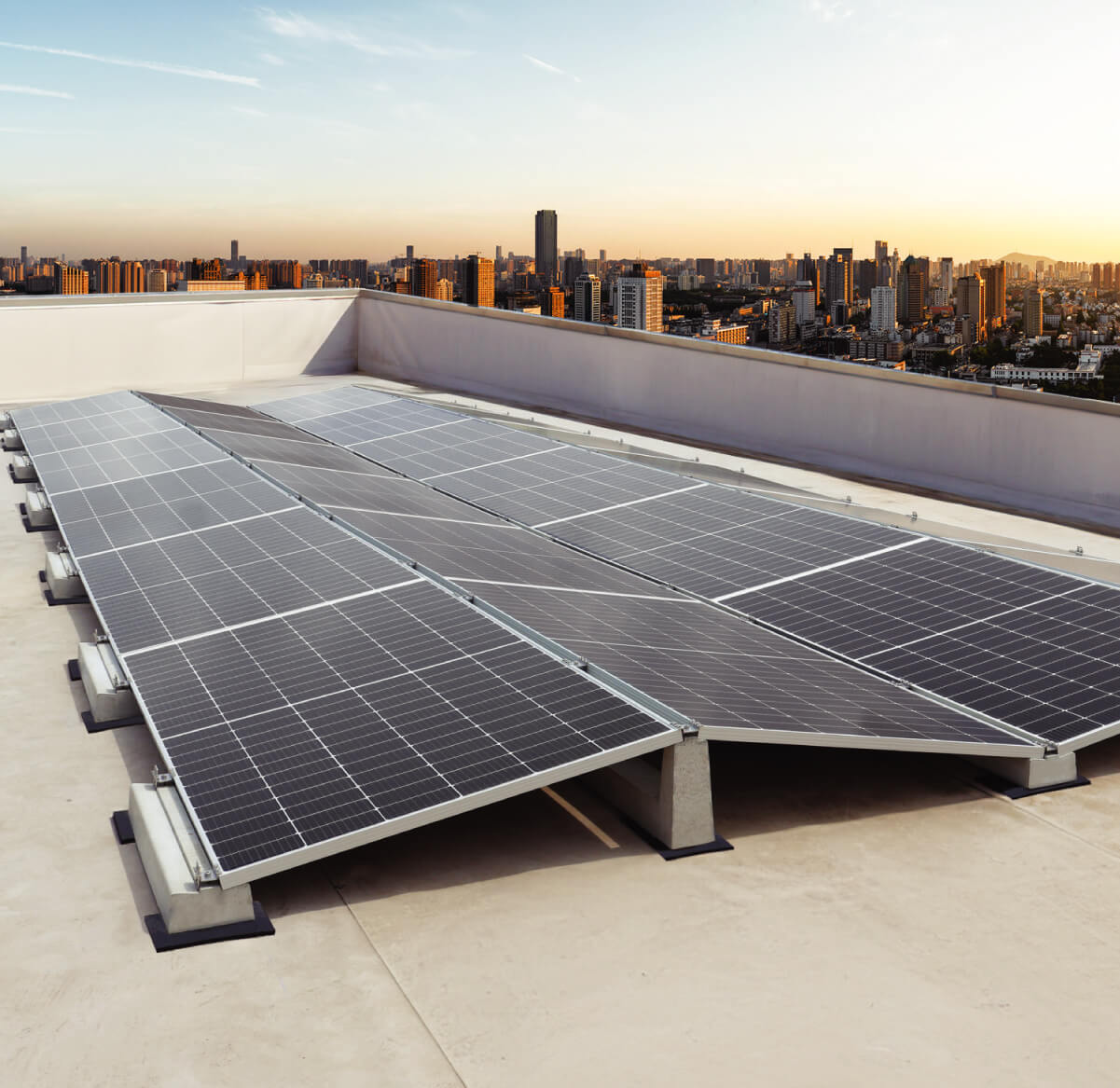
Installing PV on a flat roof should feel straightforward—not like
a fight against time, drawings, and roof warranty risks. That’s why ballast for solar panels has
become a go-to solution across Italy for commercial buildings, warehouses, and industrial
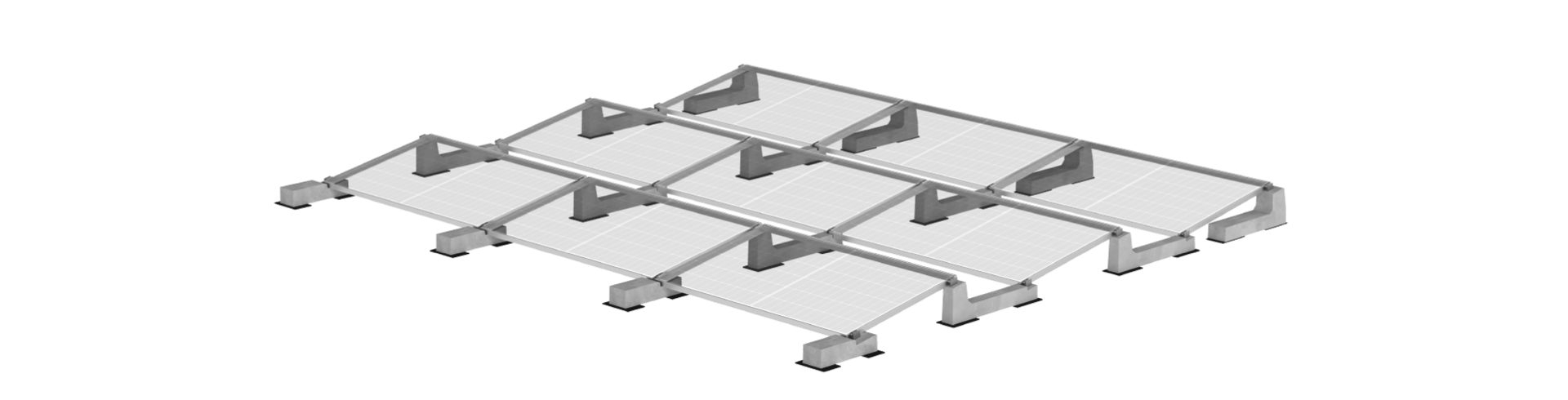
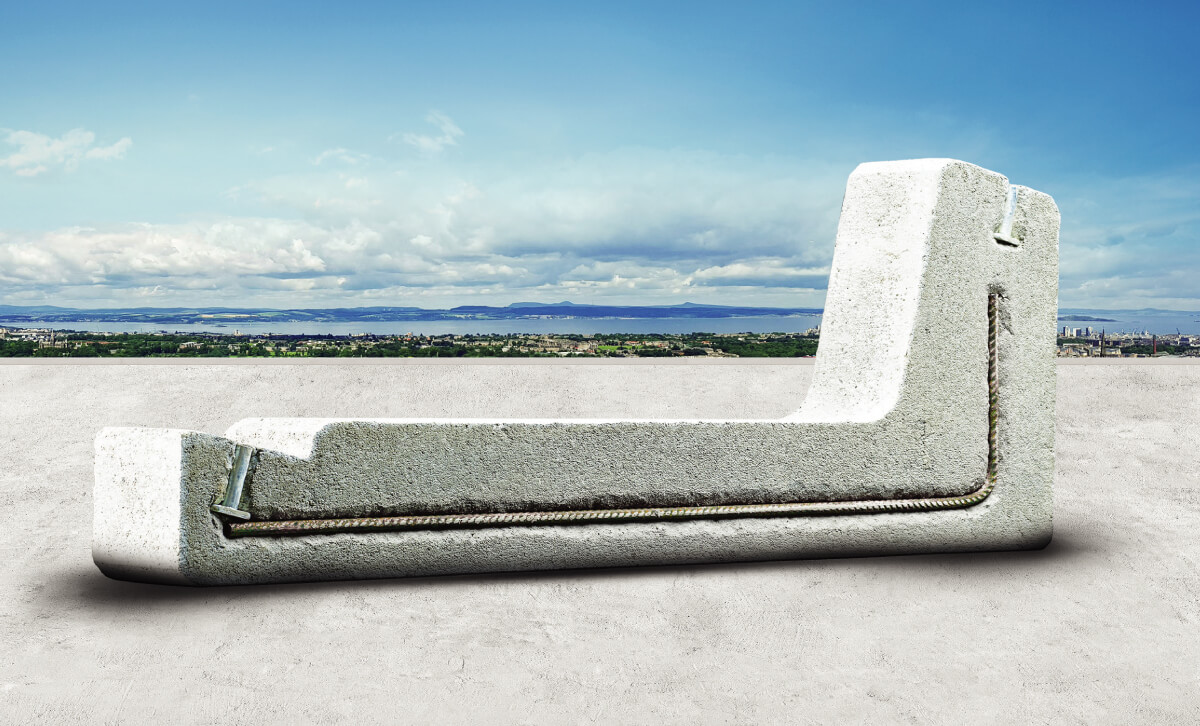
rooftops. Instead of drilling through the waterproofing layer, a ballasted mounting system uses
concrete weights to keep modules stable, helping you avoid penetrations, reduce leakage risk,
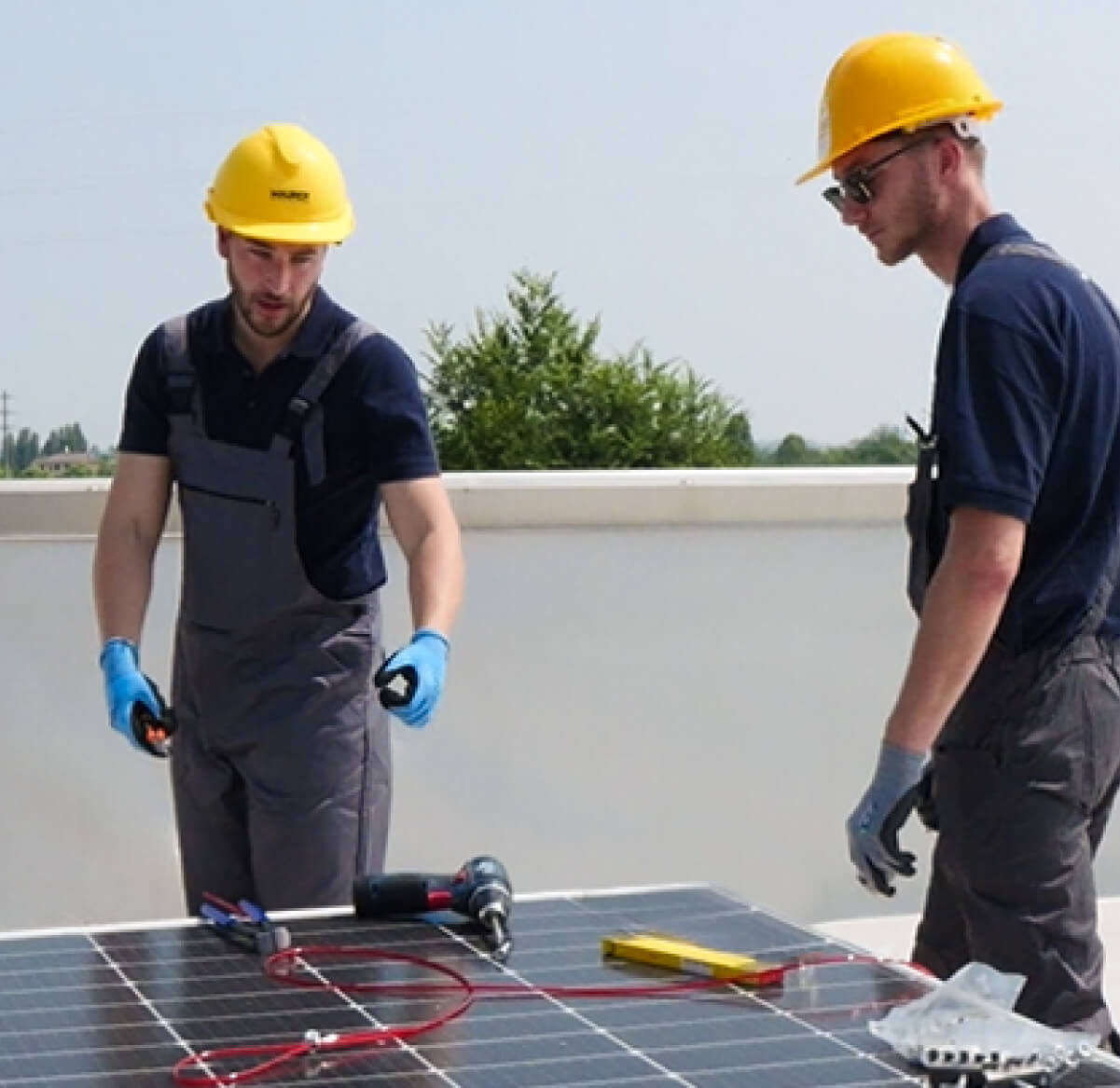
and speed up on-site work. For installers, this often means fewer components to handle, simpler
logistics, and a cleaner workflow from unloading to final tightening. For designers and
engineers, a well-developed ballasted PV system can provide clear data for wind uplift, roof
loads, and layout constraints—critical when every project has different parapets, obstacles, and
exposure zones. And for distributors, it’s an easy-to-explain product category with consistent
demand: a reliable way to mount solar panels on flat roofs while protecting the roof membrane.
In short, if your priority is fast installation, predictable performance, and a safer approach
to the roof, ballast for solar panels is a practical, field-proven option that aligns with how
modern PV projects are delivered in Italy.
Key benefits: faster installs, fewer risks,
reliable performance
A quality ballast for solar panels system is built around one
simple idea: keep the array secure with weight and smart geometry, not invasive fixings.
On-site, that translates into real advantages. First, installation speed: pre-defined supports
and reduced hardware can cut assembly time, especially on large flat roofs where repetition
matters. Second, risk reduction: no roof drilling helps protect waterproofing membranes and can
simplify coordination with building owners concerned about leaks and warranty conditions. Third,
stability: properly engineered concrete ballasts are designed to manage wind loads and maintain
module positioning over time, supporting long-term durability. From a technical perspective, the
best systems make it easier to plan string layout, tilt angle, row spacing, and maintenance
pathways—without adding unnecessary complexity. Designers also benefit from support during the
sizing phase, including help with wind zones, ballast distribution, and roof load checks.
Commercially, it’s a compelling value proposition: a robust, tested solution that lowers labor
time and minimizes costly callbacks. If you’re an installer aiming to close more projects per
month—or an engineer looking for dependable calculations—ballast for solar panels can be the
difference between a stressful build and a smooth handover.
What to look for in a ballasted PV solution
for the Italian market
Not all ballast for solar panels solutions are equal, and choosing
the right one starts with project reality: roof type, membrane, available surface, and local
wind exposure. Look for systems specifically developed for flat roofs, with concrete elements
designed for repeatable positioning and quick alignment. Practical details matter—integrated
cable management, compatibility with common PV module sizes, and flexible configurations for
different tilt angles can save hours on the roof. For technical teams, documentation is
essential: verified performance data, clear installation manuals, and support for structural
checks and wind uplift assessment. In Italy, where rooftop PV is expanding across industrial and
commercial buildings, having a partner that assists from preliminary design through execution
can reduce errors and accelerate approvals. That includes guidance on layout optimization,
shading management, and safe maintenance access. For distributors, reliability and continuity of
supply are just as important as product features, because installers need consistency from one
job to the next. The best choice is a complete, no-penetration approach that keeps the roof
protected, simplifies the build, and delivers dependable results over the system’s lifetime. If
your next flat-roof project demands speed, safety, and confidence, a well-engineered ballast for
solar panels solution is the upgrade your workflow will thank you for.