Why Ballast Ground Mount Solar Is Winning in
Italy
In Italy, installers and designers are under pressure to deliver
PV projects faster, with fewer site issues and predictable performance. That’s why ballast
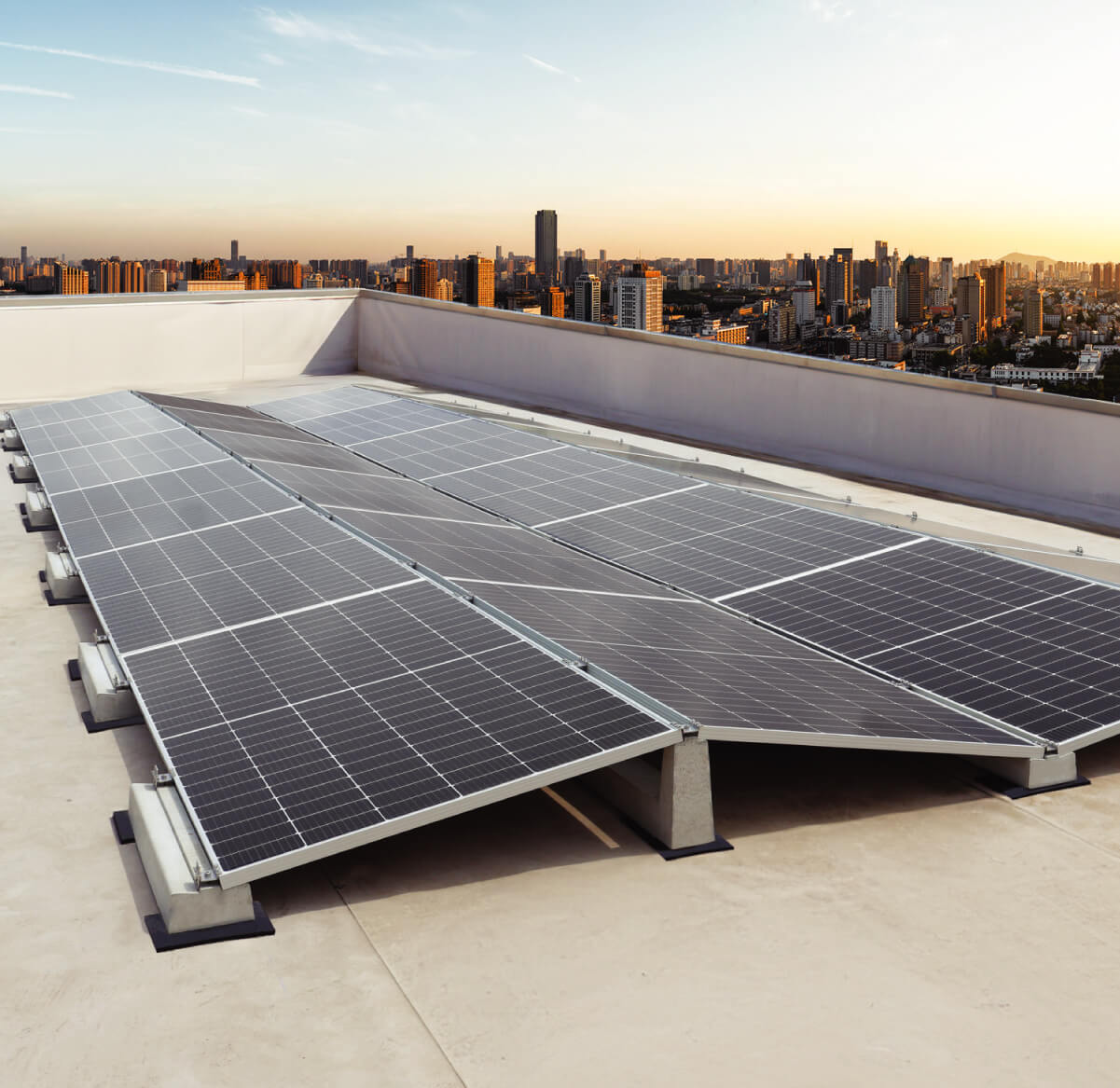
ground mount solar solutions are becoming a go-to choice for flat roofs and similar surfaces
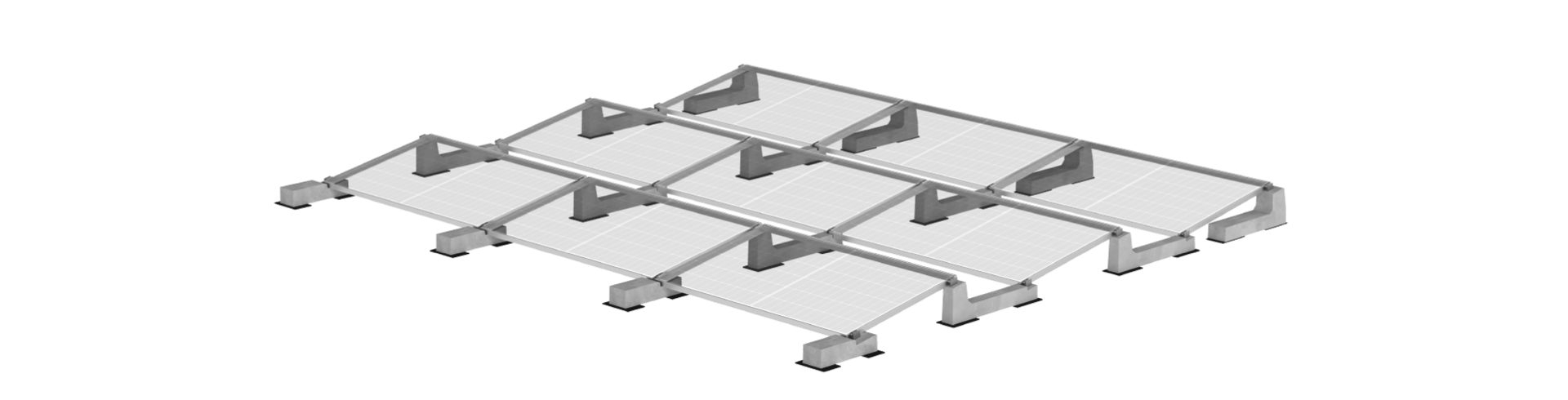
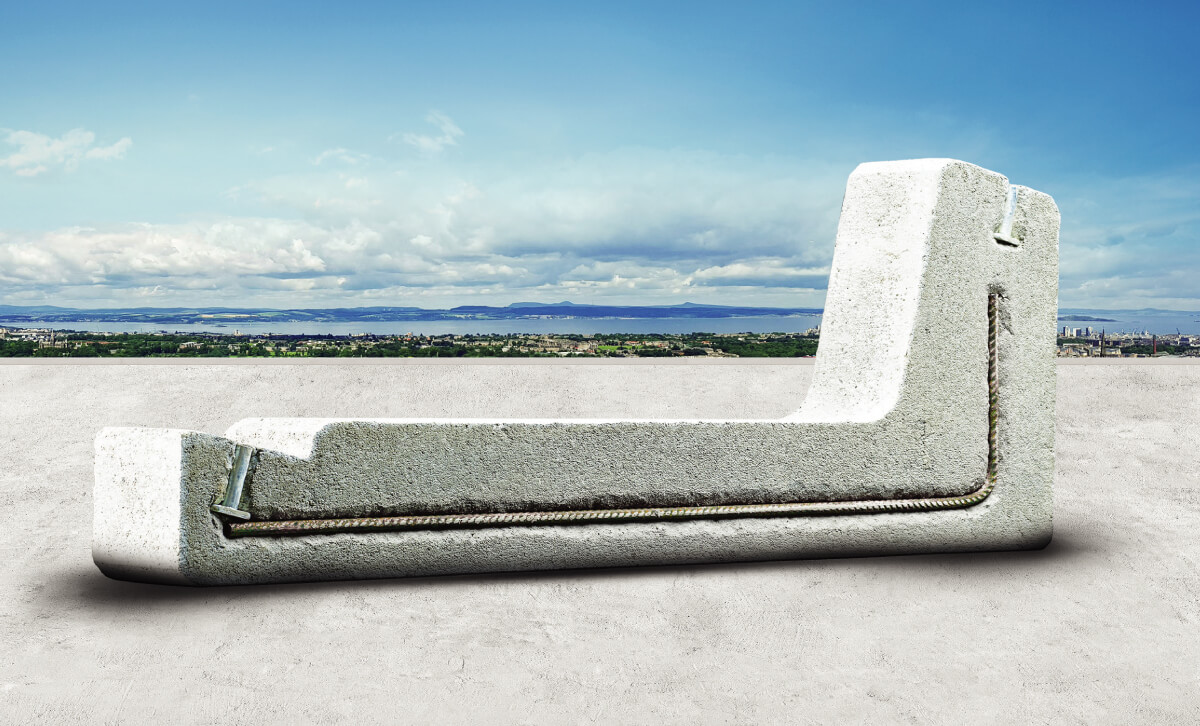
where drilling and penetrations create risk. By using concrete ballast blocks to secure modules,
you can often avoid waterproofing complications, reduce the chance of leaks, and keep the
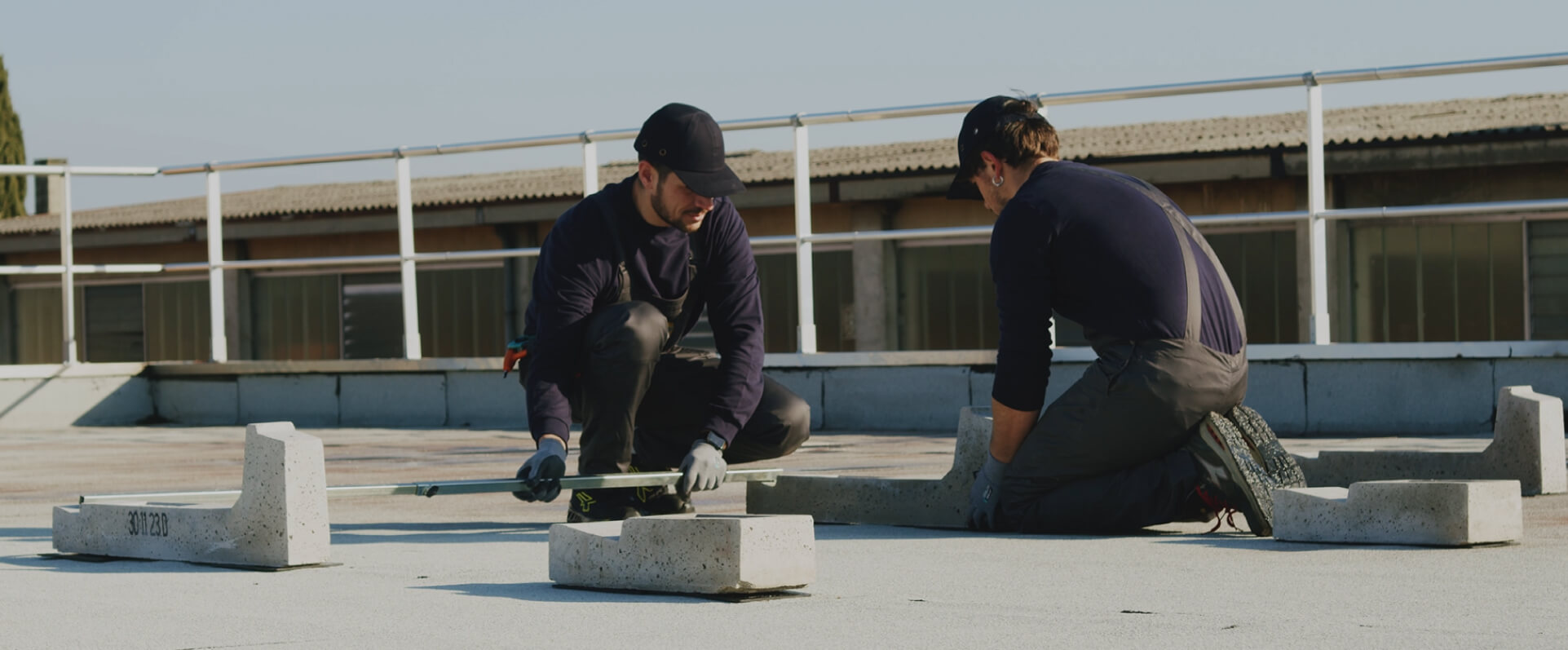
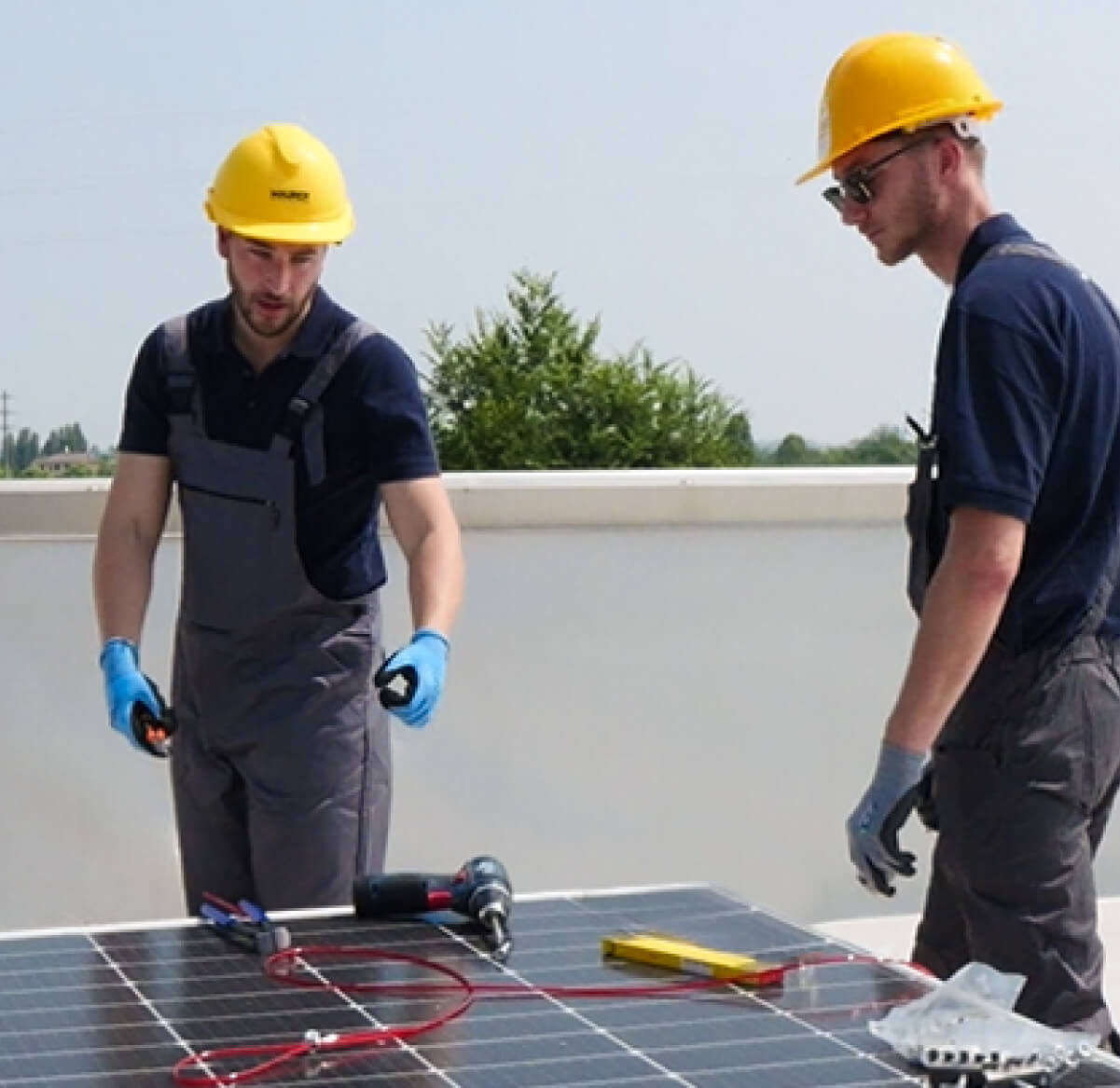
workflow clean and repeatable. For crews, the biggest advantage is speed: fewer components,
intuitive assembly, and less time spent aligning complex metalwork. For engineers, the benefit
is control—clear load paths, dependable materials, and systems developed with wind and
structural considerations in mind. For distributors, it’s a product category that is easy to
explain and easy to stock because demand is steady across commercial rooftops. If your goal is
to streamline installation while maintaining confidence in stability, a well-designed ballast
ground mount solar approach helps you deliver projects that are simpler to build and easier to
sign off.
Key Benefits: No Penetrations, Less Downtime,
More Confidence
A modern ballast ground mount solar system is designed around one
practical idea: keep the array stable without turning the roof into a construction site.
Eliminating roof penetrations can reduce critical failure points and make coordination with
waterproofing trades far simpler. On-site, crews typically appreciate the reduced bill of
materials and the straightforward layout, which can translate into faster commissioning and
fewer delays. From a technical standpoint, concrete ballast provides mass and durability,
supporting a stable PV mounting solution that can be adapted to different module sizes and tilt
configurations. Terms often associated with this approach include concrete ballast for solar,
flat roof PV mounting, non-penetrating racking, wind-load design, and structural load
distribution. The result is a workflow that feels more “plug-and-build” than “custom
fabrication,” especially valuable when you manage multiple rooftops or tight project schedules.
What to Look For in a Technical Partner (Not
Just a Product)
Choosing ballast ground mount solar hardware is only half the
decision; choosing the right technical partner is what protects your margins and your
reputation. Look for proven, tested solutions with reliable documentation, plus real support
during design and sizing—especially for wind exposure, building height, and roof load limits. A
partner should help you move from concept to execution with practical guidance, not generic
assumptions. That includes layout recommendations, component selection, and answers that
installers can use on site. When your mounting solution is engineered for simplicity and backed
by responsive technical assistance, you can quote more accurately, install more predictably, and
reduce the risk of last-minute changes. For professionals in Italy who value reliability, speed,
and innovation, the right ballast ground mount solar solution turns flat-roof PV into a
repeatable process—one you can scale across projects with confidence.