Why ballast mounting solar panels is the smart
choice for flat roofs
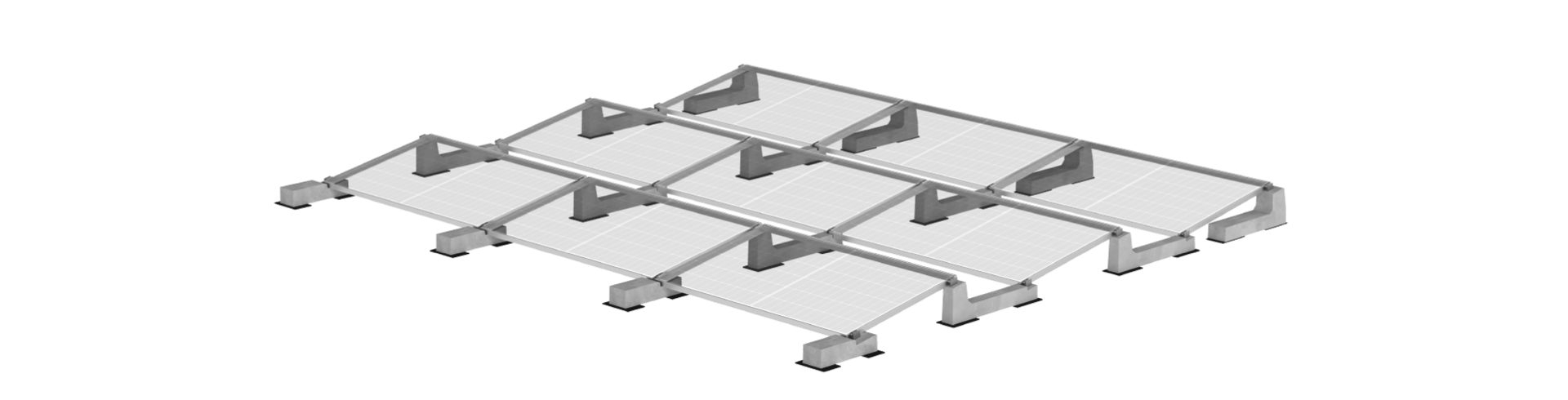
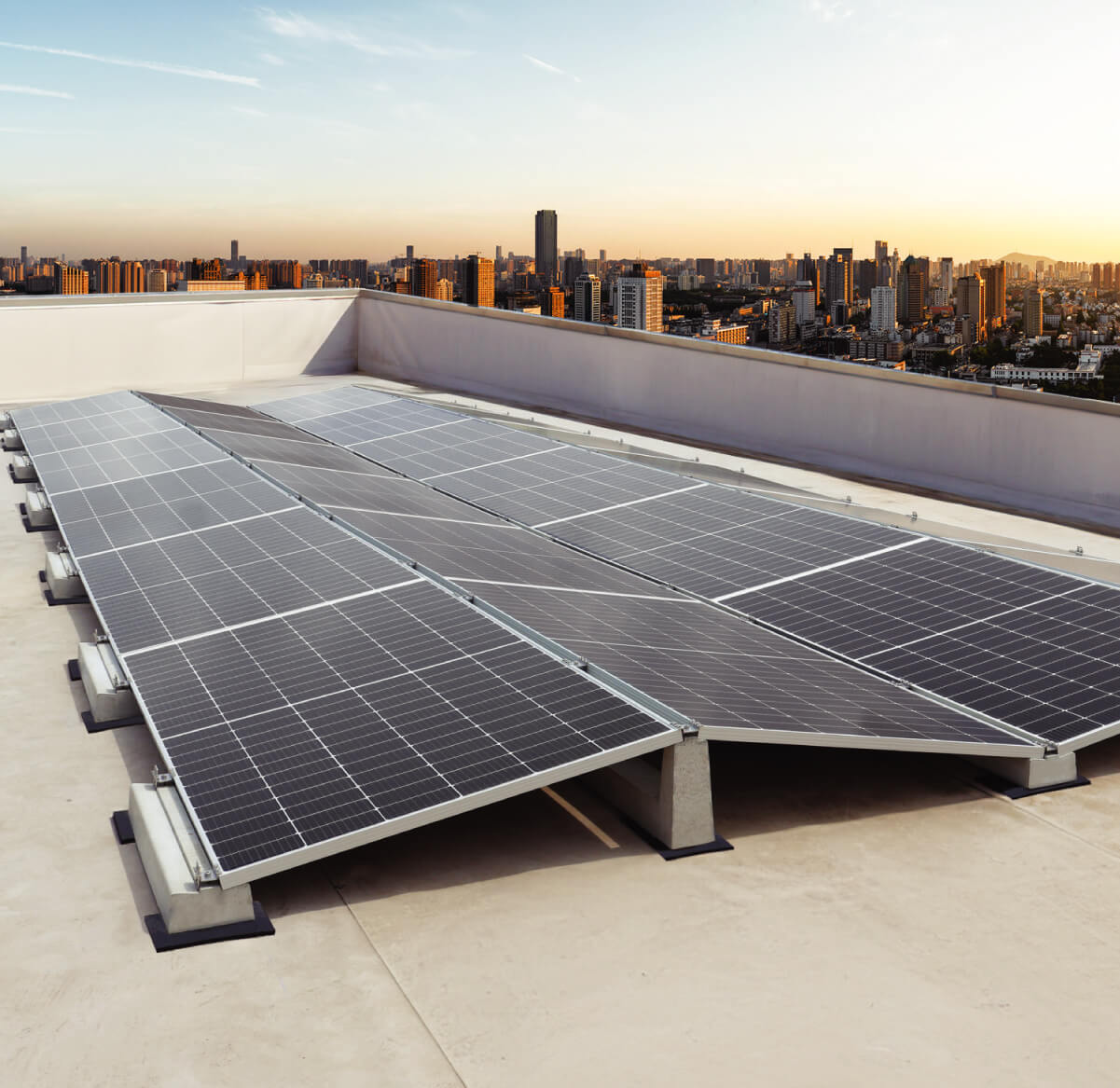
Ballast mounting solar panels is one of the most practical ways to
build a photovoltaic system on flat roofs across Italy—especially when you want speed, safety,
and a clean roof surface. Instead of drilling and anchoring into the waterproof membrane, a
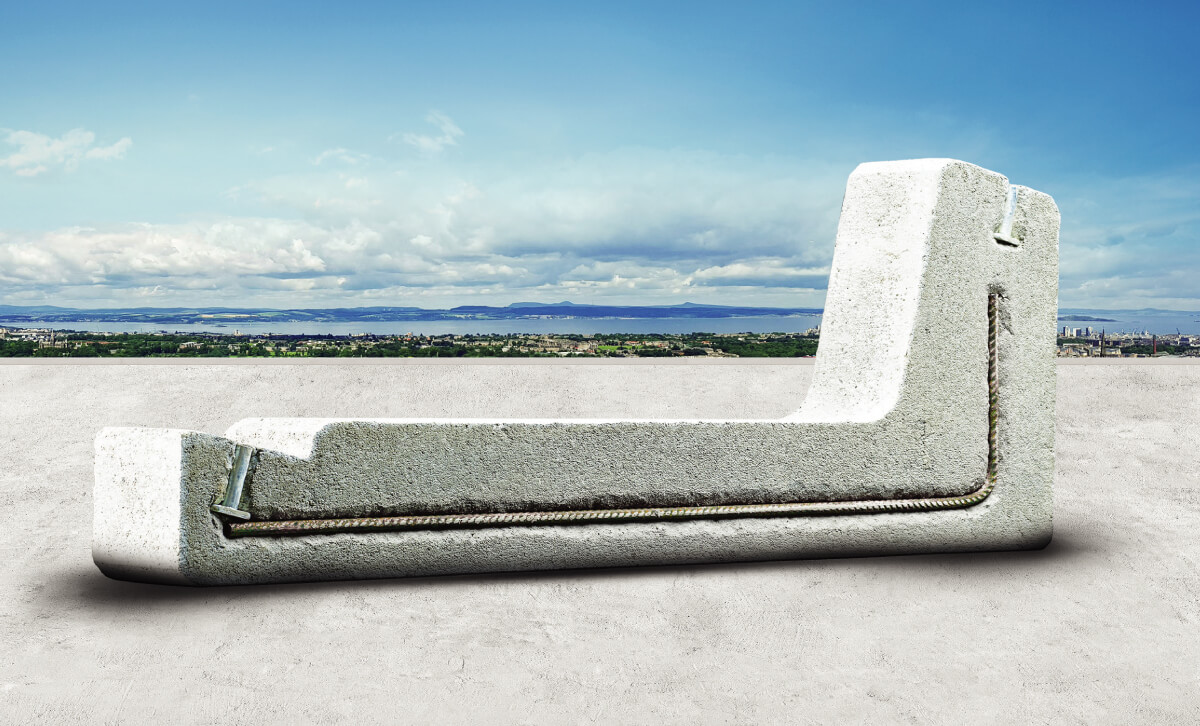
ballast-based structure uses engineered concrete weights to keep modules stable. That means
fewer risks of leaks, fewer roofing repairs, and fewer headaches once the system is live. For
installers, the benefit is immediate: a simpler layout, fewer components to manage on site, and
a workflow that can dramatically shorten installation time. For designers and engineers, ballast
solutions make it easier to specify a predictable system with tested configurations, clear load
data, and support for wind and structural checks. And for distributors, it’s a product category
with steady demand because flat roofs on warehouses, commercial buildings, and industrial sites
are everywhere. In short, when roof penetrations feel like an unnecessary risk, ballast mounting
solar panels offers a reliable alternative that protects the roof while helping teams deliver
projects faster and with greater confidence.
Key advantages for installers: faster work,
fewer parts, no roof penetrations
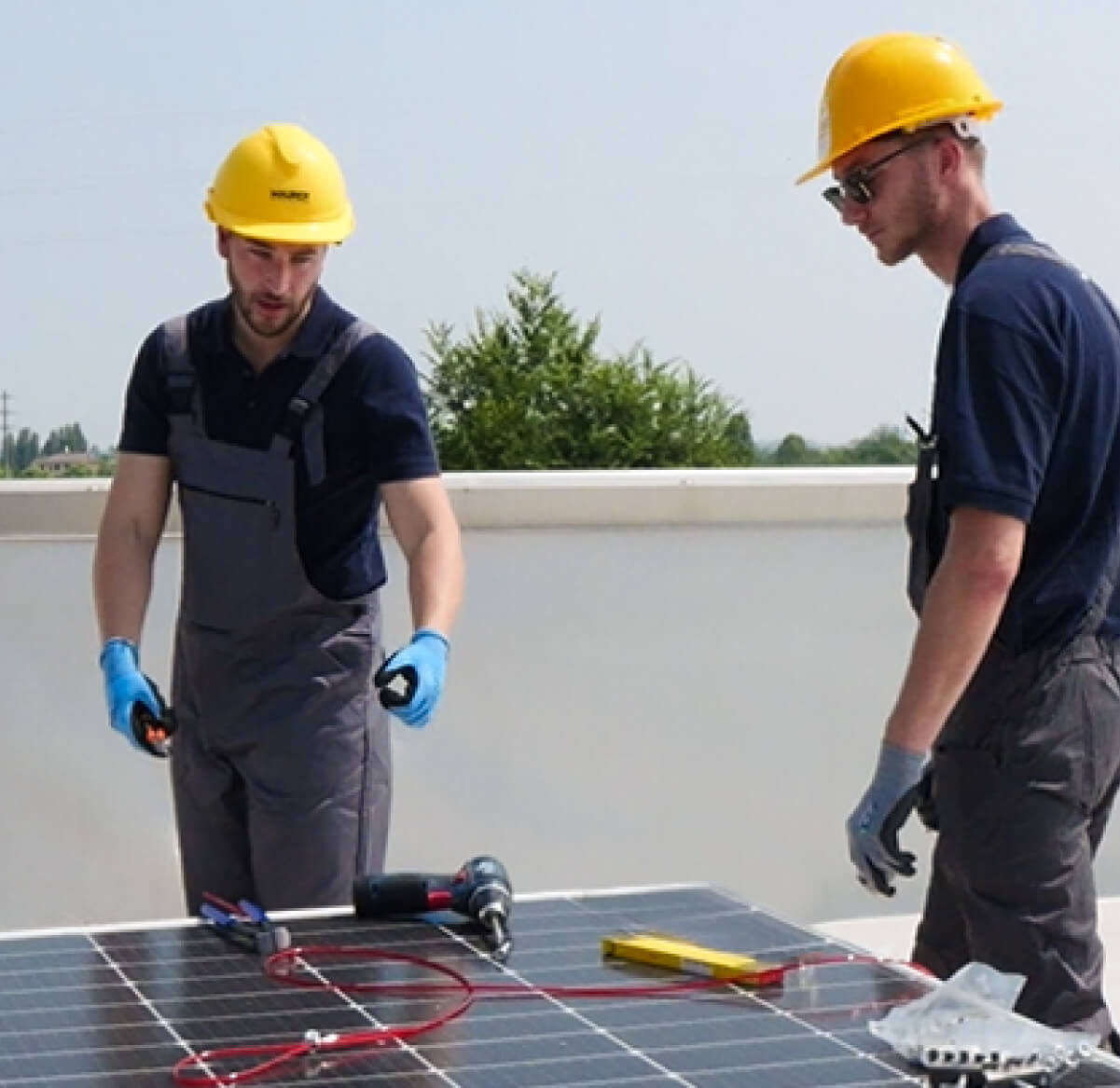
On a busy site, every extra bracket, rail, and fastener costs
time. A well-designed ballast mounting solar panels system reduces that complexity by
integrating support and weight into a straightforward solution. The “no-drill” approach is a
major win on flat roofs because it avoids compromising the membrane and reduces the coordination
needed with roofing contractors. Installers also appreciate how quickly rows can be positioned,
aligned, and secured, making it easier to hit deadlines and increase monthly throughput. From a
practical standpoint, the logistics are clear: stable concrete ballast, predictable positioning,
and fewer specialized tools. The result is a cleaner installation, fewer call-backs, and a
system that feels repeatable from one project to the next. When customers ask for minimal
disruption and long-term roof protection, ballast mounting becomes a persuasive answer that
supports quality without slowing the crew down.
A complete technical approach: sizing, wind
loads, and project support for B2B teams
Successful ballast mounting solar panels projects are not just
about placing weight on a roof—they require correct sizing, verified load assumptions, and
layouts that respect wind exposure, parapets, and building constraints. That’s why professional
teams look for more than hardware: they want technical partnership. With the right support, you
can move from preliminary design to execution with confidence, using dependable data for ballast
quantity, tilt selection, and roof load distribution. This is especially valuable for engineers
who carry responsibility for structural checks and for installers who need quick answers when
conditions change on site. In the Italian market, where flat-roof PV is growing fast, choosing a
solution built around reliability, simplicity, and ongoing innovation can reduce risk and
accelerate delivery. If your goal is to install on flat roofs without penetrations, while
keeping performance and compliance at the center, ballast mounting solar panels is the proven
route to a safer, faster, and more efficient photovoltaic project.