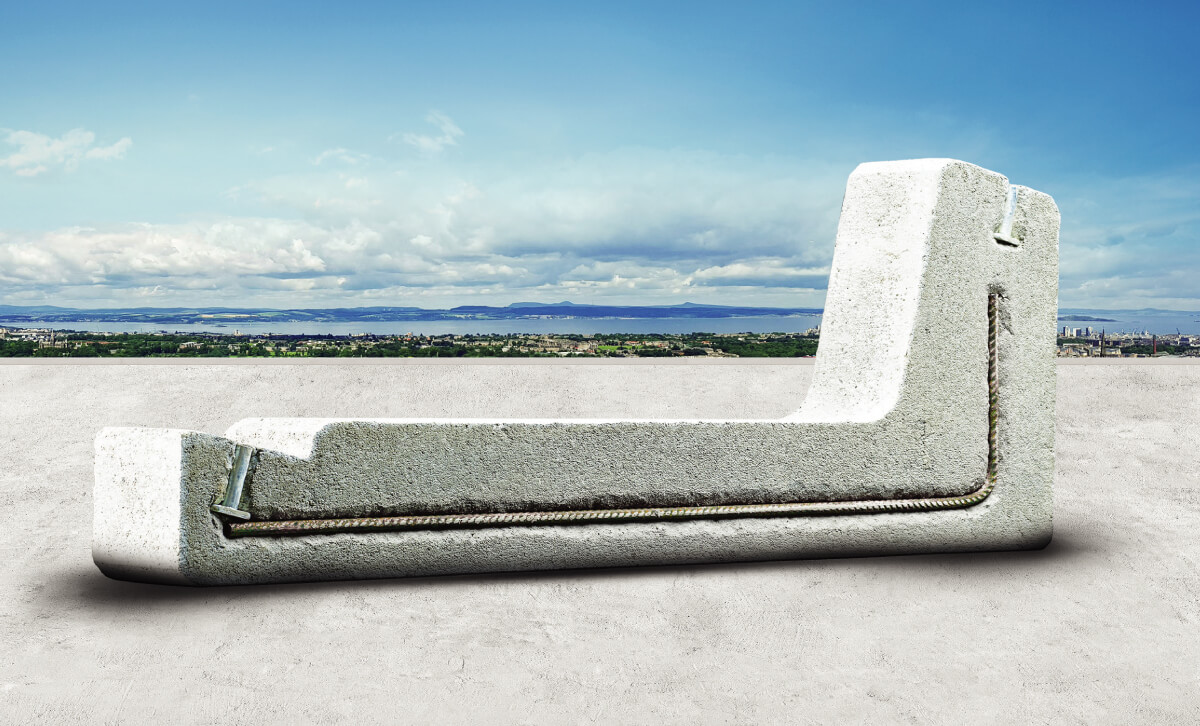
A Smarter Ballast Mounting Structure for Flat
Roof Solar
Installing PV on flat roofs in Italy often means juggling tight
deadlines, roof warranty concerns, and complex wind-load checks. A well-designed ballast
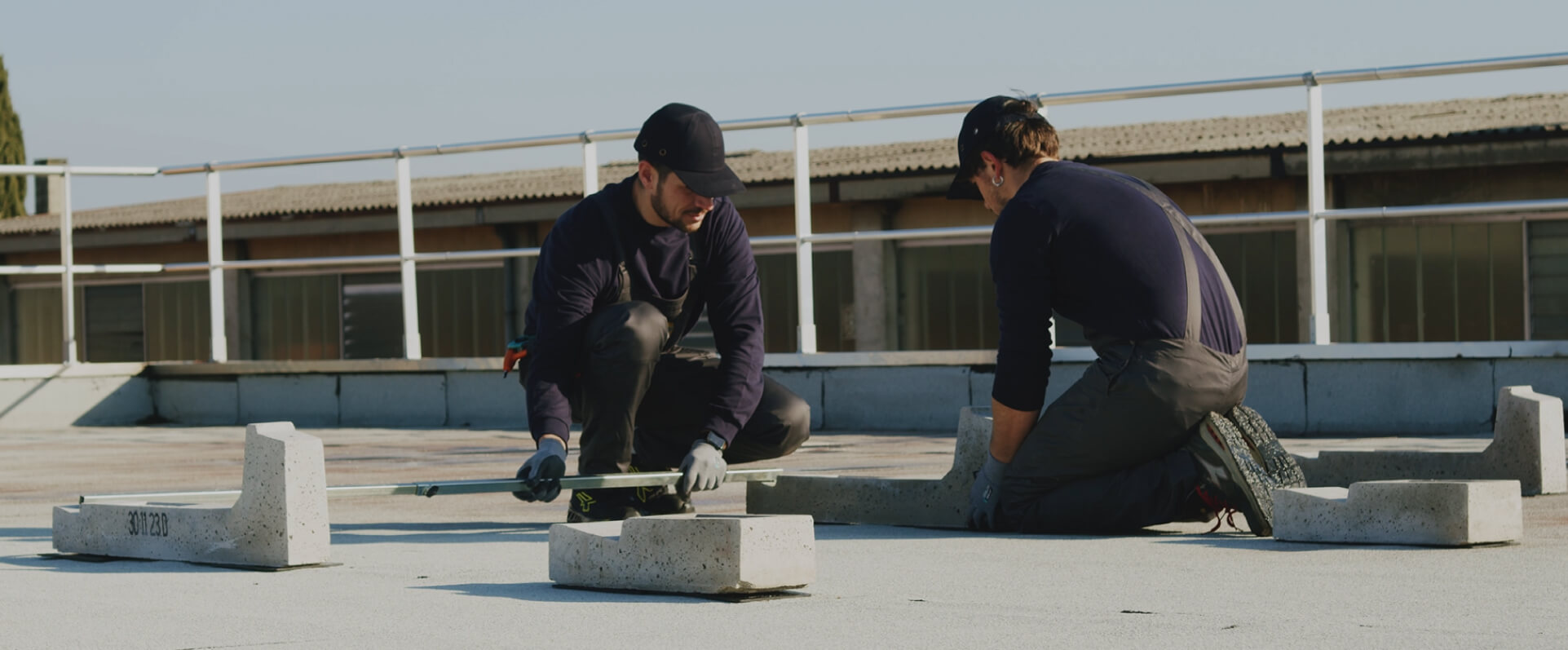
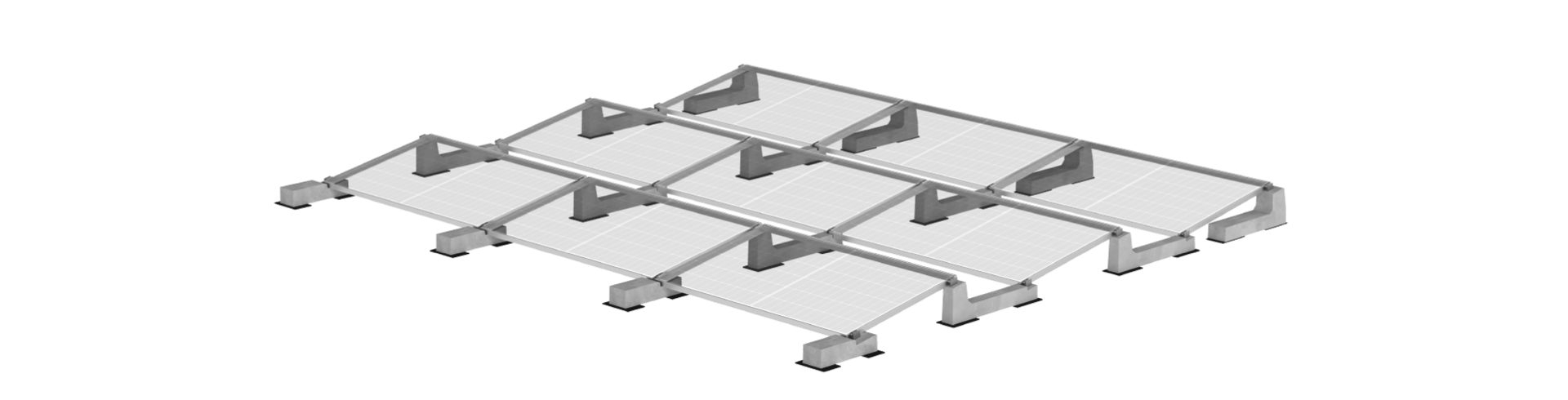
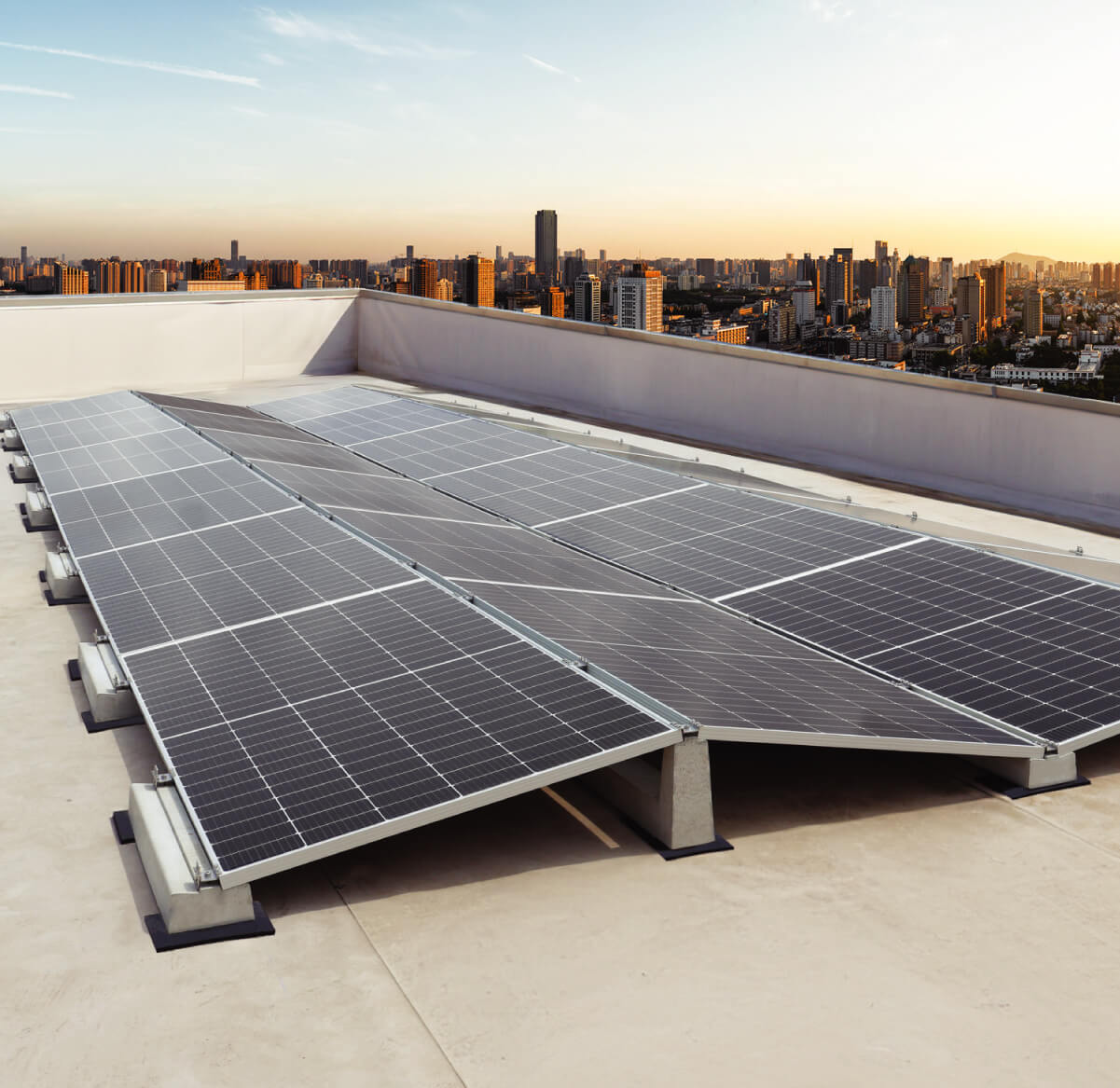
mounting structure solves these pain points by securing modules with concrete weights rather
than roof penetrations. The result is a faster, cleaner workflow on site, with fewer components
to handle and fewer surprises during installation. For installers, this means reduced labor
time, simpler logistics, and a more predictable schedule—especially on large commercial
rooftops. For designers and engineers, it means a system built around measurable loads,
repeatable configurations, and reliable documentation for project sizing. Because the roof
membrane stays intact, you minimize leak risk and avoid complications linked to drilling and
sealing. The right ballasted PV mounting system also supports consistent module alignment, tidy
cable management, and stable performance over time. In short: if your priority is speed, safety,
and long-term reliability on flat roofs, choosing a ballast mounting structure purpose-built for
photovoltaic installations is one of the most practical decisions you can make. It’s not just a
product choice; it’s a way to reduce complexity across design, procurement, and execution—while
delivering a professional result your client can trust.
Why Professionals Prefer No-Drill, Ballasted
PV Mounting Systems
A no-drill approach is more than a convenience—it’s risk
management. With a ballast mounting structure, you protect roof coverings, maintain drainage
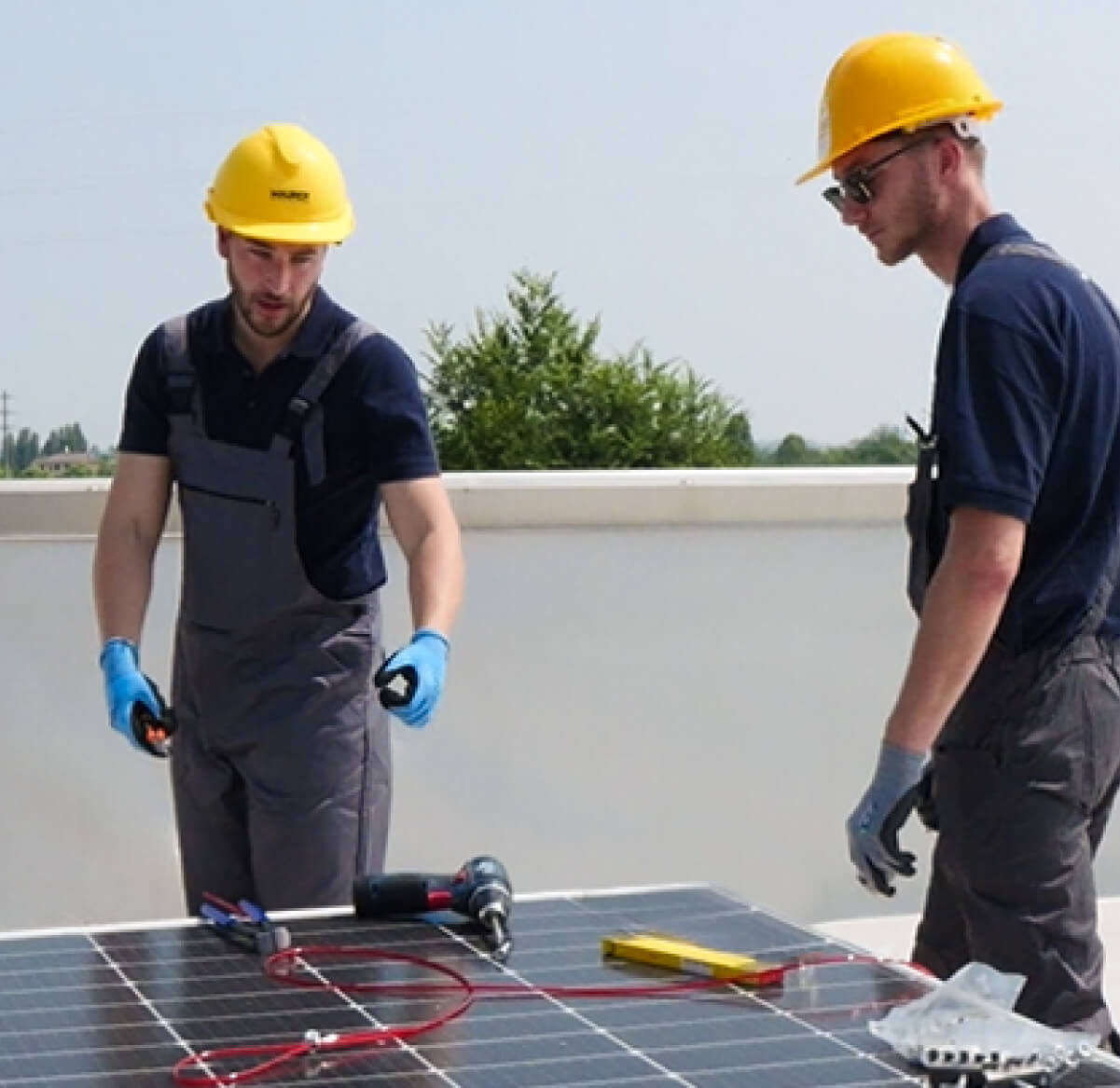
paths, and reduce the chances of post-installation maintenance calls. On site, fewer fixings and
simplified assembly translate into quicker crew training and smoother repeatability from one
roof to the next. For technical teams, the advantage is clarity: load distribution, tilt
options, and layout constraints can be evaluated early, helping you avoid last-minute redesigns.
In many flat-roof scenarios, ballasted solar racking can also streamline permitting and
stakeholder approvals because the installation method is straightforward and non-invasive.
Distributors benefit too, because a recognizable, easy-to-explain mounting solution reduces
sales friction and supports steady demand. When you combine speed of installation with tested
durability, you get a mounting strategy that’s well suited to Italian commercial rooftops—where
reliability and efficiency are non-negotiable.
From Design Support to Execution: A Complete
Flat-Roof PV Solution
Choosing a ballast mounting structure should come with more than
hardware. The most effective approach is a complete technical partnership: support during the
design phase, accurate system sizing, and guidance that follows the project through to
installation. That means helping you evaluate wind exposure, roof load limits, and array
geometry—then translating those inputs into a configuration that installers can assemble
quickly. When technical assistance and commercial support work together, you reduce project
risk, shorten decision cycles, and keep procurement simple. For installers, the payoff is
immediate: a ballasted PV mounting system that arrives ready to deploy, minimizes on-roof
handling, and avoids time-consuming waterproofing steps. For engineers, it’s
confidence—data-backed choices and proven solutions that stand up to real-world conditions. If
you work on flat roofs and want fewer complications, faster installs, and dependable results, a
concrete-ballasted mounting strategy is the practical, professional route for photovoltaic
projects in Italy.