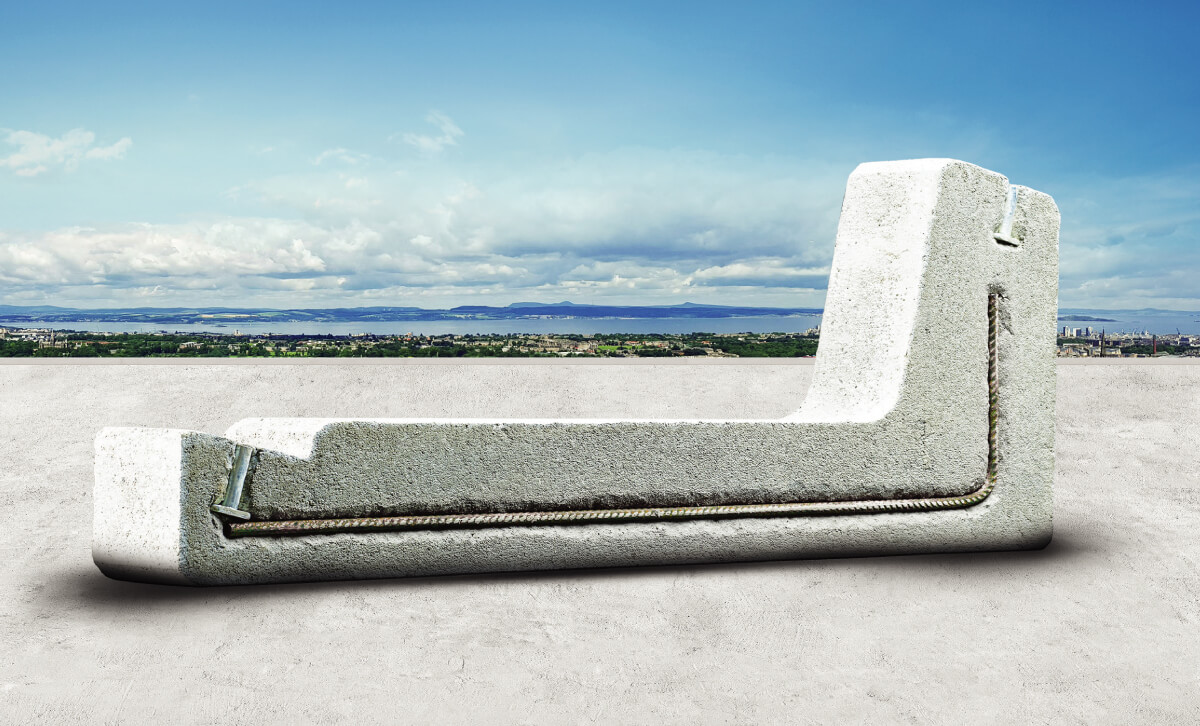
Why a Ballast Mounting System Is the Smart
Choice for Flat Roof PV
For flat roofs across Italy, choosing the right ballast mounting
system can be the difference between a smooth installation and weeks of avoidable site issues.
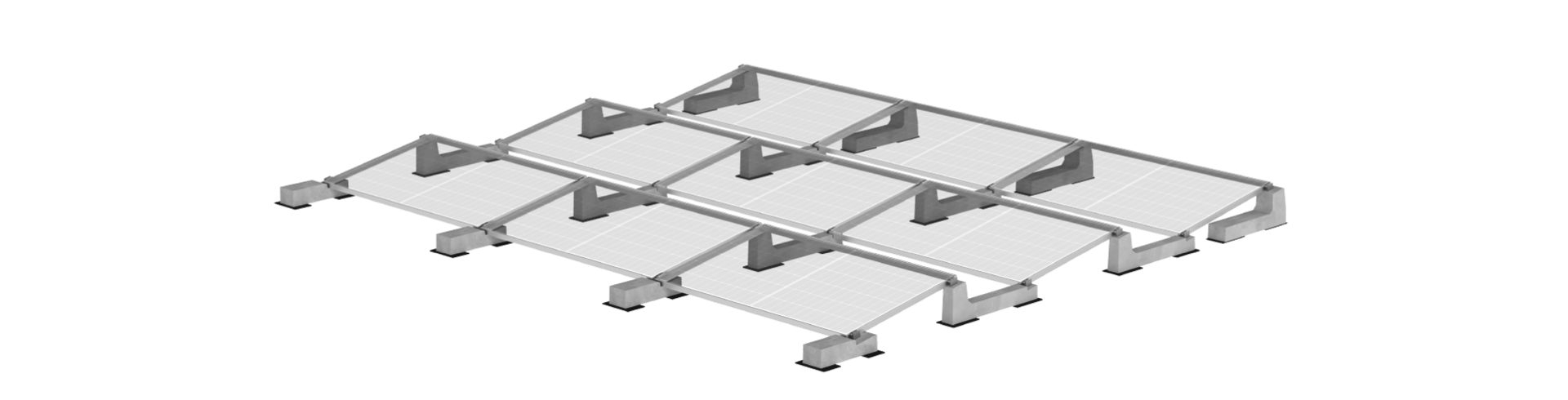
Unlike penetrated racking, a ballasted solution secures photovoltaic panels using calibrated
concrete weights, helping you avoid drilling the roof membrane. That means fewer waterproofing
risks, fewer components to manage on site, and a cleaner workflow for installers. In practice, a
well-designed PV ballast system speeds up positioning, reduces the need for specialized
fastening tools, and simplifies logistics when you’re working on industrial buildings,
warehouses, and commercial rooftops. For EPCs and installation teams, this translates into
shorter project timelines and more predictable outcomes—especially when weather windows are
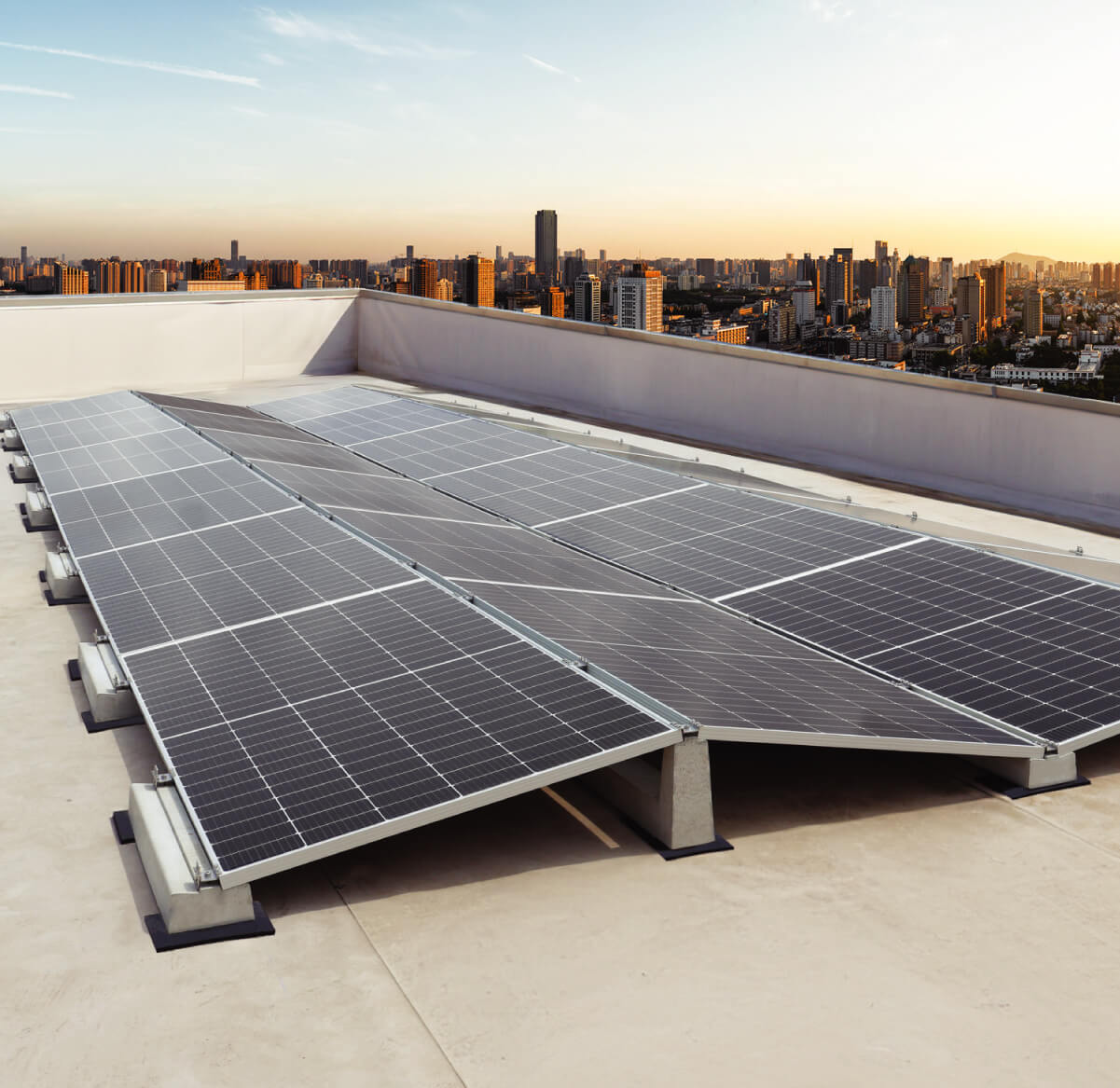
tight. A robust flat roof solar mounting solution also helps protect the building owner’s asset:
no holes, no surprises, and less chance of call-backs linked to leaks. When you need a solution
that is fast, reliable, and designed specifically for flat-roof solar in Italy, a concrete
ballast approach is often the most practical route from design to commissioning.
Designed for Installers: Faster Work, Fewer
Risks, Cleaner Sites
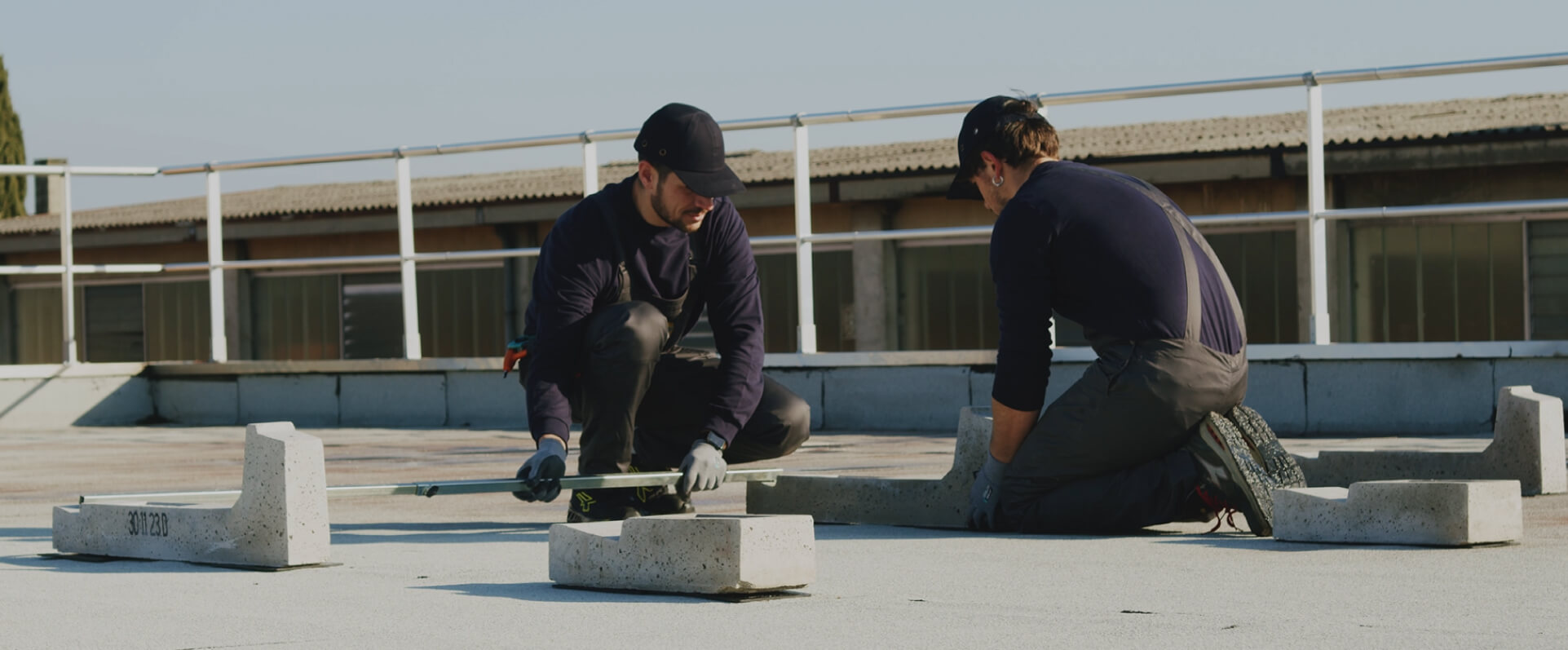
Installers choose a ballast mounting system because it removes
common bottlenecks: roof penetrations, complex sub-structures, and time-consuming alignment.
With concrete ballast blocks engineered for PV, the structure is inherently stable and intuitive
to assemble, which can reduce installation steps and on-roof handling. Fewer parts also means
fewer missing items, less packaging waste, and simpler stock management for distributors. On
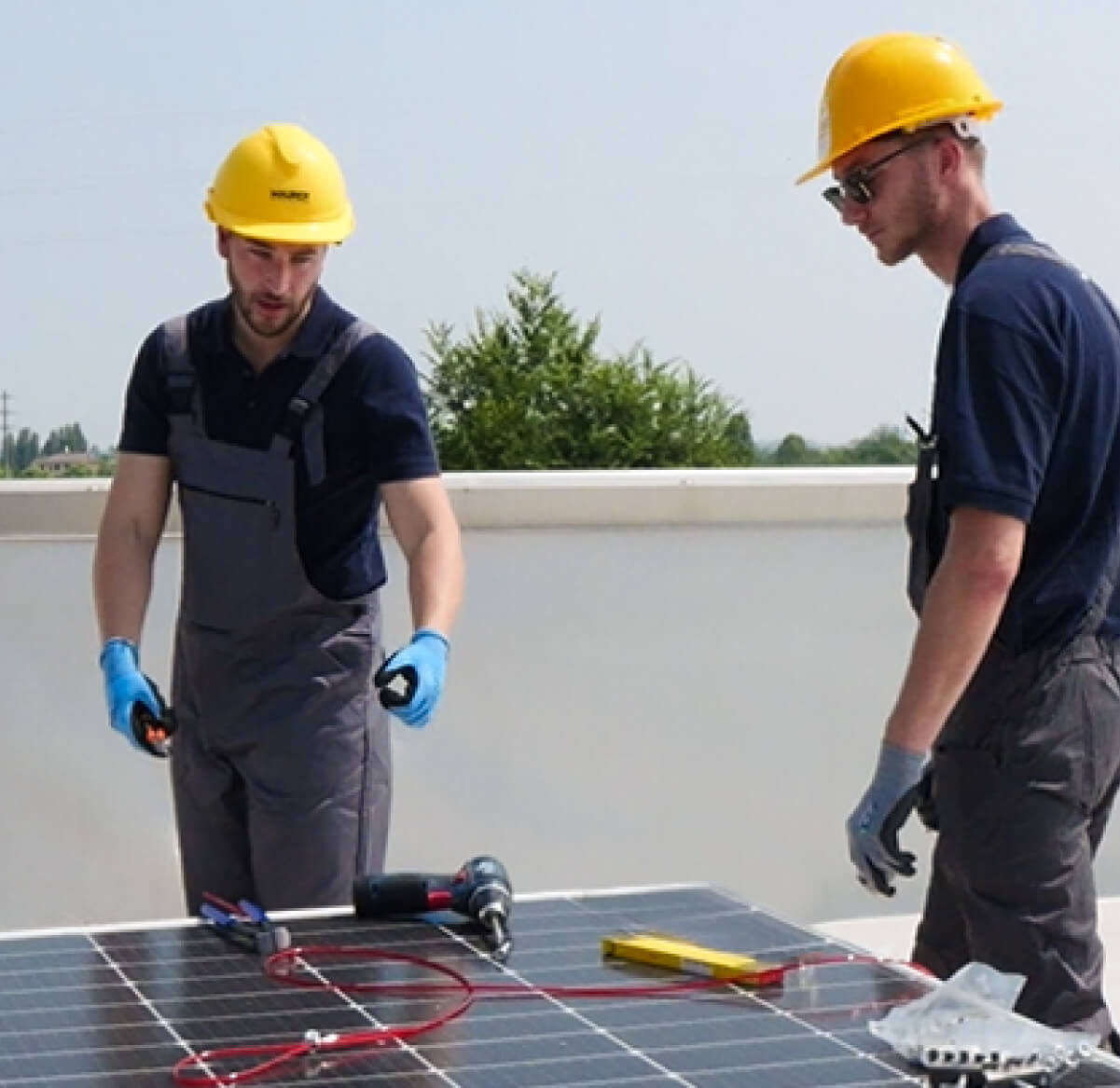
flat roofs, where access routes and safety constraints matter, a streamlined solar panel ballast
mounting system can improve crew efficiency and reduce fatigue. The result is a site process
that feels more “plug-and-play” while still delivering the strength required for real-world wind
exposure. For many Italian projects, that balance—speed plus security—is exactly what keeps
margins healthy and customers satisfied.
Engineering Support and Reliable Data for
Confident Project Design
For designers and technical offices, the value of a ballast
mounting system goes beyond installation speed: it’s about predictable performance and
verifiable calculations. Flat-roof PV requires careful evaluation of wind loads, roof capacity,
and layout constraints. Using tested, purpose-built concrete ballast solutions helps reduce
design uncertainty and supports safer decision-making. Equally important is having technical
assistance during the planning phase, with dependable sizing inputs and project development
support through execution. This partner-style approach can lower professional risk and improve
documentation quality for stakeholders. If your goal is to deliver flat-roof solar projects in
Italy that are efficient, durable, and easy to execute—without ever compromising the roof—then a
concrete-based ballast mounting system is a compelling, proven pathway.