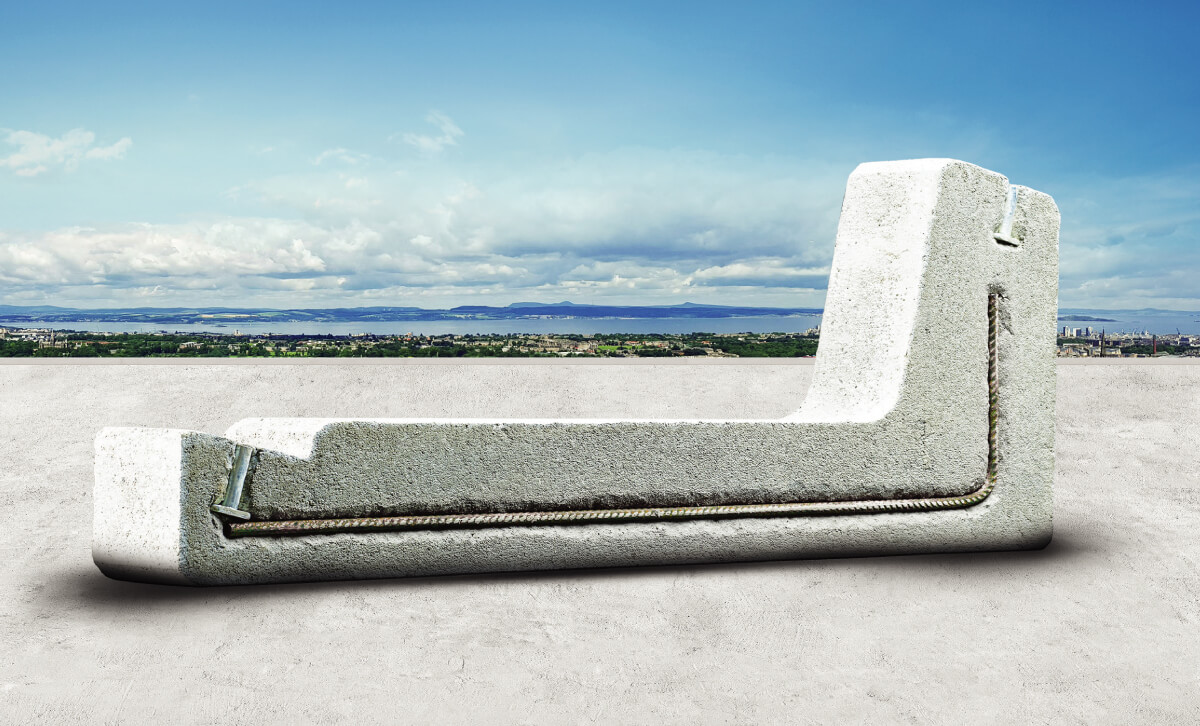
Ballast PV: the smarter way to build flat-roof
solar in Italy
In the Italian PV market, flat roofs are a huge opportunity—but
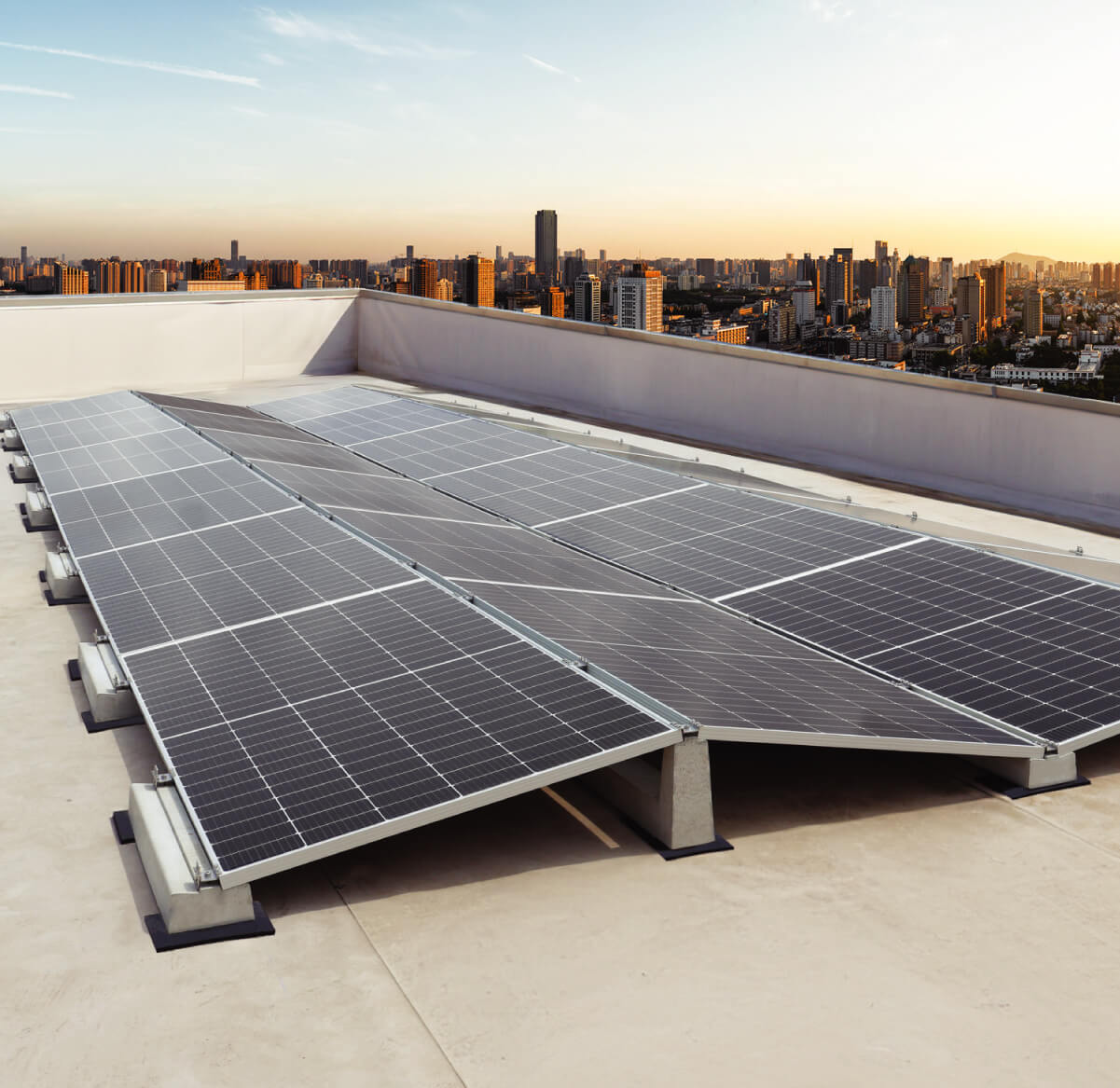
also a common source of delays and risk. A well-designed ballast pv solution helps installers
and designers create stable photovoltaic structures without drilling the roof membrane. That
means fewer waterproofing concerns, fewer surprises on site, and faster project delivery.
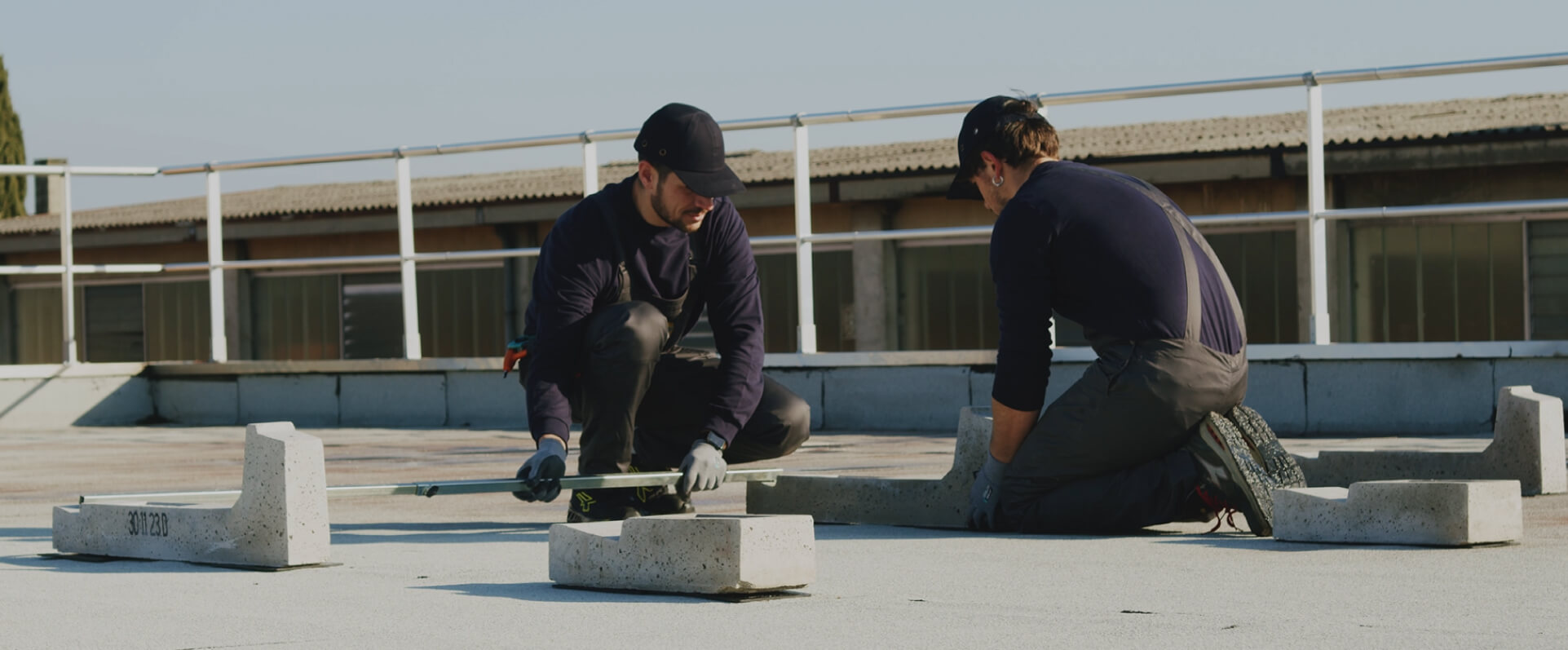
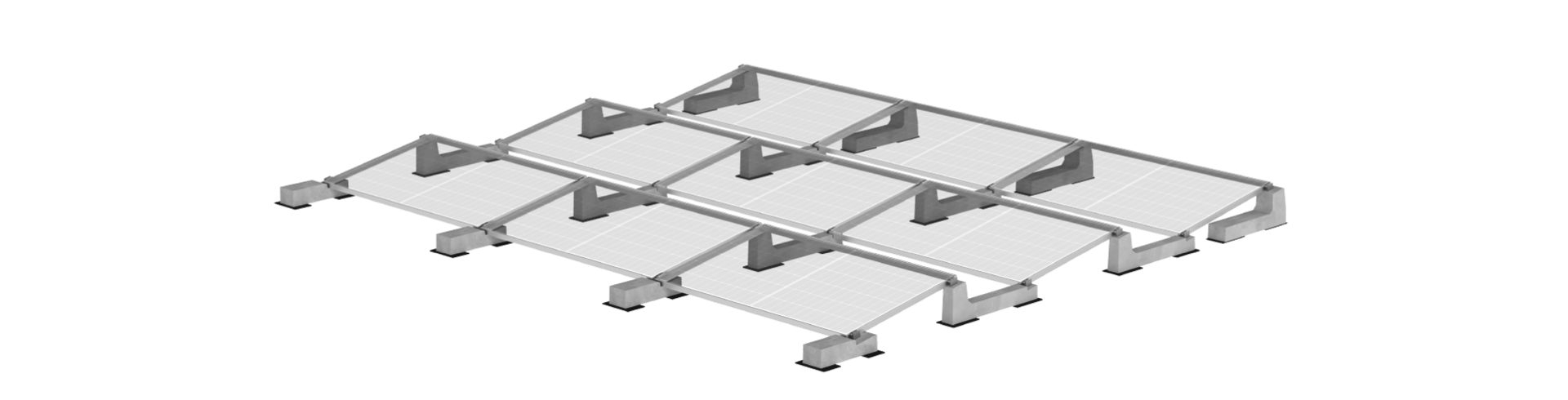
Concrete ballasts for photovoltaic panels are engineered to provide the needed counterweight
against wind uplift while keeping the mounting system simple, repeatable, and easy to handle.
For installers, the benefit is immediate: fewer components, clear positioning, and a workflow
that reduces labor time. For engineers and technical offices, ballast pv systems make it easier
to work with tested configurations and reliable data for load management, wind exposure, and
layout optimization. Instead of adapting complex metal frameworks to every roof, you can use a
practical flat-roof PV mounting approach designed specifically for speed and safety. When you
choose a no-penetration solar mounting method, you protect the building envelope and reduce
long-term maintenance risks—an essential point for commercial and industrial rooftops. If your
priority is to install more kilowatts per day with fewer complications, ballast pv is the
solution that aligns performance, simplicity, and site efficiency in one proven concept.
Designed for installers: faster builds, fewer
issues on site
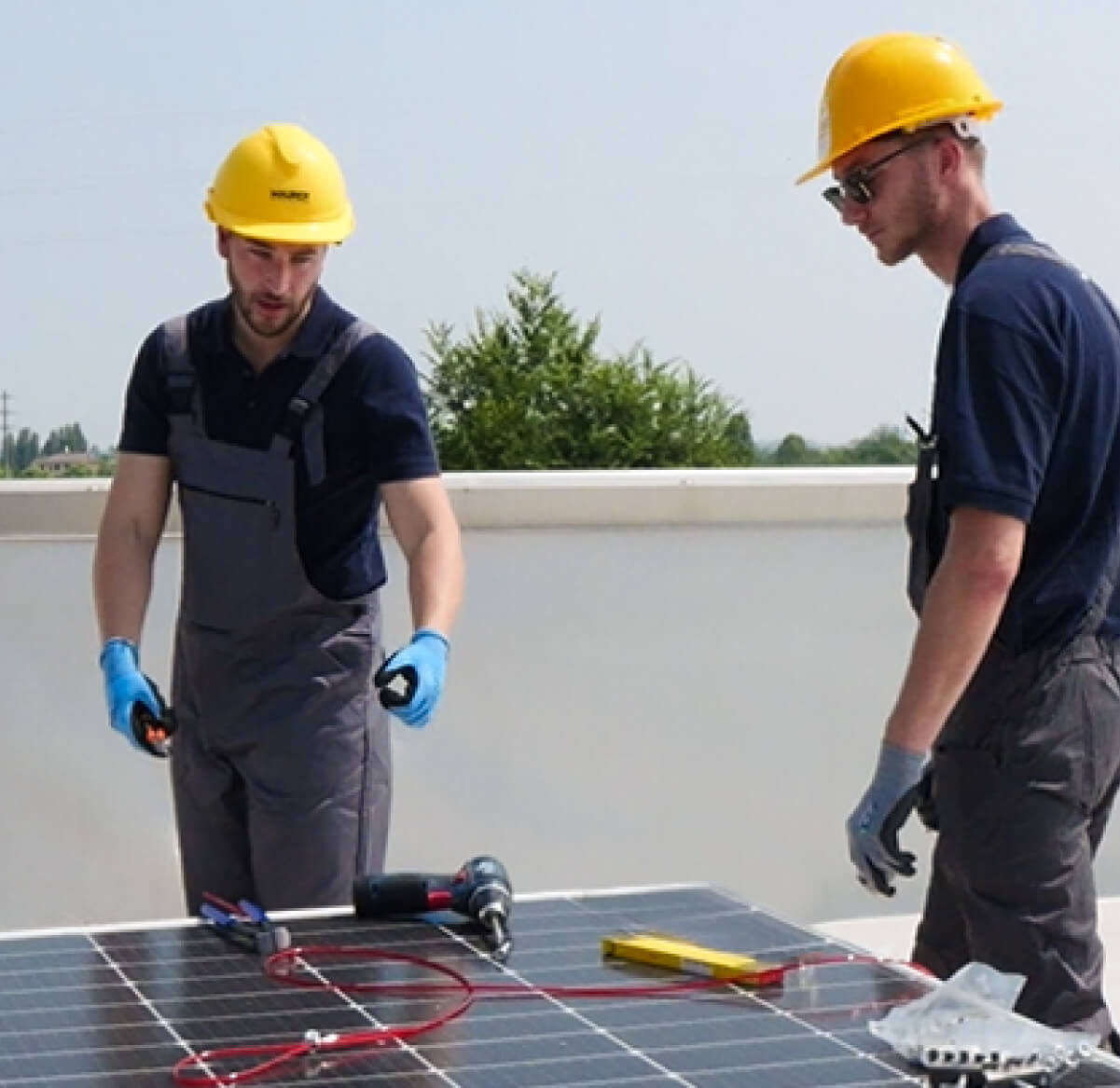
Every installer knows the real cost of a project is time: moving
parts, aligning rails, sealing penetrations, and handling last-minute roof constraints. With a
ballast pv approach, the installation process becomes more linear. Concrete ballast blocks act
as both structure and weight, reducing the number of separate elements to assemble. No roof
perforations means you avoid the most delicate phase of flat-roof work, lowering the risk of
leaks and post-installation call-backs. This also simplifies coordination with building owners
and facility managers, who often worry about warranties and waterproof layers. A reliable
ballast pv system supports common photovoltaic module formats and can be adapted to different
tilt angles and orientations to balance energy yield with spacing needs. The result is a cleaner
site, fewer specialized tools, and a mounting method that scales well across multiple rooftops.
For distributors and wholesalers, these benefits translate into a product that is easier to
explain and easier to move: clear use cases, stable demand, and a recognizable solution for
flat-roof solar installations throughout Italy.
Technical support that reduces design risk and
improves results
A ballast pv project is not just about placing weight on a
roof—it’s about delivering a system that performs safely for decades. That’s why having
technical support during design and sizing matters. Professionals need dependable inputs for
wind load assessments, roof load limits, and layout planning, especially when working on large
industrial buildings or complex exposure conditions. With a partner-style approach, you can get
guidance on system dimensioning, project development, and execution details—helping you choose
the right ballast configuration and optimize the PV field for both stability and production.
Tested, durable concrete ballasts provide long-term reliability, while standardized solutions
reduce engineering uncertainty and streamline approvals. If you are an installer aiming to
complete more flat-roof photovoltaic projects per month, or an engineer looking to minimize
responsibility risk with proven configurations, ballast pv solutions offer a practical path:
safer roofs, faster timelines, and a more predictable outcome from design to commissioning.