Why a Ballast PV System Is the Smart Choice
for Flat Roof Solar
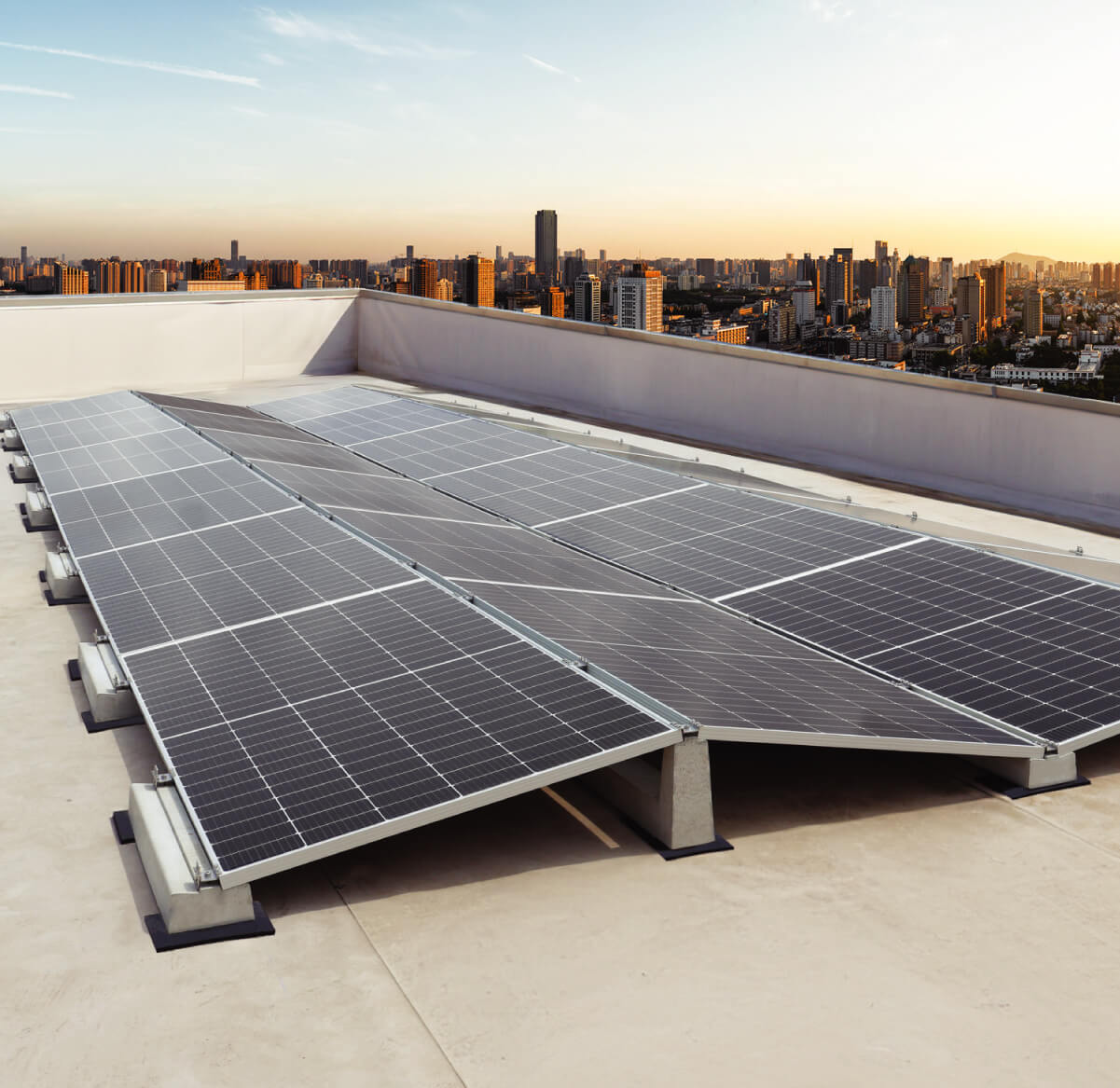
A ballast pv system is one of the most practical ways to install
solar panels on flat roofs across Italy, especially when you want speed, safety, and minimal
disruption to the waterproof membrane. Instead of drilling and anchoring through the roof, the
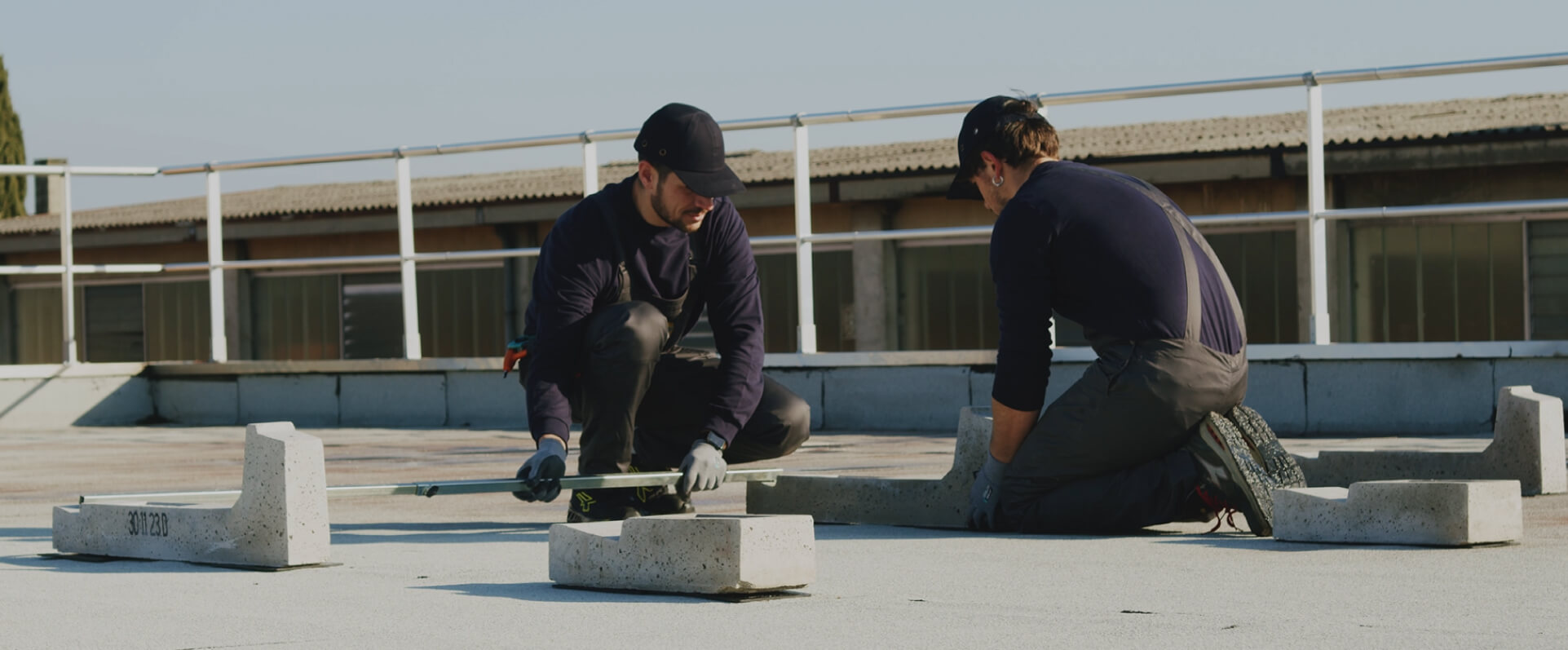
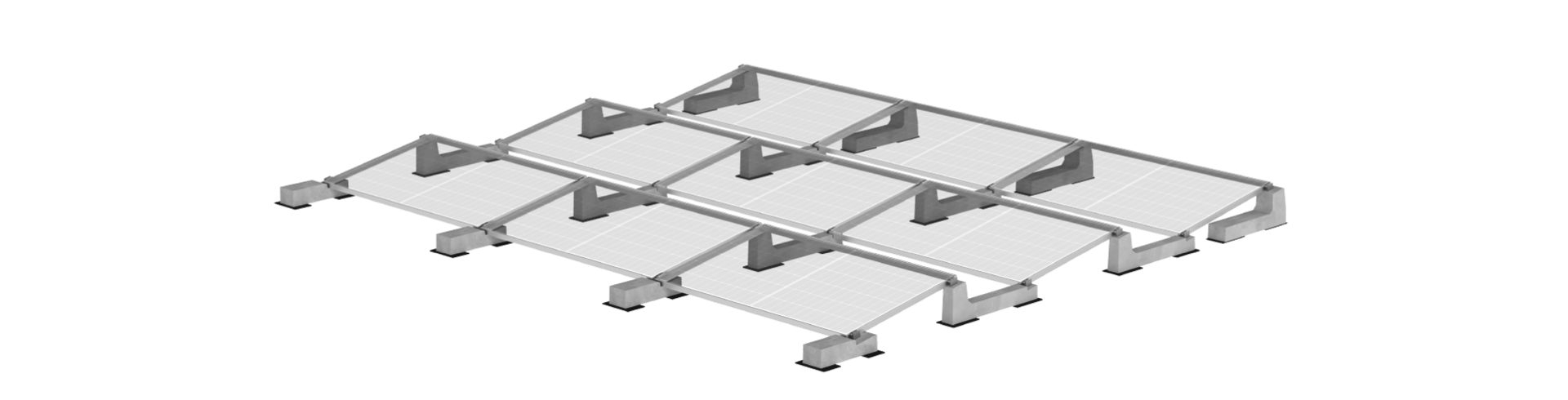
structure relies on engineered concrete ballast blocks that keep the photovoltaic array stable.
For installers, this means fewer roof-penetration risks, fewer components to manage on site, and
a workflow that feels more predictable from the first row to the last. For designers and
engineers, it means a solution that can be sized around wind load, roof load limits, and layout
constraints with clearer design logic. In many projects—industrial buildings, logistics hubs,
commercial rooftops—a ballasted mounting system can reduce installation time while helping
protect the roof warranty and lowering the chance of leaks. It also supports cleaner site
management: less noise, fewer invasive operations, and simpler logistics compared to heavily
anchored structures. When you combine fast positioning, intuitive assembly, and proven
durability, a ballast pv system becomes more than a mounting choice—it becomes a method to
deliver projects on time, with fewer surprises. If your goal is to standardize installations on
flat roofs and cut unnecessary complexity, starting with a ballasted PV mounting solution is a
sensible, field-ready approach for the Italian market.
Built for Installers: Faster, Cleaner, More
Reliable On-Site
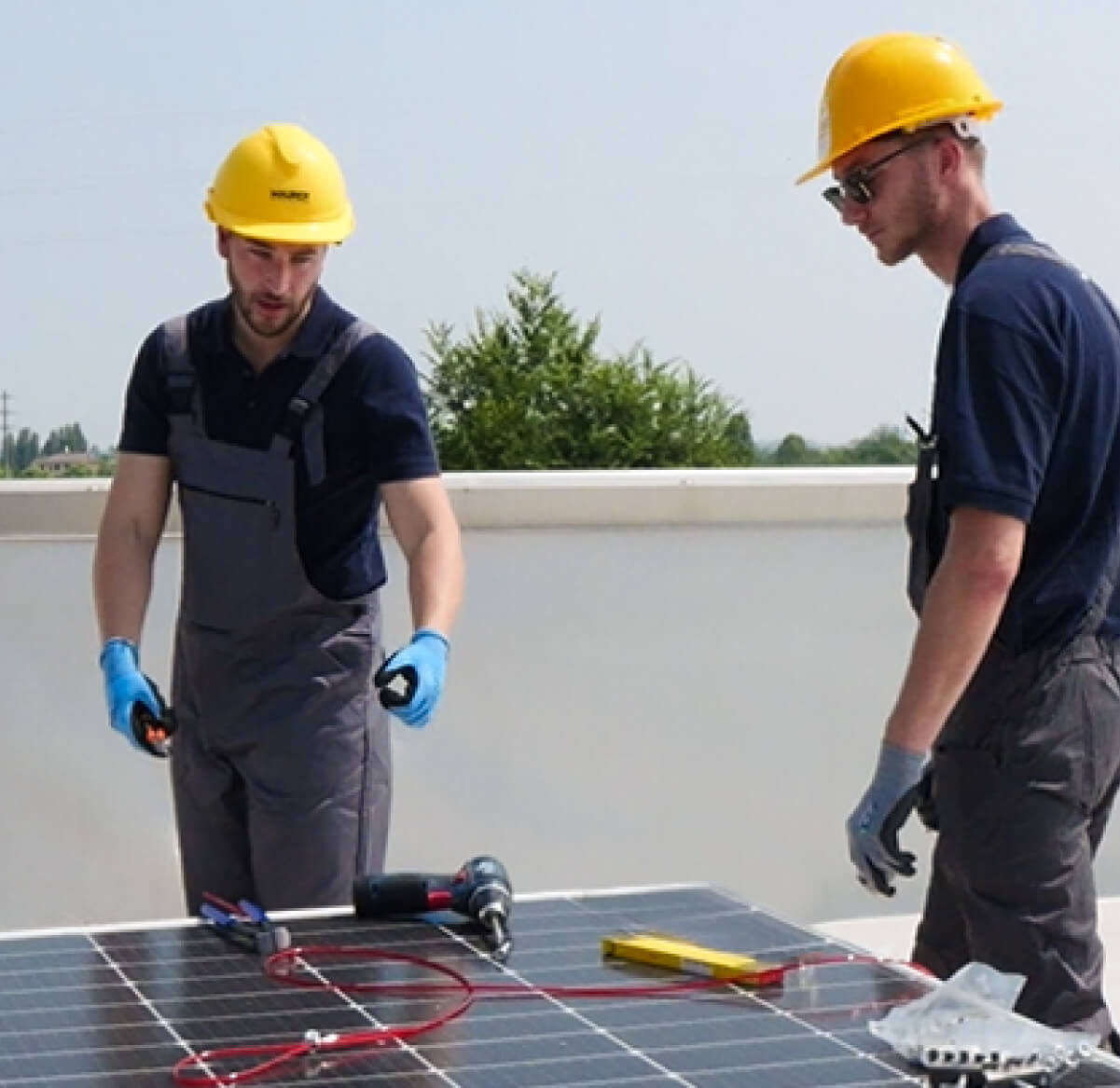
Installers choose a ballast pv system because it helps solve real
on-site pain points: long mounting times, complex substructures, and the constant worry of roof
penetrations. With concrete ballasts, panels can be set in place quickly and aligned with
straightforward positioning, reducing the number of separate brackets and fixings you typically
need. The result is a simpler bill of materials, fewer installation steps, and less room for
errors when timelines are tight. On flat roofs, avoiding drilling is not just a convenience—it
can dramatically reduce the risk of water ingress and call-backs. A well-designed ballasted
solar mounting system also makes it easier to keep the work area organized, improving crew
efficiency and safety. If you’re managing multiple rooftops or repeating similar layouts, the
consistency of a ballast pv system can help you scale operations and install more kWp per day.
It’s a practical way to deliver dependable results while keeping the site process lean.
Designed with Engineers in Mind: Sizing,
Loads, and Project Support
For technical offices, engineers, and PV designers, a ballast pv
system stands out when the project demands clarity on wind action, structural loads, and
long-term reliability. Flat roof photovoltaics often require careful evaluation of building load
capacity, parapet effects, and exposure category—factors that influence ballast quantity and
array configuration. A robust ballasted PV racking solution is typically supported by tested
performance data and a design approach that helps reduce responsibility risk by making the
system’s behavior more predictable. Just as important, many B2B projects benefit from technical
support during the design phase: layout optimization, system sizing, and guidance from
preliminary concept through execution. That kind of partnership helps reduce rework, improves
documentation quality, and keeps approvals moving. When you need a flat roof solar mounting
solution that balances speed in the field with confidence on paper, a ballast pv system offers a
strong, project-friendly pathway—especially in Italy, where roof integrity and installation
efficiency are both non-negotiable.