Why a Ballast Roof Mount Makes Sense on Flat
Roofs
In Italy, flat-roof solar projects often come with a familiar
headache: how to secure modules without turning the waterproof membrane into a risk. A ballast
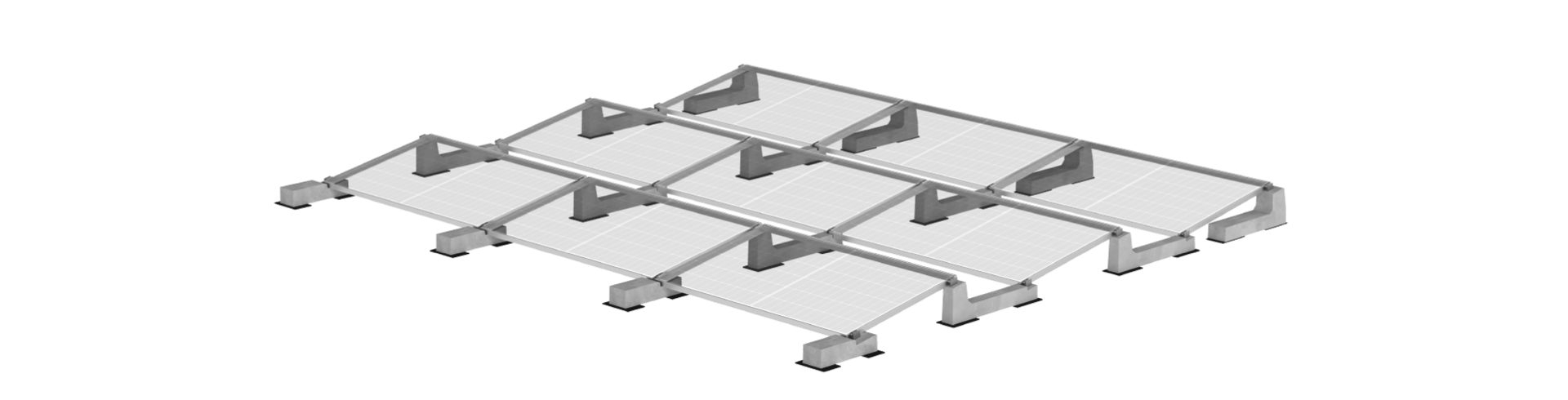
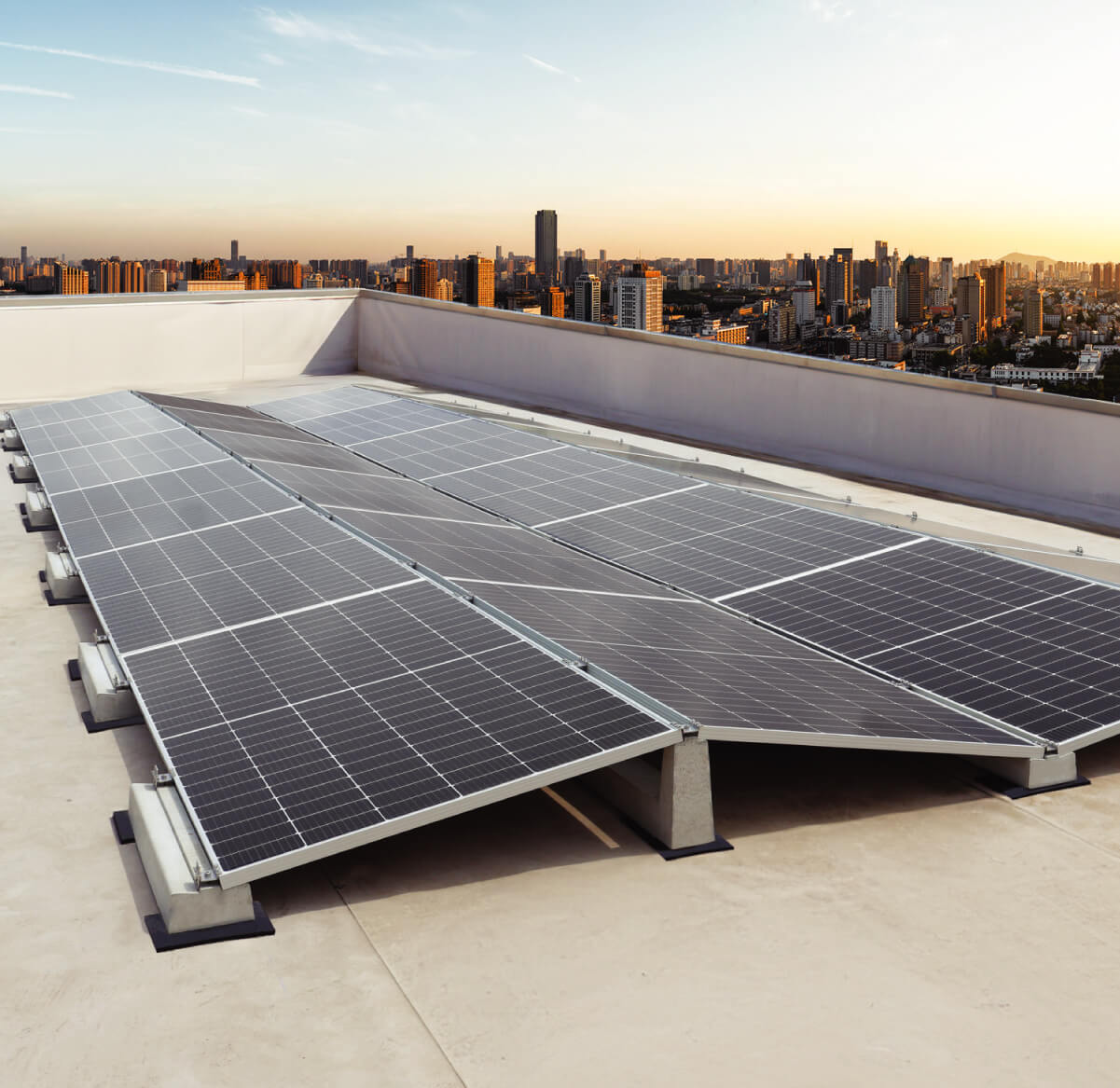
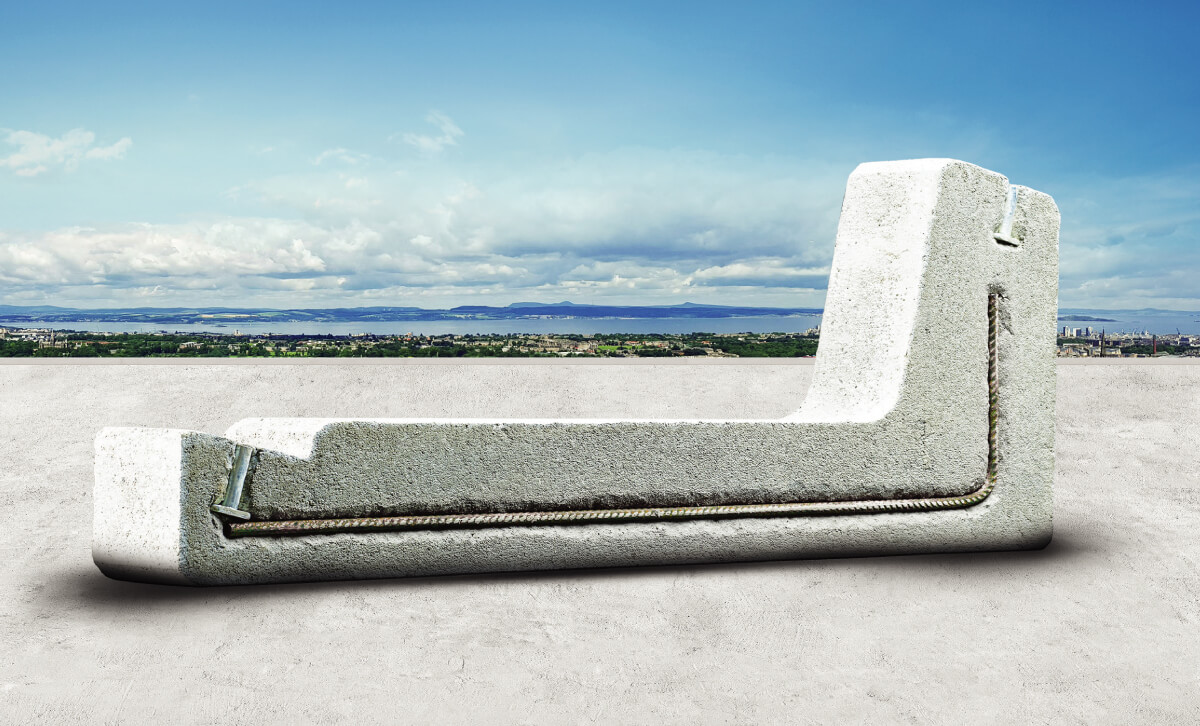
roof mount solves that problem by using engineered concrete weights to keep the PV structure
stable—without drilling through the roof. For installers, that means fewer steps on site, less
hardware to manage, and a workflow that feels straightforward even when timelines are tight. For
designers and engineers, it means a solution built around predictable loads and repeatable
configurations, ideal for commercial buildings and industrial sheds. Because the system relies
on ballast rather than penetrations, you reduce the chances of leaks, call-backs, and long-term
maintenance issues tied to roof fixings. It’s also a smart option when roof warranties, existing
membranes, or building constraints make mechanical anchoring difficult. As demand grows for
faster PV deployment across the Italian market, choosing a ballast roof mount is a practical way
to combine speed, safety, and clean installation—while keeping the roof intact and the project
moving.
Faster Installation, Fewer Components, Less
Site Stress
A well-designed ballast roof mount is not just “weights on a
roof.” It’s a complete flat-roof mounting solution engineered to reduce complexity. Installers
appreciate systems that arrive ready to assemble, with minimal components and intuitive
positioning for common module layouts. The result is faster installation and fewer opportunities
for mistakes during alignment, cable management, or finishing details. For project teams, that
speed translates into clearer scheduling and better productivity across multiple rooftops.
Another key advantage is simplicity in logistics: concrete ballast elements provide stability
while limiting the need for roof penetrations, specialized sealing work, or time-consuming
inspections. This approach is especially valuable on large flat roofs where repetitive
installation steps can either accelerate the job—or slow it down dramatically. By choosing a
ballast roof mount designed for real-world site conditions, professionals can streamline work,
reduce operational friction, and deliver a cleaner, more reliable PV installation for the
building owner.
Reliable Engineering Support for Sizing and
Compliance
For engineers and technical offices, the biggest concern is always
performance under wind and load conditions. A professional ballast roof mount should come with
tested configurations and dependable data to support correct sizing, helping reduce design risk
and simplifying approval processes. Technical support during planning can make a real
difference: from selecting tilt angles to optimizing array spacing and managing roof load
distribution. This is where a partner approach matters—one that supports the project from early
design through execution, not just product supply. In the Italian B2B PV sector, distributors
also benefit from offering a recognizable, easy-to-sell solution that installers trust and can
deploy quickly. If your goal is to build flat-roof photovoltaic systems that are safer, faster,
and more efficient, a ballast roof mount is a proven route—combining non-penetrating
installation with robust reliability and practical project support.